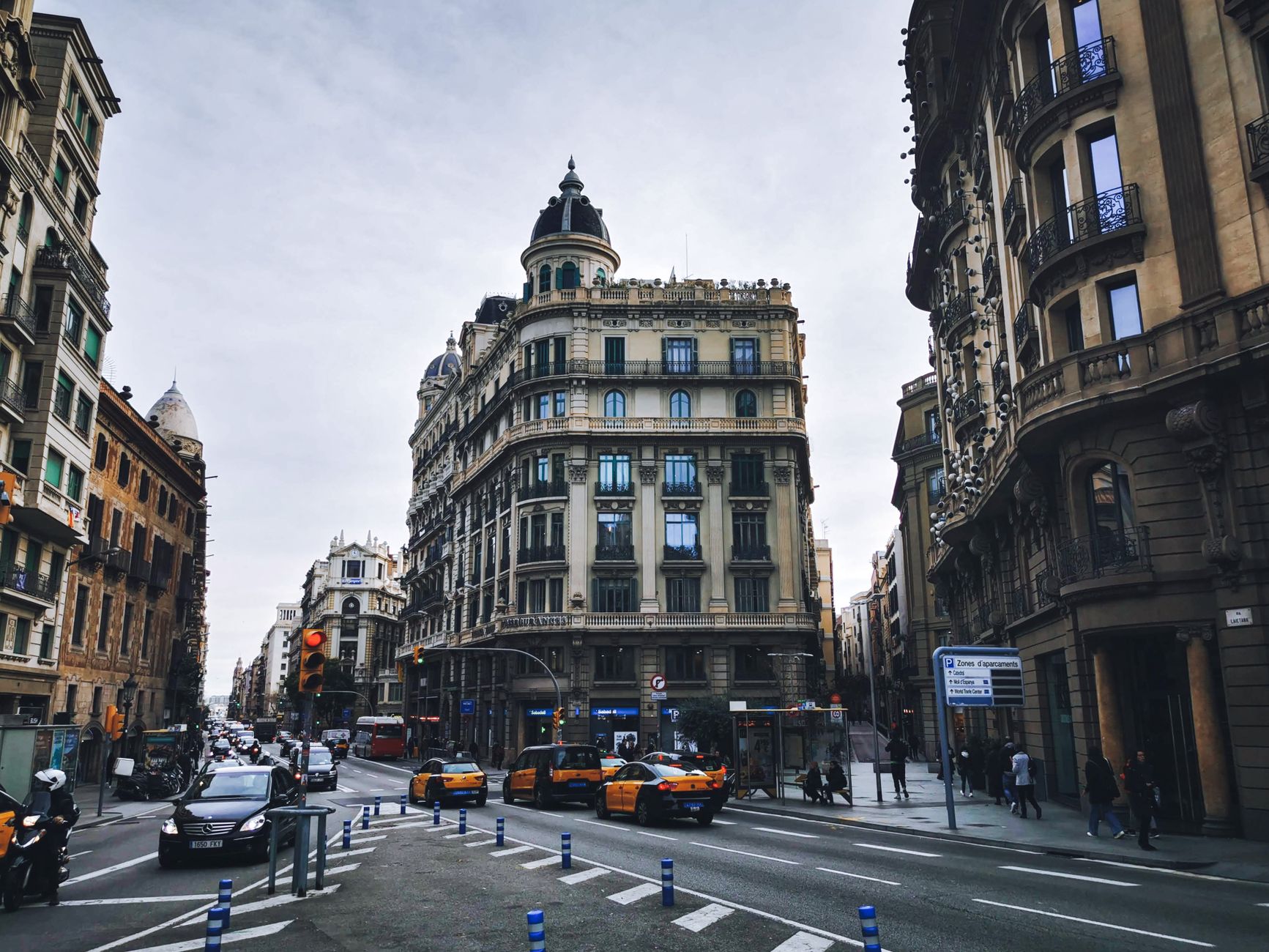
Barcelona's soul-crushing overtourism and sky-high prices have forced top travel advisors to pivot. The new blueprint for the ultimate European getaway requires walkable coastal energy, jaw-dropping architecture, hyper-local food scenes, and vibrant nightlife—minus the two-hour museum queues. Here are the 6 underrated cities top travel advisors are quietly recommending as the "next Barcelona." ---
The Turning Point: Why We Need a New Barcelona
I stepped off the morning train at Barcelona’s Estació de França last June and was instantly swallowed by a wall of humidity, rolling suitcases, and sea of selfie sticks. The air smelled of exhaust and stale sangria. Standing in a 40-minute line just to buy an espresso near the Gothic Quarter, I realized something fundamental had broken. The magnetic city I fell in love with a decade ago—a sanctuary of wild Catalan architecture, late-night tapas, and salty breeze—was drowning under its own success.
Over dinner that evening with three top luxury travel advisors, the consensus was unanimous: clients are begging for alternatives. They want the intoxicating energy of a seaside metropolis with rich artistic heritage and dynamic street life, but they want room to breathe.
Travel advisors aren't just looking for smaller towns; they are searching for dynamic, mid-sized urban heavyweights that capture that exact "Barcelona magic"—cities where historic alleys open into sun-splattered plazas, where culinary tradition meets edgy modernism, and where the beach is seamlessly woven into daily life.
Here are the six underrated cities top travel advisors are recommending to replace the Catalan capital right now.
---
1. Valencia, Spain: The Architectural Twin with Zero Ego
If you want the immediate sun-baked, modernist charm of Barcelona without the relentless tourist friction, look no further than its southern neighbor. Valencia takes everything that makes Catalonia irresistible—glorious coastal positioning, avant-garde architecture, and a obsessively fresh culinary scene—and delivers it at a relaxed, authentic tempo.
``` [Turia Park: 9km Urban Green Belt] │ ┌───────────────────┴───────────────────┐ ▼ ▼ Historic Ciutat Vella Ciutat de les Arts i les Ciències (Gothic/Art Nouveau) (Calatrava Futuristic Masterpiece) ```
The Vibe & Vernacular
Where Barcelona has Gaudí, Valencia counters with Santiago Calatrava. The Ciutat de les Arts i les Ciències (City of Arts and Sciences) looks like a futuristic fleet of alien white bone-structures floating on turquoise pools. Yet, across town in the Ciutat Vella, you’ll wander through Gothic towers and colorful Art Nouveau markethalls. The city converted its former riverbed into the Turia Gardens, a lush 9-kilometer green ribbon winding through the municipality straight to the Mediterranean Sea.
The Culinary Reality
Forget the tourist-trap paellas served in Las Ramblas made from frozen stock. Valencia is the undisputed, holy birthplace of Paella Valenciana. Local chefs treat rice with liturgical reverence, cooking it over wood fires using short-grain Bomba rice, green beans (bajoqueta), butter beans (garrofó), rabbit, and chicken—never seafood mixed with sausage.
- Pro-Tip: Head to El Cabañyal, the old fishermen's quarter of tiled, single-story cottages. Skip the waterfront boardwalk and grab a seat at Casa Montaña (operating since 1836) at 1:30 PM sharp. Order the steamed clóchinas (local sweet mussels) and a chilled glass of dry Merseguera white wine.
- The Hidden Angle: Skip the crowded Central Market around noon. Arrive at Mercado de Colón at 8:30 AM for a hot glass of freshly pressed horchata (tiger-nut milk) paired with warm, sugary fartons.
---
2. Porto, Portugal: The Soulful, Granitic Riverside Titan
Perched dramatically on the steep hills overlooking the Douro River, Porto possesses the same raw, creative, maritime soul that defined Barcelona before the cruise ships dominated the shoreline. It’s gritty, impossibly romantic, and exploding with youth-driven artistic renewal.
``` [Ribeira District - Douro Riverfront] │ ┌───────────────────┴───────────────────┐ ▼ ▼ Traditional Azulejo Tiles Cedofeita & Miragaia (São Bento Station) (Modern Art & Natural Wine Bars) ```
The Vibe & Vernacular
Porto’s architecture is a dramatic poetry of contrast: polished blue-and-white azulejo tile facades clinging to towering granite townhouses that lean into narrow medieval alleys. Crossing the double-deck iron Dom Luís I Bridge at sunset feels like walking through an impressionist painting, as light reflects off the river and hits the orange clay roofs of Vila Nova de Gaia.
The Culinary Reality
While Barcelona relies heavily on small tapas plates, Porto feeds your soul with unpretentious, high-flavor comfort fare. The star dish is the Francesinha—a monster sandwich stacked with fresh sausage, ham, and steak, smothered in melted cheese and a thick, secret spiced beer-and-tomato sauce, topped with a fried egg and served in a moat of golden fries.
- Pro-Tip: Skip the legendary Livraria Lello bookshop queue (which now charges expensive entry fees and packs tourists in like sardines). Instead, stroll into Serralves Museum of Contemporary Art, designed by Álvaro Siza Vieira, to walk through minimalist galleries set inside an Art Deco estate surrounded by pink flamingos and ancient pine trees.
- The Hidden Angle: Cross over to the Gaia side of the river, but walk past the grand historic port cellars along the promenade. Climb up the steep cobblestones to Church of Serra do Pilar at 7:45 PM for an elevated view of the city illuminated by streetlamps without the crowds below.
---
3. Gdańsk, Poland: The Baltic’s Most Electrifying Coastline
Mention Poland to most travelers and they picture Krakow's landlocked cobbles. But travel advisors in the know are quietly booking their most cultured clients into Gdańsk. Positioned on the edge of the Baltic Coast, this Hanseatic powerhouse delivers staggering waterfront architecture, rich maritime history, and an avant-garde arts scene that punches far above its price tag.
``` [Motława Riverfront] │ ┌──────────────────────┴──────────────────────┐ ▼ ▼ Main Town / Długi Targ Imperial Shipyard (Gothic & Renaissance Merchants) (100cznia Industrial Nightlife) ```
The Vibe & Vernacular
Gdańsk looks unlike anything else in Central Europe. Dutch Renaissance architects designed much of its main town after trade bloomed in the 16th century. Slender pastel townhouses with ornate gables frame the pedestrianized Długi Targ (Long Market), ending at the striking crane-dominated riverbank of the Motława River. It gives off the exact same historic waterfront energy as Barcelona’s Port Vell, but with a cooler Baltic breeze and zero urban friction.
The Culinary Reality
Forget tired cliches about heavy Northern European food; Gdańsk’s dining scene is experiencing an impressive renaissance. Contemporary chefs are showcasing local Baltic sea trout, zander, wild forest mushrooms, and fermented goose, balanced alongside craft breweries and natural cider houses.
- Pro-Tip: Spend an afternoon exploring 100cznia and Elektryków Street inside the historic Imperial Shipyard—the birthplace of the Solidarity movement. The industrial cargo containers have been flipped into an incredible open-air compound filled with micro-breweries, vinyl DJs, pop-up art galleries, and street-food vendors serving everything from Baltic herring buns to Georgian khachapuri.
- The Hidden Angle: Rent a city bike and take the tree-canopied coastal trail 20 minutes north to Sopot early in the morning to walk the wooden pier before taking a dip in the Baltic Sea.
---
4. Trieste, Italy: The Grand Adriatic Literary Oasis
Tucked into the narrow sliver of land between the Slovenian border and the sparkling Adriatic Sea, Trieste is Italy’s best-kept secret—and the destination travel advisors pitch when clients ask for a stylish, seaside city rich in intellect, coffee culture, and striking grand plazas.
``` [Piazza Unità d'Italia] │ ┌──────────────────────┴──────────────────────┐ ▼ ▼ Historical Viennese-Style Cafes Muggia Fishing Village (Caffè San Marco / James Joyce) (Venetian Seafood & Quiet Harbors) ```
The Vibe & Vernacular
For centuries, Trieste served as the primary seaport for the Austro-Hungarian Empire. The result? A fascinating hybrid of imperial Austrian grandeur and sunlit Italian coastal living. The Piazza Unità d’Italia is Europe’s largest waterfront square, framed by massive neoclassical palaces that open directly onto the deep blue waters of the Gulf of Trieste. It feels like Vienna was dropped directly onto the Mediterranean coast.
The Culinary Reality
Trieste’s cuisine is a unique fusion you won't find anywhere else in Italy: Istrian olive oils, fresh Adriatic octopus, Slavic dumplings, and Viennese-style pork roasts co-exist on the same menus. This is also the historic coffee capital of Italy (home to Illy), where locals consume twice as much espresso per capita as the rest of the country.
- Pro-Tip: Learn the local coffee lexicon before ordering. If you want an espresso with a drop of milk served in a small glass, don't ask for a macchiato—ask for a "Capo in B". Sip it at Caffè San Marco, the historic café where James Joyce wrote parts of Ulysses.
- The Hidden Angle: Catch the small passenger ferry across the bay to Muggia, a quiet Venetian-style fishing village with pastel houses, where you can eat grilled sea bass caught hours earlier at Trattoria al Salotto da green.
---
5. Izmir, Turkey: The Aegean’s Cool, Creative Capital
While tourists choke the streets of Istanbul or head straight to crowded Mediterranean resorts, Turkey’s third-largest city, Izmir, is quietly asserting itself as the Aegean’s cool, progressive cultural incubator. Travel advisors recommend Izmir for clients who crave Barcelona’s energetic coastal boardwalks, ancient history, and vibrant night markets.
``` [The Kordon Waterfront] │ ┌────────────────────────┴────────────────────────┐ ▼ ▼ Kemeraltı Bazaar Alsancak & Karşıyaka (17th Century Spice & Silk Market) (Art Galleries, Seafood & Rooftops) ```
The Vibe & Vernacular
Izmir stretches around the crescent-shaped Gulf of Izmir, anchored by the Kordon—a massive grassy palm-lined waterfront promenade where tens of thousands of locals gather every evening to play music, drink Efes beer, and watch the sun dip below the Aegean horizon. The city balances 8,000 years of history with an open-minded, secular, artistic youth culture.
The Culinary Reality
Izmir was named a Michelin Guide destination for a reason: its food scene is spectacular. The city’s Levantine, Greek, Sephardic, and Turkish heritage converges into an Aegean masterclass of olive oil dishes (zeytinyağlılar), hyper-fresh seafood, and wild mountain herbs like radika and samphire.
- Pro-Tip: Wake up early and head into Kemeraltı Bazaar, a sprawling 17th-century market maze. Skip the tourist cafes and track down Manisa Kebapçısı for tender lamb wrapped in freshly baked pide bread, soaked in melted butter and sumac. Pair it with a hot cup of Turkish coffee brewed on hot sand at Kızlarağası Hanı.
- The Hidden Angle: Take the historic municipal ferry from Pasaport pier across the bay to Karşıyaka at sunset for 15 lira ($0.45 USD). The views of the skyline lit up in pink and orange rival Barcelona’s view from Montjuïc.
---
6. Montpellier, France: The Chic, Sun-Kissed Southern Haven
If you love the Mediterranean elegance, youthful nightlife, and dramatic Gothic alleyways of Barcelona, but want to trade Spanish tapas for Southern French natural wines and pristine design, Montpellier is the advisor's top pick.
``` [Place de la Comédie] │ ┌────────────────────────┴────────────────────────┐ ▼ ▼ L'Écusson Medieval Quarter Antigone District (Gothic Mansions & Secret Courtyards) (Postmodern Neoclassical Masterpiece) ```
The Vibe & Vernacular
Located just 6 miles from the Mediterranean coast, Montpellier is dynamic, stylish, and remarkably young (one-third of its population are students). Its historic core, L'Écusson, is a pedestrianized maze of 17th-century mansions, limestone arches, and hidden courtyards. Contrast this with the Antigone district, a breathtaking postmodern neoclassical neighborhood designed by legendary Catalan architect Ricardo Bofill—creating a direct architectural kinship with Barcelona.
The Culinary Reality
Montpellier sits at the epicenter of the Languedoc wine region, the world’s most exciting frontier for biodynamic and natural winemaking. The food scene prioritizes Mediterranean seafood, wild herbs from the Garrigue hills, and raw goat cheeses.
- Pro-Tip: Don't miss Marché du Lez, a creative food hall and flea market complex set along the Lez River on the city's outskirts. It houses micro-restaurants, rooftop cocktail lounges, food trucks, and pétanque courts under twinkling string lights.
- The Hidden Angle: Take the line 3 tram (designed by fashion icon Christian Lacroix) down to Pérols, then rent a city bike to ride along the salt lagoons. You’ll pedal past flocks of wild pink flamingos straight to the pristine sand dunes of Plage de l'Espiguette.
---
The Strategic Breakdown: Planning Your Escape
To help you decide which alternative fits your travel style, budget, and timeframe, we’ve broken down the logistics for each destination:
| City | Daily Budget ($) | Best Months to Visit | Flight / Transit Access | The Vibe Index | | :--- | :--- | :--- | :--- | :--- | | Valencia, Spain | $140 - $220 | April – June, Sept – Nov | Direct high-speed train from Madrid (1h 50m) or VLC airport | Sun-kissed, design-forward, culinary perfection | | Porto, Portugal | $120 - $190 | May – October | OPO Airport (Direct flights from US East Coast & EU hubs) | Soulful, hilly, historic, high-energy nights | | Gdańsk, Poland | $70 - $130 | May – September | GDN Airport or 2.5h train from Warsaw | Maritime, cool Baltic chic, incredible value | | Trieste, Italy | $110 - $180 | April – May, Sept – Oct | TRS Airport or 2h train from Venice Santa Lucia | Grand, literary, coffee-obsessed, quiet luxury | | Izmir, Turkey | $60 - $110 | April – June, Sept – Nov | ADB Airport (1h flight from Istanbul) | Buzzy Aegean boardwalks, ancient bazaars, warm | | Montpellier, France| $150 - $240 | May – October | MPL Airport or 3h TGV high-speed train from Paris | Youthful, Mediterranean chic, natural wine haven |
---
The Advisor's Verdict: Which Should You Pick?
You don't have to give up on the magic of a walkable, seaside European metropolis packed with culture, late nights, and architectural wonders. You just need to change your coordinates.
- If you want exact Barcelona vibes minus the crowd control: Pick Valencia.
- If you want dramatic views, riverfront energy, and deep history: Book Porto.
- If you want unbelievable value, creative arts, and cool sea air: Head to Gdańsk.
- If you want grand architecture, zero tourists, and slow coffee culture: Escape to Trieste.
- If you crave vibrant bazaars, waterfront street life, and Aegean feasts: Fly to Izmir.
- If you want natural wine, sun-drenched squares, and modern design: Choose Montpellier.
The age of waiting three hours in line for a picture of a crowded cathedral is over. The future of travel belongs to those who look just a little further down the coast.
---
More pictures
Tags
Share this guide
We may earn a commission if you click a link and buy a product or service, at no extra cost to you. How affiliate links work.
Been there?