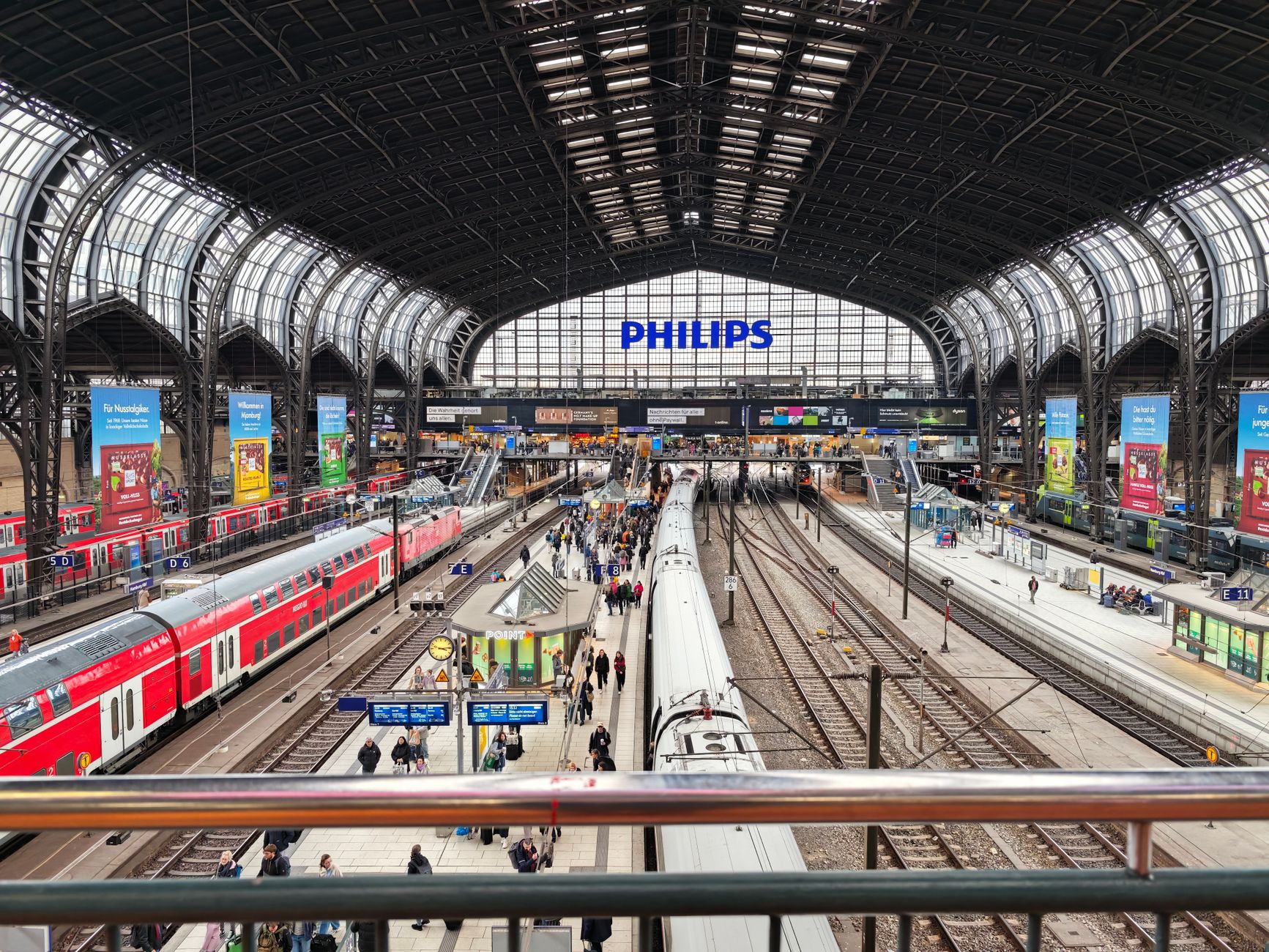
Tired of airport queues and sterile cabins? Step aboard! We're uncovering the most epic train routes that ditch the dreaded short flight for breathtaking scenery, local flavor, and zero airport drama. Your next adventure starts here!
The Ultimate Guide to Train Routes That Replaced Short Flights Worth Considering
I stepped off the train in Kyoto, the crisp morning air carrying the faint, sweet scent of cherry blossoms and something earthy, like damp moss. No frantic baggage claim, no sterile terminal smell. Just the gentle murmur of Japanese voices, the rhythmic clip-clop of wooden geta sandals on stone, and a sense of calm that immediately told me I’d made the right choice. My journey from Tokyo hadn't been about speed; it had been about immersion. And that, my friends, is the magic of choosing the train over the short hop flight.
In an era where the environmental impact of our wanderlust is under scrutiny, and the sheer inconvenience of airport security and delays can turn a quick getaway into a day-long ordeal, the humble train is experiencing a glorious renaissance. It’s not just about getting from Point A to Point B; it’s about the journey itself becoming an integral, enriching part of your travel experience. Forget the cramped seats and the recycled air – let’s explore some of the most compelling train routes that are not just replacing short flights, but are vastly superior to them.
Why Ditch the Dreaded Short Flight?
Let’s be honest, short flights are often the worst of both worlds. You spend hours getting to the airport, navigating security, waiting to board, and then the flight itself is a blink-and-you'll-miss-it affair. Add in the time to get from the destination airport to the city center, and you’ve often spent more time in transit transit than actually traveling.
Trains, on the other hand, offer a different kind of magic:
- City Center to City Center: Arrive directly in the heart of your destination, saving precious time and often money on airport transfers.
- Scenery as a Side Dish: Watch the world unfold outside your window – rolling hills, charming villages, dramatic coastlines. It’s a moving postcard.
- Comfort and Space: Stretch out, walk around, enjoy a proper meal, and even catch up on work or read a book without feeling like you're in a sardine can.
- Sustainability: Trains are significantly more carbon-efficient than flying, making them the eco-conscious traveler's best friend.
- Authentic Experience: Observe local life, hear different languages, and truly feel the transition between places.
Europe: The Grand Central Station of Train Travel
Europe has long been the undisputed king of high-speed rail, making it the perfect playground for ditching short flights.
1. London to Paris: The Eurostar Elegance
The Hook: I remember my first Eurostar journey. Stepping into the bright, modern St Pancras International station in London, the air buzzing with anticipation, I bypassed the usual airport chaos. A quick check-in, a pleasant wait in the comfortable lounge, and then the seamless boarding of the sleek Eurostar. Within minutes, we were gliding through the Kent countryside. The real magic? Emerging blinking into the sunshine at Gare du Nord in Paris, the Eiffel Tower visible in the distance, all in under two and a half hours. No jet lag, no lost luggage, just pure Parisian charm waiting to embrace me.
This is perhaps the quintessential example of a short flight replacement. The traditional flight path between London and Paris is short, but the journey around it is lengthy and often stressful. The Eurostar is a masterclass in efficient, comfortable travel.
- The Experience: The trains are modern, with comfortable seating, ample legroom, and onboard Wi-Fi. The journey itself is a blur of green fields and quaint villages, a stark contrast to the often-monotonous flight path. You can opt for Standard, Standard Premier, or Business Premier, each offering increasing levels of comfort and service. Standard Premier, with its larger seats and complimentary light meal, is a sweet spot for many.
- Insider Tip: Book your tickets well in advance, especially for peak travel times, as prices can increase significantly. If you’re traveling with lots of luggage, the ample space on the train is a lifesaver compared to airline restrictions.
- Pro-Tip: Arrive at St Pancras or Gare du Nord at least 45 minutes before departure to allow for security and passport control. Enjoy a coffee in the station before boarding – the atmosphere is electric!
Quick Facts:
- Estimated Cost: $70 - $250+ (depending on class and booking time)
- Best Time to Visit: Spring (April-May) for pleasant weather and fewer crowds.
- How to Get There: Depart from London St Pancras International; Arrive at Paris Gare du Nord.
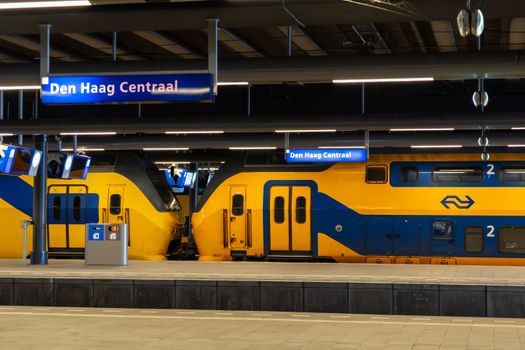
2. Amsterdam to Berlin: The Northern Lights Express (Almost!)
The Hook: The scent of stroopwafels still clinging to my jacket, I boarded the train in Amsterdam Centraal. The gentle rocking of the carriage was a soothing lullaby as we left the canals behind and headed east. Hours later, as the sun began to dip, painting the sky in hues of orange and purple over the vast German countryside, I felt a profound sense of connection to the landscape. Arriving at Berlin Hauptbahnhof, a modern marvel of glass and steel, I was right in the heart of the city, ready to explore its vibrant history and pulsating nightlife. The flight would have deposited me miles from anywhere, but this train journey was an overture to the Berlin experience.
This route offers a fascinating glimpse into the changing landscapes of Northern Europe. It’s a journey that feels both ancient and modern, with the efficiency of the German rail system meeting the charm of Dutch towns.
- The Experience: While not always a direct high-speed line, this journey offers excellent connections and a comfortable ride. You'll pass through charming Dutch towns, cross the vast plains of Germany, and witness the transition from flatlands to rolling hills. The Intercity-Express (ICE) trains on the German leg are known for their comfort and punctuality.
- Insider Tip: Consider breaking up the journey with a night in Hamburg or Hanover for a taste of different German cities. This adds to the adventure without significantly increasing the overall travel time compared to a flight.
- Pro-Tip: Pack snacks and drinks! While there's usually a bistro car, having your own supplies can be more budget-friendly and offer more variety. Enjoy the views of the windmills fading away as you enter Germany.
Quick Facts:
- Estimated Cost: $60 - $200+
- Best Time to Visit: Summer (June-August) for long daylight hours and outdoor activities.
- How to Get There: Depart from Amsterdam Centraal; Arrive at Berlin Hauptbahnhof.
3. Rome to Florence: The Renaissance Express
The Hook: The aroma of espresso and ancient stone still lingered as I boarded the Frecciarossa in Rome Termini. The rush of the city faded as the high-speed train accelerated, whisking me through the picturesque Italian countryside. Within moments, we were gliding past vineyards and olive groves, the sun-drenched Tuscan hills beckoning. Arriving at Firenze Santa Maria Novella, I was a stone's throw from the Duomo, the Ponte Vecchio, and the heart of Renaissance art. This wasn't just a transfer; it was a prelude to masterpieces.
This is a journey where the train truly shines. The distance is short enough that a flight is almost laughable, and the train deposits you directly into the cultural heart of two of Italy's most iconic cities.
- The Experience: Italian high-speed trains, like Trenitalia's Frecciarossa and Italo, are sleek, fast, and incredibly comfortable. The journey is a visual feast of rolling hills, cypress trees, and charming farmhouses. You'll feel the pulse of Italy quicken as you approach Florence.
- Insider Tip: Book your tickets in advance through Trenitalia or Italo for the best prices. Consider the 'Prima' or 'Business' classes for a little extra legroom and service – it’s often surprisingly affordable and makes the journey even more enjoyable.
- Pro-Tip: Grab a cornetto and a cappuccino from a local bar near the station before boarding. Enjoy them with your coffee as you watch the Italian landscape blur by.
Quick Facts:
- Estimated Cost: $30 - $100+
- Best Time to Visit: Spring (April-May) and Autumn (September-October) for pleasant temperatures and fewer crowds.
- How to Get There: Depart from Rome Termini; Arrive at Florence Santa Maria Novella.
Beyond Europe: Global Train Journeys That Trump Short Flights
While Europe leads the charge, other regions are increasingly recognizing the allure of train travel.
4. Vancouver to Seattle: The Pacific Northwest Panorama
The Hook: The salty tang of the Pacific Ocean filled my lungs as I walked onto the Amtrak Cascades train in Vancouver's Pacific Central Station. The gentle hum of the engine was a welcome contrast to the roar of jet engines. Soon, we were tracing the coastline, the deep blue of the Salish Sea stretching out to my left, dotted with islands and the occasional ferry. Arriving in downtown Seattle, the iconic Space Needle already in view, I felt a sense of accomplishment and connection to the stunning Pacific Northwest landscape that a quick flight would have completely bypassed.
This route is a gem for anyone traveling between these two vibrant North American cities. It offers stunning coastal views and a relaxed pace that allows you to truly soak in the scenery.
- The Experience: The Amtrak Cascades train offers comfortable seating, a cafe car, and panoramic windows perfect for sightseeing. You'll travel along the scenic coastline, through charming towns, and enjoy views of the Puget Sound.
- Insider Tip: Aim for a seat on the left side of the train when traveling south (Vancouver to Seattle) for the best ocean views. Book tickets in advance, especially during summer, as this is a popular route.
- Pro-Tip: The onboard cafe offers local craft beers and snacks. Enjoy a leisurely lunch or dinner while watching the Pacific Northwest unfold outside your window.
Quick Facts:
- Estimated Cost: $30 - $80+
- Best Time to Visit: Summer (June-September) for the best weather and longest daylight hours.
- How to Get There: Depart from Vancouver Pacific Central Station; Arrive at Seattle King Street Station.
5. Kyoto to Osaka: The Kansai Corridor Connection
The Hook: The subtle, calming scent of tatami mats and green tea followed me as I boarded the JR Special Rapid Service train in Kyoto Station. The city's ancient charm gave way to the bustling energy of the Kansai region. In less than an hour, the landscape transformed from serene temples to the vibrant, neon-lit cityscape of Osaka. Stepping out at Osaka Station, the energy of this culinary capital was palpable. No airport hassle, just a seamless transition from one incredible Japanese experience to the next.
This is a prime example of a local train route that completely makes a short flight redundant. The distance is minimal, and the train offers an efficient and authentic way to connect two of Japan's most important cultural and economic hubs.
- The Experience: The JR Special Rapid Service trains are frequent, fast, and incredibly efficient. The journey is short, but it offers a glimpse into the dense, urban landscape of the Kansai corridor. You'll see a mix of traditional and modern architecture.
- Insider Tip: If you have a Japan Rail Pass, this journey is covered. Even if not, the fares are very affordable. Consider purchasing an ICOCA or Suica card for easy tap-and-go payment on local trains and subways.
- Pro-Tip: Try some local Osaka street food immediately upon arrival – takoyaki (octopus balls) and okonomiyaki (savory pancake) are Osaka specialties!
Quick Facts:
- Estimated Cost: $5 - $15 (depending on train type)
- Best Time to Visit: Spring (March-May) for cherry blossoms or Autumn (September-November) for vibrant fall foliage.
- How to Get There: Depart from Kyoto Station; Arrive at Osaka Station.
Making the Switch: Your Train Travel Toolkit
Transitioning from flying to train travel requires a slight shift in mindset, but the rewards are immense. Here's what you need to know:
- Booking: Websites like Omio, Trainline, Rail Europe, and national rail operators (e.g., Trenitalia, SNCF, Deutsche Bahn, Amtrak) are your best friends for booking. Book in advance for the best prices, especially on popular routes.
- Luggage: Most trains have ample luggage space, often in overhead compartments or dedicated racks. You can usually bring more than you would on a plane, but be mindful of not blocking aisles.
- Food & Drink: Many trains have dining cars or bistro services. However, packing your own snacks and drinks is a great way to save money and enjoy local treats.
- Connectivity: Wi-Fi is increasingly common on trains, though it can be spotty in rural areas. Consider a portable Wi-Fi hotspot or a local SIM card if you need constant connectivity.
- Flexibility: Train travel often offers more flexibility with ticket changes and cancellations than flights, though this varies by ticket type.
The Future of Travel is on the Rails
Choosing a train route over a short flight is more than just a travel decision; it’s a conscious choice for a richer, more sustainable, and ultimately more enjoyable way to see the world. It’s about embracing the journey, savoring the landscapes, and arriving at your destination feeling refreshed, not exhausted. So, next time you’re planning a trip that involves a short hop, ask yourself: could this be a train adventure? I have a feeling you’ll be pleasantly surprised by the answer.
More pictures


Tags
Share this guide
We may earn a commission if you click a link and buy a product or service, at no extra cost to you. How affiliate links work.
Been there?