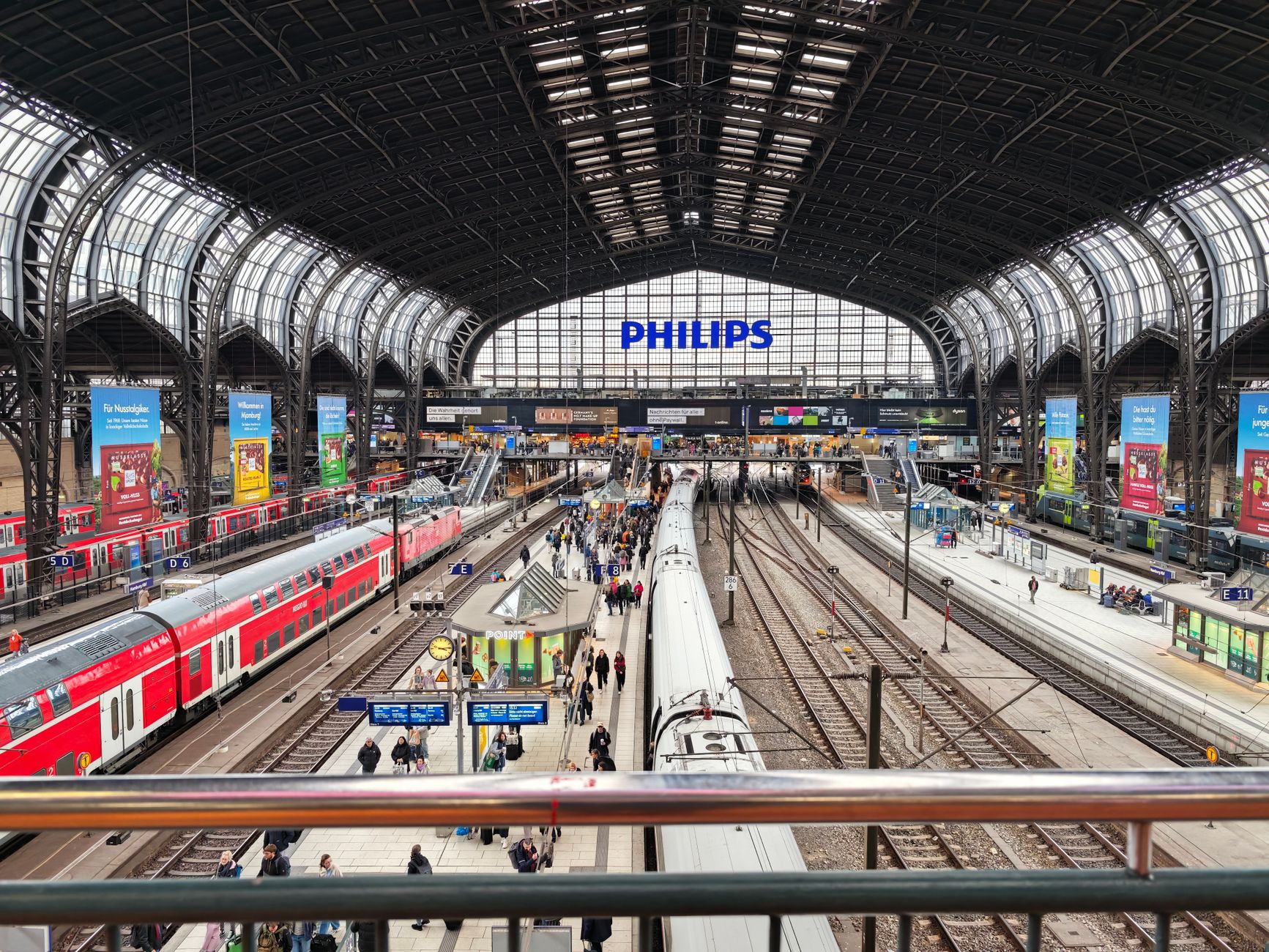
Forget airport queues! In February 2026, game-changing train routes slash flight times, making eco-friendly travel a breeze. Think scenic views, gourmet snacks, and arriving right in the city center. Ready for the ultimate rail adventure? ---
The New Era of Travel: Stepping Off the Train and Into Adventure
I stepped off the train in Florence, the Tuscan sun already warming my face, carrying the faint, delicious scent of baking bread and espresso. The usual post-flight grogginess was absent, replaced by a vibrant energy that hummed through the Piazza Santa Maria Novella. No frantic taxi hunts, no deciphering confusing airport signage – just the gentle murmur of Italian chatter and the promise of a perfectly ripe gelato. This wasn't just a journey; it was an immersion, a seamless transition from the rumble of steel wheels to the heart of a city that had, until recently, felt like a distant dream requiring a cramped, carbon-spewing flight. And this, my friends, is the future unfolding in February 2026.
The aviation industry, for all its marvels, has long been the bane of the eco-conscious traveler and the bane of anyone who’s ever spent hours in a soul-crushing airport queue. But change is on the horizon, and it's arriving on sleek, silent rails. In February 2026, a wave of new and significantly upgraded high-speed rail routes are set to redefine how we traverse shorter distances across continents, making the "flight shame" a relic of the past. These aren't just train lines; they're invitations to slow down, savor the journey, and arrive refreshed, ready to explore.
The Great European Rail Revolution: Why February 2026 is Your Ticket to a Greener Getaway
For years, the narrative has been dominated by the convenience of short-haul flights. But as the urgency of climate action mounts, and as rail technology leaps forward, the balance is tipping dramatically. February 2026 marks a pivotal moment, with several key routes seeing substantial upgrades in speed, frequency, and connectivity, effectively rendering many short flights obsolete. This isn't just about environmental responsibility; it's about reclaiming your travel time and experiencing destinations in a richer, more authentic way.
The Advantages are Undeniable:
- Reduced Carbon Footprint: This is the headline act. Trains are significantly more energy-efficient per passenger mile than airplanes.
- City-Center to City-Center Convenience: Arrive directly in the heart of your destination, bypassing airport transfers and saving precious hours.
- More Legroom & Comfort: Say goodbye to cramped seats. Train carriages offer a more relaxed and spacious travel experience.
- Scenic Views: The journey is the destination. Watch landscapes unfold outside your window, from rolling countryside to charming villages.
- Onboard Amenities: Enjoy quality dining, Wi-Fi, and the freedom to move around.
- Less Stress: No lengthy security checks, no baggage restrictions (within reason), and a generally calmer boarding process.
Unveiling the Game-Changers: Top Routes Replacing Short Flights in February 2026
The most exciting developments are happening across Europe, where ambitious infrastructure projects are finally coming to fruition. Here are the routes you need to know about, the ones that will have you rethinking that budget airline ticket:
1. The Paris to Amsterdam Express: A Dutch Delight in Record Time
The Old Way: A quick ~1.5-hour flight, but factor in airport travel, security, boarding, and baggage claim, and you're looking at a 4-5 hour ordeal.
The New Way (February 2026): The upgraded Thalys (now Eurostar) service will slash the journey time to an astonishing 2 hours and 45 minutes. This is a direct, high-speed link that transforms what was once a quick hop into a leisurely morning excursion.
- Insider Scoop: The departure from Paris Gare du Nord and arrival at Amsterdam Centraal put you steps away from iconic sights. Grab a pain au chocolat in Paris and be ready for a stroopwafel in Amsterdam by lunchtime. The onboard dining often features excellent French and Dutch cheeses – a perfect start to your culinary exploration.
- Pro-Tip: Book your tickets months in advance for the best prices and to secure your preferred seat, especially if you want a window view of the Flemish countryside.
Quick Facts: Paris to Amsterdam Rail
- Estimated Cost: $60 - $150 (depending on class and booking time)
- Best Time to Visit: Spring (for tulips!) or Autumn (for crisp air and fewer crowds).
- How to Get There: Depart from Paris Gare du Nord, arrive at Amsterdam Centraal.
2. London to Edinburgh: A Caledonian Corridor Reimagined
The Old Way: A ~1.25-hour flight, but with the usual airport faff, it’s a 4-hour minimum commitment.
The New Way (February 2026): LNER's continued investment in its Azuma fleet, coupled with track upgrades, will bring the London King's Cross to Edinburgh Waverley journey down to an average of 4 hours and 15 minutes. While not as dramatic a time cut as continental routes, the experience difference is monumental.
- Insider Scoop: The East Coast Main Line is arguably one of the most scenic rail routes in the UK. As you leave London's sprawl, you'll glide past charming Yorkshire villages, cross the dramatic Royal Border Bridge, and finally, sweep into the historic heart of Edinburgh. Onboard, try the Caledonian Sleeper's dining car experience if you opt for an overnight journey – the haggis is surprisingly refined!
- Pro-Tip: Sit on the right-hand side of the train traveling north for the best sea views as you approach the Scottish border. For a truly special treat, book a seat in the First Class carriage for extra comfort and complimentary refreshments.
Quick Facts: London to Edinburgh Rail
- Estimated Cost: $50 - $120 (Standard Class), $100 - $200 (First Class)
- Best Time to Visit: Summer for festivals, or late Autumn for dramatic Highland colors.
- How to Get There: Depart from London King's Cross, arrive at Edinburgh Waverley.
3. Brussels to Berlin: A German-Polish Passage of Progress
The Old Way: A ~1.5-hour flight, but the total travel time easily hits 4-5 hours.
The New Way (February 2026): This route, a collaboration between Belgian and German rail operators (primarily ICE and possibly some upgraded Thalys/Eurostar connections), will see journey times fall to around 6 hours and 30 minutes. This might sound longer than a flight, but it’s the quality of that time that matters. Think productive work sessions, relaxed sightseeing from your seat, and arriving downtown without the airport hassle.
- Insider Scoop: The route often takes you through scenic parts of Germany, including the Rhine Valley (depending on the specific connection). The ICE trains are known for their punctuality and excellent onboard services, including a bistro car serving hearty German fare. Arriving at Berlin Hauptbahnhof places you at a major transport hub, perfect for onward travel.
- Pro-Tip: If you have a bit more time, consider a stopover in Cologne to marvel at its magnificent cathedral, just a short walk from the station. The journey becomes an adventure, not just a transit.
Quick Facts: Brussels to Berlin Rail
- Estimated Cost: $70 - $180
- Best Time to Visit: December for Christmas markets, or late Spring for pleasant weather.
- How to Get There: Depart from Brussels-Midi/Zuid, arrive at Berlin Hauptbahnhof.
4. Lyon to Barcelona: A Taste of the Mediterranean by Rail
The Old Way: A ~1.5-hour flight, but the overall travel time is 4+ hours.
The New Way (February 2026): The TGV INOUI service, with ongoing track improvements and potential new high-speed lines, will bring this journey down to a very competitive 5 hours. This route is a dream for foodies and culture vultures.
- Insider Scoop: This route is a sensory delight. You'll depart from Lyon, a city renowned for its gastronomy, and wind your way south through picturesque French countryside before crossing the border into Spain. The transition from Provençal landscapes to the Spanish coast is breathtaking. Onboard, savor regional French wines and cheeses before arriving in vibrant Barcelona, ready for tapas and Gaudi.
- Pro-Tip: For the most scenic experience, try to book a seat on the left side of the train when traveling south from Lyon. This offers better views of the Mediterranean coastline as you approach Barcelona.
Quick Facts: Lyon to Barcelona Rail
- Estimated Cost: $80 - $170
- Best Time to Visit: Shoulder seasons (Spring/Autumn) for pleasant weather and fewer crowds.
- How to Get There: Depart from Lyon Part-Dieu, arrive at Barcelona Sants.
Beyond the Big Names: Emerging Routes and Future Possibilities
The February 2026 changes are just the beginning. We're seeing increased investment in rail infrastructure across the board. Keep an eye on:
- The Scandinavian Corridor: Upgrades to the high-speed links between Copenhagen, Stockholm, and Oslo are making inter-city travel more efficient and enjoyable.
- The Italian Peninsula: High-speed lines are connecting major cities like Rome, Florence, Naples, and Milan with increasing speed and frequency.
- Eastern European Expansion: Countries like Poland and the Czech Republic are investing heavily in modernizing their rail networks, making journeys to cities like Prague and Krakow more accessible and comfortable.
Making the Switch: Your Guide to Seamless Train Travel
Embracing train travel as your primary mode for shorter journeys is not just an environmental choice; it’s a lifestyle upgrade. Here’s how to make it work for you:
Booking Your Tickets:
- Official Rail Operators: Websites like Eurostar, LNER, SNCF (France), Deutsche Bahn (Germany), Renfe (Spain), and Trenitalia (Italy) are your primary booking platforms.
- Aggregators: Sites like Trainline, Omio, and Rail Europe can be useful for comparing options across different operators, but always check the official site for the absolute best prices and terms.
- Book in Advance: This is crucial! Prices increase significantly closer to the departure date, especially for popular routes and times. Aim for 3-6 months ahead for the best deals.
- Consider Rail Passes: If you plan on multiple journeys within a specific region or country, a rail pass (like an Interrail/Eurail pass) might offer cost savings, but do the math carefully.
Onboard Etiquette & Tips:
- Arrive Early (But Not Too Early): Unlike airports, you don't need to be there 3 hours ahead. Aim for 30-45 minutes before departure to find your platform and carriage without rushing.
- Locate Your Carriage: Train numbers are displayed on the platform. Find your carriage number and then your seat number.
- Baggage: Most operators have generous baggage allowances, but avoid excessively large or unwieldy items. There are overhead racks and dedicated luggage areas.
- Food & Drink: While onboard catering is often good, consider bringing your own snacks and drinks, especially for longer journeys. Local delicacies from a nearby market are a fantastic travel companion.
- Wi-Fi & Power: Most high-speed trains offer Wi-Fi (sometimes at a cost) and power outlets. Come prepared to work or entertain yourself.
- Respect Quiet Zones: Many trains have designated quiet carriages. Be mindful of others seeking peace.
The Future is Rolling: Embrace the Journey
February 2026 isn't just a date on the calendar; it's the dawn of a more sustainable, enjoyable, and connected way to travel. These new and improved train routes are more than just transit options; they are gateways to experiencing Europe with a deeper appreciation for its landscapes, its cultures, and its people. So, next time you're planning a trip that used to require a plane ticket, look to the rails. You might just discover that the most memorable part of your journey begins the moment you step aboard.
---
More pictures

Tags
Share this guide
We may earn a commission if you click a link and buy a product or service, at no extra cost to you. How affiliate links work.
Been there?