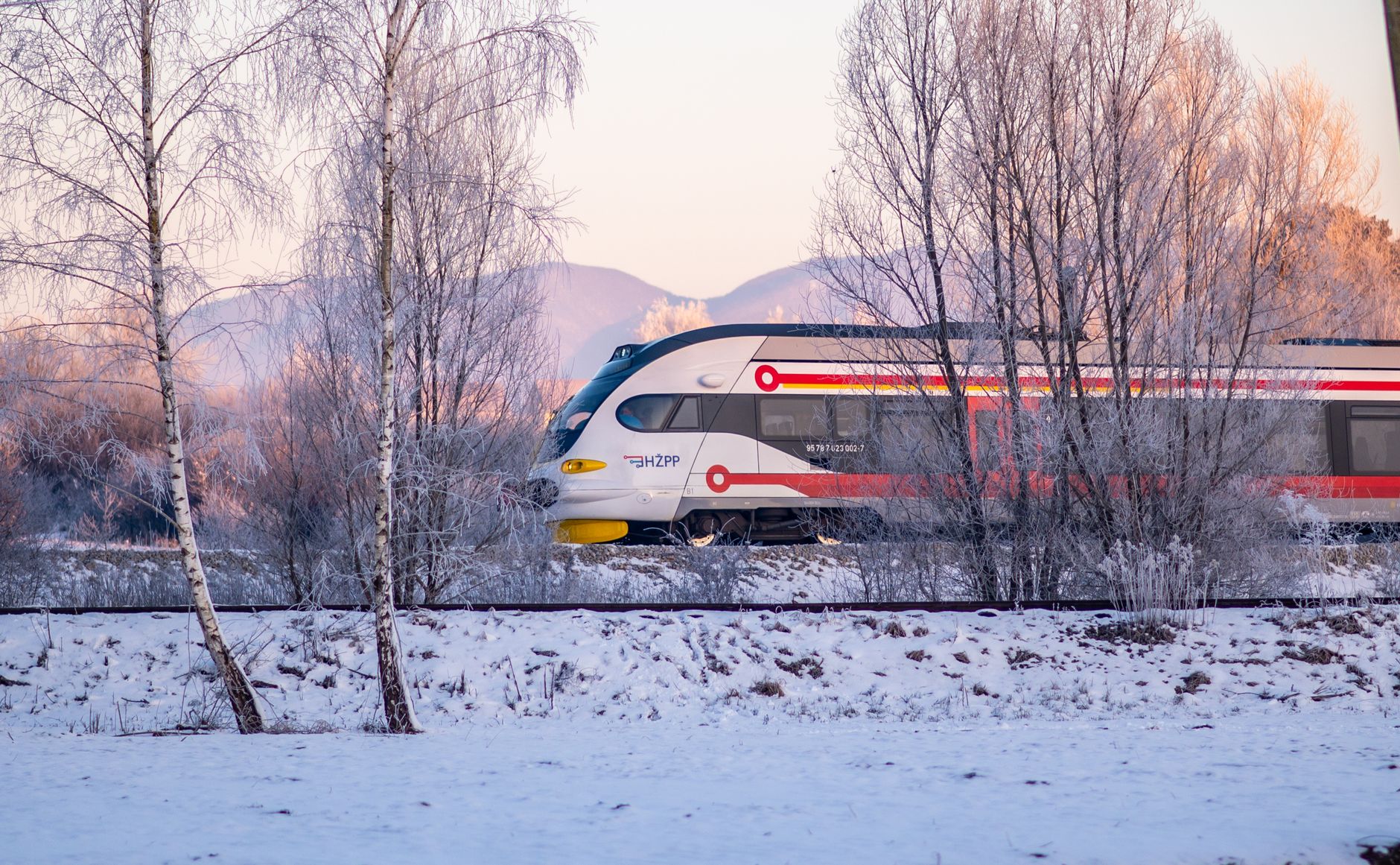
A guide to rail journeys where the window view outshines a flight, from Alpine panoramas to Canadian mountains, plus practical tips for planning winter train travel.
Flying is quick, but you see almost nothing of the land you cross. A train is the opposite. It moves at a pace where valleys, rivers, forests and small towns slide past your window, and the journey itself becomes the destination. Several routes around the world are famous for exactly this reason, and winter can make them even more striking, with snow on the peaks, low golden light and quieter carriages.
This guide covers a selection of rail journeys known for their scenery, what makes each one special, and how to plan winter travel by train sensibly. Timetables, fares, seasonal schedules and service patterns change, so treat the details here as a starting point and confirm with the operator before you book.
Why choose a train over a plane
The case for the train is not only about views. Consider what you gain:
- Scenery. Windows are large, and the route follows the landscape instead of crossing above it.
- Comfort and space. You can stand, walk to a dining car, and move about during the journey.
- City to city convenience. Stations are usually in the centre of town, which saves the transfer time and cost of an out-of-town airport.
- Lighter environmental footprint. On many routes, rail has a lower carbon impact per passenger than flying, though this varies by route and train type.
- A slower pace. There is time to read, write, talk or simply watch.
The trade-offs are real too. Trains can take longer, sleeper services need planning, and some scenic routes run only seasonally or on limited days. Be honest about whether you have the time, then choose accordingly.
Switzerland: the Glacier Express and Bernina Express
Switzerland is the natural starting point for scenic rail because so much of its network is designed to show off the Alps.
The Glacier Express links resorts in the Swiss Alps, typically running between the Zermatt area and St. Moritz, passing through valleys, over high viaducts and through a number of tunnels. It is often called the slowest express train in the world, and that slowness is the appeal. Panoramic carriages give wide views of snow-covered slopes in winter.
The Bernina Express crosses the Bernina Pass and links the Swiss Alps with northern Italy, with a route that includes dramatic gradients and a famous curving viaduct near Brusio. It is recognised as a UNESCO World Heritage railway landscape. The route rises to high altitude, which makes winter views especially atmospheric.
Planning tips:
- Seat reservations are often required on the premium panoramic services.
- Winter weather can affect services, so allow slack in your plan.
- Regional trains along similar lines can be cheaper and almost as scenic, though without the panoramic windows.
- A Swiss rail pass may suit some itineraries, but compare it with point-to-point tickets for your actual route.
Norway: the Bergen Line and the Flam Railway
Norway offers rail travel that feels truly Nordic in winter. The Bergen Line runs between Oslo and Bergen, crossing the Hardangervidda plateau, one of the highest mountain plateaus in northern Europe. In winter the landscape can be a vast white expanse, and the train passes through snowfields where little else exists.
A branch trip on the Flam Railway descends steeply toward the Aurlandsfjord, with steep gradients and views of waterfalls and mountainsides. Operating patterns in winter may be reduced compared with summer, so check what runs when you visit.
If you want to see the winter lights, remember that the aurora is mostly seen farther north, so this route is more about snow, mountains and fjords than about northern lights.
Scotland: the West Highland Line
The West Highland Line runs from Glasgow toward Fort William and Mallaig, and is often named among the great railway journeys of the world. It crosses Rannoch Moor, runs beside lochs and mountains, and includes the Glenfinnan Viaduct, familiar to many people from films. In winter, the moor can be bleak and beautiful, with snow on the hills and dramatic skies.
The line is operated by regular scheduled services, so you can ride it without a special ticket, and you can break the journey at small stations to walk or stay overnight. Winter days are short, so check daylight hours when deciding which service to take, as you want to see the scenery rather than the dark.
Canada: the Rocky Mountaineer and Canadian mountain routes
In western Canada, the Rocky Mountaineer is a luxury tourist train that runs through the Canadian Rockies and the coastal mountains, typically between Vancouver and destinations such as Banff, Jasper or Kamloops. The company runs daytime services so passengers can see the scenery, and stays overnight in hotels rather than on board.
Its schedule is largely seasonal, with winter runs limited, so check which routes operate in the colder months. VIA Rail's long-distance services, including the route between Toronto and Vancouver, offer a different experience, with many hours of forests, lakes and prairies. Long-distance trains can run late, so build in flexibility.
United States: the Coast Starlight and California Zephyr
Amtrak's Coast Starlight runs along the West Coast, linking cities such as Seattle, Portland, San Francisco area and Los Angeles, and includes stretches near the Pacific coast. The California Zephyr runs between the Chicago area and the San Francisco Bay Area, crossing the Rocky Mountains and the Sierra Nevada. Winter views of snow-covered mountains can be spectacular.
Long-distance American trains are better treated as an experience than a fast way to travel. Delays are possible, particularly in winter weather, and sleeper accommodation books out in advance. Check Amtrak's official site for current schedules and conditions.
Japan: the Shinkansen and scenic regional lines
Japan's high-speed rail is known for punctuality and comfort rather than slow scenery, but it still offers memorable views. On clear days, travellers on the Tokaido line between Tokyo and Kyoto or Osaka may catch sight of Mount Fuji, usually from the right side of the train when travelling west, though it depends on weather and season.
For slower scenery, regional lines through the Japanese countryside offer snow-laden villages and hot-spring towns. Winter in northern Japan can be heavily snowy, and local services run through landscapes that few visitors see. Rail passes for foreign visitors have changed over time, so check what is currently available.
Other routes worth considering
- The Trans-Siberian Railway. A very long journey across Russia with a stretch of famous scenery. Travel conditions and advisories change, so check official government travel advice before considering this route.
- Sri Lanka's hill country line. The route between Kandy and Ella is popular for tea plantations and misty hills.
- Peru's Andean routes. Trains toward Machu Picchu cross high mountain scenery, though they are more about access than a long scenic ride.
- The Settle-Carlisle Line in England. A line across the Yorkshire Dales and Pennines with famous viaducts, running year-round.
- Italy's Cinque Terre and coastal lines. Short but pretty, with sea views on parts of the route.
Planning a winter rail trip
Winter changes how you plan. Think about these points:
- Daylight. Short days limit the time you can see the scenery. Pick daytime services for the best views.
- Weather risk. Snow, ice and storms can delay or cancel trains, particularly in mountain regions. Leave generous buffers between connections, and avoid tight same-day plans with flights.
- Seasonal timetables. Some scenic and tourist services are summer only, so verify winter operation.
- Booking early. Panoramic seats, sleeper berths and holiday-period trains sell out well ahead.
- Dress warmly. Stations can be cold and exposed, and some older carriages are not well heated.
- Seat choice. Sit on the side with the best view where you can. Route guides often suggest which side faces the scenery, though this depends on direction.
Packing for the train
Keep it light and practical:
- A warm layer and a hat for station platforms.
- A power bank, since not all carriages have sockets.
- Snacks and a refillable bottle, in case the dining car is closed or crowded.
- A book, downloaded entertainment, or a notebook for the quiet stretches.
- A camera or phone with a clean lens, and a cloth to wipe windows or reduce glare.
Photographing through glass is easier if you press the lens close to the window and shade it with your hand or jacket to cut reflections.
Combining trains with other transport
Sometimes the smartest plan is a mix. You might fly into a major city, then take a scenic train to your final destination. Or you could take a train one way and a short flight back if time is limited. Do not feel you have to take rail for every leg. The goal is to include the scenic part you value most.
Frequently asked questions
Is the train always cheaper than flying? Not always. Premium scenic trains and sleeper berths can cost more than a budget flight. Regional trains are often cheaper, and booking early helps. Compare the total cost, including transfers to airports.
Do I need to book scenic trains in advance? For popular and premium services, yes, particularly in winter holiday periods. Regular scheduled services may allow last-minute purchase, but seats can still sell out.
Are scenic trains accessible for travellers with limited mobility? Many modern services offer accessibility features, but older or historic trains may not. Contact the operator before booking to confirm what is available.
What if my train is delayed? Check the operator's policy and any travel insurance you hold. Build in extra time, particularly if you have onward connections.
Summary
Scenic trains reward travellers who value the journey as much as the arrival. Switzerland's Alpine lines, Norway's mountain routes, the Scottish Highlands, the Canadian Rockies and American long-distance trains each offer windows onto landscapes you could never see from a plane. Winter adds beauty but also risk, so choose daylight services, confirm seasonal schedules, book early and leave slack for delays. Always verify timetables and fares with the operator before you commit, and pick one route that suits your time and budget. Sometimes the slower way really is the better one.
More pictures


Tags
Share this guide
We may earn a commission if you click a link and buy a product or service, at no extra cost to you. How affiliate links work.
Been there?