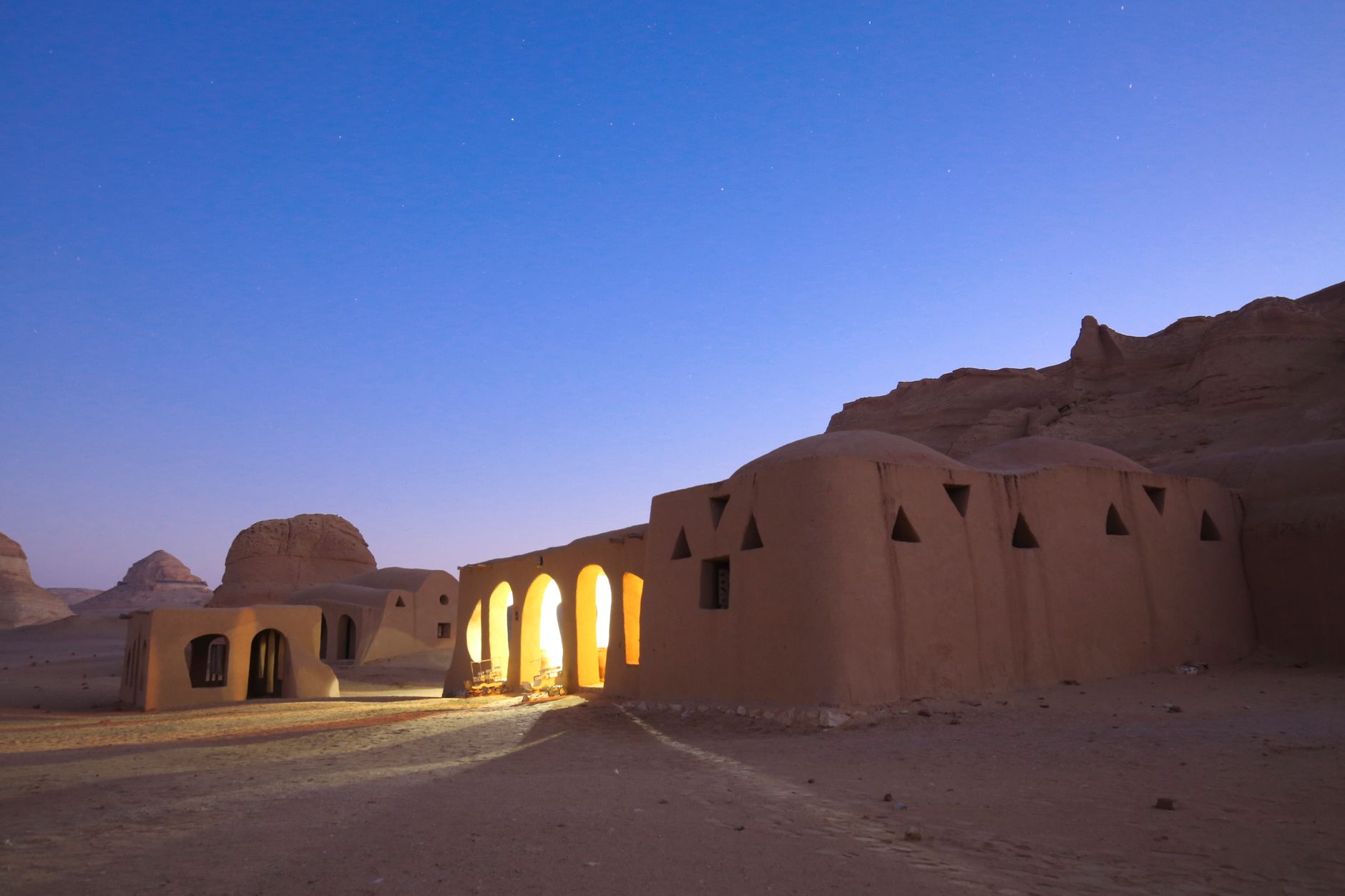
Tired of sterile hotel spas with lukewarm saunas and elevator music? Step into the dark, smoky, and deeply transformative world of authentic steam purification. From the volcanic highlands of Mexico to the pine-scented forests of Scandinavia, here is your ultimate, no-nonsense guide to the best traditional sweat lodge experiences right now—and how to experience them with deep cultural respect. ---
The Hook: A Symphony of Sage, Stone, and Shadow
I stepped off the dusty, red-dirt track in the high desert of Taos, New Mexico, and immediately smelled it: the sharp, resinous tang of burning piñon pine mixed with the sweet, earthy aroma of white sage. The sun was dipping below the canyon rim, painting the sky in bruised shades of violet and gold.
Before me stood a low-slung, dome-shaped structure made of bent willow branches and heavy canvas blankets. This was no luxury resort sauna. This was an Inipi—a traditional Lakota sweat lodge.
Inside, the darkness was absolute. When the fire keeper brought in the first wave of grandmothers—volcanic rocks heated in a sacred fire until they glowed cherry-red—the heat hit my chest like a physical weight. The water pourer splashed an infusion of cedar water onto the stones. The resulting hiss was deafening, and a wave of superheated, fragrant steam enveloped us.
In that pitch-black dome, stripped of my phone, my watch, and my ego, I didn't just sweat; I underwent a profound physical and mental reset.
As travelers search for deeper, more authentic ways to unplug, traditional sweat lodge experiences right now are seeing a massive resurgence. But you cannot simply walk into these sacred spaces unprepared.
Here is your definitive, insider guide to navigating the world’s most powerful sweat traditions with respect, safety, and soul.
---
1. The Temazcal of Oaxaca, Mexico: Entering the Earth's Womb
If you are looking for a sweat experience that is as much a psychological journey as a physical detox, the Mesoamerican temazcal (from the Nahuatl word temāzcalli, meaning "house of heat") is unparalleled.
``` ___________ / \ / \ | (O) | <-- The dome represents the womb of Mother Earth | / \ | |___/_____\_____| ```
The Architecture of the Womb
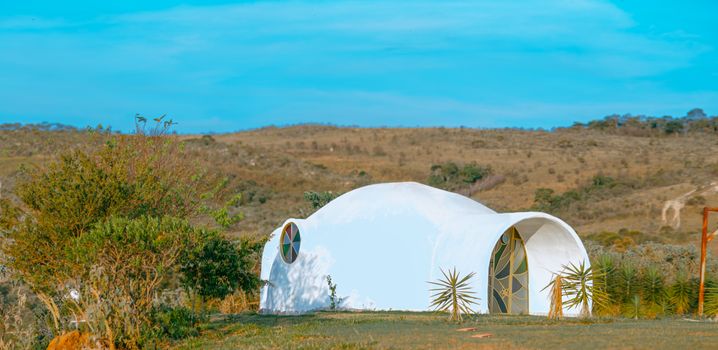
Unlike the wooden saunas of Europe, a traditional Oaxacan temazcal is a circular dome built from volcanic rock, brick, or adobe. It is purposely constructed with a low ceiling and a tiny entrance. You must crawl inside on your hands and knees. This physical act of bowing is symbolic: you are shedding your pride and entering the womb of Mother Earth (Pachamama) to be reborn.
The Ritual and the Herbs
Inside, the temazcalera (female shaman or healer) guides the ceremony. She doesn't just pour water on rocks; she orchestrates an elemental symphony. She will use a bundle of fresh, bruised medicinal herbs—typically rosemary, basil, and pericón (wild Mexican tarragon)—to sweep over your body, releasing essential oils that mix with the steam to clear your respiratory tract and soothe aching muscles.
- The Scent Profile: Intense copal resin (a pine-like incense), damp earth, and warm rosemary.
- The Vibe: Intimate, maternal, and deeply emotional. It is highly common for participants to cry or release pent-up stress during the chanting phases.
> Pro-Tip: Avoid the mass-produced "temazcals" offered by mega-resorts in Cancun. Instead, head to the valley of Tlacolula in Oaxaca. The hidden entrance to the most authentic local healer, Doña Maria, is behind the blue wooden gate next to the village chapel. Ask a local mototaxi driver to take you to "El Temazcal de la Capilla."
---
2. The Lakota Inipi of North America: The Sacred Breath
The Inipi is one of the seven sacred rites of the Lakota people. It is a purification ceremony designed to restore balance, heal illness, and connect the participant with Wakan Tanka (the Great Mystery).
The Four Doors
An Inipi ceremony is structured around four distinct rounds, or "doors." Each time the door of the lodge is opened to bring in more hot stones, a new direction (East, South, West, North) is honored with specific prayers, songs, and medicine.
- Round 1 (East): Focuses on new beginnings and physical health.
- Round 2 (South): Focuses on youth, growth, and emotions.
- Round 3 (West): Focuses on the ancestors, introspection, and letting go.
- Round 4 (North): Focuses on wisdom, endurance, and gratitude.
Strict Protocols to Remember
This is not a spa treatment; it is a highly religious ceremony.
- Modesty is mandatory: Men wear long swim trunks or board shorts; women wear loose, breathable cotton dresses or long skirts that cover the shoulders and knees.
- No metal: Remove all jewelry, piercings, and glasses. Metal will absorb the extreme heat and literally brand your skin.
- The Offering: It is customary to present the fire keeper or water pourer with a gift of organic, loose-leaf tobacco (canupa) wrapped in a small cloth pouch as a sign of respect.
---
3. The Arctic Bastu of Swedish Lapland: Fire and Ice
If the North American and Mexican sweat lodges focus on spiritual introspection, the Scandinavian Bastu (sauna) is a masterclass in physical endurance, circulation, and communal bonding.
``` [ Wood-Fired Stove ] ---> (Infuses Birch Steam / "Löyly") │ ▼ [ 90°C / 194°F Bastu Dome ] │ ▼ (The Shock Protocol) [ 0°C / 32°F Frozen River Plunge ] ```
The Fire and the Ice
In the sub-zero winters of Swedish Lapland, the bastu is the beating heart of the community. The traditional wood-fired stove is loaded with birch logs, which emit a sweet, clean, woody scent.
The magic happens when you transition from the intense dry heat of the wood-fired room directly into a hole cut into a frozen river.
- The Science: This extreme contrast triggers a massive release of adrenaline and endorphins, instantly reducing inflammation and leaving you with a euphoric "sauna high" that lasts for hours.
- The Vihta: Do not be alarmed if locals begin beating themselves (and you!) with wet birch twigs (vihta). This ancient practice stimulates circulation and acts as a natural exfoliant.
> Pro-Tip: Visit the historic Bastu of Jokkmokk at 8:00 AM. This is when the local fire master finishes stoking the stove with seasoned birch wood, yielding the cleanest, sweetest steam of the day before the crowds arrive.
---
4. Crucial Etiquette: How Not to Be a "Spiritual Tourist"
Participating in traditional sweat lodge experiences right now requires a high level of cultural humility. These are living traditions that indigenous communities have fought to preserve for centuries.
- Listen More Than You Talk: When you enter a lodge, sit quietly. Let the leader set the tone.
- Do Not Take Photos: Leave your phone in your locker or vehicle. Taking photos inside or even outside a sacred lodge is highly disrespectful.
- Listen to Your Body: The heat inside an authentic lodge can reach up to 120°F (49°C) with high humidity. If you feel dizzy, lightheaded, or panicked, lay your face close to the ground where the air is cooler. If you absolutely must leave, wait until the transition between rounds and say, "All my relations" (in an Inipi) or ask the temazcalera respectfully.
- Hydrate Early: Do not chug water right before entering; you will feel bloated and nauseous. Start doubling your water intake 24 hours prior to the ceremony.
---
5. The Physical & Mental Science: Why It Works
Why are people flocking to traditional sweat lodge experiences right now? Because the health benefits are backed by modern clinical science.
- Heat Shock Proteins (HSPs): Extreme heat exposure triggers the release of HSPs, which repair damaged proteins in your cells, boost immune function, and promote muscle recovery.
- Mitochondrial Health: Regular heat therapy stimulates mitochondrial biogenesis—essentially upgrading your body's cellular power plants.
- Vagus Nerve Stimulation: The combination of rhythmic chanting, deep breathing in the dark, and cold plunges stimulates the vagus nerve, shifting your nervous system from a sympathetic "fight-or-flight" state into a parasympathetic "rest-and-digest" state.
---
6. Quick Facts & Logistics
| Destination | Ceremony Type | Estimated Cost ($ USD) | Best Time to Visit | How to Get There | | :--- | :--- | :--- | :--- | :--- | | Oaxaca, Mexico | Temazcal | $45 - $80 | October to May (Dry Season) | Fly to OAX, take a local collectivo taxi to Tlacolula valley. | | Taos, New Mexico | Lakota Inipi | Donation-based ($20-$50 custom) | Year-round (Autumn is magical) | Fly to Albuquerque (ABQ), drive 2.5 hours north on US-285. | | Jokkmokk, Sweden | Arctic Bastu | $30 - $60 | December to March (Deep Winter) | Fly to Luleå (LLA), take the scenic Arctic train line north. | | Lake Atitlán, Guatemala | Mayan Tz'utujil Sweat | $25 - $50 | November to April | Fly to Guatemala City (GUA), take a shuttle to Panajachel, then a lancha boat to San Marcos. |
---
What to Pack Checklist
- [ ] Loose, breathable cotton clothing (for indigenous ceremonies)
- [ ] A large cotton towel (to sit on and dry off with)
- [ ] An insulated water bottle (filled with electrolyte-rich water for afterward)
- [ ] A dry change of clothes (you will be completely drenched)
- [ ] Cash for donations/tips (many traditional healers do not accept cards)
---
The Verdict: Sweat Equity is the Ultimate Luxury
In a world saturated with digital noise, artificial lighting, and curated wellness trends, traditional sweat lodge experiences offer something raw, real, and ancient. It is a space where you cannot hide behind your screen or your status.
When you crawl out of that dark dome, gasping for the cool night air, with your skin glowing and your mind completely silent, you realize that the greatest luxury isn't a five-star resort—it is the simple, profound act of coming back to life.
---
More pictures
Tags
Share this guide
We may earn a commission if you click a link and buy a product or service, at no extra cost to you. How affiliate links work.
Been there?