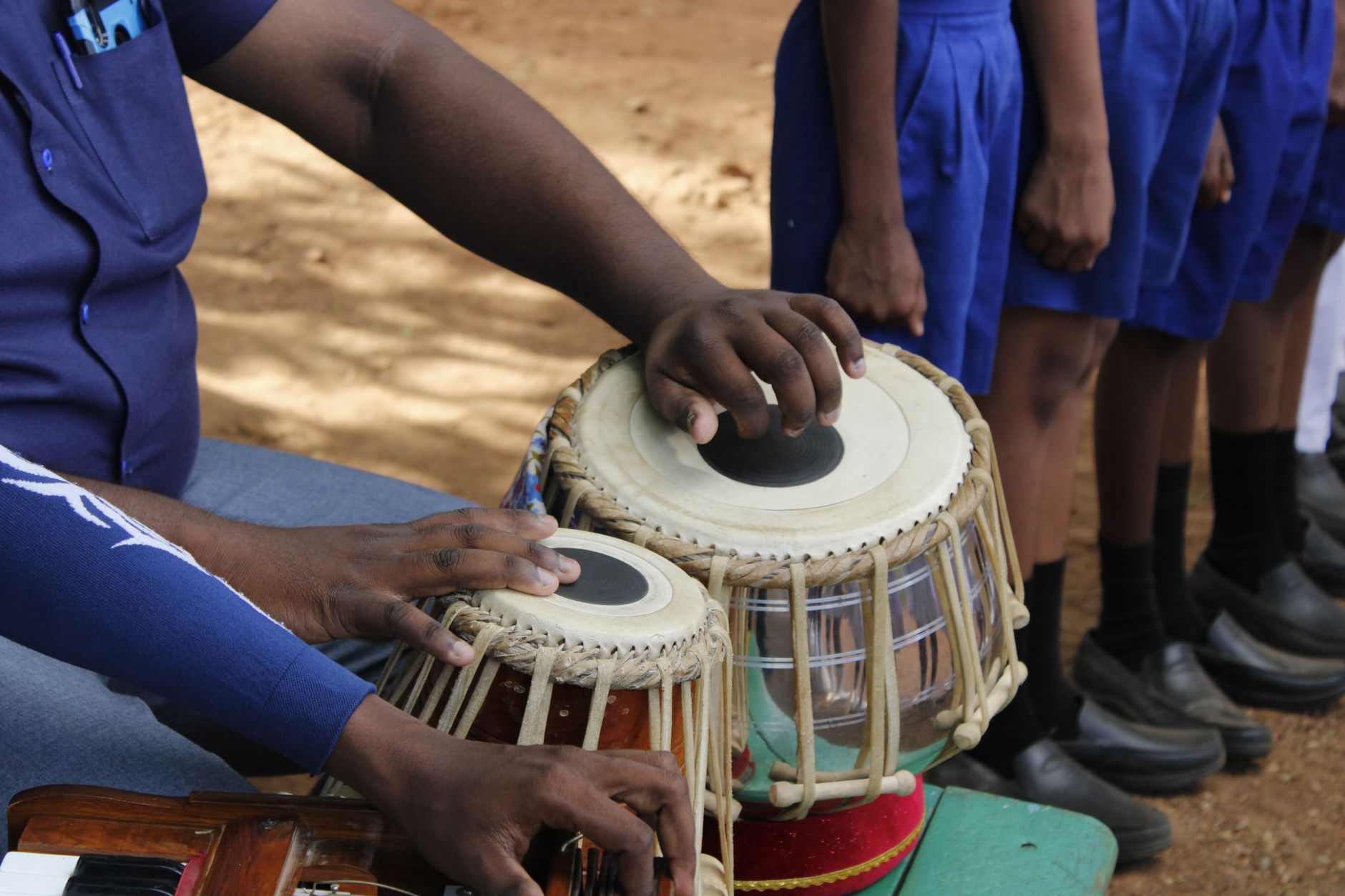
Imagine learning a centuries-old melody directly from a living legend, their wisdom flowing through their fingers into your very soul. This isn't just a lesson; it's an immersive journey into the heart of a culture, a transformative experience you absolutely need to add to your bucket list. ---
The first time I truly felt music wasn't in a grand concert hall, but in a dimly lit, smoky tablao in Seville. A Flamenco guitarist, his face etched with passion, poured his soul into every strum, every rapid rasgueado. His fingers danced across the strings, weaving stories of joy, sorrow, and defiance that transcended language. I remember thinking, "This isn't just music; it's the heartbeat of a people." In that moment, something shifted within me. I realized that to truly understand a culture, you need to feel its rhythm, hear its melodies, and ideally, learn to play its music from those who carry its ancient wisdom.
We live in an age of instant gratification, where algorithms feed us curated playlists and virtual reality offers simulated experiences. But some things, truly profound things, demand presence, patience, and a willingness to connect on a deeper, human level. Learning traditional music from a true master is one such experience. It's a pilgrimage, a cultural immersion, and a personal awakening all rolled into one. It’s about more than just hitting the right notes; it’s about understanding the stories, the history, the spirituality, and the very soul of a people through their sonic heritage.
These are not your average online tutorials. These are opportunities to sit at the feet of living legends, to absorb their knowledge, their technique, and their spirit. Many of these traditions are passed down orally, generation to generation, making direct instruction an irreplaceable treasure. The masters themselves are often the last custodians of ancient forms, and learning from them is not just an education but an act of preserving a precious piece of humanity's artistic tapestry.
So, pack your bags, tune your ears, and prepare your soul. Here are some of the most profound traditional music lessons from masters you absolutely need to experience before you die.
1. The Flamenco Fire: Learning Guitar & Cante in Andalusia, Spain
The Experience: There’s nothing quite like the raw, passionate energy of Flamenco. Born from the diverse cultural melting pot of Andalusia – Moorish, Jewish, and Roma influences – Flamenco is a complex art form encompassing cante (singing), toque (guitar playing), and baile (dance). Learning Flamenco isn't just about chords; it's about understanding compás (rhythm), duende (a heightened state of emotion), and the profound storytelling embedded in every note and vocal cry.
My own journey into Flamenco began in Seville. I signed up for a week of intensive guitar lessons at a local academy, but the real magic happened when I managed to secure a few private sessions with Maestro Ricardo, an older gentleman with hands like gnarled oak roots and eyes that twinkled with ancient knowledge. He didn’t just teach me finger patterns; he taught me feeling.
"The guitar," he'd say, "is not just wood and strings. It is your voice. It sings the history of our people." We'd start each lesson with a cup of strong coffee, him humming a bulería as I stumbled through basic falsetas. He’d correct my posture, the angle of my wrist, the very way I breathed. One afternoon, after countless repetitions, I finally nailed a complex rasgueado pattern. Maestro Ricardo simply nodded, a slow smile spreading across his face. "Bien," he murmured, "Now, you begin to speak." It felt like a true initiation.
Where to Go & How to Find a Master:
- Seville & Granada, Spain: These cities are the heartlands of Flamenco.
- Schools:
- Fundación Cristina Heeren de Arte Flamenco (Seville): Offers intensive courses for all levels. A fantastic place to start and connect with the local scene.
- Carmen de las Cuevas (Granada): Located in the historic Albaicín, this school offers guitar, dance, and singing lessons with experienced teachers.
- Private Tutors: Often found through local music shops, tablaos, or by asking at schools. Look for masters who still perform or have a strong lineage.
- Price Range: Group lessons can be €20-€40 per hour. Private lessons with a respected master can range from €50-€150 per hour.
- Tips: Attend as many live Flamenco shows (tablaos) as possible. Observe the guitarists closely, feel the rhythm, and don't be afraid to ask for recommendations from locals. Learning basic Spanish will significantly enhance your experience.
Instagram Moment: A close-up of your hands on a Flamenco guitar, blurring as they move through a rasgueado, with a backdrop of a sun-drenched Andalusian courtyard. #FlamencoLessons #AndalusiaMusic #Duende
2. Echoes of the Himalayas: Sitar & Tabla in Varanasi, India
The Experience: Indian classical music is a profound spiritual discipline, a journey into sound that aims to elevate the listener and the performer. The Sitar, with its resonant sympathetic strings, and the Tabla, with its intricate percussive language, are iconic instruments that embody this rich tradition. Learning them is an exercise in patience, meditation, and deep listening.
My time in Varanasi, the spiritual capital of India, was a whirlwind of sensory input: the scent of incense, the chanting from the ghats, the vibrant colors of saris. But it was the ethereal sound of the Sitar that truly called to me. I found myself drawn to a small music school near Assi Ghat, run by Pandit Ravi, a gentle man whose lineage stretched back generations of musicians.
Lessons began before sunrise, as the first rays of light touched the Ganges. Sitting cross-legged, I'd try to mimic his delicate meends (bends) and rapid jhala (fast rhythmic patterns). The Sitar is deceptively challenging, requiring immense finger strength and precision, not to mention an understanding of complex ragas (melodic frameworks) and talas (rhythmic cycles). Pandit-ji taught me that each note, each phrase, had a specific emotion, a spiritual significance. He emphasized listening to the silence between the notes, the space where true music resides. It was a humbling, deeply meditative experience that taught me as much about myself as it did about music.
Where to Go & How to Find a Master:
- Varanasi, India: The spiritual heartland, with numerous music schools and gurus. Kolkata and Delhi also have strong traditions.
- Schools/Gurus:
- International Music Centre Ashram (Varanasi): Reputable school offering lessons in various instruments, often with living arrangements.
- Gurus near Assi Ghat: Wander around the Assi Ghat area in Varanasi and you'll find many small schools and individual teachers. Ask around for recommendations.
- Price Range: Daily private lessons can range from INR 500-2000 per hour, often with discounts for longer commitments.
- Tips: Be prepared for a different teaching style – often less structured than Western methods, relying heavily on observation and repetition. Patience is paramount. Bring a notebook to jot down sargam (notation) and concepts. Embrace the early mornings and the chai.
Instagram Moment: You, sitting cross-legged with a Sitar, framed by the soft glow of a Varanasi sunrise over the Ganges, a sense of serene concentration on your face. #IndianClassicalMusic #SitarLessons #VaranasiVibes
3. Zen & Bamboo: Mastering the Shakuhachi in Kyoto, Japan
The Experience: The Shakuhachi, a Japanese end-blown bamboo flute, is more than just an instrument; it's a tool for Zen meditation. Its haunting, ethereal tones are deeply connected to nature and the pursuit of spiritual enlightenment. Learning the Shakuhachi is a journey into breath control, mindfulness, and the profound beauty of simplicity.
My fascination with the Shakuhachi led me to Kyoto, a city where ancient traditions still breathe amidst modern life. I was fortunate to find Sensei Hiroshi, a master who taught in a small, traditional dojo nestled amongst quiet temples. Sensei Hiroshi was a man of few words but immense presence. He taught me that the Shakuhachi is not played with the fingers, but with the breath, with the kokoro (heart-mind).
The initial lessons were frustrating. Producing any sound at all from the simple bamboo tube was a challenge, let alone the nuanced, breathy tones characteristic of the instrument. Sensei Hiroshi would sit opposite me, silently demonstrating, his eyes closed in concentration, the sound flowing effortlessly from his flute. He taught me komibuki (a powerful, deep breath) and muraiki (a breathy, unfocused tone), emphasizing that the imperfections were part of the beauty. It wasn't about perfect pitch, but about expressing the moment, the wind, the rustle of leaves. It was a lesson in humility and the profound power of a single breath.
Where to Go & How to Find a Master:
- Kyoto & Tokyo, Japan: Both cities have dedicated Shakuhachi schools and individual teachers.
- Schools/Teachers:
- International Shakuhachi Training Center (ISTC) (Kyoto): Offers workshops and private lessons with renowned masters.
- Japan Shakuhachi Association: Can provide contacts for teachers across Japan.
- Price Range: Private lessons can range from JPY 4000-8000 per hour. Buying a quality Shakuhachi can be an investment (JPY 50,000+).
- Tips: Be prepared for a steep learning curve, especially with breath control. Embrace the meditative aspect of the practice. Japanese etiquette is crucial – show respect for your teacher and the tradition.
Instagram Moment: You, seated in a serene Japanese garden or a traditional tatami room, holding a Shakuhachi, eyes closed in concentration, with soft, natural light illuminating the scene. #Shakuhachi #ZenMusic #KyotoTraditions
4. The Craic & the Fiddle: Traditional Irish Music in Doolin, Ireland
The Experience: Irish traditional music is the sound of community, joy, and resilience. From lively reels and jigs to mournful slow airs, it's music meant to be shared, often in the cozy, convivial atmosphere of a pub session. Learning the Irish fiddle (or tin whistle, or bodhrán) isn't just about technique; it's about learning the tunes by ear and becoming part of a living, breathing tradition.
My trip to Doolin, a tiny village on Ireland’s wild west coast, felt like stepping into a postcard. Famous for its vibrant music scene, I knew this was where I wanted to learn the fiddle. I met Fiona O'Malley, a fiery-haired woman with a laugh as infectious as her fiddle playing. She taught out of her small cottage, the scent of turf smoke always in the air.
Fiona didn't use sheet music much; "The tunes are in your head, love, and in your heart," she'd say. We learned by ear, phrase by phrase, often with her singing the melody first. She taught me about the subtle ornamentation – the rolls, cuts, and triplets – that give Irish music its distinctive character. But the real lessons happened in the evenings, at Gus O'Connor's Pub. I'd sit nervously with my fiddle, listening, trying to pick out the melodies, until Fiona would nudge me, "Go on, then, give us a tune!" The first time I joined a session, even just for a few hesitant notes, the warmth of the community, the shared smiles, and the foot-tapping energy were utterly intoxicating. It wasn't about perfection; it was about participation.
Where to Go & How to Find a Master:
- Doolin, County Clare, Ireland: A mecca for traditional Irish music. Also consider Galway, Ennis, or even Dublin.
- Teachers/Workshops:
- Doolin Music House: Offers immersive music and accommodation packages.
- Local Pubs: Many musicians offer private lessons. Ask the publican or musicians at sessions for recommendations.
- Festivals: Attending a traditional music festival (like the Fleadh Cheoil) is a great way to meet musicians and find teachers.
- Price Range: Private lessons can be €30-€70 per hour.
- Tips: Learn a few basic tunes before you go. Be prepared to learn by ear. Embrace the pub culture – it's an integral part of the learning experience. Don't be shy; Irish musicians are generally very welcoming.
Instagram Moment: You, beaming, holding an Irish fiddle in a cozy pub, surrounded by fellow musicians, a pint of Guinness on the table, and a blurred backdrop of a lively session. #IrishTrad #FiddleLessons #DoolinMusic
5. Spirit of the Islands: Balinese Gamelan in Ubud, Indonesia
The Experience: Gamelan, the traditional ensemble music of Indonesia, particularly Bali and Java, is a mesmerizing, communal art form. Composed primarily of percussion instruments – gongs, metallophones, drums – it creates intricate, shimmering layers of sound that are deeply interwoven with Balinese dance, drama, and religious ceremonies. Learning Gamelan isn't about individual virtuosity; it's about finding your place within the collective, contributing to a unified, hypnotic whole.
My initial encounter with Gamelan in Ubud, Bali, was overwhelming. The sheer number of instruments, the complex interlocking patterns, the powerful resonance – it was unlike anything I had ever heard. I sought out a local cultural center and was introduced to Pak Wayan, a cheerful, patient teacher who led a community Gamelan group.
Lessons were held outdoors, under the shade of frangipani trees, the air thick with the scent of incense. We sat on mats, surrounded by the ornate instruments, each one a work of art. Pak Wayan taught us the basic patterns of the gangsa (bronze metallophone), emphasizing the importance of listening to the other players. "You are not alone in the music," he'd explain. "You are one thread in a beautiful tapestry." The challenge was to play your part precisely, yet flexibly, constantly adjusting to the other players, creating a wave of sound that ebbed and flowed. There were moments of pure synchronicity, where the individual instruments melted away, and a single, magnificent sound emerged. It was a profound lesson in collaboration and the beauty of collective creation.
Where to Go & How to Find a Master:
- Ubud, Bali, Indonesia: The cultural heart of Bali, with numerous dance and music schools.
- Schools/Cultural Centers:
- Agung Rai Museum of Art (ARMA) (Ubud): Offers Gamelan workshops and classes.
- Pondok Pekak Library & Learning Centre (Ubud): Another great resource for various Balinese arts, including Gamelan.
- Local Banjar (community centers): Many villages have their own Gamelan groups. Ask locals for recommendations.
- Price Range: Group workshops can be IDR 100,000-300,000 per session. Private lessons might be slightly higher.
- Tips: Be open to group learning. The focus is on the ensemble, not individual performance. Embrace the spiritual and cultural context of the music. You might also find opportunities to learn Balinese dance alongside the music.
Instagram Moment: A vibrant shot of various ornate Gamelan instruments, with you and fellow students focused on playing, surrounded by lush Balinese greenery. #GamelanBali #UbudCulture #IndonesianMusic
6. The Griot's Harp: The Kora in Gambia & Senegal
The Experience: The Kora, a 21-string harp-lute unique to West Africa, is the voice of the griots – the hereditary storytellers, historians, and musicians of the Mandinka people. Its hypnotic, cascading melodies are used to accompany epic poems, praise songs, and oral histories that have been passed down for centuries. Learning the Kora is a direct link to an ancient oral tradition, a journey into the heart of West African culture.
My desire to learn the Kora led me to The Gambia, a small, vibrant country known for its rich musical heritage. After much asking around in Banjul, I was introduced to Jali Musa, a revered griot from a long line of musicians. He lived in a modest compound, and his Kora, a beautifully crafted instrument made from a calabash gourd and cowhide, seemed an extension of his very being.
Jali Musa’s teaching method was entirely oral, just as it had been for his ancestors. He would play a phrase, and I would attempt to mimic it, often clumsily. The Kora requires delicate finger work, plucking patterns that are both complex and incredibly fluid. He taught me the stories behind the melodies, the history embedded in each rhythm. "The Kora remembers," he'd say, his eyes gleaming. "It remembers our kings, our battles, our love." I spent hours each day practicing, my fingers aching, but my spirit soaring as I felt the ancient vibrations resonate through the instrument. It was a profound honor to be taught by a griot, to feel a tiny connection to the vast tapestry of their oral tradition.
Where to Go & How to Find a Master:
- Banjul, Gambia & Dakar, Senegal: Major cities where you can find established griots and cultural centers. Also explore smaller towns like Farafenni (Gambia) or villages where griots reside.
- Teachers/Griots:
- Word-of-Mouth: This is often the best way to find a genuine griot master. Ask at cultural centers, local markets, or through reputable tour guides.
- Cultural Centers: Some centers may offer connections or workshops.
- Price Range: Highly negotiable. Expect to pay USD 20-50 per hour, but it can vary based on the master's reputation and your commitment. Often, an offering or a gift is also appropriate.
- Tips: Be respectful of the griot tradition and their role in society. Learning some basic Wolof or Mandinka phrases will be invaluable. The Kora is a sacred instrument; treat it with reverence.
Instagram Moment: You, sitting under a large baobab tree or in a vibrant West African courtyard, holding a Kora, receiving instruction from a wise griot, surrounded by the colors and sounds of the local community. #KoraLessons #GriotMusic #WestAfricanCulture
Practical Tips for Your Musical Pilgrimage
Embarking on a journey to learn traditional music from a master is an incredible adventure. Here's how to make the most of it:
- Research Your Master & Tradition: Don't just pick a destination; pick a specific instrument and try to identify respected masters or schools known for teaching it. Read reviews, watch documentaries, and immerse yourself in the music before you even go.
- Learn Basic Phrases: A few words in the local language (especially greetings and polite requests) will go a long way in showing respect and building rapport with your teacher.
- Be Patient & Open-Minded: Traditional teaching methods can differ greatly from Western classroom settings. There might be less emphasis on formal notation and more on observation, repetition, and oral tradition. Embrace the process, even the frustrations.
- Immerse Yourself Culturally: The music is inextricably linked to the culture. Attend local ceremonies, festivals, performances, and simply observe daily life. The more you understand the context, the deeper your musical understanding will be.
- Budget Realistically: Factor in not just lessons, but also instrument rental/purchase, accommodation, food, and local transportation. Some masters might expect a traditional offering in addition to payment.
- Record Your Lessons (with Permission!): This is invaluable for practice later. Always ask your teacher for permission first. A small digital recorder or your phone's voice memo app works wonders.
- Travel Insurance & Health Prep: Standard travel advice, but crucial. Ensure you have comprehensive insurance and any necessary vaccinations.
- Bring a Notebook: Jot down notes, diagrams, and any cultural insights your teacher shares.
- Be Humble & Respectful: You are a guest learning a sacred art form. Show genuine gratitude and respect for your teacher's knowledge and the tradition.
- Share Your Experience: Document your journey! Take photos (respectfully), write in a journal, and share your progress. This not only helps you reflect but also inspires others and helps keep these traditions alive.
Conclusion: The Melody That Stays With You
Learning traditional music from a master isn't just about acquiring a new skill; it's about forging a profound connection – to a culture, to a history, and to a part of yourself you never knew existed. It’s about the feeling of a centuries-old rhythm pulsing through your veins, the sound of ancient stories whispering through your instrument. These are not fleeting tourist experiences; they are transformative journeys that leave an indelible mark on your soul.
In a world that often feels increasingly homogenized, these traditional music forms are vibrant reminders of our shared human creativity and the unique beauty of diverse cultures. To sit with a master, to learn directly from their hands and heart, is to become a small part of a living legacy. It's an experience that transcends language, connects you to humanity's deepest expressions, and will resonate within you long after the final note fades.
So, tell me, which instrument calls to your soul? Which ancient rhythm are you ready to unlock? Share your musical pilgrimage dreams in the comments below! Let's inspire each other to make these extraordinary experiences a reality.
---
More pictures

Tags
Share this guide
We may earn a commission if you click a link and buy a product or service, at no extra cost to you. How affiliate links work.
Been there?