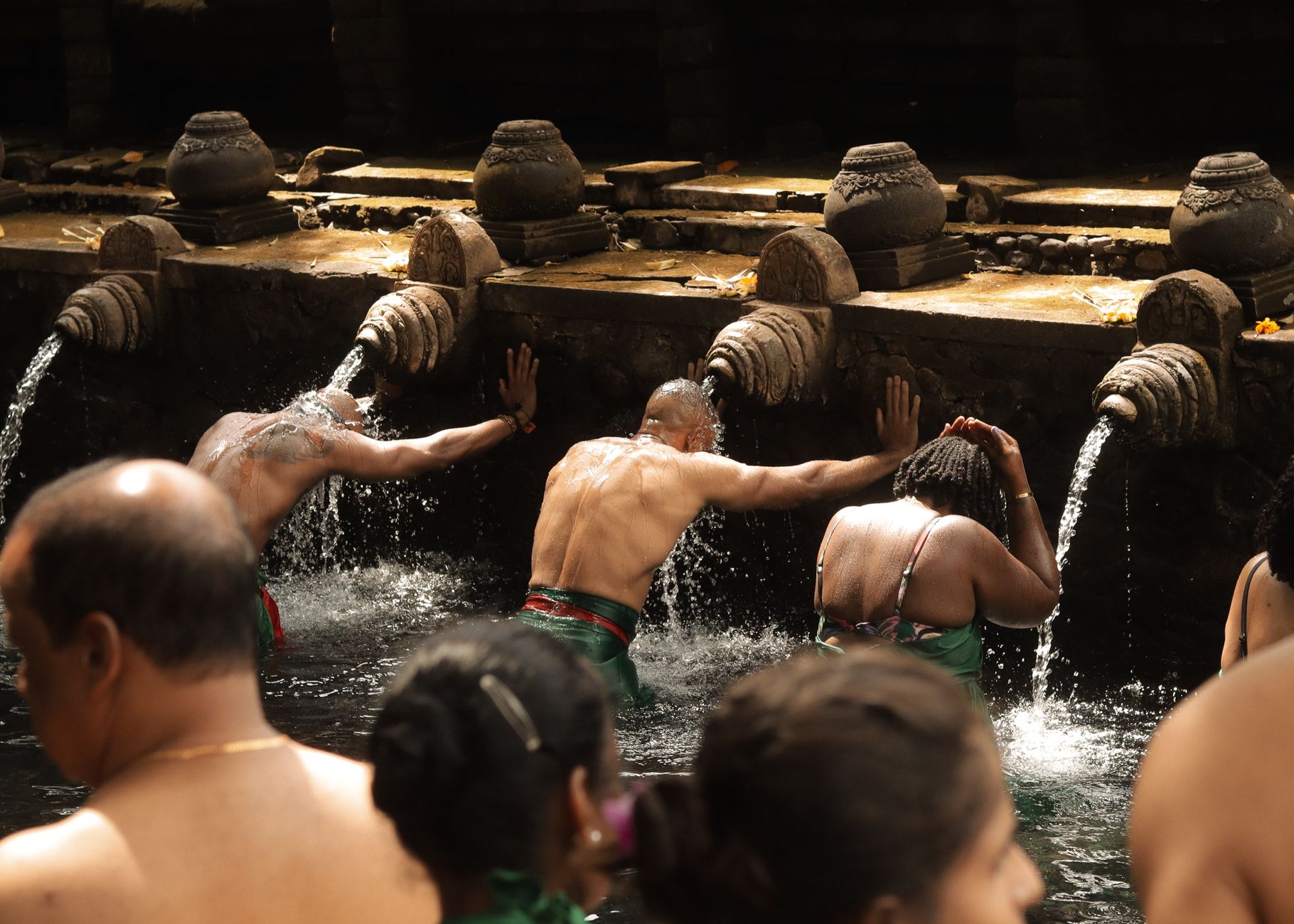
Tired of the same old wellness retreats? Prepare to have your perceptions shattered as we dive into the world of traditional healers who are opening their ancient practices to curious travelers. These profound cultural immersions aren't just about healing the body; they're about igniting the spirit and connecting with wisdom that will truly blow your mind. ---
The air was thick with the scent of frangipani and incense, the rhythmic chant of a gamelan orchestra drifting from a nearby temple. I sat cross-legged on a woven mat, my heart a curious drum, waiting. Days earlier, a persistent, dull ache had settled in my lower back, a souvenir from too many long-haul flights and too much time hunched over a laptop. Conventional remedies offered temporary relief, but I craved something deeper, a true reset. That's when a local friend in Ubud, Bali, whispered a name: "Pak Cokorda, the Balian."
Skeptical yet intrigued, I embarked on a journey that would redefine my understanding of healing. What unfolded in that humble, open-air pavilion wasn't just a massage; it was an energy clearing, a spiritual consultation, and a profound connection to ancient wisdom that rippled through my very being. The ache? It vanished, yes, but more importantly, a lightness settled in my spirit, a feeling of clarity I hadn't realized I was missing.
That experience in Bali wasn't an isolated incident. Across my years of travel, seeking authentic connections and unique insights, I’ve found myself drawn to places where healing isn't just a medical procedure, but a sacred art, deeply woven into the fabric of culture and community. Forget the sterile clinic; these are experiences that engage all your senses, challenge your preconceptions, and leave an indelible mark on your soul.
If you’re ready to step beyond the tourist traps and into the heart of ancient traditions, to discover practices that have sustained communities for centuries, then pack your bags. We’re about to explore five incredible traditional healing traditions that welcome visitors with open arms and wisdom that will absolutely blow your mind.
1. The Balinese Balian – Whispers of Ancestral Wisdom (Indonesia)
My first encounter with Pak Cokorda was pure magic. He was an elderly man with kind eyes and hands that seemed to hum with an unseen energy. He didn't speak much English, but his assistant, a young woman named Kadek, translated his insights. He started by feeling my pulse, then gently massaged my feet, hands, and head. It wasn't just physical touch; I felt shifts within me, like knots unraveling. He then placed various herbs and flowers on my body, chanting softly, his voice a low, soothing drone. Kadek explained he was clearing stagnant energy, inviting positive spirits, and balancing my inner elements.
Balinese Balian (traditional healers) are not just masseurs; they are spiritual guides, herbalists, and energy workers who believe that illness stems from an imbalance between the physical and spiritual worlds. They use a combination of massage, herbal remedies, divination, and ritual to restore harmony. Thanks to books like "Eat Pray Love," Bali's healers have gained global recognition, and many have become accustomed to welcoming international visitors.
What to Expect: A session might include a physical examination, massage, herbal poultices, energy work, spiritual cleansing (melukat), and sometimes even a reading or divination using ancient texts or palmistry. The experience is deeply personal and often involves a sensory feast of scents, sounds, and touch.
How to Find One: The most authentic way is through local recommendations. Ask your guesthouse owner, a trusted driver, or look for community-based wellness centers. Ubud, known as Bali’s spiritual heart, is a hub for Balian. Some reputable wellness resorts also have Balian on staff or can arrange a visit. Always go with a local guide or translator if you don't speak Bahasa Indonesia.
My Personal Tip: Don't go expecting a Western diagnosis or a quick fix. Approach with an open heart and a respectful attitude. Dress modestly (shoulders and knees covered). It's customary to bring a small offering (canang sari) or a donation. Cost: Prices vary depending on the Balian and the session's length/complexity. Expect to pay anywhere from 200,000 IDR to 500,000 IDR (approx. $15-$35 USD) for a session, though some well-known healers might charge more. Always confirm the price beforehand. Instagram-Worthy Moment: The beautiful offerings (canang sari), the serene setting of a traditional Balinese compound, or a photo of the Balian's hands at work (with permission!).
2. Ayurvedic Vaidyas – The Science of Life and Longevity (India & Sri Lanka)
My journey to Kerala, India, wasn't for a scenic backwater cruise; it was for a full immersion into Ayurveda, one of the world's oldest holistic healing systems, dating back over 5,000 years. I checked into a small, family-run Ayurvedic center nestled amidst lush coconut groves. My first consultation with the Vaidya (Ayurvedic doctor) was unlike any medical appointment I'd ever had. She looked at my tongue, felt my pulse in three different places, asked about my diet, my sleep, my emotions, and even my dreams. "You are Vata-Pitta dominant," she declared, explaining my inherent energetic constitution.
Ayurveda, meaning "the science of life," focuses on balancing the three doshas (Vata, Pitta, Kapha) through personalized diet, herbal medicine, massage, yoga, and lifestyle adjustments. It’s a profound system that treats the individual, not just the disease.
What to Expect: A typical Ayurvedic experience begins with a detailed consultation to determine your dosha. Based on this, you'll receive a personalized treatment plan which might include daily oil massages (abhyanga), herbal steam baths (swedana), dietary changes, herbal remedies, and specialized detox therapies like Panchakarma. It's an immersive experience designed to cleanse, rejuvenate, and restore balance.
How to Find One: India (especially Kerala) and Sri Lanka are the epicenters of authentic Ayurveda. Look for reputable Ayurvedic hospitals, wellness resorts, or government-certified centers. Many offer multi-day or multi-week programs. Research thoroughly, read reviews, and ensure they have qualified Vaidyas.
My Personal Tip: Be prepared for a commitment. Ayurveda is not a quick fix; it's a lifestyle shift. Embrace the dietary changes (often vegetarian and specific to your dosha), and allow yourself to truly relax and surrender to the process. The results, though gradual, can be deeply transformative. Cost: This varies widely. A single consultation might be as little as $10-$20 USD. A week-long full-board Panchakarma retreat can range from $500 to several thousand dollars, depending on the luxury level and services included. Instagram-Worthy Moment: The mesmerizing sight of warm herbal oil being poured over your forehead during Shirodhara, or the vibrant colors of fresh Ayurvedic meals.
3. Curanderos – The Healers of Earth and Spirit (Mexico & Peru)
In the bustling, colorful markets of Oaxaca, Mexico, I sought out a Curandera. My guide led me to a small, unassuming stall tucked away from the main thoroughfare. The Curandera, a woman named Elena with a warm smile and eyes that held centuries of wisdom, welcomed me. I explained, through my guide, that I felt a heavy sense of stagnation, a lack of clarity. She nodded, understanding. What followed was a "limpia," a spiritual cleansing.
Curanderos are traditional healers found throughout Latin America, particularly in Mexico and Peru. They are masters of herbalism, ritual, and spiritual guidance, often drawing on indigenous traditions and Catholic influences. They believe that many ailments have spiritual or energetic roots and use a combination of natural remedies, prayers, and rituals to restore balance.
What to Expect: A session might involve a limpia (cleansing) with herbs, eggs, or copal smoke to remove negative energy. They might offer herbal remedies for specific ailments, provide spiritual guidance, or perform rituals to attract good fortune or protect against illness. The focus is often on the interconnectedness of body, mind, and spirit with the natural world.
How to Find One: Ethical engagement is key here. Avoid simply showing up and demanding a session. The best way to find a respected Curandero is through local connections, community centers, or ethical tourism operators that specialize in cultural immersion. In places like Oaxaca, Peru's Sacred Valley, or parts of Bolivia, you might find them in local markets or small villages. Always approach with respect and humility.
My Personal Tip: Learn some basic Spanish phrases to show respect. Bring a small, thoughtful offering – perhaps fresh flowers, fruit, or a candle. Be honest about your intentions and what you hope to achieve. The limpia I received with Elena was intensely cleansing; I felt a lightness afterwards, like a heavy cloak had been lifted. Cost: Often donation-based or very modest. Expect to pay anywhere from 200-500 Mexican Pesos (approx. $10-$25 USD) or a similar amount in Peruvian Soles, depending on the session. It's a good idea to ask your guide for appropriate cultural norms regarding payment. Instagram-Worthy Moment: The vibrant colors of fresh herbs used in a limpia, the smoke of copal incense swirling, or the intricate textiles worn by many Curanderos.
4. Traditional Thai Healers – The Sacred Art of Touch (Thailand)
After a particularly strenuous trekking trip in Northern Thailand, my muscles screamed in protest. I’d had plenty of Thai massages before, but this time, I sought out something deeper. In a quiet, traditional wooden house in Chiang Mai, I found a practitioner who specialized in Nuad Thai Boran – ancient Thai healing. This wasn't the typical spa experience; it was a profound therapeutic session. She didn't just knead muscles; she used her thumbs, palms, elbows, knees, and feet to apply pressure along my 'Sen' (energy lines), stretching my body into yoga-like postures I didn't know I could achieve.
Traditional Thai healing is far more than just "Thai massage." It's a holistic system deeply rooted in Buddhist philosophy, combining acupressure, Indian Ayurvedic principles, and assisted yoga postures. It aims to balance the body's energy lines, relieve tension, and promote overall well-being. Practitioners often use herbal compresses and specific techniques like Tok Sen (rhythmic tapping with a wooden mallet and stick) to clear energy blockages.
What to Expect: A session will typically begin with a brief consultation about your physical condition. The practitioner will then work on your body on a mat on the floor, using a combination of deep pressure, stretching, and rocking motions. You remain fully clothed in loose, comfortable attire. Some sessions might incorporate herbal compresses (Luk Pra Kob) or specific tools.
How to Find One: While many places offer "Thai massage," seek out certified practitioners from reputable traditional healing schools or community clinics. The Old Medicine Hospital (Shivagakomarpaj Institute) in Chiang Mai is famous for its lineage and often has practitioners who welcome visitors. Ask locals for recommendations for authentic, therapeutic experiences rather than just relaxation massages.
My Personal Tip: Communicate openly with your practitioner about any pain or discomfort. It can be intense, but it shouldn't be unbearable. Trust the process; the stretches might feel awkward at first, but the release afterwards is incredible. I felt taller, lighter, and completely re-energized after my session. Cost: A traditional therapeutic session can range from 300 THB for a basic hour to 1000-2000 THB (approx. $10-$60 USD) for a specialized two-hour treatment with herbal compresses. Instagram-Worthy Moment: The intricate patterns of a herbal compress, or a serene shot of the traditional wooden healing space.
5. Q'ero Paqos – Guardians of Andean Wisdom (Peruvian Andes)
High in the Peruvian Andes, amidst the towering peaks and crisp mountain air, lies the remote homeland of the Q'ero people, considered the last direct descendants of the Inca. My journey to connect with a Q'ero Paqo (shaman or wisdom keeper) was a pilgrimage in itself, requiring several days of trekking with an ethical tour group committed to community-based tourism. When we finally met Don Martin, an elderly Paqo with weathered hands and eyes that twinkled with ancient knowledge, it felt like stepping back in time.
The Q'ero believe in "Ayni" (reciprocity) and "Pachamama" (Mother Earth) as living entities. Their healing practices are deeply rooted in connecting with the natural world, particularly the Apus (mountain spirits) and Pachamama, to restore energetic balance. They are not seeking to "cure" in the Western sense, but to harmonize, to clear heavy energy (hucha), and to connect individuals with their true essence (sami).
What to Expect: A session with a Q'ero Paqo often involves a Despacho ceremony – a beautiful, intricate offering made to Pachamama and the Apus. This offering, comprised of seeds, flowers, coca leaves, and other natural elements, is a prayer of gratitude and a request for healing or balance. The Paqo might also perform an energy cleansing, using a stone or his hands to brush away negative energy, or offer blessings. The experience is deeply spiritual and often takes place outdoors, connecting you directly with the powerful Andean landscape.
How to Find One: It's crucial to approach the Q'ero with immense respect and through ethical channels. Do not simply show up unannounced. Seek out responsible tour operators specializing in cultural immersion and community tourism, who have established long-term, respectful relationships with Q'ero communities. These tours often include opportunities to participate in ceremonies or learn about their way of life.
My Personal Tip: Go with an open heart, prepared to connect with nature and spirit on a profound level. Bring a small, respectful offering like coca leaves (which can be purchased in local markets), or simple gifts like school supplies for the community's children. My Despacho ceremony with Don Martin, overlooking the vast Andean valleys, was incredibly moving, a tangible expression of gratitude that brought a deep sense of peace. Cost: Direct "sessions" are rare for individual tourists. Instead, the experience is typically part of a multi-day cultural tour package that includes trekking, accommodation, guides, and the opportunity to participate in ceremonies or learn from a Paqo. These tours can range from $500 to several thousand dollars depending on duration and inclusions. If you arrange a specific blessing through a guide, a respectful donation of $50-$100 USD might be appropriate. Instagram-Worthy Moment: The vibrant colors and intricate layout of a Despacho offering against the backdrop of the majestic Andes, or a respectful portrait (with permission) of a Q'ero elder.
Practical Tips for Your Healing Journey
Embarking on a journey to meet a traditional healer is an adventure for the soul. To make it truly transformative and respectful, keep these tips in mind:
- Research Thoroughly: Not all "healers" are authentic. Look for recommendations, read reviews, and seek out established practitioners or centers.
- Approach with an Open Heart and Mind: Suspend your skepticism. These practices operate on different paradigms than Western medicine. Be open to new ways of understanding health and well-being.
- Respect Cultural Differences: Learn about the local customs, dress codes, and etiquette. Your humility and respect will go a long way in fostering a genuine connection.
- Always Ask About Costs Upfront: Avoid misunderstandings. Clarify the fee or donation expected before the session begins.
- Listen to Your Intuition: If something doesn't feel right, it probably isn't. Trust your gut instincts.
- Be Prepared for Different Comfort Levels: Some practices might involve unfamiliar sensations, smells, or levels of physical contact.
- Prioritize Ethical Engagement: Especially when dealing with indigenous communities, choose tour operators or guides who genuinely support the local community and respect their traditions, rather than exploiting them.
- It's Not a Substitute for Medical Care: Traditional healing can be incredibly powerful, but it's important to understand its role. It's often complementary to modern medicine, not a replacement for it, especially for serious conditions.
The Journey Within Awaits
My encounters with traditional healers have been some of the most profound and humbling experiences of my travels. They’ve taught me about the interconnectedness of all things, the power of nature, and the resilience of ancient wisdom. They’ve helped me release physical pain, yes, but more importantly, they’ve opened my eyes to new perspectives, instilled a deeper sense of self-awareness, and connected me to the beating heart of humanity.
These are not just tourist attractions; they are invitations to participate in a living legacy, to learn from those who hold the keys to ancestral knowledge, and to embark on a healing journey that extends far beyond the physical. So, are you ready to step off the beaten path and into a world where ancient wisdom can truly blow your mind?
Share your thoughts in the comments below! Have you ever visited a traditional healer? What was your experience like? And if you're planning a trip, which of these incredible traditions calls to you most? Let's inspire each other to explore the transformative power of ancient healing!
---
More pictures



Tags
Share this guide
We may earn a commission if you click a link and buy a product or service, at no extra cost to you. How affiliate links work.
Been there?