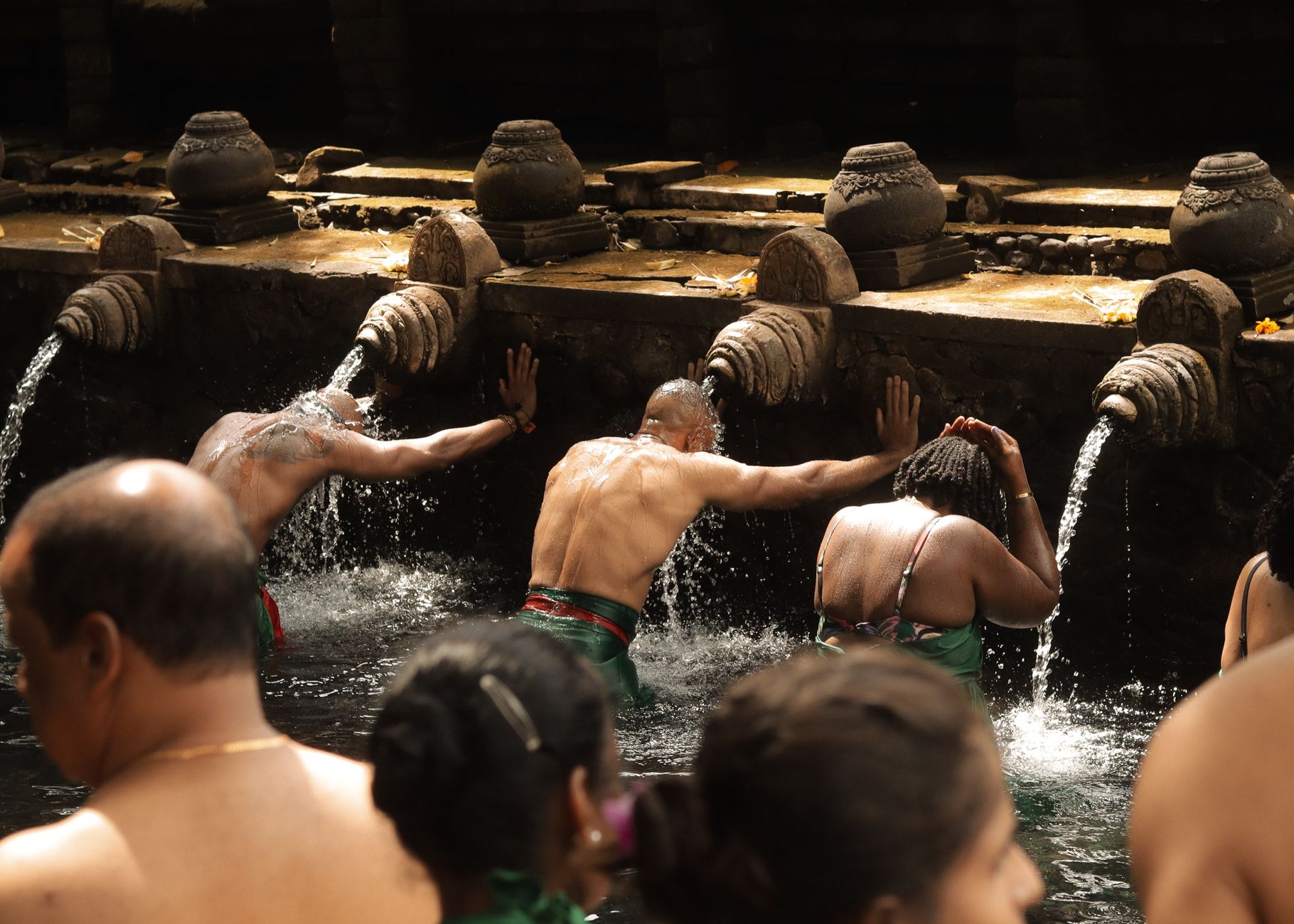
Ever wondered what truly lies beneath the tourist veneer of a destination? I stumbled upon a hidden world: traditional healers so revered by locals, they’re kept a secret from the usual travel circuits. Join me as I recount my incredible journey into these sacred practices, offering a glimpse into powerful wisdom and profound connections you won't find on any brochure. ---
The air in Ubud, Bali, was thick with the scent of frangipani and incense, a familiar perfume for any seasoned traveler. For weeks, I’d navigated the bustling yoga studios, marvelled at the emerald rice terraces, and sipped countless cups of kopi luwak. Yet, beneath the Instagram-perfect surface, I felt a persistent hum – a whisper of something more profound, something ancient, something secret.
My guide, Made, a man whose smile held the wisdom of generations, had initially just pointed me towards the usual temples and craft markets. We’d spent countless hours together, sharing stories of our lives, our families, our dreams, over plates of nasi goreng. It was a slow, deliberate dance of trust-building, the kind that only truly authentic travel allows. One sweltering afternoon, as the cicadas sang their afternoon chorus, Made leaned in conspiratorially. "There are healers, Miss Sarah," he said, his voice barely above a whisper. "But not for tourists. Not usually."
My heart quickened. This was it. This was the 'something more' I’d been subconsciously seeking. This was the authentic connection, the unfiltered glimpse into a culture's soul that separates a mere vacation from a truly transformative journey. This wasn't about a quick cure or a spiritual novelty; it was about respectfully stepping into a world rarely seen by outsiders, a world locals protect with fierce devotion. And I was about to be welcomed in.
The Invisible Gatekeepers of Wellness: Why Locals Keep Secrets
Across countless cultures, traditional healers are the bedrock of community well-being. They are often revered figures – not just doctors, but spiritual guides, herbalists, storytellers, and keepers of ancient wisdom. Their practices are holistic, addressing not only physical ailments but also emotional imbalances, spiritual distress, and communal harmony. Unlike Western medicine, which often compartmentalizes the body, traditional healing views an individual as an intricate part of a larger cosmic tapestry.
So, why are these profound practices often kept secret from the tourist gaze? The reasons are as complex and varied as the cultures themselves:
- Sacredness and Respect: Many healing rituals are deeply spiritual, involving ancestral spirits, deities, or the forces of nature. Exposing them to casual curiosity can be seen as disrespectful or even sacrilegious.
- Fear of Commercialization: The commodification of sacred practices can strip them of their authenticity and spiritual power. Locals want to protect their traditions from becoming just another tourist attraction.
- Cultural Sensitivity: There’s a genuine concern that outsiders may not understand or appreciate the nuances of their beliefs, leading to misinterpretation or mockery.
- Preservation of Authenticity: Limiting access helps preserve the integrity of the healing lineage and ensures the knowledge is passed down respectfully within the community.
- Protection of the Healer: The energy and time of a true healer are precious. They often serve their local community first, and unregulated tourist demand could overwhelm them or dilute their focus.
Understanding these reasons is the first step towards respectful engagement. This isn't about "finding a cool photo op"; it's about being invited into a sacred space, a privilege that demands humility and genuine appreciation.
My First Step into the Unseen: Finding a Balinese Balian
Made’s whispered invitation led me down a winding, unpaved path, far from the polished storefronts of Ubud. We arrived at a modest compound, framed by lush banana trees and the soft gurgle of a nearby stream. Offerings of canang sari – small woven palm-leaf baskets filled with flowers, rice, and incense – dotted every surface, their delicate smoke curling upwards into the humid air. The atmosphere was one of profound peace, a stark contrast to the buzzing energy of the main town.
We waited patiently in a small, open-air pavilion. The air smelled of woodsmoke and a faint, earthy sweetness. After a while, a woman emerged, her face lined with a lifetime of stories, her eyes holding a deep, calm wisdom. This was Ibu Wayan, a Balian – a traditional Balinese healer. She wasn't the kind of Balian you'd find advertised in a tourist brochure; she was sought out by locals for miles around.
Made spoke to her softly in Balinese, explaining my request – not for a specific cure, but for guidance, for a "cleansing of the spirit" that I felt was dulled by the anxieties of modern life. Ibu Wayan listened intently, occasionally glancing at me with an unnerving knowingness. There was no judgment, only a quiet assessment.
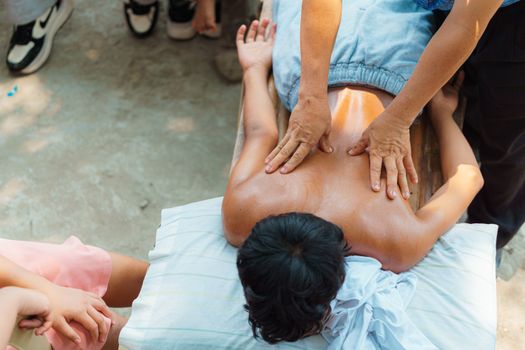
She led me to a mat on the floor, motioning for me to sit. The ritual began simply. She chanted softly, her voice a low, melodic hum that resonated deep within my chest. She used a small bowl of holy water, sprinkling it over my head and shoulders, each drop feeling like a tiny, cool shock. Then, she took my hands, tracing the lines on my palms, her touch gentle but firm. She spoke of energies, of blockages, of the importance of gratitude and releasing what no longer served me. It wasn't fortune-telling; it was an intuitive reading of my current state, delivered with profound compassion.
The experience lasted about 30 minutes. There was no grand spectacle, no dramatic pronouncements. It was quiet, intimate, and incredibly powerful. I left feeling lighter, clearer, as if a veil had been lifted. Before we departed, Made explained that a donation was customary, not a fixed price. I offered a generous amount, alongside a small basket of fresh fruit I had brought as a gift, knowing that this wasn’t just a transaction, but an exchange of energy and respect.
Practical Tip for Bali: If you're seeking a Balian, cultivate a genuine relationship with a local guide or host. Ask them subtly about traditional practices once trust is established. Avoid asking directly about "healers for tourists." Be prepared to offer a donation (typically 200,000-500,000 IDR, but adjust based on your feeling and the experience), and always bring a small offering like fruit or flowers.
Beyond Bali: Echoes of Ancient Wisdom Across Continents
My experience in Bali ignited a passion for seeking out these hidden wells of wisdom. It taught me that authenticity often lies just beyond the well-trodden path, guarded by the very people who cherish it most. My subsequent travels led me to other incredible encounters, each unique, yet all bound by a common thread of deep respect for nature and ancestral knowledge.
Marrakech, Morocco – The Herbalist of the Djemaa el-Fna's Shadow
Marrakech is a sensory explosion – the dizzying acrobats of Djemaa el-Fna, the vibrant dyes of the tanneries, the insistent calls of the souk vendors. But away from the main square’s chaos, tucked down a narrow, spice-scented alleyway, I found a different kind of magic. My local contact, a quiet artisan named Fatima, led me to a small, unassuming shop. Inside, it was a treasure trove of dried herbs, exotic roots, amber resins, and glass vials filled with potent oils. This was the domain of a local attar, or herbalist.
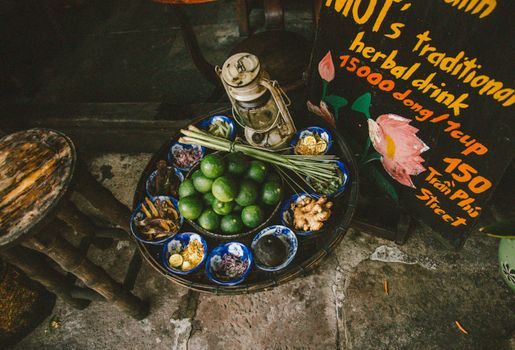
I had been struggling with persistent travel fatigue and a nagging digestive issue, common afflictions for long-term travelers. Fatima explained my symptoms to the elderly herbalist, a man with kind eyes and hands stained green from years of working with plants. He listened patiently, occasionally nodding, then began to meticulously select various dried leaves and barks. He ground some with a mortar and pestle, mixed others, and then presented me with two small paper sachets and a detailed explanation (through Fatima) of how to brew and consume them. One was a calming tea for sleep, the other a bitter, earthy concoction for my digestion.
There was no mysticism, just centuries of botanical knowledge passed down through generations. The herbalist spoke of balance, of the body’s connection to the earth. The cost for the consultation and the herbs was about 250 Moroccan Dirhams (around $25 USD), a small price for such personalized, ancient care. Within a few days, I felt a noticeable shift – a gentler energy, a calmer stomach. It was a powerful reminder that sometimes, the oldest remedies are the most effective.
Practical Tip for Morocco: In cities like Marrakech or Fes, ask trustworthy locals (like guesthouse owners or reputable guides, once you’ve established rapport) about traditional attars or faqihs (spiritual healers, though they might be harder to access). Be clear about your needs and respectful of their practices. Payment is usually a set fee for consultation and remedies.
The Sacred Valley, Peru – A Curandero's Gentle Limpia
My journey through Peru's Sacred Valley was already deeply spiritual, surrounded by the majestic Andes and the echoes of the Inca Empire. But I yearned for a deeper connection to the land, to Pachamama (Mother Earth). Through a friend of a friend in a small village near Pisac, I was introduced to a curandero, a traditional Andean healer.
His home was simple, built of adobe, with a breathtaking view of terraced mountains. He was a humble man, dressed in traditional woven clothing, his face weathered by the high altitude sun. I explained my desire for a limpia, a spiritual cleansing, to release any negative energies I might have unknowingly accumulated during my travels.
The limpia was a beautiful, sensory experience. He began by chewing coca leaves, offering some to the earth, connecting with the spirits of the mountains. He then used various elements: a fresh egg, passed over my body to absorb negative energy; bundles of fragrant herbs, gently brushed against my skin; and a feather, used to symbolically sweep away impurities. He chanted in Quechua, his voice a low, guttural murmur, invoking the mountain spirits and the power of Pachamama.
The feeling was one of profound release, like shedding an old skin. Afterwards, he advised me to bury the egg and herbs in the earth, returning the absorbed negativity to the ground to be transformed. I left a donation of 80 Peruvian Soles (about $20 USD), along with a small bag of coca leaves and some fresh fruit, as an offering of gratitude. It wasn't about a specific ailment; it was about spiritual alignment, a way to honor the land and my place within it.
Practical Tip for Peru: In the Sacred Valley, particularly around Pisac or Ollantaytambo, ask reliable guesthouse owners or local guides about curanderos for limpias or traditional herbal consultations. Be clear that you are seeking a respectful cultural experience, not a tourist show. Donations are expected, often S/50-100 soles, and bringing a small gift like coca leaves, fruit, or sugar is customary.
Navigating the Sacred: What to Expect and How to Prepare
Embarking on a journey to meet a traditional healer is not like booking a spa appointment. It requires a specific mindset and preparation.
- Respect is Paramount: This cannot be stressed enough. You are entering a sacred space, a revered practice. Approach with humility, an open mind, and genuine respect for their beliefs, even if they differ from your own. This is not for entertainment or curiosity alone.
- The Approach: Never approach a healer directly unless they are specifically set up for public interaction (which is rare for the "secret" ones). Always go through a trusted local intermediary – a guide, a host, a friend you've built a strong relationship with. They can explain your intentions respectfully and bridge the cultural gap.
- Be Patient: These encounters cannot be rushed. Building trust, waiting for the right time, and allowing the process to unfold naturally are all part of the experience.
- Offerings & Payments: In many cultures, a direct "fee" can be insulting. Instead, a thoughtful donation or an offering is appropriate. Ask your intermediary what is customary. It's often better to offer slightly more than the perceived minimum, showing your appreciation. Always bring a small, thoughtful gift – fruit, flowers, local crafts, or even a simple packet of good quality tea – as a token of goodwill.
- The Experience Itself: It might be unfamiliar, uncomfortable, or incredibly simple. It won't always align with Western expectations of "healing." There might be chanting, smoke, unusual tastes, or just quiet reflection. Go with an open mind, free of judgment or preconceived notions.
- Language Barrier: A local intermediary is invaluable not just for introductions, but for translation. They can ensure your intentions are clear and that you understand the healer's advice.
- Hygiene & Safety: Use common sense. While these are traditional practices, ensure you feel comfortable with the environment. If you have any serious medical conditions, always consult a Western doctor first. Traditional healing is complementary, not a replacement for urgent medical care.
- What to Bring:
- Modest clothing: Cover your shoulders and knees out of respect.
- An open heart and mind: Essential for receiving the full benefit.
- A small gift/offering: As discussed.
- Cash for donation: In local currency, in smaller denominations if possible.
- A notebook: To jot down insights or instructions (ask permission before writing during the session).
- Water: Stay hydrated, especially in humid or hot climates.
The Unseen Benefits: More Than Just a Cure
My encounters with traditional healers have profoundly shaped my understanding of travel and well-being. The benefits extend far beyond the immediate relief of a physical ailment or a spiritual cleansing:
- Deep Cultural Immersion: This is arguably the most authentic form of cultural immersion. You’re not just observing; you’re participating in a core aspect of a community’s life and belief system. You gain an understanding of worldview that no museum or tourist site can offer.
- Personal Growth & Self-Discovery: These experiences often challenge your own preconceived notions, pushing you to confront beliefs about health, spirituality, and reality itself. They can be deeply introspective journeys, fostering personal growth and a deeper understanding of self.
- Spiritual Connection: Whether you’re spiritual or not, connecting with practices rooted in ancient wisdom and a reverence for nature can be incredibly grounding. It can re-align your perspective and foster a sense of interconnectedness.
- Authentic Storytelling: These aren’t the stories you’ll find in glossy travel magazines. These are raw, personal, and deeply human experiences that resonate long after you've returned home. They are the stories truly worth sharing.
- A Different Kind of Healing: Beyond the physical, these practices offer healing for the mind, heart, and spirit – a holistic well-being that modern life often neglects. It’s a reminder that true health encompasses more than just the absence of disease.
Ethical Travelers: Preserving the Sacred, Avoiding Exploitation
The very nature of these "secret" experiences demands an extra layer of ethical consideration. As travelers, we have a responsibility to be respectful guests, not cultural appropriators or unwitting agents of commercialization.
- Don't Commercialize: If a healer or community asks you to keep their specific location or name private, honor that request. Share your experience and the wisdom gained, but protect their privacy. The goal is to support and appreciate, not to turn sacred practices into a tourist commodity.
- Cultural Appreciation, Not Appropriation: Participate respectfully, learn with an open heart, but avoid adopting practices without deep understanding or claiming them as your own. These traditions are born of specific cultures and lineages; they are not accessories to be picked up and discarded.
- Sustainability: Ensure your visit supports, rather than burdens, the local community. Your thoughtful donations and gifts contribute directly to their well-being. Be mindful of your environmental footprint.
- Listen More Than You Speak: Your role is primarily to listen, observe, and learn. Ask respectful questions, but don't interrogate or challenge their beliefs.
- Be a Bridge, Not a Barrier: Share your positive experiences (without revealing protected details) to foster greater understanding and respect for diverse cultures and healing traditions. Encourage others to approach such encounters with humility and an open heart.
My encounters with these hidden healers have been some of the most profound and humbling experiences of my travels. They weren't about finding a quick fix, but about reconnecting with ancient wisdom, understanding the intricate tapestry of human belief, and discovering a deeper sense of self. It’s a journey that asks for patience, respect, and an open heart, but promises rewards far beyond any souvenir.
These are the real hidden gems of travel – not just beautiful landscapes, but the beautiful souls and time-honored traditions that truly define a place. They remind us that the world is vast, mysterious, and full of wisdom waiting to be respectfully discovered.
Have you had an encounter that changed your perspective on travel or healing? Share your stories below, and let’s inspire more conscious, respectful exploration of our world’s incredible hidden traditions!
---
More pictures

Tags
Share this guide
We may earn a commission if you click a link and buy a product or service, at no extra cost to you. How affiliate links work.
Been there?