
Tired of surface-level tourism? Prepare to peel back the layers of culture and step into a world where ancient traditions come alive. This isn't just watching; it's about *participating* in ceremonies that will not only blow your mind but also deeply connect you to humanity's rich spiritual tapestry.
We’ve all been there, haven’t we? Standing on the periphery, camera in hand, observing a culture from a respectful distance. It’s part of travel, and it’s wonderful. But what if you could step into the frame? What if you could move beyond being a spectator and become a participant, not just witnessing, but feeling the pulse of ancient traditions coursing through your veins?
I remember my first time. It was in Bali, the air thick with incense and the melodic chant of a Hindu priest. I was nervous, unsure, but also brimming with an almost childlike excitement. As I dipped into the holy spring at Tirta Empul, the cool water washing over me, a profound sense of peace, clarity, and connection enveloped me. It wasn't just a bath; it was a purification, a blessing, a moment where my individual story intertwined with a thousand years of Balinese spiritual practice. That day, my concept of "travel" changed forever.
This isn't about cultural appropriation; it's about respectful engagement, genuine curiosity, and an open heart. It’s about being invited, learning, and contributing to the preservation of these incredible practices by showing your appreciation and respect. Forget the generic souvenir shops; these are the experiences that will etch themselves onto your soul, leaving you with stories far richer than any postcard.
Ready to transcend the ordinary? Here are some mind-blowing traditional ceremonies around the world where you, the curious traveler, can genuinely participate.
1. Bali's Sacred Waters: The Melukat Purification Ceremony (Indonesia)
Imagine standing under a spout of holy spring water, surrounded by ancient stone carvings, the scent of frangipani and burning incense filling the air. This is Melukat, a Balinese Hindu purification ceremony designed to cleanse the body, mind, and spirit of negative energies and bring balance. It’s a deeply personal yet communal experience, and tourists are not only welcome but encouraged to participate, provided they do so with respect.
My Experience: My first Melukat at Tirta Empul was truly transformative. Guided by a local friend, I wore a traditional sarong and sash, offering prayers and flowers at each of the sacred spouts. The initial chill of the water gave way to a tingling sensation, a feeling of being washed clean, both physically and spiritually. It felt like shedding old anxieties and emerging lighter, clearer. The atmosphere was incredibly serene, yet vibrant, with locals and fellow travelers sharing this sacred space in quiet reverence. It’s a profound moment of mindfulness, a chance to truly be present.
How You Can Participate:
- Location: The most famous and accessible spot is Tirta Empul Temple in Tampaksiring, Bali. Many other temples offer Melukat, often requiring a local guide to arrange.
- What to Expect: You'll typically rent a sarong and sash (available at the temple entrance for a small fee). After changing, you'll enter the purification pools, moving sequentially through various spouts, offering prayers and immersing yourself under the flowing water. Some ceremonies involve offerings (canang sari) and blessings from a priest.
- Practical Tips:
- Dress Code: Wear a sarong and sash (provided or rented). Bring a change of clothes and a towel.
- Cost: Entrance to Tirta Empul is around IDR 50,000 (approx. $3-4 USD). Sarong rental is usually included or a small additional fee. A guide can enhance the experience significantly (negotiate prices, typically IDR 200,000-500,000 for a few hours).
- Etiquette: Be respectful, speak softly, and follow the lead of locals or your guide. Women on their menstrual cycle are generally asked not to enter the holy water.
- Instagram-Worthy: The pools, the temple architecture, and the vibrant offerings make for stunning, respectful photos. Just be mindful and ask permission where appropriate.
2. Andean Altars: Pachamama Despacho (Mother Earth Offering) in Peru
High in the Peruvian Andes, where the air is thin and the mountains touch the sky, lies a profound connection to Pachamama, Mother Earth. The Pachamama Despacho ceremony is an ancient Inca ritual of gratitude and reciprocity, an offering to the earth for her sustenance and blessings. This is not a performance; it’s a heartfelt communion, and many shamans and local communities welcome respectful travelers to join.
My Experience: In the Sacred Valley, I sat cross-legged with a group, a Q'ero shaman before us. He meticulously arranged an intricate mandala of natural elements – coca leaves, seeds, flowers, sweets, even silver coins – each representing a prayer or an offering to Pachamama and the Apus (mountain spirits). As he chanted in Quechua, the air buzzed with a palpable energy. We each added our own coca leaves, whispering our intentions and thanks. Burying the completed offering felt like a deeply personal conversation with the earth, a humbling reminder of our interconnectedness. It was a powerful act of giving back.
How You Can Participate:
- Location: Most commonly experienced in Cusco and the Sacred Valley of Peru. Many reputable tour operators and spiritual retreat centers can arrange authentic ceremonies with local shamans (curanderos).
- What to Expect: You'll sit in a circle, often with a shaman leading the ceremony. You'll be invited to offer coca leaves (k'intus) with your prayers and intentions, which are then added to a larger, elaborate offering bundle (despacho). The bundle is then ritually burned or buried.
- Practical Tips:
- Dress Code: Comfortable, warm layers are recommended, as ceremonies often take place outdoors in the mountains.
- Cost: Prices vary widely depending on the group size, location, and length of the ceremony. Expect to pay anywhere from $50-$200+ USD if arranged through a tour company or spiritual guide. Some communities may accept donations.
- Etiquette: Be respectful and attentive. Follow the shaman's instructions. Bring a small personal offering if you wish (e.g., a flower, a piece of fruit), though it's not always required.
- Instagram-Worthy: The intricate despacho offerings and the stunning Andean backdrop are visually captivating. Always ask permission before photographing the shaman or participants.
3. The Art of Presence: Japanese Tea Ceremony (Chado)
More than just making and drinking tea, the Japanese Tea Ceremony (Chado or Sado) is a profound spiritual and artistic practice rooted in Zen Buddhism. It's a dance of precision, mindfulness, and hospitality, where every movement, every utensil, and every gesture holds deep meaning. Tourists are often invited to participate in a simplified version, offering a glimpse into this elegant tradition.
My Experience: Stepping into the hushed tea room in Kyoto, the air was still, imbued with a sense of calm. The gentle rustle of the host's silk kimono, the soft whisking of the matcha, the delicate placement of each item – every detail was an exercise in mindful presence. Learning to hold the bowl correctly, to sip with appreciation, and to bow in gratitude felt like stepping into a living meditation. It wasn't about the taste of the tea alone, but the entire ritual of preparation and consumption, a moment of profound peace and aesthetic beauty.
How You Can Participate:
- Location: Easily found in major cities like Kyoto, Tokyo, and Kanazawa. Many traditional gardens, cultural centers, and some hotels offer tea ceremony experiences.
- What to Expect: You'll typically be seated on tatami mats (sometimes on chairs for comfort). A tea master will guide you through the process of preparing and drinking matcha (powdered green tea), often with accompanying traditional sweets. You'll learn the proper way to hold the bowl, sip the tea, and express gratitude.
- Practical Tips:
- Dress Code: Smart casual is fine. Avoid strong perfumes. You may be asked to remove your shoes.
- Cost: Prices range from ¥3,000 to ¥8,000 (approx. $20-55 USD) for a basic experience, depending on the location and duration.
- Etiquette: Be quiet and attentive. Follow your host's instructions carefully. Appreciate the aesthetics of the room and utensils.
- Instagram-Worthy: The serene settings, beautiful ceramics, and graceful movements are highly photogenic. Ask permission before taking photos, especially during the actual ceremony.
4. Rhythms of the Soul: Gnawa Lila in Morocco
Deep in the heart of Morocco, particularly in cities like Essaouira and Marrakech, pulsates the ancient spiritual music of the Gnawa people. Descendants of slaves brought from sub-Saharan Africa, the Gnawa practice a unique Sufi tradition centered around music, dance, and trance, often culminating in a "Lila" – a night-long healing ceremony. While not direct participation in the ritualistic sense, attending a Lila is an immersive, mind-blowing experience that draws you into its hypnotic rhythm.
My Experience: In a dimly lit riad courtyard in Essaouira, the air vibrated with the deep, resonant thrum of the guembri (a three-stringed bass lute) and the insistent clack of qraqeb (metal castanets). The Gnawa musicians, dressed in vibrant robes and tasselled caps, chanted ancient melodies, their movements fluid and rhythmic. As the music intensified, some attendees entered a trance-like state, swaying and dancing to the powerful rhythms. I found myself unable to resist the pull, my feet tapping, my body swaying, feeling the communal energy build. It wasn’t just music; it was a spiritual journey, a collective release, an ancient heartbeat echoing through time.
How You Can Participate:
- Location: Most famously in Essaouira, which hosts a renowned Gnawa World Music Festival, and in Marrakech. Seek out local guides or cultural centers that can arrange an authentic Lila experience. Be wary of tourist traps; seek genuine invitations.
- What to Expect: A Lila can last for hours, sometimes all night. It involves repetitive, hypnotic music, chanting, and often incense. Participants may enter a trance state, believed to connect them with ancestral spirits for healing and blessing. As a tourist, you'll primarily be an observer, but the immersive nature of the music and atmosphere will draw you in. Respectful presence is participation.
- Practical Tips:
- Dress Code: Modest and comfortable.
- Cost: Attending a genuine Lila is often by invitation or through a cultural tour, which can range from $30-$100+ USD depending on the setup. Avoid paying for "staged" experiences; seek authenticity.
- Etiquette: Be respectful of the sacred space and the trance states of participants. Do not interrupt or draw attention to yourself. Photography might be restricted or require permission.
- Instagram-Worthy: The vibrant costumes, unique instruments, and intense atmosphere are visually striking, but prioritize respect over photos.
5. Haka and Heart: The Maori Powhiri (Welcome Ceremony) in New Zealand
The Powhiri is a traditional Maori welcoming ceremony, a powerful and moving ritual that introduces visitors to the local marae (meeting grounds) and its people. It’s a profound demonstration of Maori hospitality (manaakitanga) and cultural strength, involving challenges, speeches, songs, and the sacred hongi (pressing noses and foreheads). As a visitor, you are an integral part of this ceremony.
My Experience: Standing with my group on the edge of a marae in Rotorua, the air suddenly filled with a guttural, awe-inspiring challenge – the wero. A warrior, fierce and imposing, approached, laying down a symbolic dart. My heart pounded. Then came the karanga, a haunting call from the women, answered by our own female elder. The haka that followed, with its synchronized movements and powerful shouts, was electrifying, a raw display of passion and identity. Finally, the hongi, pressing foreheads and noses with the Maori hosts, felt like a deep exchange of breath and spirit, a true moment of connection. It was humbling, empowering, and utterly unforgettable.
How You Can Participate:
- Location: Best experienced in Rotorua, the heartland of Maori culture, at cultural villages like Te Puia, Tamaki Maori Village, or Mitai Maori Village.
- What to Expect: You’ll be guided through the stages of the Powhiri, which includes: the wero (challenge), the karanga (call), the whaikōrero (speeches), the waiata (songs), and finally, the hongi (pressing noses and foreheads). You’ll be asked to appoint a spokesperson for your group.
- Practical Tips:
- Dress Code: Smart casual and respectful. Shoulders and knees covered are appreciated.
- Cost: Typically included as part of a cultural village experience, which can range from NZD $70-$150+ (approx. $45-100 USD) and often includes a Hangi dinner and cultural performance.
- Etiquette: Follow your guide's instructions precisely. Remain quiet and respectful during speeches and challenges. Do not cross in front of the speaker. Participate in the hongi respectfully.
- Instagram-Worthy: The visual drama of the haka, the traditional attire, and the powerful expressions are incredible. Photography is usually permitted after the formal Powhiri, but always ask.
6. Lamps of Devotion: Ganga Aarti in Varanasi, India
While not a direct participation ceremony in the sense of performing rituals yourself, experiencing the Ganga Aarti on the ghats of Varanasi is a mind-blowing immersion into India’s spiritual heart that feels deeply participatory. It’s a mesmerizing Hindu ritual of worship and gratitude to the holy River Ganges, performed nightly by young Brahmin priests.
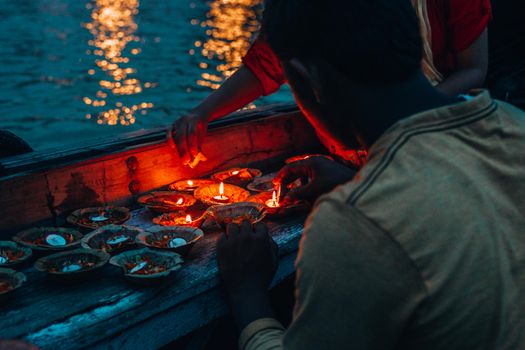
My Experience: I arrived at Dashashwamedh Ghat by boat, just as dusk began to paint the sky. The air was thick with the scent of incense, marigolds, and the murmur of thousands of voices. As the chanting began, synchronized with the rhythmic clanging of bells and the swirling of enormous multi-tiered lamps, a collective energy surged through the crowd. From my vantage point on the boat, I watched, utterly captivated, as flames danced against the darkening sky. Later, I bought a small leaf-boat offering with a candle and flowers, gently setting it afloat on the Ganges, joining countless others in a silent prayer. It was a moment of profound beauty and spiritual unity, a sensory overload that left me breathless.
How You Can Participate (Immersively):
- Location: Dashashwamedh Ghat in Varanasi, Uttar Pradesh, India, is the most famous location for the nightly Ganga Aarti.
- What to Expect: Thousands gather on the ghats and in boats on the Ganges to witness this spectacular ritual. Priests perform choreographed movements with fire lamps, incense, and conch shells, accompanied by chanting, music, and devotional songs. You can watch from the ghats or from a rented boat.
- Practical Tips:
- Dress Code: Modest clothing is essential in India, especially at religious sites. Shoulders and knees covered.
- Cost: Watching from the ghats is free. A boat ride to get a better view can cost anywhere from ₹100-500 (approx. $1.5-7 USD) per person, depending on negotiation and season. Buying a small offering (diya) is usually ₹10-50.
- Etiquette: Be respectful of the sacred space and the devotion of the attendees. Avoid loud conversations. Photography is generally allowed but be mindful of others.
- Instagram-Worthy: The spectacle of the lamps, the priests, the crowd, and the river at dusk is incredibly photogenic. Capture the grandeur and the intimate moments.
Practical Tips for Mind-Blowing, Respectful Participation
Participating in traditional ceremonies is a privilege, not a right. Here’s how to ensure your experience is authentic, respectful, and truly transformative:
- Do Your Homework: Research the ceremony, its significance, and proper etiquette beforehand. Understanding the context deepens your appreciation.
- Dress Appropriately: Always err on the side of modesty. Cover shoulders and knees, and be prepared to remove shoes if required.
- Go with a Local Guide: A knowledgeable guide (especially a local one) can bridge cultural gaps, explain nuances, and ensure you're participating respectfully. They can also help find authentic experiences away from tourist traps.
- Be Open-Minded and Present: Leave your judgments and expectations at the door. Embrace the unknown, be fully present in the moment, and allow yourself to feel the energy of the ritual.
- Ask Permission for Photos: While many ceremonies are visually stunning, always ask if photography is allowed, especially when photographing people. Sometimes, it’s best to put the camera away and just be.
- Respect Sacred Spaces: Keep your voice low, avoid disruptive behavior, and follow any specific rules of the location.
- Offer Gratitude (and sometimes a Donation): A sincere "thank you" goes a long way. If donations are customary or a small fee is requested, contribute respectfully.
- Listen and Learn: These are opportunities for deep learning. Ask thoughtful questions (at appropriate times) and listen intently to explanations.
The Journey Within
Stepping into a traditional ceremony is more than just checking an item off your travel bucket list. It’s an invitation to connect with humanity on a deeper level, to understand the spiritual threads that weave through different cultures, and ultimately, to learn something profound about yourself. These are the moments that truly blow your mind, reshape your perspective, and remind you of the incredible diversity and beauty of our world.
So, are you ready to trade the ordinary for the extraordinary? To move from observer to participant? To let ancient rituals awaken something new within you? Choose your adventure, pack your bags, and prepare for a journey that will not only take you across continents but also deep into the heart of human experience.
What's your most mind-blowing travel experience? Have you ever participated in a traditional ceremony? Share your stories in the comments below! And if this post inspired you, don't forget to share it with your fellow wanderlusters!
More pictures
Tags
Share this guide
We may earn a commission if you click a link and buy a product or service, at no extra cost to you. How affiliate links work.
Been there?