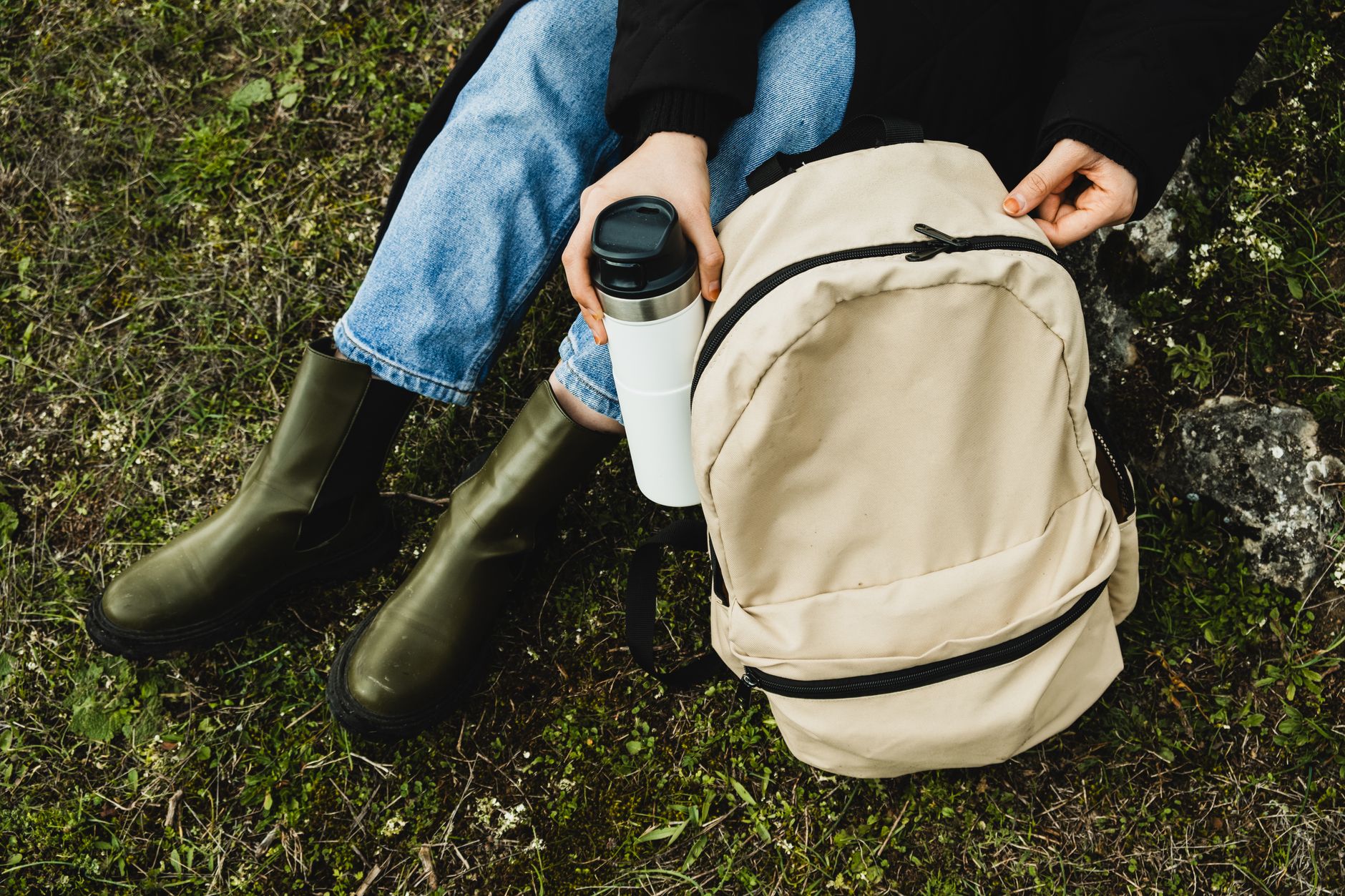
Tired of gear that fails you and harms the planet? We've road-tested the most innovative sustainable travel essentials that don't just reduce your footprint, they elevate your entire adventure. Get ready to discover the game-changing kit you absolutely need to experience before you embark on your next journey!
Let me take you back a few years, to a sweltering afternoon in the bustling streets of Chiang Mai. I was trekking through a local market, backpack slung over my shoulder, feeling pretty smug about my "adventure-ready" kit. Then, I saw it: a mountain of discarded plastic bottles, shimmering under the unforgiving sun, stretching as far as the eye could see. It was a visceral punch to the gut. All those single-use plastics I’d gone through on my journey, the cheap, fast-fashion travel clothes that were already pilling, the flimsy gear that had already seen better days – it all hit me. My "adventure" was contributing to that.
That day marked a turning point. I realized that true adventure isn’t just about exploring new places; it’s about respecting them. It’s about leaving only footprints, and taking only memories. But here’s the kicker: I also discovered that embracing sustainable travel gear isn’t about sacrificing performance or comfort. In fact, it’s often the exact opposite. The best sustainable gear is built to last, designed for efficiency, and crafted with an intentionality that traditional gear often lacks. It performs better. It’s gear that becomes an extension of your commitment to the planet, and frankly, gear you need to experience before you die.
So, if you’re ready to ditch the flimsy, the disposable, and the guilt, and embrace a new era of travel where your gear is as resilient and responsible as you are, then buckle up. I’m about to share the sustainable travel essentials that have transformed my journeys, saved me headaches (and money!), and deepened my connection to the places I explore.
---
1. The Indestructible Companion: Performance Backpacks & Luggage Built to Last
Your backpack isn’t just a bag; it’s your portable home, your lifeline, your silent partner on every adventure. For years, I chased trends, opting for whatever was on sale. Big mistake. Cheap zippers, flimsy fabrics, and uncomfortable straps meant constant frustration. My epiphany came with a Cotopaxi Allpa 35L (around $200-250, often available in unique "Del Día" colorways where artisans have creative freedom, reducing fabric waste).
Why it performs better: Cotopaxi uses repurposed and remnant fabrics, minimizing waste. But beyond the eco-story, this pack is a beast. Its clamshell opening makes packing a dream, the durable YKK zippers withstand serious abuse, and the padded hip belt and shoulder straps make even heavy loads feel manageable. On a two-week trek through Patagonia, navigating dusty trails and cramped bus rides, my Allpa looked as good as new, while friends’ packs were showing serious wear.
Another top contender: Osprey's Fairpoint/Farview series (around $180-220). Osprey has a legendary "All Mighty Guarantee" – they’ll repair any product for any reason, free of charge, for the life of the product. That’s sustainability in action. My Osprey Fairpoint 40L has been dragged across cobblestone streets in Rome, shoved into overhead bins on budget airlines, and strapped to the back of motorbikes in Vietnam. It’s seen more of the world than some people, and it’s still going strong. The ability to zip away the shoulder straps for check-in is a game-changer, protecting your investment from conveyor belt mishaps.
Actionable Tip: When choosing a backpack, look for brands with strong repair policies, use recycled or upcycled materials, and offer transparency in their supply chain. Invest in quality once, and it will serve you for decades, not just a single trip. Think of it as a long-term relationship, not a fling.
---
2. The Smart Layer: Merino Wool & Recycled Synthetics That Outsmart the Elements
This category is where sustainable gear truly shines in terms of performance. Forget bulky cotton that takes ages to dry and synthetic blends that leave you smelling like a gym locker after an hour. Enter Merino Wool.
Why it performs better: Merino wool is a miracle fiber. It’s naturally odor-resistant, meaning you can wear one shirt for days (or even a week!) without smelling. It regulates temperature, keeping you warm in cool weather and cool in hot weather. It’s soft, breathable, and dries incredibly fast. This means you pack less, wash less, and stay more comfortable.
My Icebreaker Tech Lite II Short Sleeve Tee (around $80-100) is my go-to for literally every trip. From humid jungle hikes in Costa Rica to chilly evenings in Icelandic campsites, it adapts. I once wore it for five consecutive days during a multi-day hike in the Dolomites, and it still smelled fresh enough for dinner in a mountain hut. Seriously.
For outer layers, look for brands utilizing recycled synthetics. My Patagonia Torrentshell 3L Rain Jacket (around $179) is made from 100% recycled nylon. It’s lightweight, incredibly waterproof, and packs down tiny. Patagonia is a leader in ethical manufacturing and environmental activism, often using bluesign® approved fabrics (meaning environmentally friendly production processes). This jacket has kept me bone dry during torrential downpours in the Pacific Northwest and unexpected monsoon seasons in Southeast Asia. It’s not just a rain jacket; it’s peace of mind.
Actionable Tip: Start with a few key merino items: a base layer top, a pair of socks, and maybe a buff. You’ll be amazed at how much less you need to pack. For synthetic outerwear, always check for recycled content and certifications like bluesign®. Wash these items less frequently and use cold water to extend their life and reduce microplastic shedding.
---
3. Hydration & Sustenance: Ditch the Disposable, Embrace the Everlasting
The single biggest culprit of travel waste is often single-use plastic bottles. It’s estimated that a million plastic bottles are bought every minute globally. We can do better. And the sustainable alternatives perform so much better.
My absolute non-negotiable travel essential is my Grayl GeoPress Purifier Bottle (around $90-100). This isn't just a reusable water bottle; it’s a personal water treatment plant.
Why it performs better: The Grayl GeoPress allows you to fill up from virtually any freshwater source – taps in questionable areas, streams, lakes – and with a simple press, it filters and purifies viruses, bacteria, protozoa, particulates, chemicals, and heavy metals. I’ve used it to drink tap water in rural India, fill up from river water in the Peruvian Amazon, and even from hotel sink water when I was wary. It has saved me countless dollars on bottled water, prevented untold plastic waste, and most importantly, kept me healthy and adventuring when others were sidelined by stomach bugs. The peace of mind alone is worth the investment.
Complementing this, I always carry a collapsible silicone cup (like those from Stojo, around $15-20) and a bamboo cutlery set (around $10-15). The cup is perfect for coffee on the go, avoiding disposable cups, and the cutlery means I’m never stuck needing plastic forks for street food.
Actionable Tip: Make a commitment to zero single-use plastic bottles on your next trip. Research water safety at your destination and choose a purification method that suits your needs (UV, filter, or purifier). Always carry a reusable bag for groceries or market finds, and consider a beeswax wrap instead of cling film for snacks.
---
4. Powering Your Adventures: Solar & Sustainable Tech for the Modern Explorer
In our hyper-connected world, keeping devices charged is crucial, especially when off the grid. Traditional power banks are often bulky and rely on grid power. Sustainable tech offers innovative, eco-friendly solutions that perform when it matters most.
My Goal Zero Nomad 7 Plus Solar Panel (around $80-100) paired with a Goal Zero Flip 24 Power Bank (around $40) has been a lifesaver.
Why it performs better: This combo allows me to harness the sun’s energy to charge my phone, headlamp, and camera batteries, even when I’m miles from the nearest outlet. On a remote camping trip in the Australian Outback, where electricity was non-existent, I simply strapped the Nomad 7 Plus to my backpack and let it charge the Flip 24 while I hiked. By evening, I had enough power to fully charge my phone, capture stunning sunset photos, and ensure my emergency comms were ready. It’s incredibly durable, weather-resistant, and surprisingly efficient, even on partially cloudy days.
Another fantastic option is the BioLite HeadLamp 330 (around $60). BioLite is a brand known for its innovative off-grid energy solutions. This headlamp is rechargeable via USB, eliminating the need for disposable batteries, and its lightweight, comfortable design means you barely notice it. It’s perfect for navigating dark trails, setting up camp, or reading in your tent without disturbing others.
Actionable Tip: Prioritize rechargeable devices and consider a small solar panel for longer trips or off-grid adventures. Look for power banks made with recycled materials or from brands committed to ethical sourcing. Always unplug chargers when not in use to save phantom energy.
---
5. Personal Care & Comfort: Eco-Conscious Essentials for a Fresher Journey
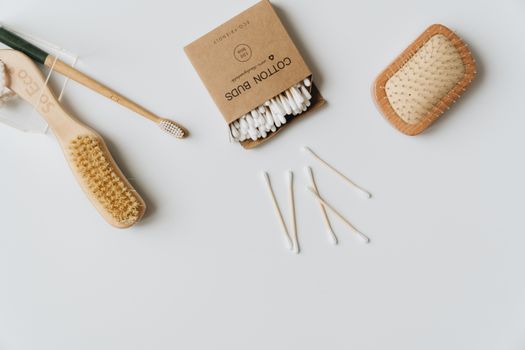
The bathroom cabinet can be a huge source of single-use plastic, both at home and on the road. But sustainable personal care products don't just reduce waste; they often perform better due to their concentrated formulas and natural ingredients.
My toiletry bag is now almost entirely plastic-free, thanks to a few game-changers. Ethique shampoo and conditioner bars (around $15-20 each) are a revelation.
Why they perform better: These solid bars are equivalent to 2-3 bottles of liquid product, meaning less weight, less bulk, and zero leaks in your bag. They’re made with natural ingredients, are incredibly concentrated, and lather beautifully. My hair has never felt healthier, and the convenience of not worrying about TSA liquid limits is priceless. I’ve used them everywhere from fancy hotel showers in Paris to rustic outdoor setups in rural Thailand, and they always perform.
Another must-have: toothpaste tablets (like those from Bite or Lush, around $10-15 for a month's supply). Pop one in your mouth, chew, brush, and rinse. No messy tubes, no plastic waste. They leave your mouth feeling incredibly clean and fresh.
And let’s not forget a good microfiber travel towel made from recycled materials (like those from Nomadix, around $40-70). These towels are super absorbent, quick-drying, and often made from post-consumer plastic bottles. My Nomadix towel has been my beach blanket, my shower towel, and even a makeshift picnic blanket on countless trips, always drying quickly and packing down small.
Actionable Tip: Start by switching one liquid product to a solid bar. Explore brands that offer refillable options or products in aluminum or glass packaging. Always opt for reef-safe sunscreen when traveling to coastal areas, protecting both your skin and the delicate marine ecosystem.
---
6. The Savvy Traveler's Wardrobe: Sustainable Footwear & Accessories
Beyond the core layers, sustainable choices extend to what’s on your feet and the little extras that make a big difference.
For footwear, look for brands committed to ethical sourcing and sustainable materials. My Veja sneakers (around $120-180) have been a revelation for city exploration.
Why they perform better: Veja uses organic cotton, wild rubber from the Amazon, and recycled plastics in their designs. They are incredibly comfortable for long days of walking (I’ve logged countless miles in them exploring Lisbon’s hills and Tokyo’s bustling districts) and stylish enough to wear in various settings. Their transparency about their supply chain and fair trade practices makes them a choice you can feel good about.
Another unsung hero: Darn Tough socks (around $15-25 a pair). Made in Vermont, these merino wool blend socks are incredibly durable, comfortable, and come with an unconditional lifetime guarantee. If they ever wear out, Darn Tough will replace them. This commitment to longevity is the epitome of sustainable consumption. I’ve worn my Darn Tough socks on multi-day hikes in New Zealand and through sweltering markets in Morocco, and they’ve never let me down – no blisters, no odor, just pure comfort.
Actionable Tip: Invest in versatile, durable footwear that can handle multiple scenarios. Look for brands that offer repair services or guarantees, extending the life of your purchase. Consider a travel wallet made from recycled materials or cork, minimizing your environmental impact while keeping your essentials secure.
---
7. Mindful Moments: Eco-Friendly Sleep & Relaxation Gear
Even when you’re not actively adventuring, your choices can be sustainable. For those long flights or noisy hostels, a good night’s rest is paramount.
My Mindfold Sleep Mask (around $20-25) is made from a soft, durable, and non-toxic foam that completely blocks out light. It’s not necessarily "sustainable" in the recycled material sense, but its incredible durability means I haven’t had to replace it in years, unlike flimsy airline masks. Its performance in delivering total darkness means better sleep, which is crucial for staying energized on long trips.
For comfort and hygiene in hostels or budget accommodations, a silk travel sheet (around $40-60) is a luxurious and eco-conscious choice. Silk is a natural fiber, breathable, lightweight, and packs down tiny. It provides a clean barrier between you and questionable bedding, adds a touch of comfort, and is incredibly durable if cared for properly. I’ve used mine in everything from remote mountain huts in the Alps to budget guesthouses in Southeast Asia, and it always makes me feel more at ease.
Actionable Tip: When buying items for comfort, consider their longevity and the materials they’re made from. Natural fibers like silk, bamboo, or organic cotton are often more breathable and biodegradable than synthetic alternatives. Opt for durable items that you won't need to replace frequently.
---
The Journey Continues: Your Sustainable Adventure Awaits
My journey into sustainable travel gear began with a moment of stark realization in Chiang Mai, but it quickly evolved into a passion for discovering products that not only lessen my impact but genuinely enhance my experiences. These aren't just "eco-friendly" alternatives; they are often superior in design, durability, and performance. They are investments in better travel, better experiences, and a better planet.
Choosing sustainable gear isn't about perfection; it's about progress. It's about making conscious choices, one piece of gear at a time, that align with your values and your desire to explore the world responsibly. So, as you plan your next grand adventure, consider upgrading your kit with these game-changing essentials. Experience the difference for yourself – the comfort, the durability, the peace of mind – and discover why this gear is truly something you need to experience before you die.
What’s your favorite piece of sustainable travel gear? Share your recommendations in the comments below! Let’s inspire each other to travel smarter, lighter, and greener.
#SustainableTravel #EcoFriendlyGear #TravelEssentials #GreenTravel #AdventureTime #ConsciousConsumer #TripsoraTravel
---
More pictures




Tags
Share this guide
We may earn a commission if you click a link and buy a product or service, at no extra cost to you. How affiliate links work.
Been there?