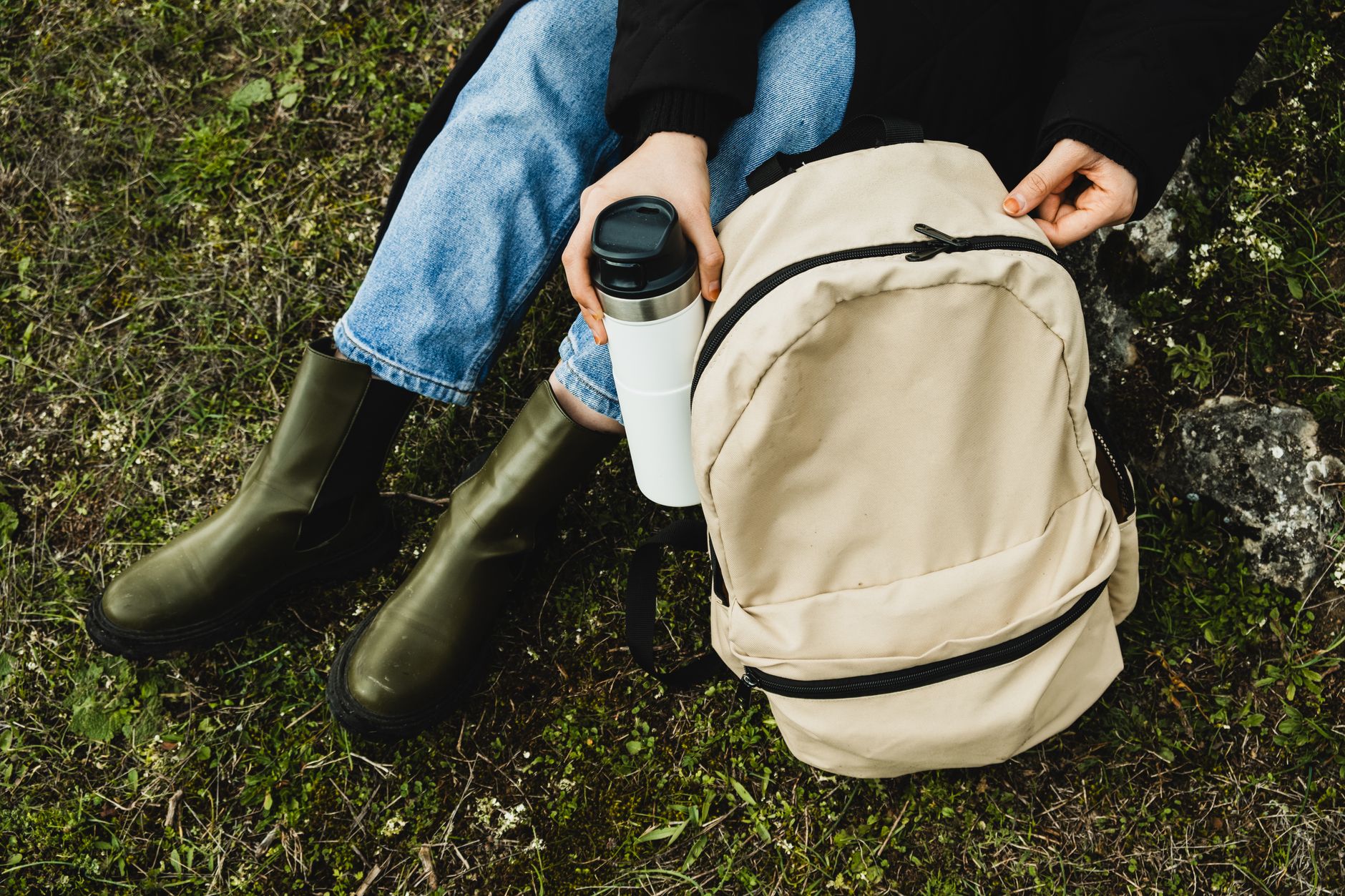
Tired of gear that fails and impacts the planet? Dive into the world of sustainable travel essentials that don't just perform better – they redefine your journey. Discover the trending innovations making eco-conscious travel both effortless and exhilarating. ---
Hey fellow wanderlusters!
I still remember my first big backpacking trip through Southeast Asia. My backpack, a cheap, synthetic monstrosity, ripped at the seams halfway through, leaving my belongings precariously exposed. My "quick-dry" t-shirts took days to air out in the humid climate, and I went through countless plastic water bottles, feeling a pang of guilt with every single one. Back then, sustainable travel gear wasn't really on my radar, or frankly, easily accessible. The narrative was often that "eco-friendly" meant compromising on performance, looking a bit… well, crunchy, and perhaps even paying a premium for something that wouldn't last.
Fast forward a decade, and oh, how the tides have turned! On my recent trek through the stunning Patagonian wilderness, my rPET (recycled polyester) jacket shrugged off torrential rain like a champ, my recycled nylon backpack held up beautifully against rough terrain, and my filtered water bottle meant I could drink safely from streams. Not only did this gear perform flawlessly, often outperforming my old, less sustainable items, but it also made me feel good. Really good. Because the truth is, the world of sustainable travel gear has undergone a revolution. It's no longer about compromise; it's about enhancement. It’s about products that perform better, last longer, and look incredible, all while treading lightly on our precious planet.
At Tripsora, we’re all about exploring the world responsibly, and today, I'm thrilled to share the game-changing, trending sustainable travel gear that's not just good for the earth, but genuinely elevates your adventures. Get ready to bookmark this one, because these are the items you’ll want to invest in for years to come.
The Fabric Revolution: Where Performance Meets Purpose
Let's kick things off with the very foundation of most travel gear: the materials. Forget scratchy hemp and flimsy cotton. Today’s sustainable fabrics are engineered for extreme durability, weather resistance, and comfort, often outperforming their virgin counterparts. This isn't just about being "green"; it's about superior engineering with a conscience.
Recycled Polyester (rPET) & Regenerated Nylon (ECONYL®): These are the superstars. rPET, made from recycled plastic bottles, diverts waste from landfills and oceans, while ECONYL® takes things a step further, regenerating nylon from fishing nets and other discarded nylons. The magic? These materials retain the strength, water resistance, and quick-drying properties of their virgin equivalents, sometimes even improving on them due to innovative weaving techniques.
- My Anecdote: On a multi-day hike through the Dolomites, my rain jacket, made from a blend of recycled polyester and a PFC-free DWR (Durable Water Repellent) coating, kept me utterly dry through an unexpected downpour. My friend, sporting an older, non-recycled jacket, was soaked through. The difference was palpable. Not only did my jacket perform, but knowing it was made from plastic bottles felt incredibly satisfying.
- What to Look For: Brands like Patagonia, Cotopaxi, and Fjällräven are leading the charge. Look for certifications like GRS (Global Recycled Standard) or bluesign® which ensure sustainable and ethical production processes. When choosing a backpack, a jacket, or even a pair of travel pants, prioritize these materials. They’re often lightweight, packable, and incredibly robust.
- Practical Tip: Don't just check the main fabric; inquire about lining, zippers, and even thread. A truly sustainable product considers its entire lifecycle.
Smart Hydration & Filtration: Beyond the Disposable Bottle
This is perhaps the easiest and most impactful switch you can make. The days of buying single-use plastic water bottles are over, thanks to incredible advancements in reusable bottles and personal filtration systems. This gear doesn't just save the planet; it saves you money and, more importantly, keeps you healthy.
- My Anecdote: Backpacking through rural Thailand, finding clean drinking water was a constant concern. Carrying my Grayl GeoPress water purifier was a revelation. I could fill it from almost any fresh water source – taps, streams, even questionable hotel water – press it, and have safe, clean drinking water in seconds. It literally saved me from stomach bugs multiple times and eliminated my reliance on plastic bottles. The peace of mind alone was worth the investment (around $90-$100).
- What to Look For:
- Filtered Water Bottles: Brands like LifeStraw (personal filters, bottles with filters) and Grayl (purifiers that remove viruses, bacteria, and protozoa) are top-tier. Consider the filter's lifespan and ease of replacement.
- Insulated Reusable Bottles: For keeping drinks cold (or hot!), Hydro Flask and Klean Kanteen offer excellent options, with some now incorporating recycled stainless steel. They’re durable, come in various sizes (I prefer a 24oz for daily use), and are incredibly stylish – perfect for those Instagram-worthy travel shots.
- Practical Tip: Always carry a reusable bottle, even if you have a filter. In places where tap water is safe, you can simply refill. For adventurous trips, a robust filter bottle is non-negotiable. Check the specific contaminants your chosen filter removes to match it with your travel destinations.
Pack Light, Pack Right: Eco-Friendly Luggage & Organizers
Your luggage is your mobile home, and choosing sustainable options here means investing in durability, repairability, and materials that lessen your environmental footprint. This isn't about compromising on style or functionality; it's about enhancing it.
- My Anecdote: My old, heavy, clunky suitcase was a nightmare. It barely survived a trip to Italy, with a broken wheel and a torn handle. I switched to an Osprey Farpoint 40 backpack (around $160-$200), made with high-tenacity recycled nylon, for a recent trip through Central America. It's lightweight, incredibly comfortable, and its robust construction meant it handled being tossed onto chicken buses and squeezed into overhead bins without a single tear. The brand's commitment to repairs also gives me huge peace of mind.
- What to Look For:
- Recycled Material Backpacks & Duffels: Brands like Osprey, Deuter (some models), and Cotopaxi (their vibrant Del Día series uses remnant fabrics) offer excellent options. Look for strong zippers, reinforced stress points, and comfortable carrying systems.
- Sustainable Hard-Shell Luggage: Companies like Monos are exploring vegan leather accents and durable, recycled polycarbonate shells that are built to last and look sleek.
- Eco-Friendly Packing Cubes: Eagle Creek offers packing cubes made from recycled fabrics, helping you organize your belongings efficiently and reducing the need for plastic bags.
- Practical Tip: Invest in quality over quantity. A well-made, sustainable piece of luggage will last for years, reducing waste and saving you money in the long run. Look for brands that offer robust warranties or repair services. A truly sustainable item is one you don't have to replace often.
The Power of Plant-Based & Biodegradable Toiletries: A Zero-Waste Glow-Up
Our personal care routines often generate a surprising amount of plastic waste. But the rise of solid toiletries and biodegradable options means you can stay fresh and clean without harming the environment, and often, these products perform better for travelers. No leaks, no liquid limits!
- My Anecdote: I used to dread the "liquids bag" at airport security, and once, a leaky shampoo bottle ruined a perfectly good travel dress. Switching to shampoo and conditioner bars from Ethique (around $15-$20 per bar) was a game-changer. They last forever, take up minimal space, and produce zero plastic waste. On a recent road trip through the Canadian Rockies, I used their solid face cleanser and body wash, feeling great knowing I wasn't leaving a trail of plastic behind. Plus, they lather beautifully even in hard water!
- What to Look For:
- Solid Toiletries: Shampoo, conditioner, soap, deodorant, and even toothpaste tablets are widely available from brands like Ethique, Lush, and By Humankind. Look for natural ingredients, minimal packaging, and travel-friendly tins or containers.
- Reef-Safe Sunscreen: If you're heading to coastal areas, this is non-negotiable. Brands like Stream2Sea and Badger Balm offer mineral-based, biodegradable sunscreens that won't harm delicate coral reefs.
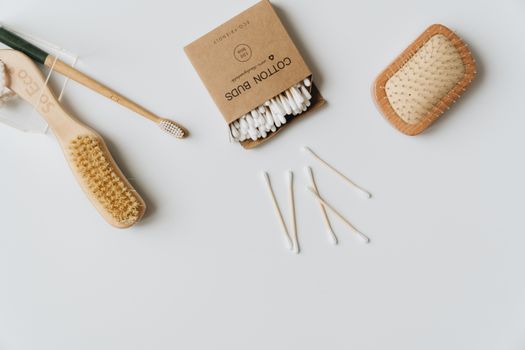
- Bamboo Toothbrushes & Dental Floss: A simple switch that makes a big difference. Look for compostable bristles where possible.
- Practical Tip: Start small. Swap one liquid item for a solid bar on your next trip. You'll be amazed at how quickly you adapt, and how much lighter your toiletry bag becomes. Store bars in breathable containers or tins to help them dry out and last longer.
Tech That Cares: Solar Chargers & Repairable Electronics
Even our gadgets can be part of the sustainable travel movement. While "eco-friendly electronics" can be a complex topic, focusing on durability, repairability, and alternative power sources makes a significant difference.
- My Anecdote: During a multi-day backcountry camping trip in Costa Rica, far from any power outlets, my Goal Zero Nomad 10 solar panel (around $60-$80) kept my phone, headlamp, and camera batteries charged. It wasn't super fast, but it was reliable and meant I didn't have to carry heavy power banks or worry about running out of juice. It truly extended my time off-grid and allowed me to capture some incredible moments.
- What to Look For:
- Portable Solar Chargers: Goal Zero and BioLite (which also makes wood-burning stoves that generate electricity) are excellent choices. Consider the wattage and the size/weight for your specific needs.
- Durable & Repairable Electronics: While a fully "sustainable phone" like the Fairphone might not be for everyone, prioritize brands that offer repair services, easily replaceable parts (like batteries), and have strong recycling programs.
- Rechargeable Batteries: Ditch disposable batteries for rechargeable ones for all your smaller devices like headlamps or cameras.
- Practical Tip: Extend the life of your current electronics by using protective cases, screen protectors, and taking care of them. When it's time to upgrade, research brands' sustainability commitments, repair policies, and recycling programs.
Footwear for the Future: Eco-Conscious Comfort
Our feet take us places, so investing in sustainable, high-performance footwear is a smart move. The innovation in this sector is astounding, with brands using recycled plastics, plant-based materials, and ethical manufacturing practices to create incredibly comfortable and durable shoes.
- My Anecdote: I used to burn through travel sneakers every year. Then I discovered Allbirds (around $95-$135), known for their merino wool and eucalyptus tree fiber shoes. I opted for their Wool Runners for a city-hopping trip through Europe. They were ridiculously comfortable for miles of walking, breathable, and surprisingly resilient to light rain. Knowing they were made from renewable resources and carbon-neutral felt like a bonus to their already stellar performance. For more rugged adventures, I've seen brands like Salomon incorporating recycled materials into their hiking boots, offering both performance and a lighter footprint.
- What to Look For:
- Recycled Materials: Many brands are now incorporating recycled polyester, rubber, and even ocean plastics into their shoe uppers and soles.
- Plant-Based & Natural Fibers: Look for shoes made from merino wool, eucalyptus tree fibers, organic cotton, or innovative plant-based leathers.
- Ethical Production: Research brands that prioritize fair labor practices, responsible sourcing, and minimize waste in their manufacturing processes. Brands like Veja are renowned for their ethical supply chains and use of organic cotton and wild rubber.
- Practical Tip: Proper shoe care (cleaning, waterproofing, airing out) significantly extends their lifespan. When your shoes finally give out, look for recycling programs that can responsibly dispose of or repurpose the materials.
The Conscious Traveler's Toolkit: Beyond the Big Items
Sustainable travel isn't just about big purchases; it's about the small, everyday items too.
- Reusable Shopping Bags: Always carry one! My Baggu reusable bag (around $14) folds into a tiny pouch and has saved me countless plastic bags at markets worldwide.
- Travel Cutlery Set: A bamboo or stainless steel set means no more flimsy plastic forks.
- Microfiber Towels: While not inherently "sustainable" in material, a good quality, quick-drying microfiber towel (like those from PackTowl) will last for years, saving countless paper towels and laundry loads compared to traditional towels. Look for ones made from recycled materials if possible.
- Reusable Coffee Cup: For the caffeine lovers, a collapsible silicone cup (like Stojo) or an insulated mug (like KeepCup) is a must.
Conclusion: Your Journey, Elevated and Empowered
The world of sustainable travel gear has moved beyond niche and into the mainstream, offering products that don't just reduce your environmental impact but genuinely enhance your travel experience. From a jacket that keeps you dry and warm while saving plastic from landfills, to a water bottle that keeps you healthy and hydrated without a single plastic bottle in sight, these innovations are changing how we explore.
Making the switch might feel like an investment initially, but remember, truly sustainable gear is built to last. It’s an investment in quality, durability, and a healthier planet. It means fewer replacements, less waste, and more reliable performance when you're out there chasing horizons.
So, fellow Tripsora explorers, what are you waiting for? Start small, choose one or two items to upgrade, and feel the difference. Share your favorite sustainable travel gear finds with us on social media using #TripsoraEcoGear – let's inspire each other to travel better, smarter, and with a deeper connection to the incredible world we call home. Your next adventure awaits, equipped for success, and ready to leave a positive footprint.
---
More pictures




Tags
Share this guide
We may earn a commission if you click a link and buy a product or service, at no extra cost to you. How affiliate links work.
Been there?