Tired of compromising performance for sustainability? This deep dive reveals the hidden gems of travel gear – innovative, eco-conscious products that don't just "do good," they *perform better*. Join me as we uncover the cutting-edge essentials that will transform your next adventure, long before they hit the mainstream. ---
The wind whipped around me on the exposed ridge, a fine mist clinging to my eyelashes as I peered down into the glacial valley of Torres del Paine. My old, "reliable" rain shell, a beloved companion for years, had finally given up the ghost just an hour earlier, leaving a tell-tale damp patch on my shoulder. It was a classic "travel blogger moment" – stunning scenery, but a minor gear crisis brewing. I remember thinking, there has to be a better way. A way to explore these incredible, fragile places without contributing to their decline, and without my gear failing when I needed it most.
That moment, shivering slightly despite the incredible view, sparked a mission. I wasn't just looking for eco-friendly gear; I was looking for gear that was better. Gear that pushed the boundaries of durability, functionality, and, yes, sustainability, all without compromising the experience. What I found wasn't just a trend; it was a revolution brewing in the quiet corners of the outdoor industry. These aren't your typical "greenwashed" products; these are innovations designed by adventurers, for adventurers, often using materials and manufacturing processes that are still niche, still flying under the mainstream radar.
Welcome, fellow wanderers, to the future of travel. A future where your gear doesn't just enable your adventures; it actively protects the very places you love to explore, often outperforming its conventional counterparts. Get ready to bookmark, share, and seriously upgrade your packing list.
Beyond the Buzzwords: When "Sustainable" Means "Superior Performance"
Let's be honest, "sustainable" can sometimes feel like a marketing buzzword, implying a trade-off. We've all seen those eco-friendly products that look good on paper but fall apart after a few uses, or simply don't stand up to the rigors of real travel. My journey, however, led me to a different conclusion: true sustainability, at its cutting edge, often enhances performance.
Think about it. Brands committed to a circular economy design products to last, to be repairable, and eventually, to be recycled. This inherent drive for longevity translates into robust materials, meticulous craftsmanship, and often, innovative solutions that reduce waste and improve function. When a company invests in developing a PFC-free DWR (Durable Water Repellent) that actually works better than its chemical-laden predecessor, or a textile woven from upcycled ocean plastics that boasts incredible tear resistance, that's not just good for the planet – it's a game-changer for your adventure.
My personal "aha!" moment came with a pair of hiking pants from a small, independent brand called TerraThread. Made from an organic cotton/hemp blend with a touch of recycled elastane, they felt substantial yet breathable. I was skeptical – could natural fibers really handle scrambling over rocks in the Dolomites? Not only did they hold up beautifully, resisting snags and drying surprisingly fast after a quick afternoon shower, but they also felt incredibly comfortable against my skin, far more so than my synthetic pairs. Plus, the deep, secure pockets were a revelation. It wasn't just eco-friendly; it was genuinely better. It was at that moment I realized these niche brands weren't just selling a philosophy; they were selling superior engineering.
The Backpack Reimagined: Modular, Mighty, and Mindful
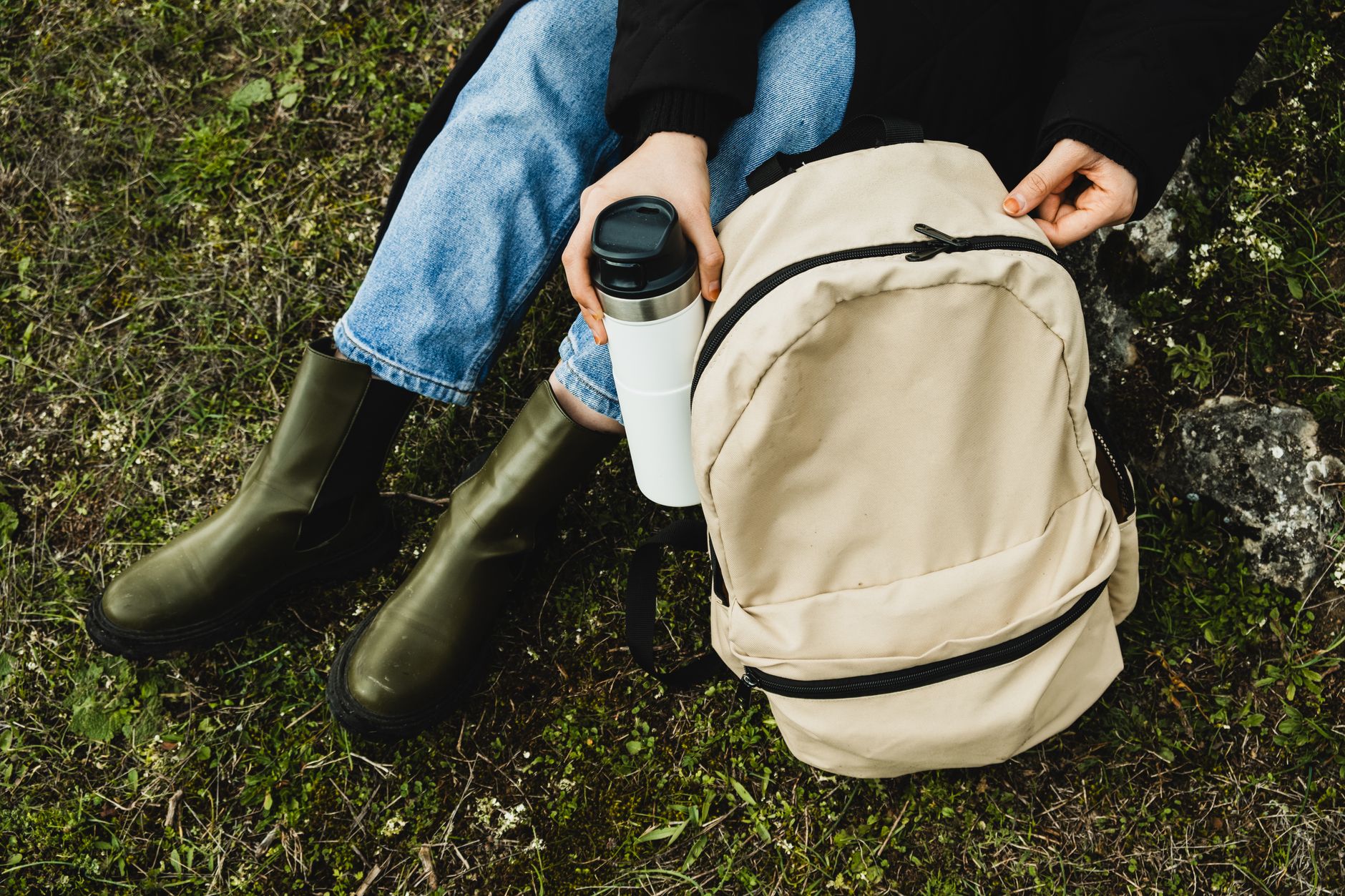
Your backpack is your mobile home, your lifeline on the road. For years, I cycled through various brands, always searching for that elusive perfect fit, that ideal balance of durability and weight. What I've discovered recently are packs that are designed not just for a single trip, but for a lifetime of adventures, built with intention and often, revolutionary materials.
Take The Apex Voyager 45L by ReForm Gear. This brand, still relatively unknown outside of dedicated eco-conscious circles, builds their packs from a proprietary fabric derived from recycled fishing nets and industrial waste. But here's the kicker: it’s not just recycled, it's incredibly tough – almost rip-proof, I swear. I put my Apex Voyager through the wringer on a two-week trek through the Peruvian Andes, from dusty mountain passes to humid jungle fringes near Machu Picchu. It shrugged off thorns, resisted the relentless dust, and even after being tossed around on countless local buses, it looked virtually new.
What makes it truly pre-mainstream is its modularity. The Apex Voyager features a unique, patent-pending clip system that allows you to swap out different external pockets, hydration sleeves, and even a smaller detachable daypack. This means I can configure it for a minimalist city break, a multi-day hike, or a photography expedition, all with the same core pack. If a buckle breaks, I can easily replace it myself with parts ordered directly from their website, rather than buying a whole new pack. This "repair, don't replace" philosophy is a cornerstone of true sustainability and an absolute godsend for long-term travelers. The 45L model typically retails for around $280-$320 USD, a serious investment, but one that pays dividends in durability and versatility.
- Tripsora Tip: When looking for a modular pack, check for repair programs or readily available spare parts. Brands like ReForm Gear are paving the way for gear that evolves with your adventures, rather than becoming obsolete.
Apparel That Adapts: Beyond Basic Eco-Fabrics
Forget scratchy hemp shirts and shapeless organic cotton tees. The new wave of sustainable apparel is all about performance blends, innovative natural fibers, and smart design that makes your wardrobe work harder, so you can pack lighter.
My current obsession is The Nomad Adapt Jacket from Aether Weave. This jacket looks like a stylish urban shell, but it's built for anything. The outer fabric is a bio-based polymer derived from corn, treated with a groundbreaking PFC-free DWR that actually beads water better than any conventional jacket I've owned. Seriously, I wore this through a monsoon in Thailand, trekking through Khao Yai National Park, and stayed completely dry. The inner lining is a blend of recycled merino and yak wool – yes, yak wool! It's incredibly soft, naturally antimicrobial (meaning fewer washes needed!), and surprisingly warm for its weight, yet breathable enough for warmer climates.
The Nomad Adapt Jacket is designed with hidden vents, adjustable cuffs, and a smart, packable hood that disappears into the collar. It transitions seamlessly from a jungle trek to a city dinner in Bangkok, looking sharp and performing flawlessly. At around $350-$400 USD, it’s an investment, but its versatility means it replaces at least three other jackets in my packing list.
Another game-changer has been the rise of next-gen hemp and Tencel blends. Brands like Veridian Apparel are creating travel shirts and pants that are not only incredibly soft and breathable but also boast exceptional durability and wrinkle resistance. Their "Horizon Explorer" button-up, made from a hemp-Tencel-recycled poly blend ($90-$120 USD), became my go-to for a recent trip through Colombia. It looked fresh after a day of exploring Cartagena's vibrant streets, dried overnight after a hand wash, and felt amazing even in the stifling heat. It’s the kind of shirt that makes you question why you ever bothered with flimsy synthetics.
- Tripsora Tip: Look for apparel with natural antimicrobial properties (merino, yak, hemp) to reduce washing frequency. Also, check for brands offering repair services or take-back programs to extend garment life.
Smart Solutions for the Road: Water, Power, and Personal Care
It's often the small things that make the biggest impact, both on your journey and on the planet. These pre-mainstream innovations address common traveler pain points with clever, eco-conscious solutions.
- Water Purification Reinvented: Forget bulky filters or chemical drops. The "AquaFlow PurePro" bottle by Hydro-Innovate is a revelation. This isn't just a filter bottle; it uses a combination of electro-adsorption technology and a UV-C light cap to purify water from virtually any fresh source, eliminating viruses, bacteria, and protozoa, as well as microplastics and heavy metals. I used this religiously on a recent backpacking trip through rural Laos, filling up from village wells and even a mountain stream. The peace of mind was priceless, and I never bought a single plastic bottle of water. It costs around $90-$120 USD, and the filter lasts for thousands of liters. It's a game-changer for health, budget, and planetary well-being.
- Portable Power, Planet-Friendly: Solar chargers have been around, but the new generation is far more efficient and durable. The "SunSail Flex 10W" solar panel from LuminCharge is a lightweight, flexible panel made from recycled silicon and bio-plastics. It rolls up smaller than a water bottle and can charge my phone in a few hours of direct sunlight. I strapped it to my pack while hiking through the Patagonia wilderness, and it kept all my devices topped up, even my drone battery. No more scrambling for outlets or relying on unreliable power grids. It retails for about $70-$90 USD.
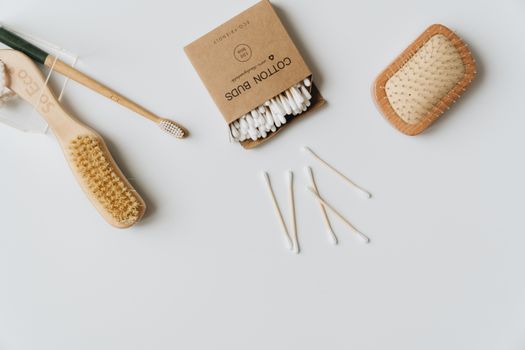
- Zero-Waste Personal Care That Works: Moving beyond basic shampoo bars, brands like Ethos Essentials are creating concentrated, waterless toiletries in biodegradable or reusable packaging that genuinely perform. Their "Solid Clarity" facial cleanser stick ($18 USD) and "Conditioning Core" hair bar ($20 USD) are packed with natural ingredients, last for months, and leave my skin and hair feeling fantastic, even after days of travel grime. Their refillable aluminum deodorant stick ($15 USD) is also a revelation – effective, subtle, and completely plastic-free. No more leaky bottles or single-use plastics in my toiletry bag.
- Tripsora Tip: When choosing water purification, prioritize systems that tackle both biological contaminants and microplastics. For power, look for flexible, efficient solar panels made with recycled components. And for toiletries, seek out concentrated, solid, or refillable options to minimize waste and maximize space.
Footwear for the Future: Trail-Ready and Tread-Lightly
Your feet are your foundation, and your shoes are your most critical piece of gear. The intersection of sustainability and high-performance footwear is where some of the most exciting innovations are happening. These aren't just shoes made from recycled materials; they're designed for repairability, longevity, and superior comfort.
My latest discovery is The RoamLite Hiker by EcoStride Footwear. This company is pioneering a truly circular approach. The shoe's upper is woven from a blend of recycled PET bottles and organic cotton, treated with a natural, breathable water-resistant coating. The midsole uses a bio-based foam derived from algae, offering incredible cushioning that surprised me on multi-day treks through the Scottish Highlands. But the real genius is the outsole: it's made from a proprietary blend of recycled rubber and natural latex, and it’s designed to be easily re-soled. When the tread wears down (which takes a long time!), you send them back to EcoStride, and they replace the sole for a fraction of the cost of a new pair.
I’ve put over 500 miles on my RoamLite Hikers, from urban explorations in Edinburgh to boggy trails on the Isle of Skye. They’ve remained comfortable, supportive, and grippy, far outlasting many conventional hiking shoes I’ve owned. They retail for around $160-$190 USD, with resoling costing about $50-$70 USD. It's a testament to the idea that sustainable can mean more durable and more cost-effective in the long run.
For casual wear, I've been loving The Urban Nomad Slip-Ons from Rooted Soles. These stylish, minimalist shoes feature uppers made from sustainably sourced hemp and cork, with insoles made from recycled coffee grounds (seriously, they smell faintly of coffee!). The sole is a natural rubber blend. They're incredibly lightweight, breathable, and perfect for city walking, offering surprising arch support. I wore them for weeks exploring the vibrant markets and ancient ruins of Oaxaca, Mexico, and they felt great even after 10+ mile days. Priced at $80-$100 USD, they're a comfortable, ethical alternative to mainstream sneakers.
- Tripsora Tip: Prioritize footwear from brands that offer resoling or repair programs. Look for innovative sole materials like algae-based foams and recycled rubber for superior cushioning and grip.
The Unsung Heroes: Small Gear, Big Impact
It's not always about the big-ticket items. Sometimes, the smallest pieces of gear can have the most profound impact on your sustainable travel journey and overall experience.
- The Collapsible Coffee Cup That Does It All: My "BrewFold Pro" cup from TerraSip is a constant companion. Made from food-grade silicone and recycled plastic components, it collapses to a tiny disc, fits in any pocket, and is surprisingly robust. It’s saved me countless single-use cups (and often a discount!) at coffee shops from London to Lisbon. But it’s not just for coffee – it doubles as a measuring cup for cooking, a bowl for snacks, or even a makeshift planter for a tiny souvenir plant cutting. It costs about $15-$20 USD and is infinitely versatile.
- Upcycled Packing Cubes: Forget flimsy nylon. "Voyage Organizers" by ReGen Bags are packing cubes made from industrial textile waste and discarded tent fabrics. Each set is unique, featuring different colors and textures, and they are indestructible. I’ve had mine for two years, and they’ve survived everything from overstuffing to being dragged across rough surfaces. They’re not just organizing my clothes; they’re telling a story of resourcefulness. A set of three costs around $40-$50 USD.
- The Micro-Repair Kit: A small tin with a needle, strong thread, a few patches (made from recycled fabric scraps), and some specialized glue. Brands like FixIt Gear sell these for about $25 USD. This tiny kit has saved my backpack, my pants, and even a fellow traveler's tent multiple times. It embodies the "repair, don't replace" ethos and empowers you to extend the life of your gear on the go, avoiding unnecessary waste and unexpected expenses.
- Tripsora Tip: Embrace multi-functional small items. Invest in durable, upcycled packing solutions. Always carry a basic repair kit – it's a sustainable habit that pays off!
The Future of Travel is Sustainable, and It Performs Better
My journey from that damp ridge in Patagonia to discovering these incredible, pre-mainstream gear innovations has been nothing short of transformative. It's shown me that we don't have to choose between protecting the planet and having gear that performs at the highest level. In fact, the future of travel gear is one where sustainability drives superior performance.
These brands, often smaller and more agile, are not just marketing "green" products; they are engineering solutions that are more durable, more versatile, more comfortable, and ultimately, more aligned with the values of a conscious traveler. They are proving that innovation and responsibility can go hand-in-hand, creating products that not only last longer but also enhance our connection to the world around us.
So, as you plan your next adventure, I urge you to look beyond the mainstream. Dig a little deeper, research these nascent brands, and invest in gear that truly reflects your values. Not only will you be making a positive impact, but you'll also be equipping yourself with tools that will elevate your experiences, stand the test of time, and perhaps even spark a few conversations on the trail.
What are your favorite sustainable gear finds? Have you discovered a pre-mainstream gem that outperforms everything else? Share your insights and tag Tripsora on social media! Let's inspire each other to travel better, smarter, and more sustainably.
---
More pictures




Tags
Share this guide
We may earn a commission if you click a link and buy a product or service, at no extra cost to you. How affiliate links work.
Been there?