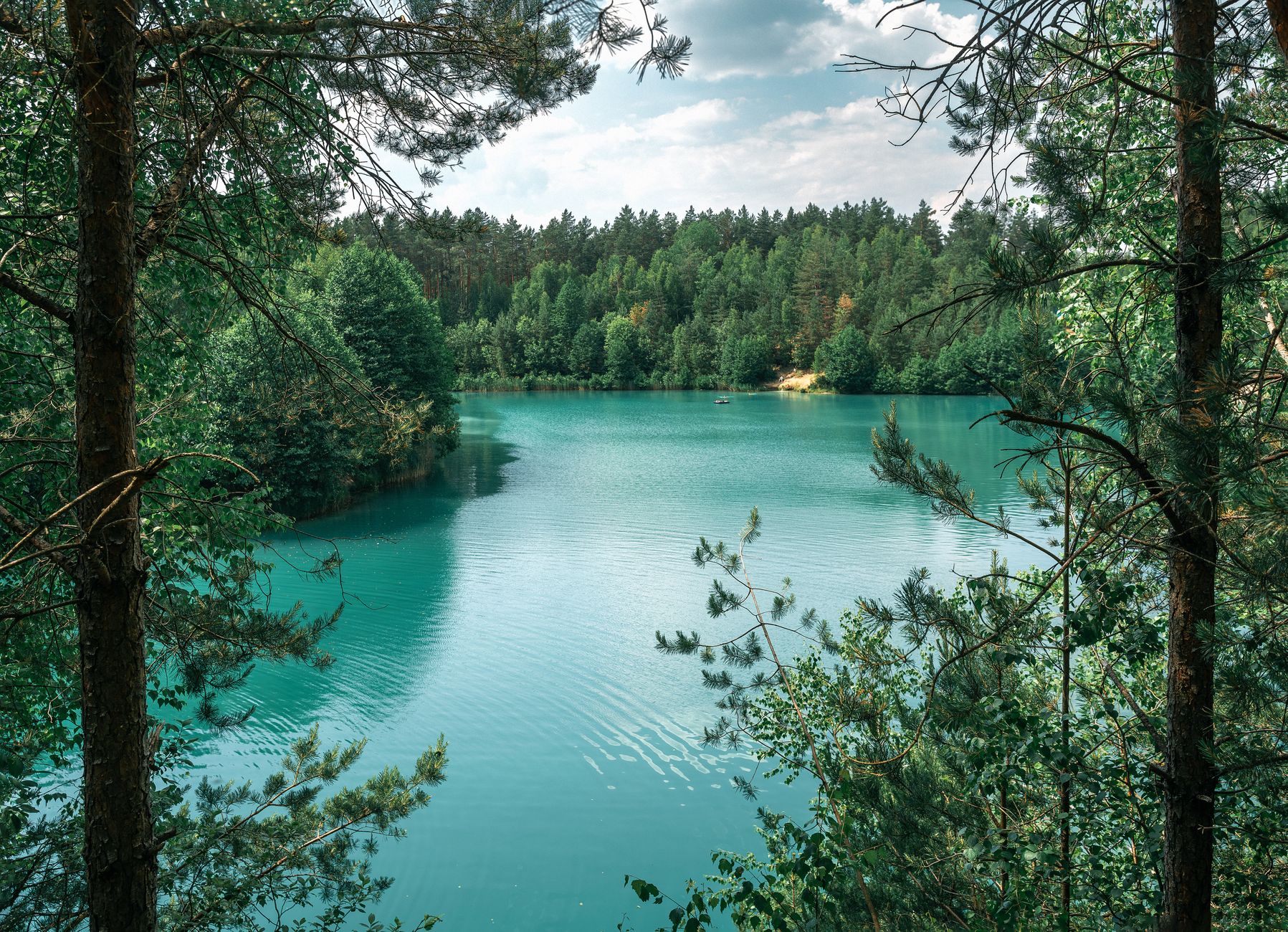
Dreaming of a summer escape without the shoulder-to-shoulder crowds and inflated prices? We've scoured the globe to bring you six breathtaking, less-traveled destinations where authentic adventure and serene beauty await. Get ready to discover your next unforgettable, crowd-free summer sanctuary before everyone else does! ---
Chasing Serenity: My Quest for Summer Sanctuaries Beyond the Selfie Sticks
I’ll never forget my trip to Rome one August. The Colosseum was magnificent, yes, but my enduring memory is of a thousand heads bobbing in front of me, all vying for the same glimpse, the same photo. The air was thick with heat, impatience, and the cloying smell of sweat and sunscreen. That day, I made a vow: no more. No more battling crowds, no more generic tourist traps, no more feeling like just another number in a sea of visitors.
Travel, for me, is about connection. Connection with a place, its people, its history, and most importantly, with myself. It’s about those moments of quiet awe, the thrill of discovery, and the taste of something truly authentic. And let’s be honest, those moments are hard to find when you’re elbow-deep in a queue for a gelato.
Summer, in particular, is a tricky beast. It’s when we all yearn for escape, for sun-kissed adventures and leisurely days. But it’s also when the world’s most famous destinations groan under the weight of mass tourism. So, what’s a wanderlust-filled soul to do?
Simple: Go where they aren't.
Over the years, I’ve honed my skills in sniffing out the world’s best-kept secrets – places that offer mind-blowing beauty, rich culture, and thrilling adventures, all without the overwhelming throngs. These aren't just destinations; they are experiences that will lodge themselves deep in your soul, reminding you why you fell in love with travel in the first place. These are the summer sanctuaries you need to experience before they inevitably get "discovered."
Ready to ditch the crowds and embrace the extraordinary? Let’s dive into six unforgettable escapes that will redefine your summer travel.
---
1. Slovenia: The Emerald Heart of Europe's Alps
Forget the Swiss Alps and their hefty price tags; Slovenia is Europe's best-kept secret for mountain lovers. While Lake Bled draws its fair share of visitors, venture just a little further west into the Julian Alps and the Soča Valley, and you'll find a paradise of electric-blue rivers, dramatic peaks, and charming alpine villages with a fraction of the crowds.
Why it's Crowd-Free: Slovenia is still often overshadowed by its more famous neighbors, Italy and Austria. Most international tourists who do visit tend to stick to Ljubljana and Lake Bled. The Julian Alps, while popular with hikers, are vast enough to absorb visitors without feeling overwhelmed, especially outside of specific trailheads.
What to Do & Experience: My absolute favorite memory from Slovenia is rafting the Soča River. Its waters are an almost unbelievable emerald green, carved by glaciers, and the rapids range from gentle floats to exhilarating rushes. It’s an adventure that leaves you breathless, not just from the adrenaline but from the sheer beauty surrounding you. Beyond rafting, the valley is a hiker's dream. Explore trails in Triglav National Park, Slovenia's only national park, named after its highest peak. For a less strenuous but equally stunning experience, rent a bike and cycle along the river, stopping at quaint cafes in towns like Kobarid or Bovec.
Don't miss Lake Bohinj, often called Bled's quieter, wilder sister. It's larger, surrounded by pristine nature, and perfect for swimming, kayaking, or simply soaking in the serene mountain views. I spent an entire afternoon there just reading by the shore, occasionally dipping my toes into the cool, clear water – pure bliss.
Practical Tips & Details:
- Getting There: Fly into Ljubljana (LJU) and rent a car. It’s essential for exploring the Alps at your own pace. The drive to the Soča Valley is stunning.
- Accommodation: Look for guesthouses or apartments in Bovec or Kobarid. They offer excellent value. Expect to pay €50-€90/night for a charming double room.
- Activities: Rafting tours start from around €50-€70. Hiking is free!
- Food: Indulge in local specialties like "štruklji" (rolled dumplings) and hearty stews. Prices are very reasonable; a good meal with a drink can be had for €15-€25.
- Instagram-Worthy: The electric blue of the Soča River, panoramic mountain vistas from hiking trails, the peaceful reflections on Lake Bohinj, and the hidden waterfalls within the national park.
---
2. The Albanian Riviera: Europe's Untamed Coastline
When you think of a summer beach escape, do Greece, Italy, or Croatia come to mind? It’s time to add the Albanian Riviera to that list. Tucked away across the Adriatic from Italy and just north of Greece, Albania offers pristine turquoise waters, rugged coastline, ancient ruins, and a vibrant culture – all at a fraction of the cost and without the shoulder-to-shoulder sunbathers.
Why it's Crowd-Free: Albania is still emerging on the tourist map after decades of isolation. While word is spreading, its infrastructure is less developed than its neighbors, deterring mass tourism and preserving its raw, authentic charm.
What to Do & Experience: My first glimpse of the Albanian Riviera from the winding Llogara Pass was breathtaking. The Ionian Sea stretched out below, a tapestry of deep blues and aquamarines, dotted with secluded coves. My favorite discovery was Gjipe Beach, a stunning stretch of sand nestled at the mouth of a canyon. It requires a bit of a hike or a boat ride to reach, which keeps the crowds away, making the effort entirely worth it for the peace and crystal-clear waters.
Further south, Dhermi offers a lively but still relaxed vibe with charming guesthouses and beach bars. For a taste of history, explore the ancient ruins of Butrint National Park, a UNESCO World Heritage site that transports you back through Greek, Roman, Byzantine, and Venetian eras. And don't miss the picturesque town of Himara, a perfect base for exploring nearby beaches like Livadhi and Potam. The hospitality here is incredible; I once shared a spontaneous meal of freshly caught grilled fish with a local family who refused payment, simply happy to share their bounty.
Practical Tips & Details:
- Getting There: Fly into Tirana (TIA) and rent a car for the drive south, or fly into Corfu (CFU) and take a ferry to Saranda. A car is highly recommended for exploring the hidden coves.
- Accommodation: Expect comfortable hotels or guesthouses for €40-€80/night.
- Activities: Boat trips to secluded beaches are affordable (around €20-€40 per person). Exploring ancient ruins like Butrint costs about €7-€10.
- Food: Seafood is incredibly fresh and cheap. A delicious meal with wine can be as low as €10-€20. Try "byrek" (savory pastry) from a local bakery.
- Instagram-Worthy: The vibrant turquoise waters of Gjipe Beach, cliffside views from Llogara Pass, the ancient amphitheater at Butrint, and the charming, colorful villages along the coast.
---
3. The Faroe Islands: Where Drama Meets Serenity in the North Atlantic
If your idea of a perfect summer involves crisp air, dramatic landscapes, and a profound sense of solitude, then the Faroe Islands are calling. This remote archipelago, a self-governing territory of Denmark in the North Atlantic, is a haven of green mountains, cascading waterfalls, and turf-roofed houses, largely untouched by mass tourism.
Why it's Crowd-Free: Its remote location, perceived high cost, and often unpredictable weather deter many traditional summer vacationers. This means those who do venture here are typically respectful nature lovers and photographers, ensuring a tranquil experience.
What to Do & Experience: My first morning in the Faroes, I woke to mist clinging to the mountains, only for it to burn off an hour later, revealing a landscape so vivid it felt unreal. Hiking is the undisputed king here. The trail to Drangarnir (the famous sea stack with a hole) or the "floating lake" of Sørvágsvatn/Leitisvatn offers views that will stop you in your tracks. I remember standing on the edge of the cliffs at Sørvágsvatn, watching the waves crash hundreds of feet below, feeling utterly insignificant and completely alive.
Take a boat trip to the Vestmanna Bird Cliffs to witness thousands of seabirds, including puffins (in summer!), nesting on sheer rock faces. Drive the scenic routes, stopping at charming villages like Gjógv with its natural harbor gorge, or Saksun with its iconic turf-roofed church. And, of course, the iconic Múlafossur waterfall plunging directly into the ocean is a sight you won't soon forget. The capital, Tórshavn, is tiny but charming, perfect for a cozy evening meal.
Practical Tips & Details:
- Getting There: Fly into Vágar Airport (FAE). Renting a car is almost essential for exploring the islands independently.
- Accommodation: Hotels are limited and can be pricey (€120-€200/night). Guesthouses or Airbnb apartments offer better value. Book well in advance, especially for summer.
- Activities: Many popular hiking trails now require a fee (around €20-€30) to help maintain paths and manage tourism, but it's worth it for the pristine access. Boat trips are around €50-€70.
- Food: Expect fresh seafood, lamb, and root vegetables. Prices are comparable to Scandinavia, so budget €25-€40 for a main meal.
- Instagram-Worthy: Múlafossur waterfall, the turf-roofed houses of Saksun, the dramatic cliffs of Drangarnir, puffins on Mykines, and the vibrant green landscapes under ever-changing skies.
---
4. Northern Spain (Asturias & Galicia): Green Coasts and Culinary Delights
When most people think of Spain in summer, they envision the scorching beaches of the Costa del Sol or the bustling streets of Barcelona. But head north to the regions of Asturias and Galicia, and you'll discover a completely different Spain: a land of lush green mountains, dramatic wild coastlines, ancient Celtic traditions, and some of the best food in the country – all with refreshingly mild summer temperatures and far fewer tourists.
Why it's Crowd-Free: The Spanish themselves often head south for the intense summer heat, and international tourists often overlook this "Green Spain" in favor of more typical sun-and-sand destinations. The weather is cooler, attracting a different kind of traveler.
What to Do & Experience: My road trip through Asturias and Galicia was a revelation. I started in Oviedo, Asturias' elegant capital, famous for its pre-Romanesque churches and lively cider houses (sidrerías). Experiencing the unique cider-pouring ritual (escanciado) from a great height is a must! Then, it was off to the coast. The beaches here are wilder, often backed by cliffs or forests, perfect for surfing or long, invigorating walks. Playa del Silencio in Asturias lives up to its name, offering stunning beauty and tranquility.
Venture into the Picos de Europa National Park, a truly magnificent mountain range where you can hike through alpine meadows, spot chamois, and visit charming mountain villages. I spent a day hiking around Covadonga Lakes, feeling like I had the world to myself.
In Galicia, the highlight is undoubtedly Santiago de Compostela, the spiritual endpoint of the Camino de Santiago. Even with pilgrims, the city has a profound, peaceful atmosphere. But don't just stay in the city; explore the rugged Costa da Morte (Coast of Death), named for its treacherous waters, with its dramatic lighthouses and fresh seafood. Speaking of seafood, Galicia is a culinary paradise. Indulge in "pulpo a la gallega" (Galician-style octopus) and "percebes" (goose barnacles) – they might look alien, but they're incredibly delicious.
Practical Tips & Details:
- Getting There: Fly into Oviedo (OVD) for Asturias or Santiago de Compostela (SCQ) for Galicia. Renting a car gives you the most flexibility to explore the stunning coast and mountains.
- Accommodation: Charming boutique hotels, rural guesthouses (casas rurales), and city apartments are plentiful and reasonably priced, often €60-€100/night.
- Activities: Hiking in Picos de Europa is free. Visiting cathedrals and museums typically costs €5-€10. A cider tasting can be as little as €10-€15.
- Food: This region is a food lover's dream! Expect incredibly fresh seafood, hearty stews, and a vibrant tapas culture. A fantastic meal with wine can be had for €20-€35.
- Instagram-Worthy: The dramatic cliffs of the Costa da Morte, the lush green mountains of Picos de Europa, the unique cider-pouring ritual, and the stunning architecture of Santiago de Compostela.
---
5. Georgia: A Journey Through Ancient Lands and Towering Caucasus Peaks
Nestled at the crossroads of Europe and Asia, the country of Georgia offers an intoxicating blend of ancient history, vibrant culture, unparalleled hospitality, and breathtaking natural beauty. While Tbilisi is gaining popularity, much of the country, especially its stunning mountain regions and wine country, remains refreshingly uncrowded, offering an authentic summer adventure unlike any other.
Why it's Crowd-Free: Despite its growing recognition, Georgia is still largely off the beaten path for Western tourists, especially compared to its European counterparts. This means you can experience its unique charm without the usual tourist crush.
What to Do & Experience: My journey through Georgia felt like stepping back in time. Start in Tbilisi, the capital, a captivating mix of ancient churches, art nouveau buildings, and Soviet-era structures, all set against a dramatic hillside. Wander through the atmospheric Old Town, take a sulfur bath, and ride the cable car to Narikala Fortress for panoramic views.
But the real magic lies beyond the city. Head north into the Caucasus Mountains. The drive along the Georgian Military Highway to Kazbegi (Stepantsminda) is legendary, culminating in the iconic Gergeti Trinity Church perched dramatically against the backdrop of Mount Kazbek. The hike up to the church, with its sweeping views, was a moment of profound peace and awe for me.
Then, immerse yourself in the ancient wine region of Kakheti. Georgia is the birthplace of wine, with a tradition stretching back 8,000 years, using unique qvevri (clay amphorae) for fermentation. I spent a memorable afternoon at a family-run winery, tasting natural wines and sharing a Supra (traditional Georgian feast) with locals – an experience of hospitality that will stay with me forever. For more rugged adventure, explore the remote region of Svaneti, with its medieval defensive towers and stunning trekking opportunities around Mestia and Ushguli.
Practical Tips & Details:
- Getting There: Fly into Tbilisi (TBS). Marshrutkas (minibuses) connect major towns and are very cheap, but for more flexibility, consider hiring a driver for specific routes or renting a car (though mountain roads can be challenging).
- Accommodation: Hotels in Tbilisi range from €50-€100/night. Guesthouses in smaller towns are very affordable, often €20-€40/night.
- Activities: Hiking is free. Wine tours typically cost €30-€60 depending on the number of wineries and food included.
- Food: Georgian cuisine is incredible and very affordable. Don’t leave without trying "khachapuri" (cheese bread), "khinkali" (dumplings), and various meat stews. A lavish meal can be had for €15-€25.
- Instagram-Worthy: Gergeti Trinity Church against the Caucasus, the colorful balconies of Tbilisi Old Town, ancient Svan towers, and sprawling vineyards in Kakheti.
---
6. Montenegro's Wild North: Beyond the Bay of Kotor
Everyone flocks to Montenegro's stunning Bay of Kotor, and for good reason – it's breathtaking. But in summer, its medieval towns can feel like a sardine can. For those seeking Montenegro's true wild heart, where colossal mountains meet emerald lakes and canyons carve through the landscape, head north to Durmitor National Park and its surrounding regions. This is where Montenegro truly lives up to its name, "Black Mountain," and it offers an adventure-packed, crowd-free summer escape.
Why it's Crowd-Free: While the coast attracts cruise ships and beachgoers, Montenegro's mountainous interior is largely overlooked by mass tourism. It appeals to hikers, adventurers, and those seeking raw natural beauty.
What to Do & Experience: My first encounter with Durmitor National Park was nothing short of awe-inspiring. The Black Lake (Crno Jezero), framed by towering pine forests and the peaks of Durmitor, is a serene spot perfect for a gentle stroll or a refreshing dip. But the real thrill came from rafting the Tara River Canyon, Europe's deepest canyon. The turquoise waters, the sheer cliffs, and the exhilarating rapids made for an unforgettable day. It was pure adrenaline combined with unparalleled natural beauty.
Beyond rafting, Durmitor offers incredible hiking. Tackle the ascent to Bobotov Kuk, the park's highest peak, for panoramic views that stretch for miles. Explore the numerous glacial lakes (known as "mountain eyes"). A personal highlight was visiting the surreal Ostrog Monastery, carved dramatically into a cliff face. It’s a place of profound spiritual significance and architectural wonder, offering incredible views of the Bjelopavlići plain.
Don't forget Biogradska Gora National Park, one of Europe's last remaining primeval forests, centered around the beautiful Lake Biograd. It's a quieter, more intimate nature experience, perfect for forest bathing and easy walks.
Practical Tips & Details:
- Getting There: Fly into Podgorica (TGD) or Tivat (TIV). Renting a car is highly recommended to explore the national parks and move between towns. The drive itself is spectacular.
- Accommodation: Stay in Žabljak, the main town for Durmitor National Park. Guesthouses and small hotels are abundant and very affordable, often €30-€60/night.
- Activities: Rafting tours on the Tara River start around €40-€60. Hiking in Durmitor is free (there's a small entrance fee to the park, around €3-€5).
- Food: Hearty mountain cuisine dominates. Try "kačamak" (cornmeal and cheese dish) and grilled meats. Meals are very budget-friendly, often €10-€20.
- Instagram-Worthy: The emerald waters of Tara River Canyon, the serene Black Lake, the dramatic cliffside Ostrog Monastery, and the towering peaks of Durmitor.
---
Your Summer, Your Sanctuary
There you have it: six incredible summer destinations that promise adventure, beauty, and authenticity without the soul-crushing crowds. These are places where you can truly connect with your surroundings, where local smiles are genuine, and where the memories you make will be etched deeper than any hurried photo op.
This isn't just about avoiding crowds; it's about embracing a richer, more meaningful way to travel. It's about seeking out the hidden gems before they sparkle too brightly for everyone else. It's about experiencing the world on your terms, finding your own summer sanctuary, and collecting stories that truly belong to you.
So, what are you waiting for? Stop dreaming of the same old crowded spots and start planning an adventure that will truly set your soul alight. Which of these crowd-free havens will you explore first?
Share your own hidden summer gems in the comments below! What's your next unforgettable, crowd-free adventure?
---
More pictures

Tags
Share this guide
We may earn a commission if you click a link and buy a product or service, at no extra cost to you. How affiliate links work.
Been there?