
Forget picture-perfect smoothie bowls; the real culinary adventures lie where influencers fear to tread. We're diving deep into the world of street foods that look terrifying but explode with flavor, proving that sometimes, the best experiences are found far outside your comfort zone. Get ready to challenge your taste buds and discover the delicious secrets mainstream travel doesn't want you to know! ---
"You're actually going to eat that?"
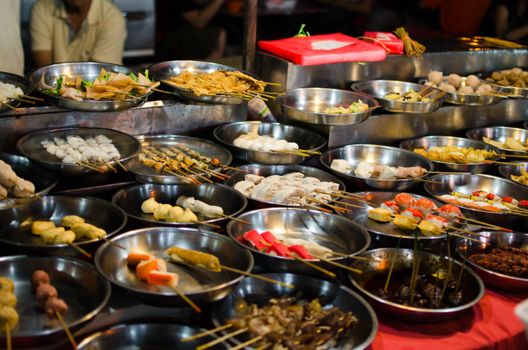
The question hung in the humid Bangkok air, laced with a mixture of disbelief and genuine horror from my travel companion. In my hand, I held a skewer of what looked suspiciously like a giant, deep-fried beetle – glistening under the flickering market lights, its legs curled in a rather unappetizing fashion. My friend, a self-proclaimed "foodie" who meticulously curated her Instagram feed with aesthetically pleasing avocado toasts and vibrant smoothie bowls, was visibly repulsed. She’d spent the last hour documenting every "cute" trinket and "safe" mango sticky rice stall, but this? This was beyond her carefully constructed comfort zone.
I took a bite. A satisfying crunch echoed in my ears, followed by a burst of savory, slightly nutty flavor, seasoned perfectly with a hint of chili and lime. My eyes widened. It wasn't just good; it was unexpectedly, incredibly delicious. My friend’s jaw dropped. "What… what does it taste like?" she stammered.
That moment, standing amidst the chaotic symphony of a bustling Thai night market, was a revelation. It wasn't about the perfect filter or the most photogenic dish. It was about raw, authentic experience; about pushing boundaries and discovering that sometimes, the most intimidating appearances hide the most extraordinary tastes.
In a world saturated with picture-perfect travel feeds, where every dish is curated for maximum likes, it’s easy to stick to the familiar. But what if I told you that the most mind-blowing flavors, the truly unforgettable culinary adventures, are often hidden behind the most "scary" or visually challenging facades? These are the street foods that influencers often shy away from, not because they don't taste amazing, but because they don't fit the 'pretty' narrative.
At Tripsora, we believe in embracing the authentic, the adventurous, and yes, sometimes, the downright weird. So, buckle up, buttercups! We’re about to embark on a global gastronomic journey, peeling back the layers of apprehension to reveal the incredible street food secrets that are too delicious to ignore. Get ready to explore the foods that look scary but taste absolutely amazing – and trust me, your taste buds will thank you.
1. Balut, Philippines: The Embryonic Enigma
Let’s kick things off with a true icon of challenging street food: Balut. Hailing from the Philippines, this fertilized duck egg, incubated for 14 to 21 days, is probably the most famous "fear factor" food out there. When you crack open the shell, you might see a partially formed duck embryo, complete with feathers, beak, and tiny bones. Yeah, I know. It sounds intense.
My first encounter with Balut was in the bustling streets of Manila, near a lively karaoke bar. A vendor, with a warm, knowing smile, offered me one. My heart pounded. I’d seen videos, read descriptions, but nothing prepared me for the actual moment of holding it. Taking a deep breath, I gently tapped the top of the shell, peeled back a small opening, and sipped the rich, savory broth inside – often seasoned with vinegar and salt. That first sip was a revelation: intensely flavorful, like a concentrated chicken soup.
Then came the solid part. I closed my eyes, took a bite, and braced myself. What I found was a surprisingly tender yolk, a creamy albumen, and yes, a slightly chewy, fully formed embryo. But here’s the kicker: it wasn't gross. It was incredibly rich, savory, and satisfying, with a unique blend of textures. The bones were soft and easily chewable, adding a slight crunch. It felt nourishing, almost primal.
Why it’s amazing: Beyond the initial shock, Balut is a protein-packed, flavorful snack. The broth is a delicious starter, and the combination of textures – creamy, firm, slightly chewy – makes for a truly unique experience. It’s a staple for a reason! Where to find it & price: Ubiquitous across the Philippines, especially in night markets and from street vendors. Expect to pay 15-30 PHP (around $0.25-$0.50 USD) per egg. Tripsora Tip: Start by sipping the broth. Don't overthink the visual; focus on the taste. Add a dash of chili-garlic vinegar for an extra kick!
2. Stinky Tofu, Taiwan & Hong Kong: The Olfactory Overlord
Before you even see it, you’ll smell it. Stinky Tofu, a fermented tofu dish popular in Taiwan, Hong Kong, and parts of mainland China, announces its presence with an aroma that can only be described as a pungent blend of rotting garbage, old socks, and maybe a hint of blue cheese. It’s a smell that makes many Westerners recoil immediately. But please, please, don’t let the smell deter you.
My first whiff was in Taipei’s Shilin Night Market. It hit me like a brick wall, instantly making my eyes water. I genuinely thought something had gone horribly wrong with the sanitation. Then I saw the queue: a long line of eager locals patiently waiting for their fix. Curiosity, as always, trumped my gag reflex. I ordered a small plate of deep-fried stinky tofu, served with pickled cabbage and a generous dollop of chili sauce.
The moment the crispy, golden-brown cube entered my mouth, everything changed. The pungent aroma miraculously transformed into a complex, savory, and deeply umami flavor. The exterior was perfectly crisp, giving way to a soft, custardy interior that absorbed all the delicious sauces. It was rich, fermented, and utterly addictive. The pickled cabbage cut through the richness, providing a refreshing counterpoint. I went back for seconds. And thirds.
Why it’s amazing: The smell is a protective barrier for a reason! Stinky Tofu offers a profound umami experience, a depth of flavor that can only come from fermentation. It's crispy, tender, and incredibly satisfying. Where to find it & price: Night markets are your best bet (Shilin Night Market in Taipei, Temple Street Night Market in Hong Kong). Prices range from 50-100 TWD (around $1.50-$3.50 USD) for a generous portion. Tripsora Tip: Opt for the deep-fried version first; the crispy exterior helps contain the aroma. Don't forget the chili sauce and pickled veggies – they're essential!
3. Sannakji, South Korea: The Wriggling Wonder
If the idea of eating something alive makes your stomach churn, then Sannakji, or live octopus, from South Korea, is probably your ultimate culinary Everest. Served immediately after being dismembered, the octopus tentacles continue to writhe and move on your plate due to residual nerve activity. It's a visually shocking experience that makes many influencers opt for the safer Bibimbap.
I first encountered Sannakji at Seoul’s Noryangjin Fish Market, a sensory overload of fresh seafood, shouting vendors, and the undeniable smell of the ocean. After selecting a small octopus, it was whisked away, chopped, and presented within minutes. Watching the tentacles curl and stick to the plate was certainly… eye-opening. There's a nervous thrill that comes with eating something still moving.
With a deep breath and a quick dip in sesame oil, I picked up a piece. The texture was surprisingly firm and incredibly chewy, not slimy as I'd imagined. The flavor was pure, fresh ocean – clean and slightly sweet, complemented beautifully by the nutty sesame oil and a hint of salt. The challenge wasn’t the taste, which was delicious, but the sensation of the suction cups lightly adhering to my tongue and palate. It’s an experience that engages all your senses, making it truly unforgettable.
Why it’s amazing: Beyond the novelty, Sannakji is incredibly fresh, offering a unique texture and pure oceanic flavor. It's a thrilling, adrenaline-pumping culinary adventure. Where to find it & price: Noryangjin Fish Market in Seoul is iconic, but many seafood restaurants will offer it. Expect to pay 15,000-30,000 KRW (around $12-$25 USD) depending on the size of the octopus. Tripsora Tip: Chew thoroughly! The suction cups can pose a choking hazard if not properly masticated. Don't be shy with the sesame oil and salt dip.
4. Chapulines, Mexico: The Crunchy Critters
Let’s talk bugs! Specifically, grasshoppers. Chapulines, as they're known in Mexico, especially in Oaxaca, are a pre-Hispanic delicacy that might make you squirm. Typically toasted on a comal (griddle) with garlic, lime, and chili, they are served as a snack, a topping, or even inside tacos. The sight of a pile of crunchy insects might not scream "delicious" to everyone, but trust me, these little guys are packed with flavor.
My introduction to Chapulines was in a bustling market in Oaxaca City. I’d seen them piled high in baskets, their tiny legs and antennae visible, and initially walked right past. But my local guide insisted, "You must try them. They are like savory chips!" Skeptical, but always up for a challenge, I bought a small bag.
The first bite was a revelation. They were incredibly crunchy, almost like a crisp potato chip, but with a distinct earthy, slightly nutty flavor. The lime added a zesty tang, and the chili a gentle warmth. They were addictive! I found myself grabbing handful after handful, completely forgetting I was eating insects. They're a fantastic source of protein, too, and environmentally sustainable. I even started adding them to my guacamole and tacos for an extra layer of crunch and flavor.
Why it’s amazing: Chapulines are a fantastic, protein-rich snack with a satisfying crunch and a savory, tangy, and spicy flavor profile. They're an ancient delicacy that's both delicious and culturally significant. Where to find it & price: Widely available in markets throughout Oaxaca, Mexico, and from street vendors. A small bag can cost as little as 20-50 MXN (around $1-$2.50 USD). Tripsora Tip: Start with a small portion. Try them plain, then with extra lime and chili. They pair incredibly well with a cold cerveza or a shot of mezcal!
5. Durian, Southeast Asia: The King of Smells
The Durian. Oh, the Durian. This spiky, formidable fruit, often called the "King of Fruits" in Southeast Asia, is less about its looks (though its spiky exterior is intimidating) and more about its infamous smell. It’s a scent so powerful, so polarizing, that it’s banned from many hotels, public transport, and airports across the region. People describe it as anything from rotten onions and old gym socks to turpentine and sewage.
My first encounter was in a bustling fruit market in Penang, Malaysia. I braced myself. The smell is intense – a peculiar mix of sweet, savory, and something vaguely sulfurous. It’s not pleasant, not at first. But then, the vendor skillfully cracked open a spiky husk, revealing golden, custardy pods of flesh. He handed me a piece.
Hesitantly, I took a bite. The texture was incredibly creamy, almost like a rich, ripe avocado mixed with custard. The flavor, surprisingly, was a complex symphony: intensely sweet, subtly bitter, with hints of almond, caramel, and yes, a faint, oniony musk that somehow worked. It wasn't just sweet; it had layers of savory depth. It's an acquired taste, yes, but one that, once acquired, becomes an obsession. I became a convert, seeking out fresh durian whenever I was in the region.
Why it’s amazing: Durian offers an unparalleled creamy texture and a complex, rich flavor profile that is unlike any other fruit. It's a truly unique gastronomic experience that challenges your preconceptions about fruit. Where to find it & price: Markets across Thailand, Malaysia, Singapore, Indonesia, and Vietnam. Prices vary greatly by season and variety, from a few dollars for a small piece to $20-$50+ for a whole premium fruit. Tripsora Tip: Eat it fresh and outdoors. Don't bring it into your hotel room! If you're new to it, try a small piece from a reputable vendor who can guide you to a good, ripe one.
6. Fried Insects, Thailand & Cambodia: The Crunchy Protein Power-Up
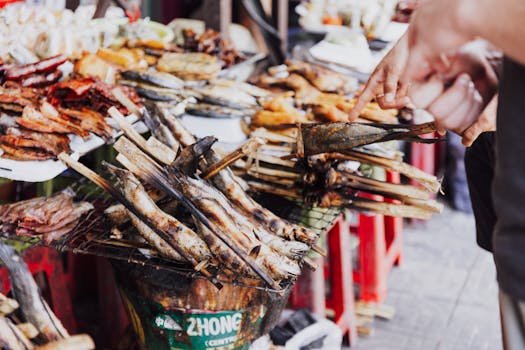
Remember my beetle story from the intro? That’s just the tip of the iceberg when it comes to fried insects in Southeast Asia. From crickets and grasshoppers to silkworms, bamboo worms, and even tarantulas, these crunchy critters are a common sight at night markets, especially in Thailand and Cambodia. For many, the idea of eating an insect is a huge mental block, but these are often seasoned and fried to perfection.
My journey into the world of entomophagy (eating insects) started cautiously in Chiang Mai, Thailand, with a small bag of fried crickets. They were seasoned with salt and pepper, and surprisingly, tasted like tiny, crispy potato chips with a hint of nuttiness. Encouraged, I moved on to silkworms – plump, slightly earthy, and surprisingly creamy inside.
The ultimate challenge came in Siem Reap, Cambodia, with a deep-fried tarantula. It was big, hairy, and definitely looked like something that belonged in a horror movie, not on a plate. But after seeing locals enjoy them, I took the plunge. The legs were incredibly crispy, like spider-shaped potato sticks, and the body, while a bit softer, had a unique, slightly gamey, nutty flavor. It was less about the taste (which was decent) and more about the incredible mental hurdle overcome and the sheer thrill of it.
Why it’s amazing: Insects are a sustainable, protein-rich food source. When fried and seasoned correctly, they offer a satisfying crunch and a variety of earthy, nutty, or savory flavors. It’s a truly adventurous and culturally immersive snack. Where to find it & price: Widely available in night markets (e.g., Khao San Road in Bangkok, Pub Street in Siem Reap). A small bag of crickets can be as little as 20-50 THB/KHR (around $0.50-$1.50 USD). Tarantulas will be more, around $5-$10 USD. Tripsora Tip: Start with smaller, less intimidating insects like crickets or bamboo worms. Look for busy stalls with fresh oil. Don't think, just crunch!
Practical Tips for Your Own Scary-But-Amazing Food Adventure
Ready to ditch the safe zone and dive into the delicious unknown? Here’s how to make your adventurous eating experience both thrilling and safe:
- Go with a Local: If possible, have a local friend or guide introduce you. They know the best spots, can help with ordering, and explain how to eat each dish properly.
- Look for Queues: A long line of locals is almost always a sign of good, fresh, and delicious food. High turnover means ingredients are constantly being replenished.
- Start Small: Don't commit to a huge portion right away. Most street foods are cheap enough to try a small bite or a single serving.
- Observe Hygiene: While street food is inherently rustic, look for stalls that appear clean, have fresh-looking ingredients, and handle food properly. Busy stalls are generally safer as food doesn't sit around.
- Ask Questions (or point!): Don't be afraid to ask about ingredients or how to eat something. Even if there's a language barrier, pointing and smiling often works wonders.
- Stay Hydrated: Always carry water, especially in hot climates.
- Be Open-Minded: The biggest hurdle is often mental. Approach these foods with curiosity and an adventurous spirit, and you might just discover your new favorite snack.
- Pace Yourself: Don't try everything at once. Give your stomach (and mind) time to adjust to new flavors and textures.
The Taste of True Adventure
Stepping out of your culinary comfort zone isn't just about trying new foods; it's about embracing new cultures, challenging your perceptions, and creating unforgettable memories. These "scary" street foods are more than just dishes; they're gateways to understanding local traditions, resilience, and the sheer joy of flavor.
While influencers might stick to what’s 'pretty' for the gram, the real gems, the truly authentic experiences, are often found where the brave dare to venture. So, next time you're traveling, bypass the predictable and seek out the extraordinary. You might just find that the scariest-looking dish is the one that tastes the most amazing.
What's the scariest-looking food you've ever tried that blew your mind? Share your stories and photos with us using #TripsoraFoodDare and tag @Tripsora on Instagram! Let's inspire more travelers to taste the adventure!
---
More pictures
Tags
Share this guide
We may earn a commission if you click a link and buy a product or service, at no extra cost to you. How affiliate links work.
Been there?