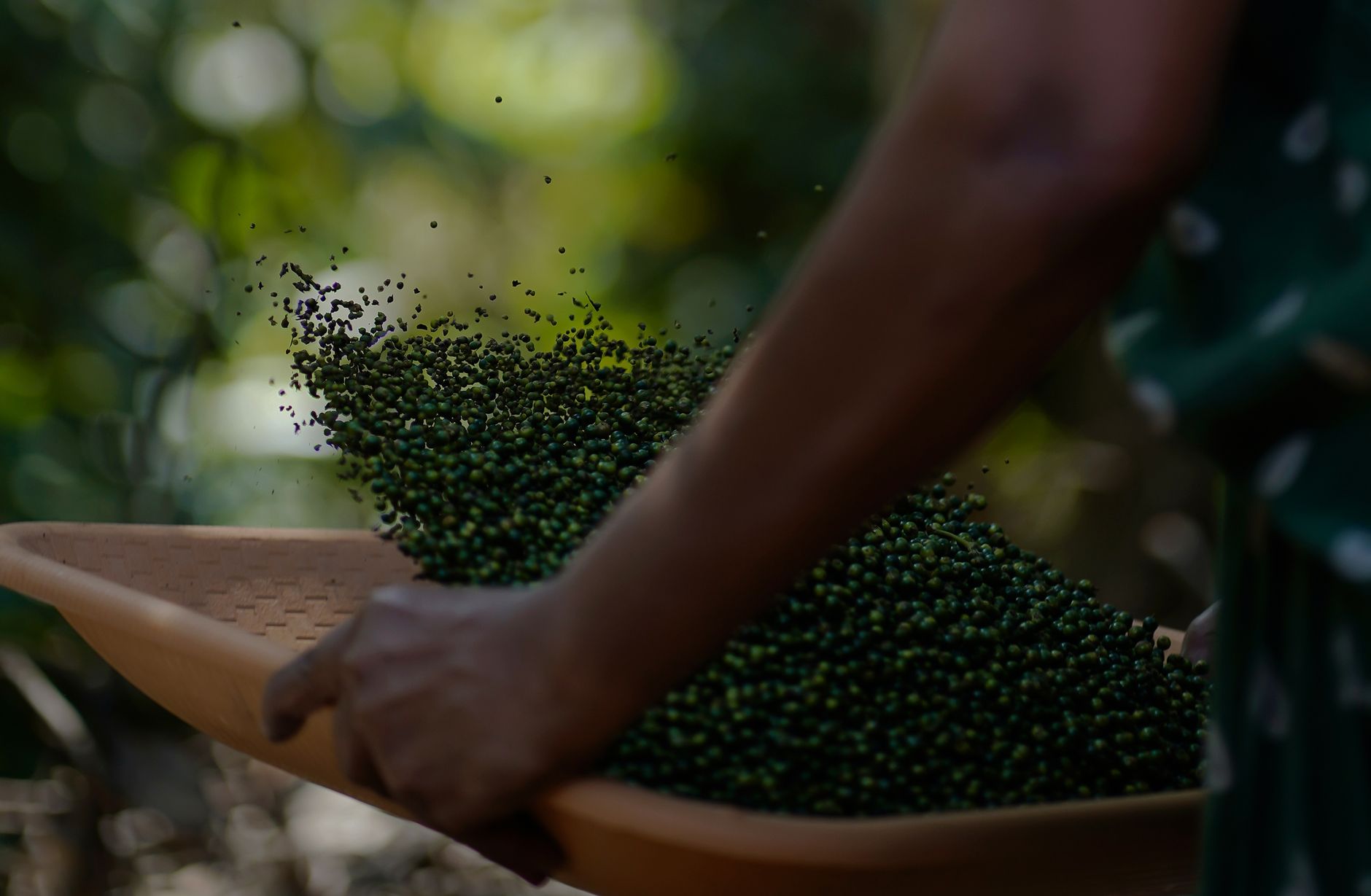
Forget bland souvenirs! Dive headfirst into vibrant spice plantations, unearthing *actual* secret ingredients and expert flavour hacks directly from the source. Your tastebuds will thank you. ---
Spice Plantations: Revealing Secret Ingredients Right Now
I stepped off the rickety train, the air thick with a symphony of scents I’d only ever encountered in hushed whispers from Michelin-starred chefs. It wasn't just one aroma; it was a complex perfume of earth, sun, and something intensely, intoxicatingly spicy. I was in the heart of Kerala, India, a region synonymous with the very essence of flavour, and I was about to peel back the layers of a world I thought I knew. For too long, the magic of spices has been confined to neat little jars on supermarket shelves. But here, amidst the emerald foliage and the hum of unseen insects, the true secrets of these potent natural treasures were waiting to be revealed.
The Scent of Discovery: Beyond the Spice Rack
My journey began with a whisper – a rumour of "secret ingredients" that chefs guarded jealously. I’d always been a culinary adventurer, but my travels had mostly focused on the finished product: the bustling markets, the aromatic street food, the elegant restaurant plates. This time, I was going to the source. I wanted to understand why a pinch of this or a dash of that could transform a dish from ordinary to extraordinary.
My first stop was a small, family-run spice plantation nestled on a hillside. The owner, a man named Rajan with eyes that twinkled like star anise, greeted me not with a handshake, but with a sprig of freshly picked curry leaves, crushed gently between his fingers. The immediate burst of citrusy, slightly peppery fragrance was a revelation. This wasn't the dried, muted scent I was used to; this was alive.
"This," he said, his voice a low rumble, "is the soul of our cooking. Not just for flavour, but for health too." He explained how the leaves, when fresh, release potent volatile oils that are lost in the drying process. This was my first secret ingredient: the power of fresh herbs, used liberally and with intention.
Pro-Tip: Always ask to smell fresh herbs before they're dried. The difference is astounding and will change how you view your own cooking.
Unearthing the Roots of Flavour: Beyond Cinnamon Sticks
We moved deeper into the plantation, the air growing even richer. Rajan pointed to a gnarled tree. "Cinnamon," he announced. But this wasn't the brittle, dusty bark I knew. He carefully peeled a thin strip from a young branch. The aroma was sweet, warm, and incredibly complex, with floral undertones I'd never detected before.
"The best cinnamon is from the inner bark of young trees," he explained. "And it's best when it's rolled fresh. The outer bark, it is good for mulch, not for your palate." He then showed me the difference between true Ceylon cinnamon and the more common Cassia. The former, he said, had a delicate sweetness, while the latter was sharper, more pungent.
My mind raced. How many times had I grabbed a pre-ground cinnamon without a second thought? This was a lesson in understanding the provenance and specific varietal of your spices.
Insider Lingo: Rajan called the younger, more pliable bark "virgin cinnamon" – a term I’d never heard before, but one that perfectly captured its delicate quality.
The Elusive 'Secret' of Cardamom: More Than Just a Pod
Cardamom. The queen of spices. I thought I knew her. But standing under the shade of cardamom plants, their long, elegant leaves rustling, I realized I was a mere acquaintance. Rajan showed me the different types: green, black, and white.
"Green cardamom is for sweet dishes and for our chai," he said, holding up a plump green pod. "But black cardamom, smoky and intense, that is for our rich meat curries. It gives a depth you cannot achieve otherwise." He then demonstrated how to crack open a green pod, revealing the tiny black seeds within. "Always use the seeds, not just the pod. And crush them just before you use them. The flavour fades fast."
He then revealed a truly ‘secret’ ingredient for me: cardamom flowers. "When they bloom," he whispered, "we collect them. They have a subtle floral note, a hint of perfume. Used in delicate desserts or infused in milk, they are divine." I had never even considered the flower.
Pro-Tip: Buy whole cardamom pods and grind the seeds yourself just before cooking. Store them in an airtight container away from light and heat.
The Fiery Heart: Unlocking Chili’s True Potential
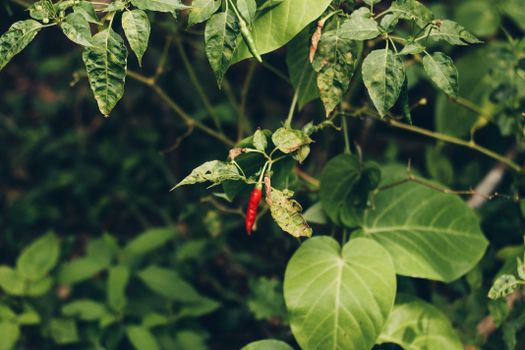
The air grew warmer as we approached the chili plants. Varieties I’d only seen in pictures – bird’s eye, Kashmiri, ghost peppers – were growing in abundance. Rajan picked a small, vibrant red chili.
"This one," he said, a mischievous glint in his eye, "is not just for heat. It has a fruity undertone. The secret is to remove the seeds for less heat, or roast the dried chilies before grinding to bring out their smoky flavour." He then showed me a small bowl of dried, sun-bleached chilies. "We toast these lightly over a charcoal fire. It transforms them. You get a complex flavour, not just a burn."
He also shared a family secret: a paste made from roasted chilies, garlic, ginger, and a touch of tamarind. "This," he declared, "is the base for so many of our dishes. It's our flavour foundation."
Quick Facts: Spice Plantation Visit (Kerala, India)
| Category | Details | Estimated Cost ($) | Best Time to Visit | How to Get There | | :----------------- | :---------------------------------------------------------------------- | :----------------- | :----------------- | :------------------------------------------------------------------------------------------------------------------------------------------------------------------------------------------------------------------------------------------------------------------------------------------------------------------------------------------------------------------------- | | Plantation Tour | Guided walks, tasting, learning about spice cultivation and uses. | $10 - $30 | October - March | Fly into Kochi (COK) or Thiruvananthapuram (TRV). Hire a taxi or take a bus to Munnar, Thekkady, or Wayanad regions. Many resorts and homestays can arrange tours directly. | | Spice Shopping | Freshly ground spices, whole spices, spice oils, handmade spice blends. | Varies | Year-round | Purchase directly from plantations, local markets, or reputable spice shops. | | Accommodation | Homestays, eco-lodges, boutique hotels. | $40 - $150+ | Year-round | Book in advance, especially during peak season. | | Food | Local cuisine, often featuring fresh spices from the region. | $5 - $20 per meal | Year-round | Explore local 'toddy shops' for authentic Keralan fare. |
The Unsung Heroes: Turmeric and Ginger
We moved to plants I recognized more readily: turmeric and ginger. But the reality was far more vibrant than the powdered versions I’d seen. Rajan dug up a fresh turmeric root, its flesh a brilliant, almost neon orange.
"This is not just for colour," he said, rubbing it on his fingers, leaving a temporary stain. "It's a powerful anti-inflammatory. And when it's fresh, its flavour is earthy, peppery, and slightly bitter. We use the juice, the grated root, the leaves – everything."
He showed me how they dried and ground their turmeric, and then the secret: a tiny pinch of black pepper added to turmeric powder. "This," he explained, "enhances the bioavailability of curcumin, the active compound. It's an ancient wisdom."
Ginger, too, was a revelation. The sharp, pungent bite was there, but also a subtle sweetness and a fragrant zest. He showed me how to make a simple ginger tea with honey and lemon, and then a ginger pickle that was both fiery and tangy.
Insider Lingo: Locals refer to turmeric as "the golden spice" and ginger as "the warming root."
Beyond the Familiar: Discovering Vanilla and Nutmeg
My journey continued to Sri Lanka, where the air was thick with the sweet, heady scent of vanilla. I visited a small farm where vanilla vines climbed trellises, their delicate white flowers blooming for only a few hours each day.
"The pollination must be done by hand, at dawn," the farmer explained. "It is a delicate process. And then, the curing takes months. That is why good vanilla is so precious." He showed me how to identify good quality vanilla beans – plump, oily, and fragrant.
He also shared a secret for enhancing vanilla flavour: a tiny pinch of salt. "It balances the sweetness and brings out the deeper notes," he explained.
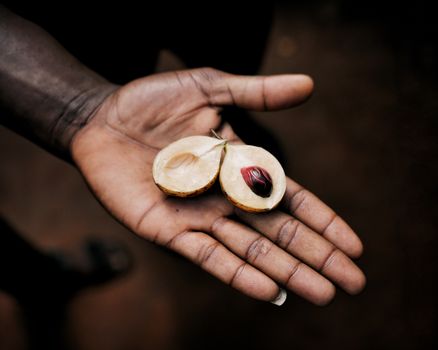
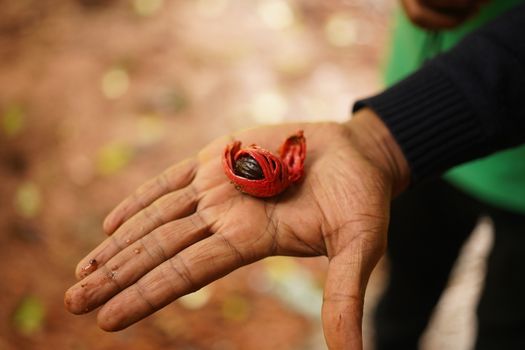
Next, it was off to Zanzibar, the legendary Spice Island. Here, nutmeg and cloves were king. I walked through groves of nutmeg trees, the fruit split open to reveal the crimson mace surrounding the hard shell of the nut.
"Mace," the guide explained, "is more delicate and fragrant than nutmeg. It has a subtle sweetness and a lighter flavour. We use it in custards, cakes, and even some savoury dishes." He then showed me how to grind fresh nutmeg. The aroma was intoxicating, far superior to anything from a pre-ground container.
Pro-Tip: Buy whole nutmeg and grate it fresh for the most intense flavour. A little goes a long way!
The True Secret Ingredient: Connection and Respect
As my journey drew to a close, I realized the 'secret ingredients' weren't just exotic spices or specific techniques. The real secrets were far more profound. They were about:
- Freshness: The undeniable power of using ingredients at their peak.
- Variety: Understanding that "cinnamon" or "chili" are not monolithic categories, but diverse families of flavour.
- Technique: Simple methods like toasting, grinding, and combining ingredients that unlock hidden depths.
- Respect: The deep understanding and reverence that farmers and cooks have for these natural treasures.
The true secret ingredient, the one that infuses every dish with soul, is the connection to the source and the respect for the journey of the spice from seed to plate. It’s about understanding the earth, the sun, and the hands that cultivate these incredible flavours.
My advice to you? Seek out these plantations. Engage with the farmers. Smell the fresh leaves, taste the raw roots, and ask questions. Because when you do, you're not just buying a spice; you're unlocking a world of flavour, a rich history, and a secret ingredient that will transform your cooking forever.
---
More pictures
Tags
Share this guide
We may earn a commission if you click a link and buy a product or service, at no extra cost to you. How affiliate links work.
Been there?