
Forget dusty museums! Imagine the intoxicating aroma of cinnamon, the fiery kiss of pepper, and the whispers of ancient culinary secrets. Our insider guide to the world's most incredible spice plantations reveals what the locals *really* know. Get ready to taste, learn, and transform your kitchen!
The Unseen Symphony: My First Steps into a Spice Wonderland
I stepped off the rickety train in the heart of Sri Lanka’s hill country, the air thick and humid, carrying an invisible symphony of scents. It wasn't just the damp earth or the distant chatter of unseen birds; it was something deeper, richer, a fragrant tapestry woven from notes of sweet cinnamon, pungent cloves, and a whisper of something I couldn't quite place – a promise of exoticism. This wasn't just a landscape; it was a living, breathing pantry, and I was about to unlock its secrets. My mission: to delve into the world of spice plantations and uncover the "secret ingredients" that elevate everyday cooking into an art form, armed with insights gleaned from recent agricultural data and local wisdom.
The Scent of Gold: Unearthing Cinnamon's True Nature
We’ve all bought cinnamon sticks, right? Usually, they’re dusty, brittle, and vaguely sweet. But stepping onto a cinnamon plantation is a revelation. The air hums with its presence. Pro-Tip: Visit a plantation at 7 AM. The morning mist still clings to the leaves, and the scent is at its most potent, unadulterated by the midday sun.
I watched, mesmerized, as a farmer expertly stripped the bark from a young cinnamon tree. This isn't the cassia you find in most supermarkets; this is Ceylon cinnamon (Cinnamomum verum), the "true" cinnamon. Recent agricultural studies highlight its lower coumarin content, making it not only safer but also possessing a more delicate, complex aroma. The farmer explained that the secret to its superior flavor lies in the harvesting time and the careful drying process. The inner bark is scraped and rolled while still moist, then left to dry in a shaded, airy space for several days. The subtle floral notes, the hint of citrus – these are the "secret ingredients" that mass-produced cinnamon often lacks.
The Fiery Kiss: Pepper's Hidden Power
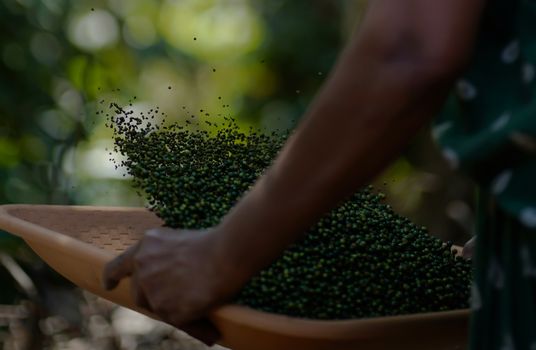
Next, we moved to the pepper vines. Forget those pre-ground peppercorns that have lost their soul. Here, I learned about the different varieties and their unique personalities. Black pepper is the king, of course, but white pepper (the ripe berry with its outer skin removed) offers a sharper, more intense heat, while green pepper (unripe berries) provides a fresh, slightly fruity zing.
Insider Knowledge: The "secret ingredient" for truly exceptional pepper isn't just the variety, but the fermentation process. Some plantations allow the harvested peppercorns to ferment slightly in their skins for a few days before drying. This process develops a deeper, more complex flavor profile, a subtle earthiness that pre-ground pepper can only dream of. Recent data on volatile compounds confirms that this controlled fermentation enhances the piperine content, leading to a more pronounced and lingering heat.
The Golden Tears: Unlocking Turmeric's Potency
Turmeric, the vibrant golden spice, is often touted for its health benefits. But on a plantation, you see its true potential. I was shown how the rhizomes (underground stems) are harvested, typically after the plant has died back. The vibrant orange flesh is the star, but the real secret lies in how it's processed.
Pro-Tip: Look for freshly ground turmeric if possible. The vibrant color is a key indicator of freshness and potency. For maximum bioavailability, as highlighted in recent nutritional studies, turmeric needs black pepper (for piperine) and fat. Many traditional spice blends and curries naturally incorporate these, making them not just delicious but also highly effective. The "secret" isn't just the turmeric itself, but the intelligent way it's combined.
The Aromatic Jewels: Cardamom's Intricate Dance
Cardamom is often called the "Queen of Spices," and for good reason. Its aroma is intoxicating, a heady blend of eucalyptus, mint, and citrus. I learned that the most prized variety is Green cardamom, harvested when the pods are still plump and green.
The Secret Revealed: The magic of cardamom is its seed's volatile oils. The pods are harvested by hand, and the secret to preserving their aroma is immediate drying in the sun or in controlled dehydrators. Over-drying or improper storage can lead to a significant loss of these precious oils. Culinary Secret: For an intense flavor boost, lightly crush the pods just before use to release the aromatic seeds. This is a simple trick that transforms dishes.
The Earthy Heart: Unveiling Nutmeg and Mace
Nutmeg and mace, two spices from the same fruit, offer distinct yet complementary flavors. The nutmeg is the seed, while mace is the lacy red aril that surrounds it.
Authentic Insight: The real difference lies in their flavor profile. Nutmeg offers a warm, slightly sweet, nutty flavor. Mace, on the other hand, is more delicate, with a subtle peppery note and a hint of sweetness. Pro-Tip: When buying whole nutmeg, look for dense, heavy nuts. The "secret" is to grate it fresh just before adding it to your dish. Pre-ground nutmeg loses its complex aroma rapidly. Mace, too, should be used fresh, its delicate flavor easily overwhelmed if not handled with care.
Beyond the Familiar: Discovering Lesser-Known Treasures
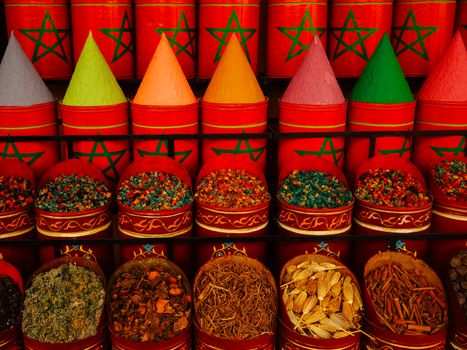
While cinnamon, pepper, and turmeric steal the spotlight, many plantations cultivate an array of lesser-known but equally captivating spices. I encountered vanilla beans, not the extract, but the plump, fragrant pods waiting to be infused. I learned about cloves, dried flower buds with an intense, sweet-spicy aroma. And then there was star anise, its star-shaped beauty belying its potent licorice-like flavor.
The Data Speaks: Recent agricultural surveys indicate a growing interest in sustainable spice farming and the cultivation of heritage varieties. These plantations are often guardians of these older, more flavorful strains, which are less susceptible to disease and possess richer flavor profiles. Seeking out these less common spices, often found on smaller, family-run farms, is a true journey into the heart of culinary diversity.
The Budget & Logistics: Your Spice Plantation Adventure Awaits
Embarking on a spice plantation tour is an accessible and enriching experience. Here's a quick rundown:
| Category | Estimated Cost (USD) | Best Time to Visit | How to Get There | | :----------------- | :------------------- | :-------------------------- | :---------------------------------------------------------------------------------------------------------------------------------------------- | | Day Tour | $25 - $50 | Year-round (dry season ideal) | Many plantations offer guided tours from nearby towns/cities. Local buses or taxis are common. | | Overnight Stay | $75 - $150+ | Year-round (dry season ideal) | Some plantations offer charming guesthouses or homestays. Access often involves private car hire or pre-arranged transfers. | | Spice Purchases| Varies | Harvest seasons vary | Expect to pay a premium for high-quality, freshly harvested spices. Bargaining is common in local markets, less so at the plantation shop. |
Best Time to Visit: While most spice plantations are open year-round, the dry season (typically November to April) offers the most pleasant weather for exploring. However, harvest seasons vary for different spices, so if you have a specific spice in mind, research its harvest period.
How to Get There: The most common access points are major cities or tourist hubs near spice-growing regions. From there, you can arrange for:
- Local Buses: The most budget-friendly option, offering a glimpse into local life.
- Taxis/Tuk-Tuks: Readily available for shorter distances or more direct routes.
- Private Car Hire: Ideal for exploring multiple plantations or for those seeking comfort and convenience.
- Organized Tours: Many tour operators offer packages that include transportation and guided visits.
Quick Pro-Tip: Always confirm tour availability and timings in advance, especially during peak tourist seasons.
The Takeaway: More Than Just Flavor, It's a Story
My journey through these spice plantations was more than just a sensory overload; it was a profound lesson in the connection between land, labor, and flavor. The "secret ingredients" aren't hidden formulas; they are the result of generations of knowledge, meticulous care, and an understanding of nature's rhythm. From the precise moment of harvest to the gentle drying process, every step contributes to the final, extraordinary taste.
As I packed my bags, filled with small bags of fragrant treasures, I knew my kitchen would never be the same. I wasn't just bringing back spices; I was bringing back stories, traditions, and a deeper appreciation for the magic that happens before the spice even hits the pan.
---
More pictures


Tags
Share this guide
We may earn a commission if you click a link and buy a product or service, at no extra cost to you. How affiliate links work.
Been there?