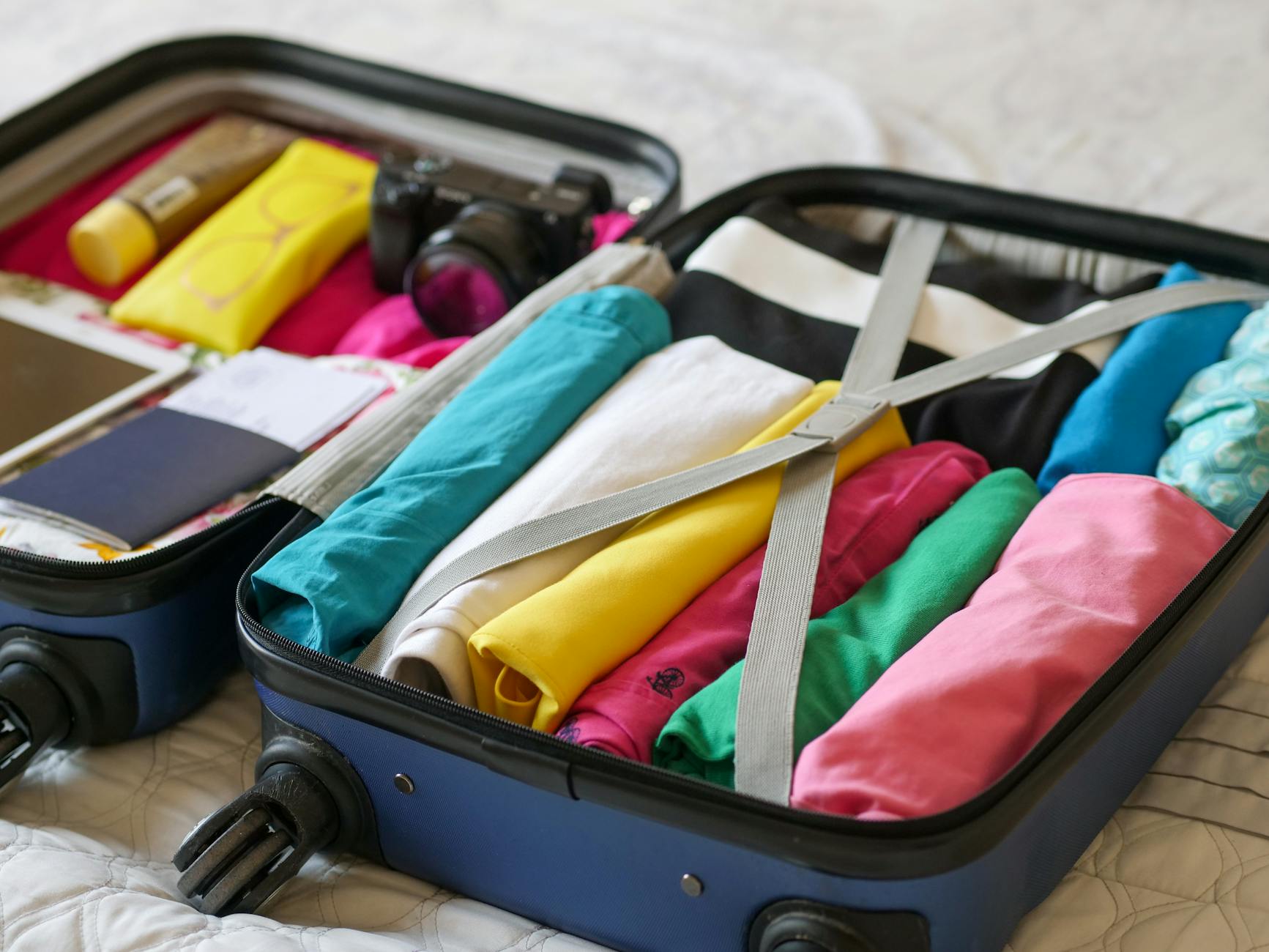
Solo travellers carry everything themselves, so every item matters. This guide covers the gear that earns its place, from security basics to comfort, plus what to skip.
When you travel alone, there is nobody to hold the bags while you buy a ticket, nobody to lend you a charger and nobody to notice that your bag is open. Gear matters more for solo travellers than for groups, because your kit is your safety net. At the same time, it is carried on your back, so every extra item has a cost.
There is no secret gear that locals are hiding from visitors. What helps are well-chosen, ordinary items that solve real problems. This guide covers the categories where good equipment makes a solo trip smoother, and gives guidance on what to skip. Product features and prices change, so use this as a framework and check current reviews before you buy.
The principle: carry less, plan more
The most useful piece of solo travel advice is also the dullest: pack light. A bag you can lift easily, carry for twenty minutes and stow overhead removes a huge amount of stress. You can move through stations quickly, avoid baggage fees and keep your belongings within sight.
A helpful test: lay everything out, then remove a third. Most travellers wear the same few outfits repeatedly, and laundry is available almost everywhere.
Choosing the bag itself
Your bag is the most important decision, and the right one depends on your trip.
- Backpacks are good for uneven streets, stairs and public transport. Look for a harness that can be adjusted to your back length, a padded hip belt and a size that fits in cabin luggage limits for your airline.
- Wheeled bags suit smooth pavements and hotel-to-airport trips. They can be a nightmare on cobblestones.
- Convertible bags let you carry them as a backpack or by hand. They can be a compromise that works for mixed trips.
- A small daypack or cross-body bag for daily outings keeps your valuables with you and your main bag stored.
Check your airline's cabin baggage limits before buying, because they vary. Prefer a bag with zip pulls that can be fastened with a small padlock or clip.
Security gear that makes sense
Solo travel does not mean being fearful, but a few simple items reduce risk.
- A money belt or hidden pouch. Keep a backup card and some emergency cash separately from your daily wallet.
- Small padlocks. Useful for lockers in hostels, train stations and gyms, and to secure zips on your bag when you leave it.
- A lightweight cable or loop. Some travellers use a small cable to tie a bag to a fixed point on a train or in a café, although it will not stop a determined thief.
- Slash-resistant or anti-theft features. Some bags have lockable zips and slash-resistant material. Features vary in quality, so read independent reviews.
- A door wedge or portable alarm. Some people find a small door wedge adds peace of mind in unfamiliar accommodation. Use your judgment and follow the fire safety rules of the building.
- Tracking tags. A small tracker tucked into a bag can help you locate lost luggage, though they depend on networks and are not a guarantee.
Remember that behaviour matters more than gadgets. Keep your phone out of sight in crowded places, avoid leaving bags unattended and stay aware of your surroundings.
Power, phones and connectivity
Your phone is your map, translator, camera, ticket and lifeline. Protect it and keep it powered.
- Universal adapter. Choose one that covers the plug types of your destinations. Check voltage on your devices, as most modern chargers accept a wide range, but some appliances do not.
- Power bank. A battery pack of moderate capacity lets you keep navigating all day. Check airline rules, since power banks must go in cabin baggage, not checked luggage, and there may be capacity limits.
- Short, sturdy cables. Carry two, and keep one in your daypack.
- Offline maps and translation. Download them before you leave so you are not dependent on mobile data.
- eSIM or local SIM. Many travellers find that an eSIM is an easy way to get data on arrival. Check your phone is unlocked and compatible.
- A waterproof phone pouch. Useful around beaches and rain.
Comfort items that pay off
A few small comforts have a surprisingly large effect over a long trip.
- Good footwear. Comfortable, broken-in shoes are the most important clothing item. Consider two pairs, one for walking and one lighter option.
- A packable rain layer. A thin waterproof jacket weighs little and saves many days.
- Merino or quick-dry clothing. These fabrics dry fast and resist odours, so you can wash in a sink and wear them again soon.
- A lightweight scarf or sarong. It doubles as a blanket, sun cover, towel or modest dress item for religious sites.
- Earplugs and an eye mask. Essential in hostels, on planes and in noisy cities.
- A compact travel towel. Quick-drying versions are helpful in hostels and beaches.
- A refillable water bottle. Check whether tap water is safe where you are going, and consider a bottle with a filter if not.
Organisation tools
When you live out of a bag, organisation prevents chaos.
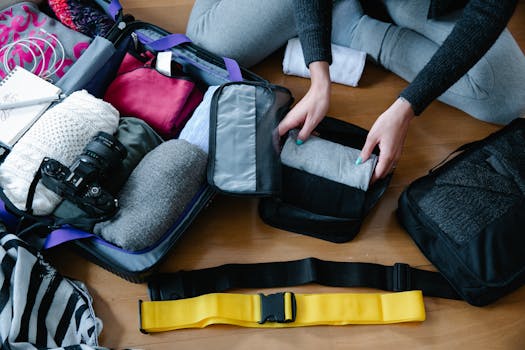
- Packing cubes. They compress clothes and make it easy to find items without unpacking everything.
- A small document pouch. Keep passport, tickets and insurance details together.
- A zip bag for liquids. If flying with hand luggage, liquids have restrictions that vary by country, so check current rules.
- A laundry bag. Separates dirty clothes from clean ones.
- A small notebook and pen. Useful for addresses, forms at borders and quick notes.
Health and first aid basics
A small kit reduces the number of times you have to search for a pharmacy in a foreign language.
- Any prescription medications in original packaging, with a copy of the prescription. Check local rules about carrying medicines across borders.
- Pain relief, plasters, blister treatments, rehydration salts and basic stomach remedies.
- Sunscreen and insect repellent where relevant.
- Hand sanitiser and tissues.
- Any personal items you rely on, such as glasses or contact lens supplies.
This is general information, not medical advice. Speak to a doctor or travel clinic about your own needs.
Gear for specific solo situations
City breaks
Prioritise a light bag, comfortable shoes, an anti-theft daypack and a power bank. Add a compact umbrella if the climate suggests rain.
Hostel stays
Bring a padlock, earplugs, an eye mask, a quick-dry towel and flip-flops for shared showers. A small torch or headlamp is handy for finding your things without waking others.
Hiking and outdoors
Add proper footwear, layers, a map and compass or offline navigation, a headlamp, enough water, and basic emergency supplies. Tell someone your route and expected return time. If you are not experienced, consider a guided hike.
Long-term travel
Prioritise durable items that can be repaired or replaced. Consider a smaller wardrobe and plan to buy locally if needed. Keep digital backups of your documents.
What to leave at home
- Duplicate items. One good jacket is better than three.
- Expensive jewellery. It attracts attention and worry.
- Heavy guidebooks. Use digital versions or tear out pages.
- Gadgets you will not use. Be honest about whether you will really use that extra lens or tablet.
- Large amounts of toiletries. Buy locally or use travel-size containers.
A sample carry-on list for a week in a city
Use this as a starting point and adjust for climate and activities.
- Three tops and two bottoms in compatible colours, plus a warm layer.
- Underwear and socks for four days, washed midway through the week.
- One pair of comfortable walking shoes and one lighter pair.
- A packable waterproof jacket.
- A small toiletry kit with solid or travel-size products.
- Phone, charger, adapter, power bank and a spare cable.
- Passport, cards, a small amount of local cash and a copy of key documents.
- A refillable bottle, earplugs and a padlock.
- A thin tote or foldable bag for shopping.
If you can fit this in a modest carry-on or backpack, you are well equipped. If you find yourself adding more, ask what problem each item solves.
Solo-specific habits that gear cannot replace
Good equipment supports good habits, but it never replaces them.
- Arrive in daylight when possible. Finding a new address is easier and feels safer.
- Save your accommodation address in the local script. Show it to a taxi driver or ask for directions.
- Keep a charged phone and a backup plan. If your phone dies, know the way to a main street or station.
- Keep valuables on your person. Hotel safes help, but your passport and cards matter most when you move.
- Check in with someone. A quick message each day gives you a safety net and a connection.
How to test your kit before you go
Pack your bag and carry it around your neighbourhood for half an hour. Climb stairs with it. Open and close it quickly, as you might at a border. Try the lock. If anything is awkward, fix it before your flight. Wear your shoes for long walks and check the fit of your daypack with your phone and bottle inside.
Frequently asked questions
What is the single most important piece of solo travel gear?
A comfortable, appropriately sized bag and good shoes. Everything else is secondary.
Do I need an anti-theft bag?
Not necessarily, but features like lockable zips can add peace of mind. Careful habits are more important than the bag itself.
Should I take a portable charger?
Most solo travellers find it useful, since the phone is central to navigation and communication. Check airline rules on power banks.
How can I pack lighter?
Choose a colour palette so items mix and match, wear your bulkiest items on travel days and plan to do laundry.
Summary
The best solo travel gear is not secret or exotic. It is a light bag you can carry comfortably, a few security basics, reliable power and connectivity, shoes and layers that suit the weather, and simple organisation. Test your kit before leaving, leave behind what you do not need, and remember that awareness and preparation protect you more than any gadget. Check current product reviews and airline rules, and adjust the list to your own trip.
More pictures


Tags
Share this guide
We may earn a commission if you click a link and buy a product or service, at no extra cost to you. How affiliate links work.
Been there?