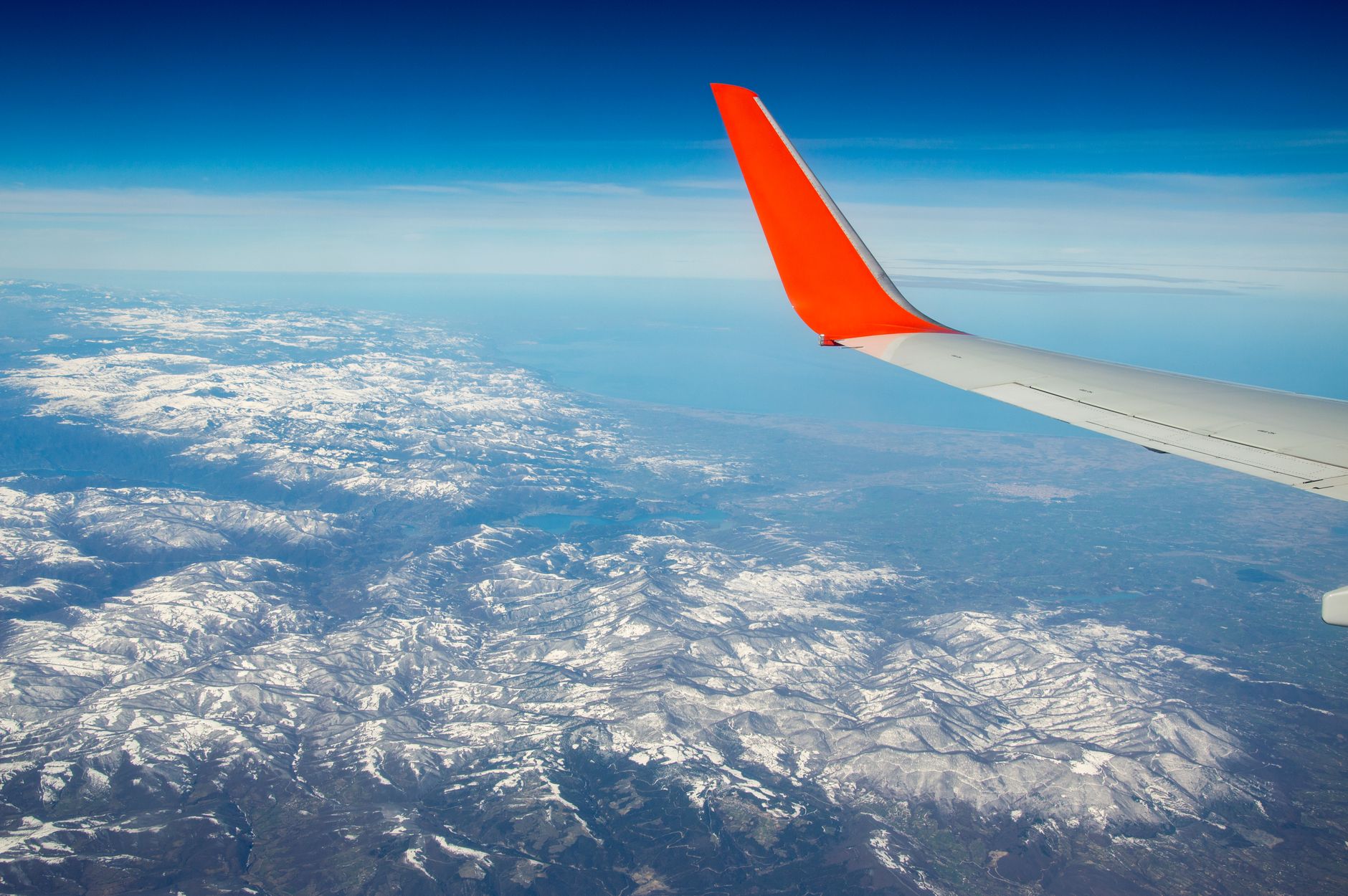
Forget peak season headaches and budget-busting trips! Discover the travel sweet spot – shoulder season – where epic deals, fewer crowds, and authentic experiences converge. This isn't just about saving money; it's about transforming your travel life forever, as it did mine. ---
Let me paint a picture for you.
It was August, and I was in Venice. The sun beat down relentlessly, making the air thick and heavy. Every alleyway, every bridge, every vaporetto stop was a solid mass of humanity. I remember standing on the Rialto Bridge, jostled by strangers, trying to catch a glimpse of the Grand Canal, only to see a sea of selfie sticks and strained faces. Our hotel, booked months in advance, was exorbitant, and every restaurant felt like a tourist trap. I left feeling drained, disappointed, and wondering if travel was really worth the hype.
Fast forward a few years. It was October, and I was back in Italy, this time in Tuscany. The air was crisp, carrying the scent of damp earth and ripening grapes. Golden light bathed the rolling hills, painting them in hues of amber and rust. I cycled down a quiet country lane, passing vineyards where a few locals were still harvesting. Later, I sat in a sleepy piazza in a medieval village, sipping Chianti, chatting with the owner of a family-run trattoria, and enjoying a meal that tasted like pure sunshine. There were no crowds, no queues, just serene beauty and genuine connection. My villa? A fraction of the summer price. My flight? Hundreds less.
This wasn't just a different trip; it was a different life. And it was all thanks to a simple, yet profoundly transformative, concept: shoulder season travel.
That trip to Tuscany wasn't just a vacation; it was an awakening. It taught me that there's a sweet spot in travel, a magical window between the peak season chaos and the off-season lull, where you get the best of all worlds. It changed my entire approach to planning adventures, opening up possibilities I never thought possible. It truly changed my life forever, transforming me from a stressed-out tourist into a serene, savvy explorer. And today, I'm going to show you exactly how you can do the same.
What Exactly Is Shoulder Season? (And Why You're Missing Out)
Before we dive into the juicy details, let's define our terms. "Shoulder season" refers to the travel periods immediately before and after the peak tourist season for a given destination. Think of it as the "shoulders" of the year, flanking the busiest times.
For most popular destinations, this typically means:
- Spring Shoulder Season: March to May (after winter, before summer crowds).
- Autumn Shoulder Season: September to November (after summer, before winter crowds).
Why is this period so magical? Because it's when the travel industry starts to breathe. The high demand of peak season has either subsided or hasn't quite ramped up yet. This dip in demand creates a ripple effect of benefits for travelers – benefits that are often overlooked by those blindly following the herd to peak season mayhem. If you've been battling crowds and sky-high prices, trust me, this is the secret you've been waiting for.
The Unbeatable Perks: More Than Just Savings
When I first discovered shoulder season, I was primarily focused on saving money. And while the financial benefits are undeniable, what I quickly realized was that the perks extended far beyond my bank account. Shoulder season offers a holistic upgrade to the entire travel experience.
- Fewer Crowds, More Authenticity: This, for me, is the biggest game-changer. Imagine walking through the Louvre without a thousand elbows vying for a view of the Mona Lisa. Picture an empty piazza in Rome, bathed in soft morning light, instead of a throng of tour groups. Shoulder season means shorter queues (or no queues!), easier access to popular attractions, and a genuine chance to soak in the atmosphere. You’re not just seeing a place; you’re experiencing it, often alongside locals going about their daily lives, rather than being swallowed by a tourist bubble. My photos from shoulder season trips are always better – no random heads obstructing the view!
- Significantly Lower Prices: This is where your wallet truly breathes a sigh of relief.
- Flights: Airlines drop prices as demand wanes. I've seen transatlantic flights to Europe drop by $300-$500 just by shifting my departure date by two weeks into shoulder season.
- Accommodation: Hotels, guesthouses, and vacation rentals offer substantial discounts. That charming boutique hotel in Paris that was $400/night in July? It might be $250/night in April or October. I once snagged a stunning ocean-view apartment in Portugal for half the August rate just by booking for late September.
- Tours & Activities: While major tours might not slash prices dramatically, smaller, local operators often have more availability and might offer incentives. Car rentals are also noticeably cheaper.
- Dining: While restaurant prices generally stay consistent, the overall cost of a trip drops significantly when you factor in all the above.
- Ideal Weather Conditions: Forget the scorching heat of a European summer or the freezing bite of a winter in New York. Shoulder season often boasts some of the most pleasant weather of the year.
- Spring: Mild temperatures, blooming flowers, fresh air. Perfect for sightseeing and outdoor activities.
- Autumn: Crisp air, vibrant fall foliage, comfortable for walking and exploring. It's often sunny without being oppressive. My trip to Kyoto in November, for example, had perfect mild weather for temple hopping and enjoying the spectacular autumn leaves.
- Better Service & Local Interactions: With fewer tourists, locals are less overwhelmed and often more relaxed. Hotel staff have more time to chat, restaurant owners are more likely to share recommendations, and you might find yourself striking up genuine conversations with people who live there. This deeper connection is invaluable and makes for truly memorable travel.
My Shoulder Season Epiphanies: Stories That Changed Everything
It's one thing to talk about the benefits in theory, but it's another to live them. Here are a few personal anecdotes that truly cemented my belief in the shoulder season magic:
1. Tuscany in October: The Golden Hour Revelation My first true shoulder season revelation was that trip to Tuscany. After the August Venice debacle, I was hesitant about Italy, but a friend convinced me to try late October. We rented a car and drove through rolling hills, past cypress trees, and into medieval towns like Montepulciano and Pienza. The light was photographers' dream – soft, golden, and casting long shadows that accentuated the ancient architecture. We stayed in an agriturismo (farm stay) for €90/night, including breakfast and wine tasting, which would have been easily double in July. We joined a small, intimate cooking class with a local nonna who shared family recipes and stories, something I doubt would be possible amidst peak season chaos. The highlight? A quiet afternoon picnic overlooking a vineyard, with only the sound of cicadas and the distant chime of a church bell. It was pure bliss, a stark contrast to my previous Italian experience, and it opened my eyes to a new way of traveling.
2. Kyoto in November: Serenity Amidst Scarlet Leaves Everyone raves about cherry blossom season in Japan, and for good reason. But the crowds and prices are legendary. My partner and I opted for early November in Kyoto, and it was breathtaking. The city was ablaze with autumn colors – vibrant reds, oranges, and golds against the backdrop of ancient temples and traditional gardens. We visited Kiyomizu-dera Temple, Fushimi Inari Shrine, and Arashiyama Bamboo Grove, finding moments of serene solitude that would be impossible during peak spring. We snagged a beautiful ryokan (traditional inn) for a reasonable price, enjoying private onsen baths and kaiseki dinners without breaking the bank. The weather was cool and crisp, perfect for walking. We even got to witness a few local festivals that weren't geared towards tourists, offering a deeper glimpse into Japanese culture. It felt like we had the city to ourselves, sharing its beauty with just a handful of other respectful visitors.
3. Iceland in March: Northern Lights & Ice Caves, Without the Rush Iceland is stunning year-round, but summer brings throngs of tourists and winter can be harsh. March, however, is a sweet spot. The days are getting longer, but you still have a good chance of seeing the Northern Lights. Many ice caves are still accessible (they melt in summer!), and the major sites on the Golden Circle and South Coast are far less crowded than in July or August. We rented a 4x4 for a great price and drove the Ring Road, finding empty waterfalls and secluded black sand beaches. Our glacier hike and ice cave tour had just eight people, making for an incredibly personal and awe-inspiring experience. We saved hundreds on our car rental and guesthouses compared to peak summer rates, and the feeling of having these epic landscapes almost to ourselves was truly life-altering. There's something profound about standing alone in such raw, natural beauty.
4. Patagonia in April: Autumn Hues and Empty Trails Patagonia is a hiker's paradise, but the summer months (Dec-Feb) see trails packed and accommodation scarce. In April, as autumn descends, the Lenga forests turn brilliant shades of red and orange. We hiked some of the most iconic trails in Torres del Paine and El Chaltén, encountering only a handful of other trekkers. The weather was still surprisingly good for hiking (though a bit cooler), and the views of Fitz Roy and the Torres were spectacular, framed by fiery foliage. We found excellent deals on lodges and camping equipment, and the sense of solitude in such a vast, wild landscape was incredibly powerful. It felt like we had truly earned those views, and the absence of crowds only amplified the natural grandeur.
These experiences weren't just about saving money; they were about reclaiming the essence of travel – discovery, connection, and immersion.
How to Spot a Shoulder Season Deal: Your Practical Playbook
Ready to embark on your own shoulder season adventures? Here's my tried-and-true playbook for finding those unbeatable deals and crafting unforgettable trips:
- Research Your Destination's Peak/Shoulder Dates: This is crucial. "Shoulder season" isn't a universal calendar date. For example, the Caribbean's shoulder season might be late November/early December or May/early June (just before hurricane season), while for ski resorts, it's late fall or early spring. A quick Google search for "[destination] peak travel season" will give you a good starting point.
- Be Flexible with Your Dates (Even a Few Days): This is the golden rule. Shifting your trip by just a few days or a week can unlock massive savings. Use flight search engines like Google Flights, Skyscanner, or Kayak with their "flexible dates" or "month view" options. You'll often see prices dip significantly on specific weekdays (Tuesdays, Wednesdays, and Saturdays are often cheaper for international flights).
- Set Up Price Alerts: Once you have a destination in mind, set up flight and hotel price alerts. Google Flights, Hopper, and Kayak are excellent for this. You'll get notifications when prices drop, allowing you to pounce on those deals.
- Consider Package Deals: Sometimes, booking flights and hotels together through online travel agencies (OTAs) can yield better shoulder season rates, as they might have special agreements with airlines and hotels looking to fill inventory.
- Look Beyond the Major Hubs: While Paris in October is wonderful, consider flying into a slightly smaller, nearby airport and taking a train. Or, instead of staying right in the city center, look at charming neighborhoods just outside, which often offer better value and a more local vibe.
- Book Direct for Accommodation: Once you've found a hotel you like on an OTA, check their direct website. Sometimes they offer better rates or perks (like free breakfast or upgrades) for booking directly, especially during shoulder season when they want to avoid commission fees.
- Leverage Loyalty Programs: If you have airline miles or hotel points, shoulder season is an excellent time to use them. Award availability is often better, and you might get more value for your points when cash rates are lower.
- Read Travel Blogs & Forums: Other savvy travelers are always sharing their finds. Websites like Tripsora (of course!), Lonely Planet forums, and Reddit's r/travel can be treasure troves of specific shoulder season recommendations.
Destination Deep Dive: Where Shoulder Season Shines Brightest
While shoulder season can benefit almost any destination, some places truly come alive during these magical windows. Here are a few of my top recommendations:
- Europe (Mediterranean): Spain, Italy, Greece, Portugal.
- Best Shoulder Season: May-early June and September-October.
- Why: Sweltering summer heat and crowds give way to pleasant warmth, fewer tourists, and still-warm waters for swimming. Think empty beaches in Santorini, quiet walks through Rome's Forum, or leisurely tapas crawls in Seville.
- Europe (Central/Eastern): Prague, Budapest, Vienna, Berlin.
- Best Shoulder Season: April-May and September-October.
- Why: These cities are beautiful in spring with blooming flowers or in autumn with colorful foliage. The weather is cool but comfortable, perfect for exploring castles, museums, and charming old towns without the summer crush.
- Japan:
- Best Shoulder Season: Late March (just before cherry blossoms peak), early May (after Golden Week), late October-November (autumn leaves).
- Why: Experience the iconic beauty of Japan with fewer crowds. Enjoy the mild weather, vibrant colors, and cultural festivals without the intense competition for accommodation and train tickets.
- Southeast Asia (e.g., Thailand, Vietnam, Cambodia):
- Best Shoulder Season: May-June and September-October (the fringes of the rainy season).
- Why: Don't let "rainy season" scare you! Often, you'll get intense but short downpours, followed by sunshine. This means lush landscapes, fewer tourists, and significantly lower prices for hotels and tours. The humidity can be high, but the trade-offs are often worth it.
- USA National Parks (e.g., Zion, Yosemite, Grand Canyon):
- Best Shoulder Season: April-May and September-October.
- Why: Avoid the summer heat, packed shuttle buses, and full campgrounds. Spring brings wildflowers and flowing rivers, while autumn offers spectacular fall foliage and crisp hiking weather. You'll find more solitude on the trails and easier access to viewpoints.
- Caribbean/Mexico:
- Best Shoulder Season: Late November-early December and May-early June.
- Why: Just outside the peak winter escape season and before the most active part of hurricane season. You'll find fantastic deals on resorts and flights, warm waters, and still-excellent weather.
Beyond the Budget: The Deeper Impact of Shoulder Season Travel
While the financial and crowd-related benefits are compelling, the true "life-changing" aspect of shoulder season travel goes deeper. It's about a fundamental shift in your travel philosophy.
- Sustainable & Responsible Travel: By traveling in shoulder season, you help distribute tourism's impact throughout the year, reducing the strain on local infrastructure and resources during peak times. This makes for a more sustainable and respectful way to explore.
- Enhanced Well-being: Less stress, less rushing, more genuine enjoyment. Shoulder season travel allows for a more relaxed pace, fostering true rejuvenation and mental clarity. You return home feeling refreshed, not exhausted.
- Unforgettable Photography: The light is often softer, the colors richer, and crucially, there are fewer people to get in your shot! You'll capture more authentic, evocative images that tell a better story.
- Deeper Cultural Immersion: With fewer tourists, you're more likely to interact with locals, stumble upon authentic events, and gain a truer understanding of the destination's culture. These are the moments that truly enrich your life.
The Life You're Waiting For
My journey through shoulder season has been nothing short of transformative. It has allowed me to see more of the world, experience deeper connections, and do it all without the stress and expense that once made me question the joy of travel. It’s taught me that the best experiences often lie just outside the obvious, just beyond the peak.
If you're tired of the same old crowded, overpriced vacations, I urge you to embrace the magic of shoulder season. It's not just about finding a deal; it's about finding a better way to travel, a more authentic way to connect with the world, and ultimately, a more fulfilling way to live.
So, what are you waiting for? Stop dreaming of that perfect trip and start planning your next shoulder season escape. Trust me, it could change your life forever.
What's your next shoulder season adventure? Share your dream destinations and why you're ready to ditch the crowds in the comments below!
---
More pictures


Tags
Share this guide
We may earn a commission if you click a link and buy a product or service, at no extra cost to you. How affiliate links work.
Been there?