
Forget the "view." We’re diving into the roar of Icelandic waterfalls, the pungent heat of Marrakech spice stalls, and the velvet touch of Renaissance sculptures. This is the definitive guide to the world’s most immersive, non-visual adventures designed for the discerning blind traveler. ---
I Stepped Off the Train and the World Smelled Like Burnt Sugar and Ancient Dust.
The air in Marrakech doesn’t just sit there; it vibrates. I didn't need to see the Koutoubia Mosque to know I had arrived. I felt the sudden drop in temperature as I moved into the shadow of its stone walls, and the rhythmic clack-clack of donkey hooves on uneven cobblestones told me more about the city's pace than any postcard ever could. Most travel guides are obsessed with "the view," but let’s be honest: the best parts of this planet are the ones you feel in your bones and smell in the breeze.
If you’re traveling without sight, the world isn't a dark room; it’s a high-definition explosion of textures, frequencies, and flavors. Right now, the travel industry is finally catching up, moving past "accessibility" as a checkbox and toward "immersion" as a standard.
Here is your blueprint for the most profound sensory travel experiences on the planet right now.
---
1. The Sonic Symphony of Iceland’s South Coast
Iceland is often touted for its neon Northern Lights, but for a blind traveler, the real magic is the acoustics. The island is a masterclass in raw, geological sound.
The Experience: Stand at the base of Skógafoss. You don’t just hear the water; you feel the barometric pressure change as tons of glacial melt thunders into the pool below. The mist hits your face with a precision that feels like a thousand tiny needles. Further east, at Diamond Beach, the "sound" of ice is a revelation. Reach out and touch the stranded bergs—they aren't smooth; they are dimpled, freezing, and they crackle and pop like giant bowls of cereal as the air bubbles trapped for centuries finally escape.
Pro-Tip: Visit Reynisfjara (The Black Sand Beach) at 7:30 AM before the tour buses arrive. The sound of the Atlantic pulling basalt pebbles back into the surf—a deep, rhythmic grinding noise—is one of the most meditative auditory experiences on Earth.
- Tactile Highlight: The hexagonal basalt columns at Reynisfjara. They feel like giant, cold, stone organ pipes.
---
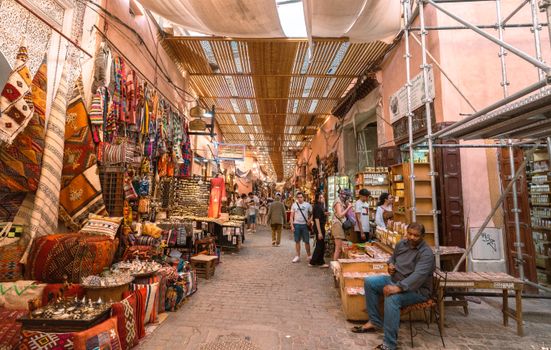
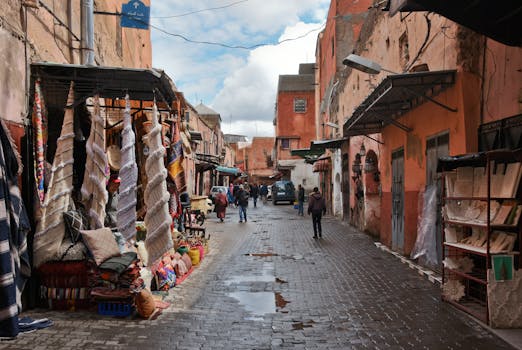
2. A Masterclass in Scent: The Souks of Marrakech
If you want to test the limits of your olfactory system, Morocco is the ultimate arena. The Medina is a labyrinth where every turn introduces a new "scent-scape."
The Experience: Start in the Spice Souk. You’ll smell the sharp, earthy punch of cumin before you’re within ten feet of the stall. Move deeper, and the scent shifts to the floral, cloying sweetness of orange blossom water and the musk of tanned leather. I recommend hiring a local guide who specializes in "sensory storytelling." They won't just tell you what's there; they'll help you run your hands through bins of raw turmeric and explain the difference between the grit of Ras el Hanout and the silkiness of powdered saffron.
Pro-Tip: The hidden entrance to Le Jardin Secret is behind a heavy, carved cedar door. Once inside, the air changes instantly—it’s humid, smelling of damp earth and rosemary. It’s a perfect sonic refuge from the chaos of the city.
- Insider Language: Don't just ask for "spices." Ask for "Mesk el الليل" (Musk of the Night) or "Ambergris" to experience the deep, resinous scents used in traditional perfumery.
---
3. Tactile Renaissance: Touching History in Florence and Madrid
For decades, "Don't Touch" was the golden rule of museums. Thankfully, that era is dying.
The Experience: In Florence, the Uffizi Gallery offers "Uffizi for All," a dedicated tactile path. You can run your fingers over high-quality thermoformed 3D reproductions of Botticelli’s The Birth of Venus. You aren't just hearing about the art; you are feeling the flow of the hair and the curve of the shells.
Similarly, the Prado Museum in Madrid has pioneered "Didactic Audioguides." Their Hoy toca el Prado exhibition features relief paintings that allow you to feel the textures of the fabric, the lace of a collar, or the musculature of a figure in a Goya masterpiece.
Pro-Tip: Book the "Tactile Tour" at the Museo dell'Opera del Duomo in Florence. They allow blind visitors to touch the original sculptures, including works by Donatello. There is nothing like the cold, polished vibration of 600-year-old marble under your fingertips.
---
4. The Humidity and Howls of the Costa Rican Rainforest
Nature isn't just a backdrop in Costa Rica; it’s a physical weight. The rainforest is a multi-sensory assault in the best possible way.
The Experience: Head to the Monteverde Cloud Forest. The air here is so thick with moisture it feels like a damp silk scarf against your skin. The "experience" is the soundscape: the metallic bonk of the Three-wattled Bellbird and the low, guttural roar of Howler Monkeys that sounds like a wind tunnel.
Pro-Tip: Take a Night Walk at the Arenal Oasis Wildlife Refuge. Your guide will help you find "Velvet Worms" (which feel exactly like their name) and the rough, sandpaper-like bark of the Ceiba tree. At night, your ears become your primary radar, picking up the rustle of coatis in the underbrush.
- Logistics: Many lodges, like Nayara Tented Camp, offer highly trained private guides who are experts in descriptive narration.
---
5. Tokyo’s Culinary Textures: Beyond the Flavor
In Tokyo, eating is a tactile sport. Japanese cuisine (Washoku) places as much emphasis on "mouthfeel" as it does on taste.
The Experience: Go for an Omakase (Chef’s Choice) Sushi experience. A high-end chef will place the nigiri directly into your hand. You’ll feel the temperature difference between the warm, vinegared rice and the cold, buttery slice of fatty tuna (Otoro). The texture of real wasabi is gritty and fibrous, unlike the smooth paste found in tubes.
Pro-Tip: Visit a Depachika (basement food hall) like the one at Isetan Shinjuku. The sheer variety of smells—from the toasted nuttiness of sesame oil to the sweet, yeasty scent of steamed buns—is overwhelming.
- Quick Fact: Tokyo’s subway system is a marvel of tactile paving (Tenji blocks). You can navigate almost the entire city using the yellow raised bumps on the floor that indicate paths and platform edges.
---
Quick Facts & Logistics
| Destination | Best Time to Visit | Est. Daily Cost ($) | Primary Sensory Focus | | :--- | :--- | :--- | :--- | | Iceland | Sept - March (for sound) | $250 - $400 | Auditory & Tactile (Ice/Water) | | Marrakech | Oct - April | $80 - $200 | Olfactory (Spices/Leather) | | Florence | Nov - Feb (less crowded) | $150 - $300 | Tactile (Art/History) | | Costa Rica | Dec - April | $120 - $250 | Auditory & Atmospheric | | Tokyo | March - May | $200 - $450 | Gustatory & Navigation |
How to Get There:
- Iceland: Fly into KEF. Rent a private driver/guide (essential for off-path sensory spots).
- Marrakech: RAK airport. Stay in a Riad in the Medina for the full auditory/scent experience.
- Florence: FLR or PSA. The city is highly walkable with a cane, though cobblestones are "chatty."
---
The "Blind Traveler" Toolkit: 3 Modern Essentials
- Aira or Be My Eyes: These apps connect you with sighted volunteers or professionals via your phone’s camera to describe surroundings in real-time.
- Waymap: An incredible navigation app that works indoors (like malls and stations) without needing GPS, specifically designed for the visually impaired.
- Bone Conduction Headphones: These allow you to hear GPS directions or audio guides while keeping your ears open to the ambient sounds of the environment—crucial for safety and immersion.
Final Thoughts
Travel isn't about what you see; it’s about how the world changes you. When you stop looking and start feeling, the world becomes infinitely larger. Whether it's the vibration of a Japanese bullet train or the smell of roasting coffee in a Colombian cloud forest, the most "beautiful" things in the world aren't seen at all. They are experienced.
Now, pack your bags. The world is waiting to be felt.
---
More pictures



Tags
Share this guide
We may earn a commission if you click a link and buy a product or service, at no extra cost to you. How affiliate links work.
Been there?