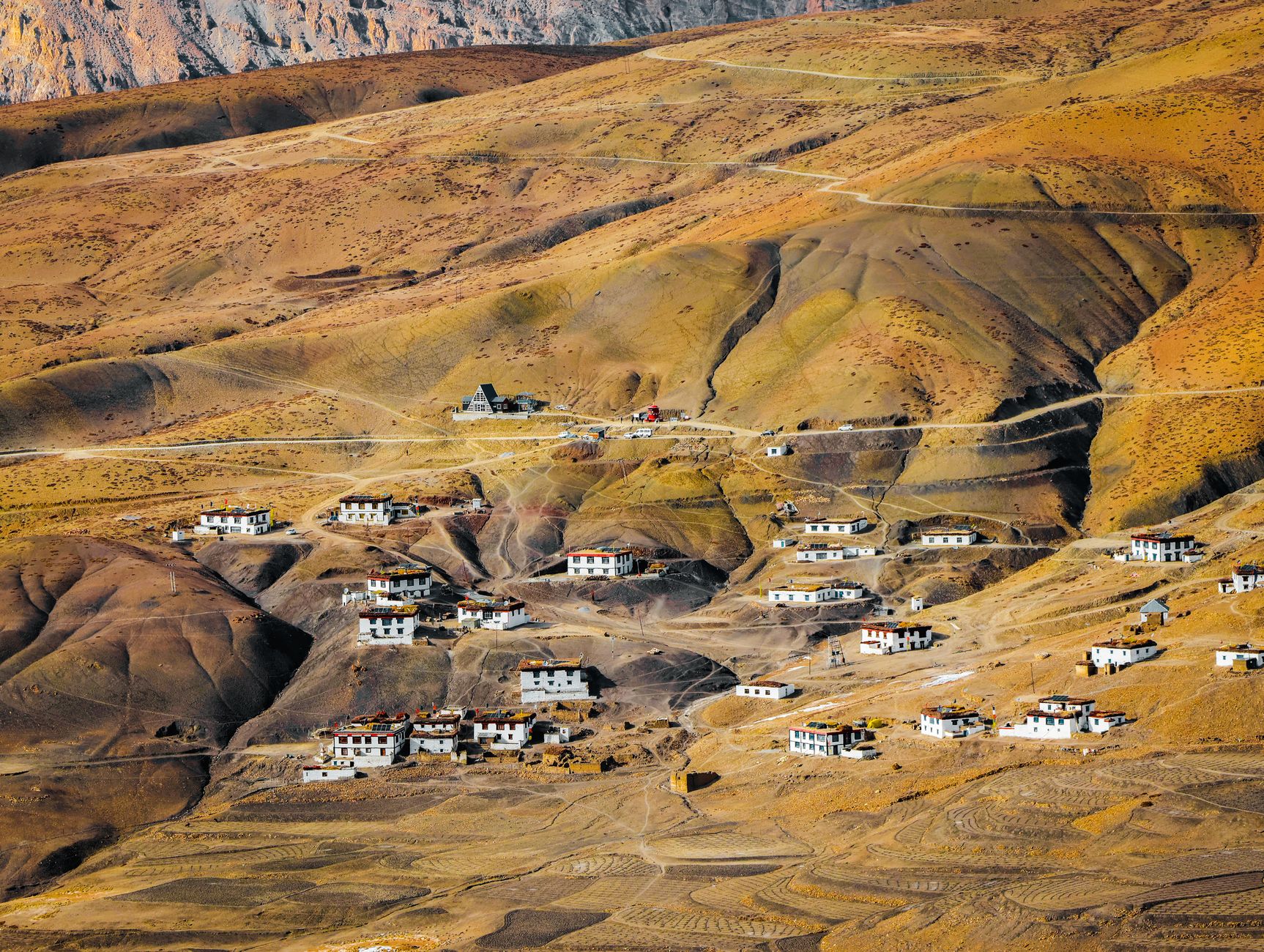
Tired of battling selfie sticks and tourist hordes for a glimpse of a famous view? This Tripsora exclusive dives deep into the world's best-kept secrets: breathtaking viewpoints known only to locals. Prepare to discover serene, stunning vistas that will redefine your travel experience and fill your feed with truly unique memories. ---
Unveiling the Unseen: Secret Viewpoints Locals Don't Want You to Know About (But I'm Telling You Anyway!)
Let's be honest. You've seen the iconic photos. The Eiffel Tower sparkling from Trocadéro, the sweeping panorama of Rome from St. Peter's Basilica, the Golden Gate Bridge shrouded in mist from Battery Spencer. They're magnificent, absolutely. But what's often missing from those picture-perfect postcards? The hundred other tourists elbowing you for a spot, the incessant chatter, the feeling that you're just one more face in an endless sea of visitors.
I've been there. Countless times. That fleeting moment of awe quickly overshadowed by the collective sigh of a thousand other people experiencing the exact same thing. It's why, years ago, I started my personal quest: to find the true viewpoints. The ones where the air is still, the only sounds are the rustle of leaves or the distant hum of a city, and the vista feels like it was put there just for you.
It's not easy. These spots aren't in the guidebooks. They're often tucked away down unmarked alleys, at the end of a winding trail, or known only through whispered conversations with a friendly local who decides you're "alright." These are the places locals guard fiercely, their own private escapes from the tourist crush. And after years of searching, a fair few wrong turns, and more than a little polite persistence, I'm finally ready to spill some of my most treasured secrets.
Consider this your exclusive invitation to see the world differently. To trade the well-trodden path for an adventure, and the crowds for unparalleled serenity. Get ready to bookmark, screenshot, and maybe even start packing your bags.
1. Lisbon's "Miradouro da Descoberta Escondida": Where History Whispers Over the Tagus
Lisbon. Oh, Lisbon. A city of seven hills, fado music, and viewpoints around every corner. Everyone flocks to Miradouro da Senhora do Monte or Miradouro de São Pedro de Alcântara. Beautiful, yes, but often packed. My favorite? I call it "Miradouro da Descoberta Escondida" – the Hidden Discovery Viewpoint.
I stumbled upon this gem entirely by accident. After a particularly frustrating attempt to find a quiet spot to watch the sunset near the Castelo de São Jorge, I decided to just wander. I walked down a narrow, cobbled street that seemed to dead-end into a residential area, past laundry hanging from balconies and the smell of grilling sardines. Just as I was about to turn back, a tiny, almost hidden archway appeared. It looked like an entrance to someone's backyard, but curiosity (and a stubborn refusal to give up on my sunset mission) pulled me through.
What opened up before me was a small, unassuming terrace. A lone, gnarled olive tree stood sentinel, its branches silhouetted against the sky. Below, the terracotta roofs of Alfama cascaded towards the Tagus River, which shimmered like liquid gold under the setting sun. The iconic 25 de Abril Bridge stretched majestically in the distance, and the sound of a distant tram was the only reminder of the bustling city just a few blocks away. There were two other people there: an elderly couple, quietly sharing a bottle of wine, speaking in hushed Portuguese. They gave me a knowing smile, a silent welcome to their secret.
How to Find It: This one requires a bit of an adventure. Head towards the back entrance of the Castelo de São Jorge, near the Rua de Santa Cruz do Castelo. Instead of entering the castle, follow the narrow, winding street that curves downhill towards Alfama. Keep your eyes peeled for a very subtle archway on your left, almost hidden between two houses. There's no sign, no fanfare. It's truly a local secret. You'll know it when you see it – it feels like stepping into a hidden garden.
Best Time to Visit: Sunset, absolutely. The golden hour light over Alfama and the Tagus is magical. Early morning is also stunning for a serene start to your day.
Cost: Free. Just the reward of exploration.
Tripsora Tip: Grab a pastel de nata and a coffee from a local padaria before you go. It's the perfect accompaniment to the view. Be respectful of the residents; this is their neighborhood, not a tourist attraction. Keep your voice down and leave no trace.
2. The "Bamboo Sky Sanctuary" of Chiang Mai: A Monk's Solitude
Northern Thailand is synonymous with lush landscapes, ancient temples, and vibrant culture. Chiang Mai, in particular, draws millions. Everyone climbs Doi Suthep, and for good reason – the temple is stunning and the views are expansive. But the crowds... oh, the crowds! My hunt for tranquility led me deep into the hills surrounding the city, on a recommendation from a local tuk-tuk driver named Somsak, who had a mischievous glint in his eye.
"You want quiet view? Not tourist view? I take you," he'd said, after I'd grumbled about the throng at Wat Phra That Doi Suthep. We drove for what felt like an eternity, past rice paddies and small villages, the air growing cooler and fresher. Eventually, we pulled off the main road onto a dirt track. "Walk from here," Somsak instructed, pointing to a barely visible path winding uphill into a dense bamboo forest. "Keep walking. You will find."
And find it I did. After a 20-minute uphill trek, the bamboo forest suddenly opened up into a small clearing. There, perched precariously on a cliff edge, was a tiny, weathered wooden platform. No railings, no gift shop, just a rustic bench. The view was astounding: a patchwork quilt of emerald rice fields, distant mountains shrouded in mist, and the sprawling city of Chiang Mai a tiny, almost forgotten entity in the valley below. The silence was profound, broken only by the chirping of cicadas and the gentle sway of bamboo stalks. It felt like a sacred space, a place where monks might meditate in solitude. I sat there for an hour, completely alone, feeling the cool breeze on my face, watching a hawk circle lazily above. It was pure bliss.
How to Find It: This one is trickier and involves a local guide or a very good sense of direction and a scooter. From Chiang Mai, head towards the Mae Sa Valley. Look for the turn-off towards a small village called Ban Pong Yaeng Nai. Ask locals for directions to "Wat Pa Dara Phirom" (a known temple), but you're going further. Just before the temple, there’s a small, unmarked dirt road on the right. Follow it for about 1km, then look for a subtle hiking trail (it’s more of a goat path) leading uphill into the bamboo forest. You'll need an offline map and a keen eye. Hiring a local guide for this leg is highly recommended for safety and accuracy.
Best Time to Visit: Early morning (sunrise is spectacular) or late afternoon. Avoid midday heat. During the rainy season (June-October), the mist adds an ethereal quality, but paths can be slippery.
Cost: Free, beyond potential transport costs.
Tripsora Tip: Wear sturdy shoes and bring plenty of water. This is a mini-hike. Be prepared for a rustic experience and remember you're in a natural, potentially sacred, environment. Leave no trace.
3. The "Brooklyn Bridge's Secret Shoulder": An Unrivaled Manhattan Skyline
New York City. The concrete jungle where dreams are made of... and where every iconic viewpoint has a thousand people vying for the same photo op. The Brooklyn Bridge walk is a must-do, but let's face it, it's a bustling highway of humanity. I wanted the Brooklyn Bridge, but without the battle. And I found it, not on the bridge, but alongside it.
It was a chilly autumn morning. I'd woken up before dawn, determined to capture the Manhattan skyline as the sun rose, but I couldn't face the Dumbo crowds. As I walked towards the Brooklyn Bridge Park, I noticed a lesser-used path running underneath and alongside the bridge, closer to the water. It led to a series of small, grassy knolls and paved walkways that are often overlooked by tourists rushing to the main park areas or the bridge entrance.
I found myself on a small, elevated section of walkway, almost like a shoulder to the bridge's main structure. From here, the bridge itself framed the iconic Manhattan skyline perfectly. The Financial District's skyscrapers glinted in the nascent sunlight, the East River flowed calmly below, and the gentle rumble of traffic overhead was a distant, almost soothing sound. Best of all? There were maybe five other people there, all photographers, all quietly setting up tripods, sharing a silent camaraderie in this hidden spot. It offered a unique perspective – you're with the bridge, not just looking at it, and the scale feels more intimate.
How to Find It: Head to Brooklyn Bridge Park, but instead of going directly to the main Dumbo photo spots or the bridge entrance, walk along the waterfront path south from the Dumbo area (towards Governors Island). You'll find several elevated sections and small parks that offer incredible, less crowded views of both the bridge and the Manhattan skyline. The specific "shoulder" I refer to is just south of the main pedestrian entrance to the bridge, where the park's pathways get a little more winding and less direct. Explore the paths between Pier 1 and Pier 2.
Best Time to Visit: Sunrise for golden light and minimal crowds. Sunset is also spectacular, but you might encounter a few more locals enjoying the evening.
Cost: Free.
Tripsora Tip: Bring a wide-angle lens for sweeping shots and a telephoto for details of the Manhattan buildings. Grab a coffee from a local Brooklyn cafe beforehand to keep warm on a chilly morning.
4. Peru's "Mirador de los Cóndores Silenciosos": Beyond the Inca Trail
Machu Picchu is undeniably magnificent, a bucket-list topper for millions. And the views from Huayna Picchu or Machu Picchu Mountain are epic – if you can get tickets and don't mind sharing the narrow paths with hundreds of others. But Peru, a country of breathtaking Andean vistas, has so much more to offer. My search for a truly solitary, awe-inspiring mountain view led me to a remote corner of the Sacred Valley, a place I've dubbed "Mirador de los Cóndores Silenciosos" – the Viewpoint of the Silent Condors.
It involved a bumpy, stomach-churning ride in a local collectivo, followed by a three-hour hike that felt like climbing a never-ending staircase. My guide, a soft-spoken Quechua man named Mateo, had simply smiled when I asked for "a view no one else sees." He led me through terraced fields, past small adobe houses where children waved shyly, and up a steep, switchbacking trail. The air grew thinner, the silence deeper.
And then, we were there. Not a peak, but a wide, grassy plateau overlooking a vast, emerald-green valley carved by a winding river. Towering snow-capped peaks pierced the impossibly blue sky in every direction. The scale was immense, humbling. We sat on ancient rocks, sharing coca leaves, and watched. For nearly an hour, the only movement was the majestic, silent sweep of condors circling high above, their massive wings catching the thermals. It wasn't a specific landmark view, but a panorama of pure, untamed Andean wilderness. A view that made you feel small, yet incredibly alive. No selfies, no chatter, just the wind and the condors.
How to Find It: This is perhaps the most challenging to replicate independently and where a local guide is almost essential for safety and cultural respect. My journey started from the town of Ollantaytambo. Ask around for guides who specialize in treks towards Patacancha or Lares Valley but specifically mention you're looking for a high-altitude viewpoint, not a specific ruin. Mateo took me on a route that branched off towards a less-frequented pass. The "Mirador de los Cóndores Silenciosos" is not a named place on maps; it’s a specific elevated plateau accessible via a challenging, unmarked trail. Be prepared for high altitude and rugged terrain.
Best Time to Visit: Dry season (May-September) for clearer skies and safer hiking conditions. Go early in the morning to increase your chances of seeing condors.
Cost: Guide fees (negotiable, but expect to pay for a full day's trek) and transport. A small price for an unforgettable experience.
Tripsora Tip: Acclimatize to the altitude in Cusco or Ollantaytambo for a few days before attempting this trek. Bring layers, waterproof gear, plenty of water, snacks, and good hiking boots. Respect local customs and ask before taking photos of people.
5. Rome's "Giardino Segreto del Gianicolo": Beyond the Obvious Dome
Rome. The Eternal City. A feast for the senses, but also a magnet for millions. Everyone knows the view from Gianicolo Hill. It's stunning, of course, offering a panoramic sweep of the city's domes and monuments. But it's also a constant buzz of tour buses, street vendors, and selfie sticks. My secret Roman escape is a small, almost forgotten garden tucked away on the same hill, known only to a few local couples and quiet thinkers. I call it "Giardino Segreto del Gianicolo" – Gianicolo's Secret Garden.
I'd been living in Rome for a few months, feeling increasingly overwhelmed by the tourist crush, even in my own neighborhood. One evening, after a particularly crowded sunset experience at the main Gianicolo terrace, I decided to wander off the main path, down a narrow, overgrown lane that looked like it led nowhere but a private residence. The lane was lined with ancient stone walls, covered in ivy. After a short walk, the path opened into a small, unkempt garden. It wasn't manicured like a public park; it felt more like a forgotten corner of an old villa.
In the center was a crumbling stone bench, partially obscured by wild roses. And from this bench, through a natural break in the trees, was a framed view of Rome that took my breath away. It wasn't the wide, sprawling panorama of the main terrace. Instead, it was a perfectly composed, intimate shot: the dome of St. Peter's Basilica rising majestically above the rooftops, framed by cypress trees, with the soft evening light bathing the city in a warm glow. The only sounds were the rustle of leaves and the distant chirping of crickets. I sat there for an hour, completely alone, feeling like I had stumbled into a secret painting. It was Rome, but a Rome that felt personal, quiet, and utterly mine.
How to Find It: Start at the main Gianicolo viewpoint (Piazzale Garibaldi). Instead of staying on the main terrace, walk downhill along the road that leads towards Trastevere (Via Garibaldi). Keep your eyes peeled for a small, very unassuming, and somewhat overgrown lane that branches off to your right, usually unmarked or with a faded sign that might indicate a private entrance. It’s about 100-200 meters down from the main viewpoint. It's easy to miss, blending into the residential walls. Trust your intuition and look for a path that feels less "official."
Best Time to Visit: Late afternoon for the golden hour, or early morning for complete solitude. The light is soft and beautiful.
Cost: Free.
Tripsora Tip: Bring a good book or simply sit and soak in the atmosphere. This is a place for quiet contemplation, not loud conversations. Pack a small bottle of water, as there are no services nearby.
6. The "Whispering Wall" of Kotor: A Fortified Secret
Kotor Bay, Montenegro, is a fjord-like wonder, its deep blue waters cradled by dramatic mountains. The view from the top of the ancient city walls, overlooking the medieval town and the bay, is legendary. But climbing those 1,350 steps in peak season means a constant stream of humanity, often bottlenecked on narrow sections. I wanted the view, but I wanted it with the whisper of history, not the clamor of tourists. My discovery was a less-trodden section of the fortifications, a "Whispering Wall" that felt truly ancient.
I'd already done the main climb, and while rewarding, it left me wanting more solitude. Chatting with a local guesthouse owner, she mentioned a "back way" or "side path" that locals sometimes use for their morning exercise, away from the main tourist route. She drew a rough map on a napkin. It involved finding a less obvious entrance to the walls, tucked away behind a church on the far side of town, away from the main gate.
The climb was steeper, rougher, and less maintained than the main path. In places, the stones were loose, and vegetation grew thick. It felt like an archaeological expedition. After about an hour of scrambling, I emerged onto a section of the wall that felt entirely deserted. The stones were worn smooth by centuries of wind and rain, and the views were just as spectacular, if not more so, than the main path. Below, Kotor sprawled like a miniature, intricate model. The bay stretched out, reflecting the sky, and the surrounding mountains stood guard. The best part? I was alone. The wind seemed to whisper tales of ancient sieges and forgotten sentinels. It was an immersive experience, connecting me directly to the raw history of the place.
How to Find It: Instead of the main entrance to the city walls near the River Gate, look for a smaller, less obvious entrance to the fortifications. Head towards the Church of St. Mary's Collegiate (Crkva Sv. Marije Koleđate), which is located on the eastern side of the old town. Behind it, you'll find a path that leads up into the fortifications. This path is less maintained and less signposted than the main route. It requires a bit of courage and good footwear, but the reward is unparalleled solitude and stunning views.
Best Time to Visit: Early morning (before 8 AM) or late afternoon (after 5 PM) to avoid the heat and any lingering crowds.
Cost: Typically, the main wall entrance has a fee (around €8). This "secret" entrance is often unguarded, making it free, but this can vary. Have some small bills just in case.
Tripsora Tip: Wear sturdy hiking shoes with good grip. Bring plenty of water. The path can be challenging in places. Don't attempt this in bad weather.
The Art of Finding Your Own Secrets
These are just a few of the hidden viewpoints I've been fortunate enough to discover. But the real joy isn't just in visiting these specific spots; it's in cultivating the mindset that leads to finding your own secrets.
Practical Tips for Uncovering Hidden Gems:
- Go Local: Befriend a local. Ask your guesthouse owner, a bartender, or a shopkeeper. Start with, "Where do you go when you want a quiet view?" Their eyes might light up, or they might look suspicious – that's when you know you're onto something!
- Wander Off the Map: Seriously. Put away Google Maps for a bit. If a path looks intriguing, take it. Many of the best discoveries happen when you're not trying to follow a specific route.
- Look for "Back Entrances" or "Side Paths": Famous attractions often have lesser-known access points or peripheral areas that offer unique perspectives without the crowds.
- Embrace the Climb: Many of the best views require a bit of effort. If it looks like a hike, it probably is – and that's often why it's less crowded.
- Go Early or Late: The golden hours of sunrise and sunset are beautiful, but they're also when crowds peak at famous spots. For secret spots, these times amplify the magic.
- Use Satellite View on Maps: Before you go, zoom in on satellite view on Google Maps. Look for green spaces, elevated areas, or unusual paths that seem to lead to a good vantage point.
- Respect the Secret: If you find a truly hidden gem, treat it with respect. Don't litter, keep noise to a minimum, and remember that these are often local sanctuaries. Don't geotag them excessively on social media if you want them to remain secret. Share the spirit of discovery, not always the exact coordinates.
Your View Awaits
The world is full of incredible vistas, and while the famous ones have their place, there's an unparalleled magic in discovering a view that feels like it's yours alone. It's about the journey, the effort, and the quiet reward. It's about connecting with a place on a deeper, more intimate level.
So, next time you're planning a trip, challenge yourself. Go beyond the postcards. Ask the questions no one else is asking. Lace up your shoes, trust your instincts, and embark on your own quest for the unseen. The most breathtaking views are often the ones you have to work for, the ones whispered about, and the ones that locals desperately want to keep to themselves.
Now go forth and explore! What secret viewpoints have you discovered? Share your stories (without giving away all your secrets, of course!) in the comments below. Let's inspire each other to find the truly unique perspectives that make travel unforgettable.
---
More pictures




Tags
Share this guide
We may earn a commission if you click a link and buy a product or service, at no extra cost to you. How affiliate links work.
Been there?