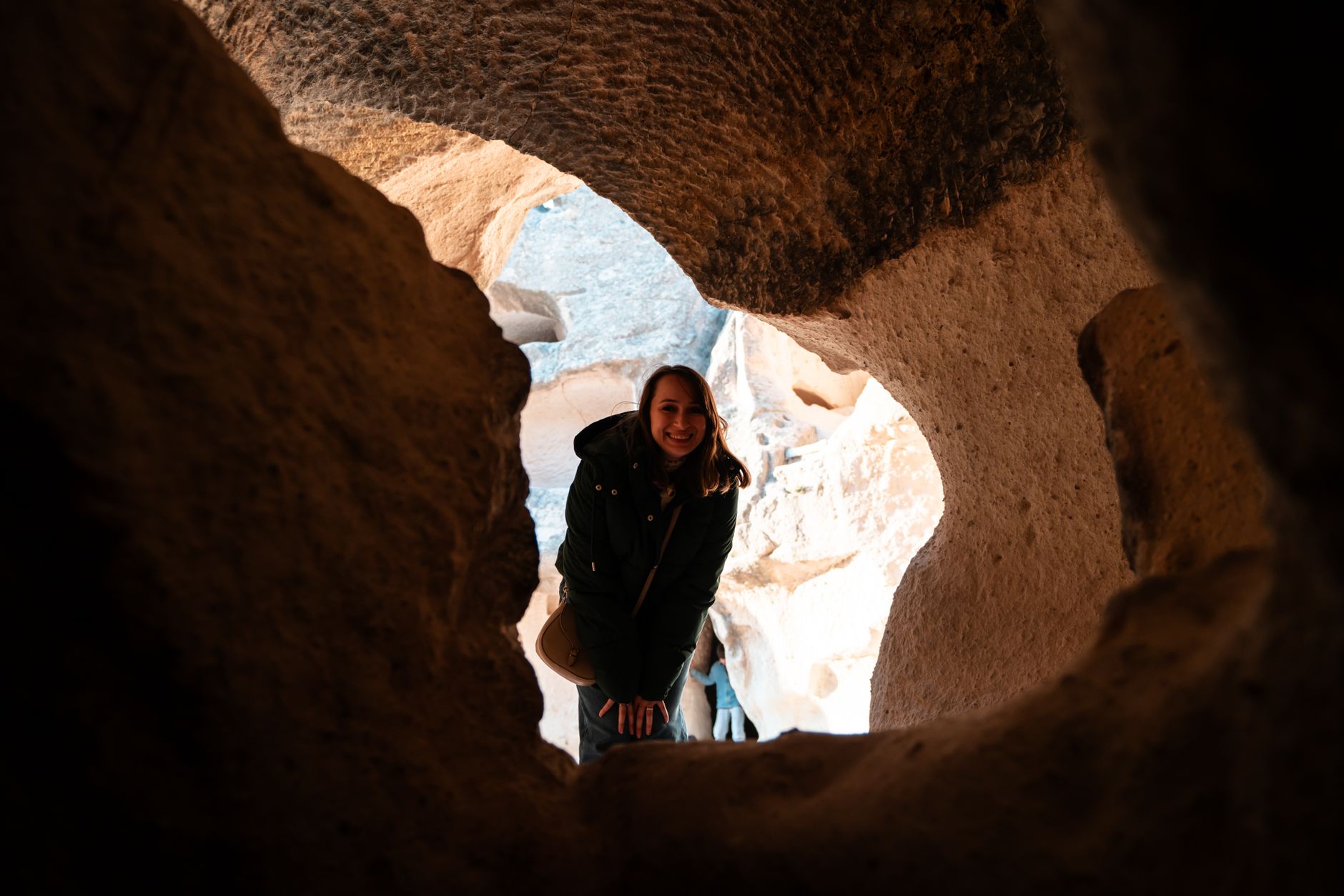
Forget the skyline, true magic lies beneath. I’m a travel blogger who found unexpected life lessons and profound shifts in perspective by exploring the ancient, eerie, and utterly breathtaking secret tunnels beneath the world's most famous cities. This isn't just travel; it's a journey into the soul of humanity, and it changed me forever. ---
The world above ground is a dazzling spectacle. Iconic skylines, bustling markets, sun-drenched beaches – that's what fills most of our travel feeds and dreams. For years, it filled mine too. I chased sunsets, hiked mountains, and marveled at architectural wonders, always seeking that next breathtaking view. But something felt… missing. A deeper connection, perhaps? A sense of truly understanding the places I visited, beyond their polished facades.
Then, a chance encounter with a local historian in a dimly lit Parisian café sparked a curiosity that would irrevocably alter my travel philosophy and, ultimately, my life. He spoke not of the Eiffel Tower, but of the silent, skeletal city beneath it. He didn't rave about the Louvre, but whispered tales of ancient Roman layers buried deep below modern streets. It was like a secret language, and suddenly, I felt an undeniable pull to learn it.
I began to explore the hidden worlds beneath our feet – the secret tunnels, catacombs, and underground cities that silently tell stories millennia old. What I found wasn't just history; it was a raw, unfiltered testament to human resilience, ingenuity, and our shared mortality. Each subterranean journey chipped away at my preconceived notions, forcing me to confront discomfort, embrace the unknown, and ultimately, find a profound sense of connection to the past and my own place in the grand tapestry of human existence. This isn't just a travel guide; it's an invitation to embark on a journey that will challenge, inspire, and quite possibly, change you forever too.
The Whispering Labyrinth of Paris: Confronting Mortality
My first foray into the underworld was, naturally, the Paris Catacombs. Like many, I’d heard the morbid tales, seen the eerie photos, but nothing truly prepares you for the sheer scale of this ossuary. Descending 130 steps into the cool, damp earth, the sounds of Parisian street life slowly faded, replaced by an almost reverent silence.
The initial stretch of plain, dark tunnels felt like a descent into the unknown, a deliberate separation from the living world. Then, the first wall of bones appeared. Femurs stacked neatly, skulls staring out from carefully arranged patterns. Millions of them. Six million souls, relocated from overflowing cemeteries in the 18th century, now forming a macabre, yet strangely beautiful, monument to death.
Personal Anecdote: I remember pausing at a section where a small, handwritten sign read, "Arrête! C'est ici l'empire de la Mort" ("Stop! This is the empire of Death"). It wasn't just a warning; it was a profound invitation. Standing amidst the silent echoes of so many lives, I felt an overwhelming sense of humility. My own anxieties, my trivial daily worries, seemed to shrink into insignificance. It wasn't scary; it was incredibly grounding. It was a visceral reminder of our shared human fate, a powerful memento mori that forced me to appreciate the preciousness of every moment above ground. It was the first time a travel experience had made me feel so deeply connected to the universal human condition.
Practical Tips for Visiting the Paris Catacombs:
- Location: 1 Avenue du Colonel Henri Rol-Tanguy, 75014 Paris.
- Price: Around €29 for a skip-the-line ticket (highly recommended!). Book well in advance online via the official site or reputable tour operators like GetYourGuide or Viator.
- Duration: Allow 45 minutes to an hour for the self-guided tour.
- Accessibility: Not wheelchair accessible. Involves 130 steps down and 83 steps up.
- Claustrophobia: Tunnels can be narrow and low-lit. If you're severely claustrophobic, this might be challenging.
- Photography: Flash photography is generally prohibited to preserve the bones, but low-light shots are possible. Be respectful.
- Instagram-Worthy Moment: While eerie, the intricate arrangements of bones are visually striking and provoke deep thought. Capture the sense of scale and solemnity.
Edinburgh's Vaults: Chills, History, and the Unseen
From the philosophical depths of Paris, my underground journey took a more atmospheric, and frankly, spine-tingling turn in Edinburgh, Scotland. Beneath the bustling Royal Mile and the historic South Bridge lie the infamous Edinburgh Vaults. Built into the 19 arches of the bridge in the late 18th century, these chambers were initially used for taverns, workshops, and storage. But as the city grew, they became a notorious slum, a haven for criminals, and a breeding ground for disease.
Today, these dark, damp vaults are a chilling testament to Edinburgh's grim past. Guided tours delve into the stories of poverty, murder, and the supernatural. The air is thick with history, a palpable chill that isn't just from the stone.
Personal Anecdote: On one particular tour, our guide, a master storyteller, led us into a pitch-black chamber, recounting tales of a resident poltergeist known as "The Watcher." The moment he fell silent, a distinct, cold breath brushed past my cheek. I wasn't alone in feeling it; a gasp rippled through the group. Was it just a draft? Perhaps. But in that moment, enveloped by the darkness and the weight of centuries of suffering, it felt like a direct communication from the past. It wasn't just a ghost story; it was an immersive experience that blurred the lines between history and legend, making me question what we truly perceive and understand about the unseen forces that shape a place. It taught me to feel, not just see, a city's history.
Practical Tips for Visiting the Edinburgh Vaults:
- Location: Various tour operators depart from different points around the Old Town (e.g., Mercat Tours, City of the Dead Tours).
- Price: Tours range from £15-£25, depending on the operator and type of tour (history vs. ghost-focused).
- Duration: Most tours are 1-1.5 hours.
- Booking: Book in advance, especially during peak season, as tours are popular.
- What to Expect: Dim lighting, uneven surfaces, cold and damp conditions. Wear warm layers and sturdy shoes.
- Photography: Many tours allow photography, but some might ask you to refrain in certain areas.
- Instagram-Worthy Moment: The dramatic lighting and ancient stone walls create a wonderfully moody atmosphere. Capture the sense of mystery and history.
Rome's Subterranean Layers: Unearthing Civilizations
Rome, the Eternal City, is a living museum, but its true magic often lies hidden beneath its bustling streets. Unlike the Catacombs or Vaults, Rome offers a multi-layered underground experience, where one can literally peel back centuries of history. My favorite discovery was the Basilica of San Clemente, a seemingly modest church near the Colosseum that holds a breathtaking secret.
What appears to be a 12th-century basilica is, in fact, built atop a 4th-century basilica, which itself sits upon a 2nd-century Mithraic temple and a 1st-century Roman house. Descending through these layers is like time travel, each level taking you further back, each distinct in its architecture, frescoes, and purpose.
Personal Anecdote: As I descended from the grand, glittering mosaics of the upper basilica, through the ancient church with its faded frescoes, and finally into the cool, dark Mithraic temple, I felt a profound sense of awe. The highlight was hearing the rush of a subterranean river, the Aqua Claudia, flowing beneath the ancient Roman road. It was a sound that had echoed through these layers for two millennia, connecting me directly to the lives of those who walked and worshipped here before. It was a powerful realization of the continuity of human civilization, the way societies build upon, and often forget, the foundations of those that came before. It truly opened my eyes to the incredible depth of history that exists beneath our everyday lives.
Practical Tips for Visiting Rome's Underground:
- Basilica of San Clemente:
- Location: Via Labicana, 95, 00184 Roma.
- Price: Entry to the underground levels is around €10.
- Duration: Allow 1-1.5 hours.
- Tips: Photography is often restricted in the lower levels. Go early to avoid crowds.
- Domitilla Catacombs: Less crowded than Callixtus, offering a more intimate experience. Guided tours are mandatory and included in the entry price (€10-12).
- Booking: For popular sites or specific tours, book ahead. Many smaller underground sites require guided visits.
- What to Expect: Varying conditions – some well-lit, some very dark. Uneven terrain.
- Instagram-Worthy Moment: The distinct architectural styles of each layer in San Clemente, or the ancient frescoes in the catacombs, offer incredible visual storytelling.
Cappadocia's Underground Cities: A Sanctuary Forged in Stone
My most transformative underground experience, however, wasn't in Europe, but in the otherworldly landscapes of Cappadocia, Turkey. Here, beneath the "fairy chimneys" and moon-like valleys, lie vast, ancient underground cities like Derinkuyu and Kaymakli. These weren't just tunnels; they were entire self-sufficient communities, carved out of the soft volcanic rock by early Christians fleeing persecution, capable of housing thousands of people for months at a time.
Imagine multi-level cities with kitchens, stables, churches, wineries, ventilation shafts, and massive rolling stone doors to seal off invaders. The scale of human ingenuity and resilience required to create these subterranean marvels is simply mind-boggling.
Personal Anecdote: Walking through the narrow, sometimes claustrophobic passages of Derinkuyu, descending eight levels into the earth, I was struck by the sheer determination of these ancient people. They lived in complete darkness, yet they built a sophisticated society underground to preserve their faith and lives. In one small, dimly lit chamber, I imagined families huddled together, sharing stories, praying for freedom. It wasn't just history; it was a profound lesson in human spirit, adaptability, and the power of community in the face of existential threat. It redefined my understanding of what "home" could be and how deeply we value freedom. I emerged from Derinkuyu feeling an unparalleled sense of gratitude for my own freedom and a renewed belief in humanity's capacity to overcome adversity. It was truly life-altering.
Practical Tips for Visiting Cappadocia's Underground Cities:
- Location: Derinkuyu and Kaymakli are the most famous, located about 30-40 minutes drive from Göreme.
- Price: Entry is around 60-80 Turkish Lira (check current exchange rates).
- Duration: Allow 1-2 hours for each city.
- Tours: Many "Green Tours" or "Red Tours" in Cappadocia include visits to these underground cities. A guide is highly recommended to understand the history and functions of each chamber.
- What to Expect: Very narrow, low passages in places. Can be crowded. Wear comfortable shoes.
- Claustrophobia: Be prepared for tight spaces, especially in Derinkuyu.
- Photography: Generally allowed, but light is challenging.
- Instagram-Worthy Moment: The massive rolling stone doors are iconic. Capture the sense of ancient engineering and the vastness of the carved spaces.
Beyond the Surface: Practicalities of Subterranean Exploration
Inspired to dive into your own underground adventure? Here are some essential tips to make your journey safe, respectful, and truly transformative:
- Do Your Research: Not all "tunnels" are created equal. Some are historical, some are natural caves, some are modern infrastructure. Understand what you're visiting.
- Book in Advance: Especially for popular attractions like the Paris Catacombs or specific guided tours, tickets sell out quickly.
- Dress Appropriately: The underground is almost always cooler and damper than the surface. Wear layers, and always opt for sturdy, comfortable closed-toe shoes with good grip.
- Mind Your Head (and Your Feet!): Ceilings can be low, and floors uneven. Pay attention to your surroundings.
- Respect the Environment: These are historical and often fragile sites. Do not touch, deface, or remove anything. Stick to marked paths.
- Consider Guided Tours: For places like the Edinburgh Vaults or Cappadocia's underground cities, a knowledgeable guide brings the history to life and helps you navigate complex passages.
- Manage Claustrophobia: If you're prone to claustrophobia, start with less intense experiences. Many sites have exit points or wider sections. Be honest with yourself about your comfort levels.
- Photography Etiquette: Always check rules regarding photography. Avoid flash where prohibited, and be mindful of other visitors.
- Stay Hydrated: Even underground, walking can be strenuous.
- Embrace the Silence: Sometimes the most profound moments come when you simply stop, listen, and feel the weight of history around you.
The Unseen Transformation: Why Going Underground Changes You
Emerging from these subterranean worlds is always a profound experience. The sunlight feels brighter, the air fresher, and the sounds of the city above more vibrant. But the biggest change isn't in the external world; it's within.
Exploring secret tunnels and underground cities forces you to:
- Confront Your Comfort Zone: It's often dark, damp, and sometimes unnerving. Pushing past that discomfort builds resilience.
- Gain Perspective: You literally see the layers of time, understanding how fleeting our own moment is, and how enduring human spirit can be.
- Connect with History Viscerally: Reading about history is one thing; standing where ancient people lived, died, and worshipped is another entirely.
- Appreciate the Present: Stepping back into the light after being in the depths makes you truly appreciate the beauty and freedom of the world above.
- Re-evaluate Your Priorities: When confronted with mortality or ancient struggles for survival, your own daily worries often seem smaller, allowing you to focus on what truly matters.
These tunnels aren't just tourist attractions; they are portals to self-discovery, offering a unique lens through which to view humanity's past and our own place within it. They changed my life forever by reminding me that the greatest adventures, and often the deepest truths, are sometimes found not by looking up at the sky, but by daring to delve deep beneath the surface.
So, next time you plan a trip, consider looking beyond the obvious. Dare to descend. Dare to explore the hidden worlds that whisper tales of forgotten eras. You might just find that the greatest journey isn't to a distant land, but to a hidden world that unlocks a profound new perspective within yourself.
What secret underground places have you explored? Or which ones are now on your bucket list? Share your thoughts in the comments below! Let's inspire each other to dig deeper.
---
More pictures

Tags
Share this guide
We may earn a commission if you click a link and buy a product or service, at no extra cost to you. How affiliate links work.
Been there?