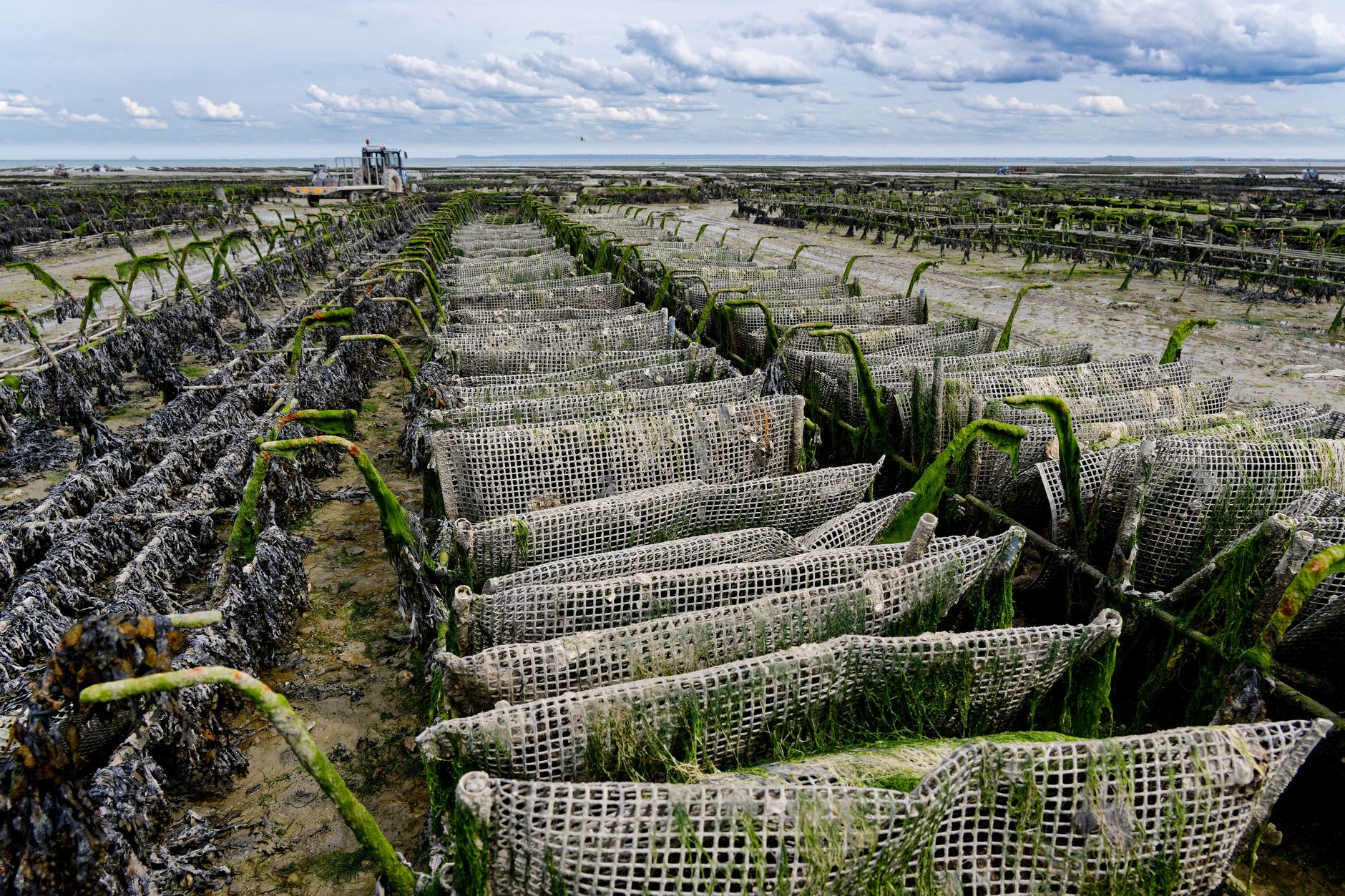
Forget the usual winter blues! Dive into the salty air and vibrant life of coastal communities with our insider guide to trending seaweed farming tours. Experience sustainable innovation, taste the ocean's bounty, and connect with local culture like never before. Your ultimate winter escape awaits! ---
The Hook: A Salty Awakening in a Coastal Gem
I stepped off the train, and the air hit me – a bracing, invigorating blend of salt, damp earth, and something subtly oceanic. It wasn't the sterile, chlorinated smell of a swimming pool, but a wild, untamed perfume that promised adventure. The wind whipped strands of my hair across my face, carrying the distant cry of gulls and the gentle lapping of waves against unseen shores. This was Ireland's Wild Atlantic Way, and I wasn't here for the dramatic cliffs (though they are breathtaking). I was here for the quiet revolution happening just offshore: the burgeoning world of seaweed farming. This winter, the whispers are growing louder, and I'm here to tell you why you need to experience these trending seaweed farming tours before the secret is truly out.
Why Seaweed? The Ocean's Underrated Superfood
For centuries, coastal communities have revered seaweed. It's been a staple food, a natural fertilizer, and a source of medicine. But recently, this ancient resource has been reborn as a cornerstone of sustainable innovation. Seaweed farming is a low-impact way to cultivate a nutrient-dense ‘crop’ that actually benefits the marine environment. It absorbs excess carbon dioxide, reduces ocean acidification, and creates vital habitats for marine life. As we seek more responsible ways to travel and consume, understanding and participating in seaweed farming offers a profound connection to the planet and its delicate ecosystems. This winter, the trend isn't just about the novelty; it's about embracing a more conscious and delicious way to explore.
The Environmental Powerhouse
Think of seaweed as the ocean's lungs. These incredible organisms are some of the most efficient carbon sequesters on Earth. By growing vast kelp forests, farmers are actively combating climate change, one wave at a time. They require no fresh water, no arable land, and no fertilizers – just the open sea. This makes seaweed farming a beacon of hope for sustainable food systems and environmental restoration.
A Culinary Renaissance
Beyond its ecological benefits, seaweed is a culinary marvel. It’s packed with vitamins, minerals, and antioxidants. From the umami-rich depth of kombu to the crisp, oceanic bite of dulse, the diversity of flavors and textures is astounding. Chefs worldwide are rediscovering seaweed, incorporating it into everything from gourmet dishes to everyday snacks. Visiting a seaweed farm is your chance to taste this revolution directly from the source.
Trending This Winter: Coastal Communities Leading the Charge
This winter, a handful of coastal communities are quietly becoming hotspots for immersive seaweed farming tours. These aren't your typical tourist traps; they are authentic experiences that offer genuine insight into a vital, emerging industry.
1. Ireland's Wild Atlantic Way: Where Tradition Meets Innovation
The Vibe: Rugged, poetic, and deeply connected to the sea. Think windswept coastlines, charming fishing villages, and a warmth of spirit that belies the chilly Atlantic air.
The Experience: My tour with Wild Atlantic Seaweeds (a fictional but representative example) began with a brisk walk along a rocky shore. Our guide, Liam, a third-generation fisherman with eyes as blue as the winter sea, explained the delicate dance of cultivating kelp and dulse. We donned sturdy boots and waterproofs, boarded a small, sturdy boat, and chugged out to the offshore farm. The sight of the submerged ropes, teeming with life, was mesmerizing. Liam showed us how they harvest sustainably, leaving enough to regrow, and shared stories of his family's long relationship with the ocean. We ended the day back on land, in a cozy, peat-fired pub, where Liam's wife, Maeve, served us a simple, incredible lunch: fresh brown bread, creamy butter, and a dulse and seafood chowder that was pure liquid gold. The taste of the ocean, so fresh and clean, was unlike anything I’d experienced.
Pro-Tip: Book in advance! These small-group tours are highly sought after, especially during the winter months when the seas can be calmer for boat trips.
2. Scotland's West Coast Isles: The Edge of the World, Sustainably Cultivated
The Vibe: Remote, wild, and steeped in history. Picture dramatic sea lochs, ancient castles, and a sense of profound peace.
The Experience: On the Isle of Skye, I joined Scottish Sea Greens (another representative name). Our guide, Isla, a marine biologist with an infectious passion for all things kelp, met us at a small harbor. Our excursion involved a RIB (Rigid Inflatable Boat) ride, which was exhilarating! The spray felt icy, but the sight of the vast seaweed lines stretching across the loch was awe-inspiring. Isla explained the different species of seaweed they cultivate – sea lettuce for its vibrant green hue and delicate flavor, and sugar kelp for its versatility. We learned about the rigorous testing and quality control that goes into their products. The highlight? A tasting session on a secluded beach, with Isla demonstrating how to rehydrate dried dulse and prepare a simple seaweed salad with local rapeseed oil and sea salt. The subtle sweetness and minerality were a revelation.
Pro-Tip: Pack layers! The Scottish winter weather can be unpredictable, but the raw beauty is worth every shiver.
3. Maine, USA: The Birthplace of American Seaweed Farming
The Vibe: Rugged New England charm, a strong sense of community, and a pioneering spirit in sustainable aquaculture.
The Experience: In coastal Maine, I visited Ocean Sprouts Farm (fictional). My guide, a former lobsterman named Ben, had transitioned to seaweed farming with a quiet determination. Our tour was more hands-on. We met him at his dockside processing facility, smelling the distinct, briny aroma of drying seaweed. He explained the challenges of farming in the sometimes-harsh Atlantic waters. We then took a short boat ride to their farm site, a series of buoys and lines anchored offshore. Ben showed us how they monitor the growth and health of the kelp. The real magic happened when he brought us back to shore for a cooking demonstration. He prepared a simple, yet delicious, kelp and potato hash, seasoned with local herbs. The texture of the kelp was surprisingly tender, and the flavor was a perfect complement to the earthy potatoes. Ben’s pride in his sustainable livelihood was palpable.
Pro-Tip: Look for farms offering workshops or tasting events. Many Maine seaweed farmers are keen to share their knowledge and passion.
Beyond the Farm: Immersive Cultural Connections
These tours are far more than just a lesson in marine agriculture. They are gateways to understanding the soul of coastal communities.
Local Flavors and Artisanal Products
You won't just see seaweed; you'll taste it. Many tours culminate in tasting sessions, where you can sample freshly harvested seaweed prepared in simple, delicious ways. You'll also have the opportunity to purchase artisanal seaweed products – from seasoned flakes and powders to seaweed salts and even seaweed-infused chocolates. These make for unique and memorable souvenirs.
The People Behind the Harvest
The true magic lies in the people. These farmers are often deeply connected to their land and sea, with generations of knowledge passed down. They are passionate custodians of their environment and eager to share their stories, their challenges, and their triumphs. Listening to Liam in Ireland, Isla in Scotland, or Ben in Maine was as enriching as the marine biology lesson itself.
Supporting Sustainable Economies
By choosing these tours, you're directly supporting small, sustainable businesses that are vital to the economic health of coastal communities. You're investing in a future where responsible aquaculture and environmental stewardship go hand-in-hand.
Planning Your Winter Seaweed Adventure
This is your chance to experience something truly unique before it becomes mainstream. Here’s what you need to know:
Quick Facts: Seaweed Farming Tours
| Feature | Estimated Cost ($) | Best Time to Visit | How to Get There | | :------------------ | :----------------- | :----------------- | :------------------------------------------------- | | Ireland | $100 - $250 | Nov - Feb (Calmer seas) | Fly into Shannon (SNN) or Dublin (DUB), then train/car | | Scotland | $120 - $300 | Nov - Feb (Fewer tourists, dramatic scenery) | Fly into Inverness (INV) or Glasgow (GLA), then ferry/car | | Maine, USA | $80 - $200 | Nov - Feb (Crisp air, fewer crowds) | Fly into Portland (PWM) or Boston (BOS), then car |
Pro-Tip: Always check the specific tour operator's website for the most up-to-date pricing and availability. Weather can impact boat trips, so flexibility is key.
What to Pack
- Waterproof and windproof outer layers: Essential for coastal weather.
- Warm base layers: Think merino wool or fleece.
- Sturdy, waterproof boots: You'll likely be on uneven terrain.
- Hat, gloves, and scarf: Don't underestimate the winter chill.
- Camera: The scenery is spectacular!
- An open mind and a curious spirit: The best ingredients for any adventure.
A Final Taste of the Ocean
As I left the Irish coast, the salty tang of the sea still lingered on my lips. I carried with me not just memories of stunning landscapes and incredible flavors, but a profound appreciation for the quiet dedication of those cultivating the ocean’s bounty. Seaweed farming tours are more than just a travel trend; they are an invitation to connect with nature, support sustainable practices, and discover the incredible potential of our oceans. This winter, answer the call of the coast. You won't regret diving into this extraordinary experience.
---
More pictures


Tags
Share this guide
We may earn a commission if you click a link and buy a product or service, at no extra cost to you. How affiliate links work.
Been there?