
Seaweed farming supports coastal communities and is gaining attention for food and sustainability. Here is where to learn about it.
What seaweed farming involves
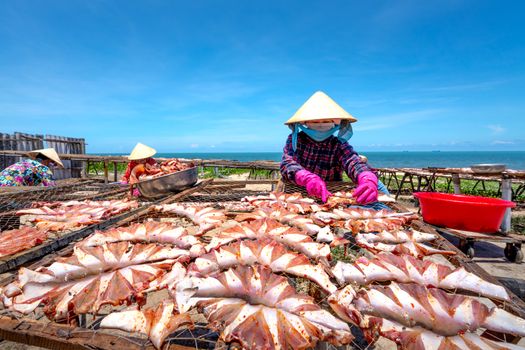
Seaweed is grown on ropes or lines in shallow water, harvested by hand or boat, then dried or processed. It supports livelihoods and is used in food, cosmetics and other products.
Places to learn
- Zanzibar, Tanzania: Seaweed farming is an important source of income, especially for women. Some local groups offer visits and workshops.
- South Korea: Seaweed (gim and miyeok) is part of everyday food, and coastal areas host markets and processing visits.
- Japan: Nori and kombu farms in coastal regions, with tasting experiences.
- Ireland and Scotland: Foraging walks and small-scale seaweed farms.
- Maine, USA: Kelp farms and tours.
Tips
- Choose community-run or locally owned operators.
- Ask how income is shared.
- Wear appropriate footwear and clothes.
- Check tides and weather.
- Be respectful when photographing workers.
Enjoy the flavours
Try seaweed salads, soups and snacks, and ask about cooking methods.
Availability varies by season, so check with local organisers.
More pictures
Tags
Share this guide
We may earn a commission if you click a link and buy a product or service, at no extra cost to you. How affiliate links work.
Been there?