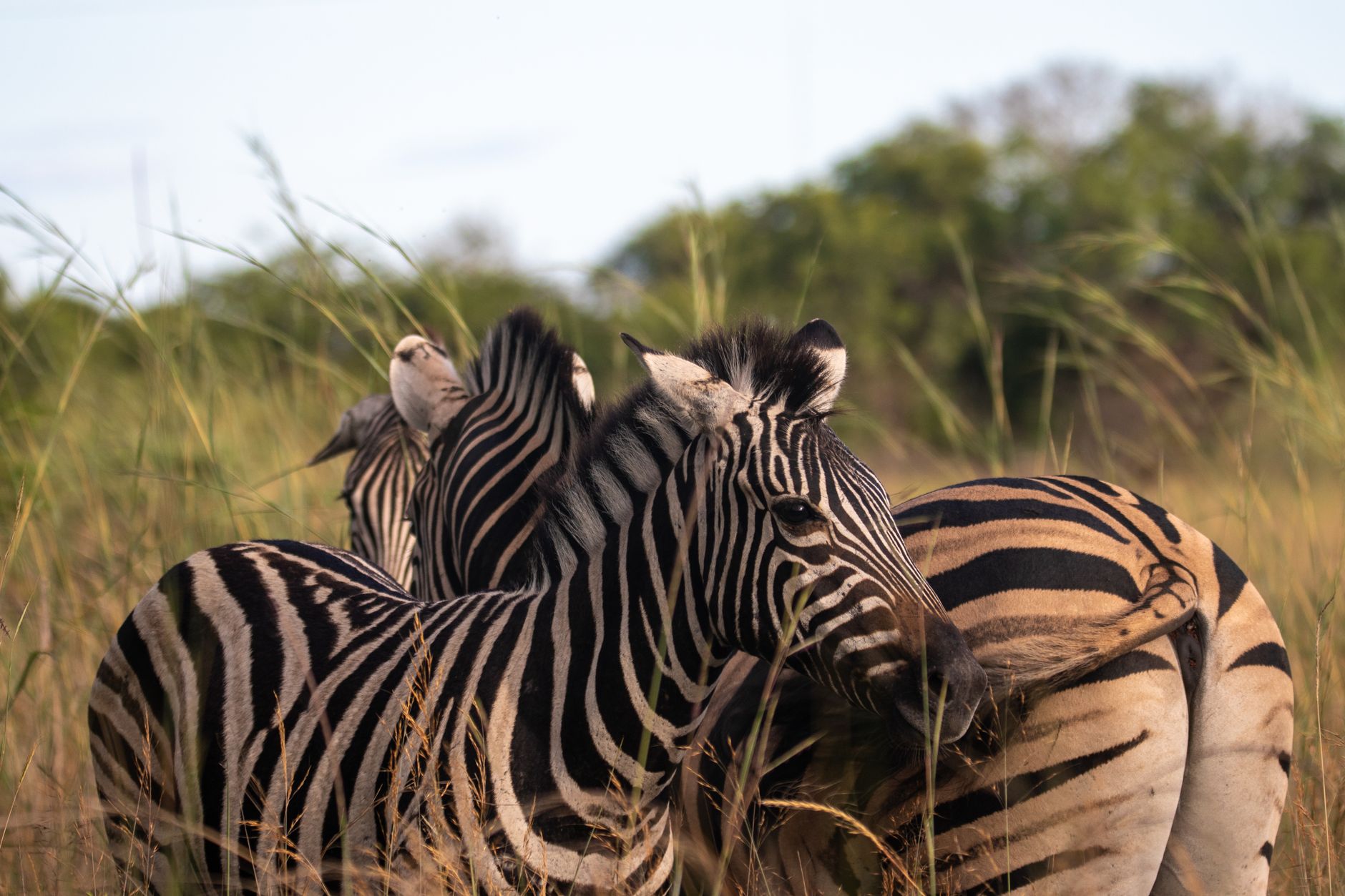
Skip the bumper-to-bumper minibus traffic of the Masai Mara this summer. From the water-drowned labyrinth of the Okavango Delta to the raw, walking-first territory of South Luangwa, these six trending, crowd-free African safari destinations offer more exclusivity, better wildlife encounters, and unmatched authenticity. ---
The Myth of the Mara: Why It’s Time to Pivot
I stepped off the single-prop Cessna onto the packed-red earth of the Mfuwe airstrip, and the air hit me like a physical force. It wasn’t just hot; it was alive. It smelled of sun-baked mopane leaves, dry river dust, and the faint, unmistakable musk of elephant dung. There were no terminal gates, no queues of idling white minibuses, and no megaphone-wielding tour guides. Just the vast, whispering African sky and a waiting open-top Land Cruiser.
For decades, Kenya’s Masai Mara has been the default setting for the classic African safari. But let’s be honest: during the July-to-September migration season, the Mara can feel less like an untouched wilderness and more like a high-stakes highway. I’ve personally stood in a "lion jam" where thirty vehicles, diesel engines rattling, surrounded a single, visibly stressed lioness trying to hunt.
That isn't wild. That’s a zoo without cages.
This summer, discerning travelers are turning away from the overrun northern parks. They are seeking out destinations where conservation takes precedence over mass tourism, where the safari vehicles are open-sided, and where you can track apex predators on foot without another human in sight.
If you want a safari that changes your DNA rather than just ticks a box on your bucket list, these are the six trending destinations that outshine Kenya this summer.
---
1. South Luangwa National Park, Zambia: The Birthplace of the Walking Safari
``` _..._ .'_..._'. / / \ \ [ The Raw Wilds of Zambia ] | | _ | | - Zero minibus crowds \ \ / \ / / - Intimate walking safaris '.`---'.'_ - World-class leopard tracking `---'` ```
The Unfiltered Bush Experience
If Kenya is a curated documentary, South Luangwa is the raw, unedited footage. Located in eastern Zambia, this park is anchored by the meandering Luangwa River, which hosts one of the highest concentrations of hippos and crocodiles on the planet.
But the real draw here is the walking safari. Pioneered here by conservationist Norman Carr in the 1950s, walking safaris strip away the metal barrier of the vehicle. You are on the ground, sharing the same dirt as the lions. You learn to read the alarm calls of the yellow-spotted bush sparrow and notice the direction of the wind to keep your scent from drifting toward a herd of Cape buffalo.
Wildlife Profile
South Luangwa is unofficially known as the "Valley of the Leopard." Because night drives are permitted here (unlike in many of Kenya’s national parks), your chances of spotting these elusive, rosette-patterned cats hunting under the beam of a red-filtered spotlight are extraordinarily high.
- Pro-Tip: Book a stay at a fly-camp like Time + Tide Luwi, where you can sleep on a simple bedroll on a dry riverbed under nothing but a mosquito net and the Milky Way.
- When to Go: 7:00 AM is the golden hour for walking safaris. The air is crisp, the ground is cool enough to track fresh prints, and predators are still active before the midday heat sets in.
---
2. The Okavango Delta & Linyanti Concession, Botswana: High-End Water Wilderness
``` ~~~~~ ~~~~~~~~~ [ Botswana's Water Labyrinth ] ~~~~\_/~_~~ - Low-impact, high-cost tourism ~~~~~( o.o ) - Mokoro (dugout canoe) excursions ~~~~~\_=_/ - Elephant-dense private concessions ~~~~~ ```
The Anti-Mass Tourism Model
Botswana made a conscious, political decision decades ago: high-yield, low-volume tourism. By keeping park fees high and bed numbers strictly limited, they have preserved one of the most pristine wetland ecosystems on earth.
During the northern hemisphere’s summer, the Okavango Delta undergoes a magical transformation. Floodwaters from the Angolan highlands finally reach the Kalahari basin, turning a dusty desert into a labyrinth of crystal-clear channels, lagoons, and islands. While Kenya is dry and dusty in July, Botswana is a lush, watery Eden.
The Mokoro Experience
Instead of rattling along in a 4x4, you glide through the water in a mokoro—a traditional dugout canoe poled by a local guide. The only sounds are the drip of water from the pole, the gentle rustle of papyrus reeds, and the occasional deep, resonant grunt of a distant hippo.
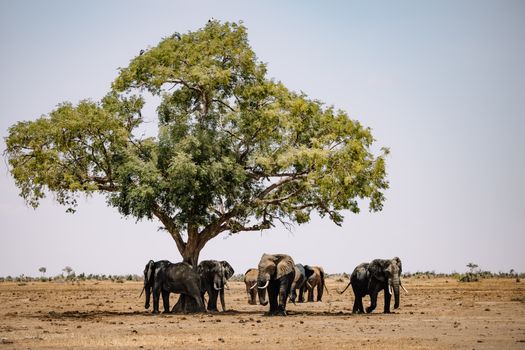
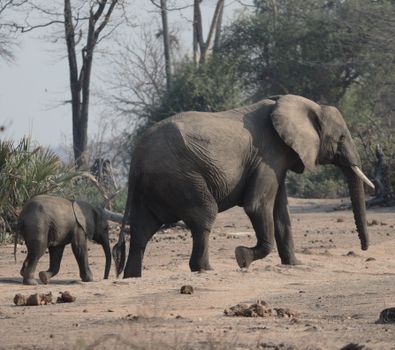
- The Hidden Entrance: To experience the delta’s wilder, drier cousin, head north to the Linyanti Concession. This private reserve is famous for its massive herds of elephants that congregate along the Linyanti River during the dry winter months.
- Pro-Tip: Pack lightweight, neutral-colored clothing (strictly no military camo, which is illegal in several African nations) and high-quality binoculars. The birdlife here—especially the elusive Pel's fishing owl—is legendary.
---
3. Damaraland & The Skeleton Coast, Namibia: The Hauntingly Beautiful Desert Safari
``` /\ / \ [ Namibia's Stark Contrasts ] / \ - Desert-adapted rhinos & elephants / \ - Dramatic rust-colored geology /________\ - Shipwrecks meeting cold ocean swells ```
Where the Dunes Meet the Atlantic
If you think safaris are only about golden savannahs and acacia trees, Namibia will shatter your preconceptions. This is a landscape of stark, surreal beauty: rust-red sand dunes that plunge directly into the frigid Atlantic Ocean, basalt mountains, and ancient petroglyphs.
Damaraland is home to some of the most resilient creatures on earth: desert-adapted elephants and black rhinos. These animals have evolved longer legs, larger feet, and the ability to go days without drinking water, surviving off the moisture-rich fog that rolls in from the coast.
tracking the Giants
Tracking a desert-adapted black rhino on foot through the rocky gorges of the Huab River valley is an exercise in patience and humility. Guided by local Save the Rhino Trust trackers, you walk in silence, stepping carefully over loose shale, until you see a prehistoric silhouette emerge from the shimmering heat haze.
- Pro-Tip: The Skeleton Coast is notoriously cold and windy in the morning due to the Benguela Current. Bring a windproof, heavy-duty fleece jacket. You will need it for the morning beach drives past rusting shipwrecks and Cape fur seal colonies.
- Insider Detail: Ask your guide to show you the Welwitschia mirabilis, a bizarre-looking desert plant that can live for over 1,500 years on nothing but morning dew.
---
4. Mana Pools National Park, Zimbabwe: The Thinking Traveler's Paradise
``` _.-'''''''-._ .' _ _ '. [ Zimbabwe's Raw Edge ] / (o) (o) \ - Canoeing wild river channels | | - Unfenced, raw camping \ \ ___ / / - Stand-up bull elephants '. '.___.' .' '-._______.-' ```
Unfiltered, Unfenced, Unbelievable
Mana Pools is a UNESCO World Heritage site located in northern Zimbabwe, along the banks of the lower Zambezi River. "Mana" means "four" in the local Shona language, referring to the four large, permanent pools formed by the river’s changing course.
What makes Mana Pools superior to Kenya is the freedom. It is one of the few national parks in Africa where you are permitted to walk unguided (though hiring a professional armed guide is highly recommended for safety). There are no manicured lawns or luxury fences here; the wildlife wanders directly through the campsites.
The Canopy Walkers
Mana Pools is famous for its "canopy-walking" elephants. Specifically, a legendary bull named Boswell, who has learned to stand entirely on his hind legs to reach the high-up, protein-rich pods of the Faidherbia albida (Anaboom) trees.
- Pro-Tip: Rent a canoe for a multi-day safari along the Zambezi River. Drifting past pods of yawning hippos and watching elephants drink from the shoreline at eye level is an adrenaline rush that no game drive can match.
- Safety Note: Always maintain a minimum distance of 20 meters from any wild animal on foot, and never get between a hippo and the water.
---
5. Ruaha National Park, Tanzania: The Secret Giant of the South
``` /\_/\ (=^.^=) [ Tanzania's Wild South ] \")_(\" - 10% of the world's lion population / \ - Massive baobab forests (_______) - Fraction of the Serengeti crowds ```
The Serengeti's Untamed Rival
While northern Tanzania (the Serengeti and Ngorongoro Crater) suffers from the same over-tourism issues as Kenya, the southern circuit remains gloriously wild and under-visited. Ruaha National Park is a rugged, hot-dry landscape studded with ancient baobab trees and dissected by the Great Ruaha River.
Ruaha is massive—larger than the entire nation of Connecticut—yet it hosts only a handful of small, eco-sensitive camps. You can drive for hours here without seeing another vehicle, surrounded instead by spectacular landscapes and an astonishing volume of predators.
Predator Capital
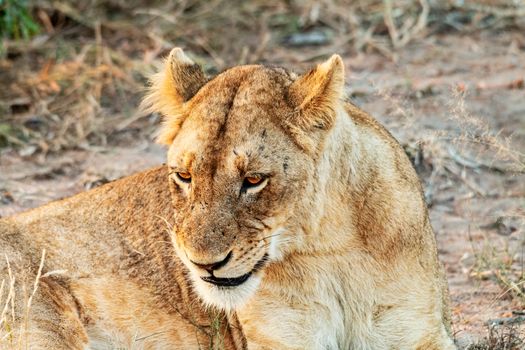
Ruaha is home to roughly 10% of the world's remaining wild lion population. It also supports massive herds of Cape buffalo, which serve as the primary prey for the park's super-prides (sometimes numbering up to 30 individuals).
- Pro-Tip: Visit the Jongomero area in the far south of the park. It is incredibly remote, featuring beautiful sand rivers where you can track wildlife by following the prints left in the soft sand.
- Local Flavor: Try ugali (a dense cornmeal porridge) served with a rich, spiced beef stew (mchuzi wa nyama) at your camp’s communal boma dinner.
---
6. Volcanoes & Akagera National Parks, Rwanda: The Ultimate Dual Safari
``` _ _(_)_ [ Rwanda's Conservation Miracle ] '( )' - Gorilla trekking in misty forests _`---'_ - Restored Big Five savannahs (_`---'_) - High-end, sustainable luxury ```
From Misty Forests to Savannahs
Rwanda has emerged as a global leader in high-end conservation. While most travelers know it for the misty slopes of Volcanoes National Park—where you can spend an unforgettable hour lock-jawed in awe, staring into the liquid-brown eyes of a mountain gorilla—few realize that Rwanda now offers a world-class savannah safari too.
Akagera National Park, located on the eastern border with Tanzania, is a stunning comeback story. After being nearly decimated during the 1990s, the park has been completely restored through a partnership with African Parks. Lions and black rhinos have been reintroduced, making Akagera a thriving, crowd-free Big Five destination.
The Double-Header
By pairing the high-altitude volcanic rainforest of Volcanoes National Park with the low-lying wetlands and savannah of Akagera, you get a diverse, multi-biome safari that Kenya simply cannot match in such a compact geographic footprint.
- Pro-Tip: Book your gorilla trekking permit at least six months in advance. Rwanda limits permits to protect the primates from stress and disease, and they sell out quickly.
- The Hidden Gem: Take a night boat trip on Lake Ihema in Akagera to see nocturnal crocodiles, fishing owls, and the glowing eyes of hippos along the shoreline.
---
The Budget & Logistics: How They Compare
Planning a safari requires careful balancing of time, budget, and accessibility. Here is a quick-reference guide to help you choose your ideal alternative destination this summer.
| Destination | Est. Daily Cost (USD) | Best Summer Month | How to Get There | The X-Factor | | :--- | :--- | :--- | :--- | :--- | | South Luangwa, Zambia | \$400 - \$900 (Mid to High) | August | Fly to Lusaka (LUN), then domestic flight to Mfuwe (MFU). | Unmatched walking safaris and nocturnal leopard sightings. | | Okavango Delta, Botswana | \$900 - \$2,500+ (Very High) | July | Fly to Maun (MUB), then light aircraft charter to camp. | Ultra-exclusive water safaris via traditional mokoro. | | Damaraland, Namibia | \$350 - \$800 (Mid) | September | Fly to Windhoek (WDH), then 4x4 self-drive or fly-in safari. | Tracking desert-adapted rhinos in a lunar landscape. | | Mana Pools, Zimbabwe | \$500 - \$1,100 (Mid-High) | August | Fly to Harare (HRE), then charter flight or 4x4 transfer. | Raw, unfenced wilderness and iconic canoe safaris. | | Ruaha, Tanzania | \$450 - \$950 (Mid) | July | Fly to Dar es Salaam (DAR), then coastal aviation flight to Ruaha. | Massive lion prides and zero tourist crowds. | | Volcanoes & Akagera, Rwanda| \$1,200 - \$3,000+ (High) | August | Fly to Kigali (KGL), then private helicopter or road transfer. | The ultimate combo of mountain gorillas and savannah Big Five. |
---
The Verdict: Which One is Right for You?
Choosing a safari destination is deeply personal.
- If you are an active adventurer who wants to feel the earth beneath your boots and learn the subtle language of the bush, head straight to South Luangwa or Mana Pools.
- If you crave uncompromising luxury, privacy, and unique water-based viewing, invest in the Okavango Delta.
- If you are a seasoned safari-goer looking for dramatic landscapes and unique evolutionary adaptations, let the desert winds of Damaraland blow you away.
- If you want to experience a conservation success story while combining primates and predators, Rwanda is your calling card.
Whichever you choose, you will return home with something far more valuable than a memory card full of crowded lion photos: you will have experienced the true, quiet, and unfiltered pulse of wild Africa.
---
More pictures
Tags
Share this guide
We may earn a commission if you click a link and buy a product or service, at no extra cost to you. How affiliate links work.
Been there?