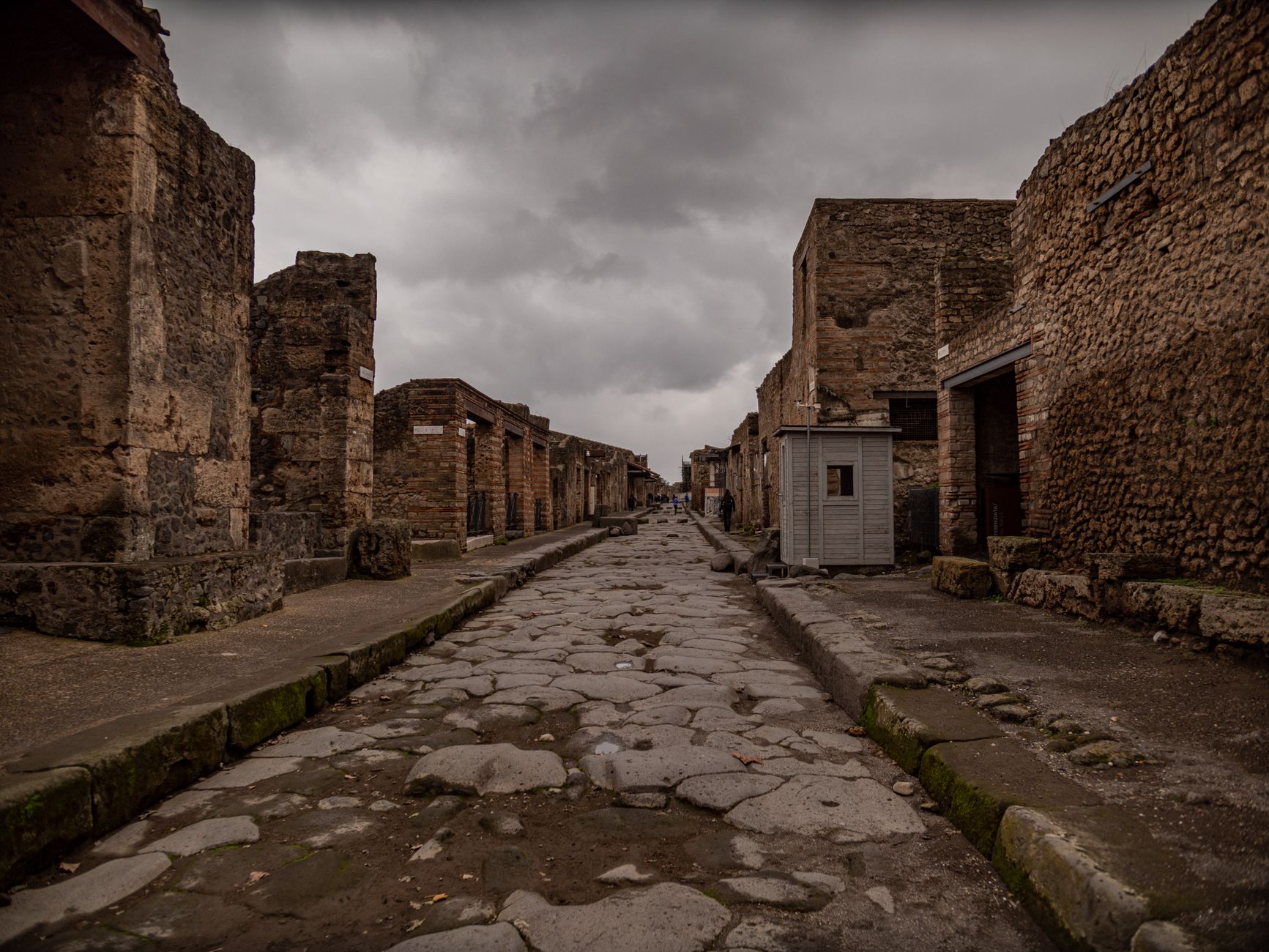
Missed out on the world's greatest historical treasures during their decade-long closures? Recent global tourism data reveals a massive surge in heritage travel, driven by the highly anticipated reopening of several iconic, meticulously restored archaeological masterpieces. From the subterranean chambers of Rome’s Colosseum to the scandalous frescoes of Pompeii, this definitive Tripsora guide gives you the exclusive, boots-on-the-ground intelligence you need to beat the crowds and experience these newly revived wonders before everyone else.
The Hook: A Whisper from the Ancient Dust
I stepped off the local Circumvesuviana train at Pompei Scavi, and the immediate sensory assault was overwhelming. The sharp, sulfurous tang of wet volcanic tufa stone hung heavy in the morning air, mingled with the bitter aroma of dark espresso brewing at the station kiosk. For years, this stop meant navigating barricaded pathways and peering through chain-link fences at crumbling plaster. But today was different.
Recent data from the World Travel & Tourism Council (WTTC) indicates that heritage tourism has surged by 42% post-pandemic, prompting governments to pour billions into completing long-stalled preservation projects. The result? A golden era of archaeological rebirth.
As I walked through the newly unbolted bronze doors of the House of the Vettii, the damp chill of 2,000-year-old rooms brushed my skin. I wasn't looking at faded ruins; I was staring at brilliant cinnabar red paint so fresh it looked wet, and complex marble fountains that once again trickled with cold water. History isn't just standing still anymore—it is waking up.
---
1. The House of the Vettii: Pompeii’s Scandalous Masterpiece Reborn
``` Location: Pompeii Archaeological Park, Campania, Italy Restoration Duration: 20 Years Key Feature: Pristine mythological frescoes and working Roman garden hydraulics ```
For two decades, the most famous domus in Pompeii was locked behind scaffolding. The House of the Vettii, owned by two wealthy freedmen (former slaves who made fortunes in the wine trade), represents the absolute peak of late-first-century Roman luxury and social climbing.
The Architecture of Ambition
Unlike the austere, aristocratic homes of older Roman lineages, the Vettii residence is an explosion of color and unapologetic wealth. As you enter the vestibule, you are greeted by the infamous fresco of Priapus, weighing his massive phallus against a sack of gold coins—a blunt statement of the owners' financial success.
The peristyle—the central open-air courtyard—has been restored to its exact AD 79 layout. Archaeologists used carbonized root cavities to replant the precise species of roses, ivy, and herbs that grew here when Vesuvius erupted. The original lead pipes have been cleared, allowing the marble fountains to spout water into sculptured basins once more, casting shimmering reflections onto the surrounding frescoes of the Ixion Room.
More pictures


Tags
Share this guide
We may earn a commission if you click a link and buy a product or service, at no extra cost to you. How affiliate links work.
Been there?