
Prepare to redefine your dining experience! We're diving into a world where forks and knives are obsolete, and your hands become your ultimate culinary tools. Get ready to discover 7 incredible restaurants offering not just meals, but profound cultural journeys you absolutely must experience. ---
Ditch the Fork: 7 Life-Changing Restaurants Where Eating with Your Hands is a Must!
I remember my first time. Sitting nervously at a low table, a vast, colourful platter placed before me, and not a single piece of cutlery in sight. My Western-conditioned brain screamed, "Where are the forks?!" My host simply smiled, tore off a piece of spongy bread, and scooped up a vibrant stew with practiced ease. That moment, hesitant at first, quickly transformed into an epiphany. It was in an unassuming Ethiopian restaurant in London, and it changed how I viewed food – and the world – forever.
Eating with your hands isn't just about convenience; it's an ancient, intimate, and deeply cultural act. It connects you to your food, to your dining companions, and to centuries of tradition in a way no fork ever could. It’s messy, it’s primal, and it’s utterly glorious. It forces you to slow down, to feel the textures, to truly engage all your senses. If you’re a true food adventurer, someone who believes travel is best experienced through taste, then buckle up. I’ve scoured the globe, smeared my face with delicious sauces, and left a trail of satisfied smiles to bring you this list. These aren't just restaurants; they're portals to unparalleled culinary experiences you need to try before you die.
Let's get our hands dirty, shall we?
1. The Communal Canvas: Ethiopian Injera & Wat
My introduction to hand-eating was, fittingly, one of the most iconic: Ethiopian cuisine. Imagine a vast, round platter, covered with a giant, tangy, spongy flatbread called injera. On top of this edible tablecloth sits an array of vibrant stews (wats) – spicy lentils, tender beef, rich chicken, collard greens, and creamy chickpeas. The beauty? There's no individual plate. Everyone dips into the communal feast.
The ritual is simple yet profound. You tear off a piece of injera with your right hand, use it to scoop up a portion of the stew, and deliver it to your mouth. The injera soaks up the juices, creating a flavour explosion with every bite. The most beautiful gesture is the gursha, where one person feeds another a mouthful of food, a sign of deep respect and friendship. I remember receiving my first gursha from the restaurant owner – a tender piece of Doro Wat (chicken stew) – and feeling an instant connection, a sense of belonging that transcended language.
What to Expect: A warm, inviting atmosphere, often with traditional music and decor. The food is typically shared among 2-4 people. Don't be surprised if you see coffee ceremonies happening, filling the air with the rich aroma of freshly roasted beans.
Tripsora Tip: Always use your right hand; the left is traditionally considered unclean. Be prepared for a delightful mess, and don't be shy – the more you dive in, the more you'll enjoy it!
Where to Try It:
- Addis Ababa, Ethiopia: Everywhere! Seek out local betes (houses) for the most authentic experience.
- Washington D.C., USA: Known as "Little Ethiopia," U Street Corridor boasts numerous fantastic spots like Zenebech Restaurant (around $15-25 per person).
- London, UK: Queen of Sheba in Kentish Town offers a fantastic, authentic experience (around £20-30 per person).
2. The Epic Feast: Filipino Boodle Fight
If you want to experience communal eating taken to its most glorious extreme, you absolutely must partake in a Filipino Boodle Fight. Originating from the Philippine military, where soldiers would eat together from a pile of food laid on banana leaves, it’s now a cherished way for families and friends to bond.
Picture this: a long table covered with fresh banana leaves. On top, a glorious, overflowing mound of steamed rice, surrounded by an edible arsenal of grilled meats (pork belly, chicken skewers), fried fish, prawns, salted eggs, fresh tomatoes, mangoes, and sometimes even lumpia (spring rolls). There are no plates, no cutlery – just hands, hungry smiles, and an unspoken rule: eat as much as you can, as fast as you can, and share generously.
My first Boodle Fight was on a beach in El Nido, Palawan. The sun was setting, the waves gently lapping, and a group of us, strangers just hours before, became fast friends, elbow-deep in rice and grilled seafood. The laughter, the friendly jostling, the sheer abundance of food – it was a sensory explosion that perfectly encapsulated the Filipino spirit of hospitality and camaraderie.
What to Expect: A lively, boisterous atmosphere, often outdoors or in a casual setting. Prepare for a beautiful, delicious chaos. It's a feast for the eyes as much as the stomach!
Tripsora Tip: Wear comfortable clothes you don't mind getting a little messy. Wash your hands thoroughly before and after. Pace yourself, but don't be afraid to dig in!
Where to Try It:
- Philippines: Any local carinderia (eatery) or beach resort can arrange one. In Manila, try Boodle Fight Restaurant (prices vary widely depending on spread, typically $15-40 per person).
- Major Cities with Filipino Communities: Look for restaurants specializing in authentic Filipino cuisine, like Max's Restaurant (various US cities) or smaller, independent eateries that offer "Kamayan" (hand-eating) feasts.
3. The Art of Flavor: Indian Thali & Street Food Symphony
Indian cuisine, with its incredible diversity of flavours, spices, and textures, is practically designed for hand-eating. While some dishes might call for a spoon, many of the most authentic and satisfying experiences involve your fingertips.
A Thali is a perfect example: a round platter with several small bowls (katoris) containing different curries, dals, vegetables, yogurt, and pickles, served with rice and various breads like roti or naan. The magic happens when you tear off a piece of bread, use it to scoop up a bit of curry, and then perhaps mix it with a spoonful of rice and a dollop of yogurt on your plate (or directly in your hand) for the perfect bite. It's an art form of flavour blending.
Then there's the vibrant world of Indian street food. From the crispy, tangy pani puri (hollow fried balls filled with spiced water) to the fluffy vada pav (potato fritter in a bun), and the savoury dosa (thin, crispy pancake), these are dishes designed to be eaten on the go, often with one hand, savouring every burst of flavour. I'll never forget the warmth of a freshly made butter naan in my hand, scooping up a rich paneer makhani in a bustling Delhi eatery – pure comfort.
What to Expect: Aromatic spices, vibrant colours, and a symphony of sweet, sour, salty, and spicy notes. Indian dining can range from elegant to incredibly casual street stalls.
Tripsora Tip: Use your fingertips to scoop food, rather than your whole palm. Don't be afraid to mix things on your plate – that's part of the fun! Carry hand sanitizer, especially when exploring street food.
Where to Try It:
- India: Delhi, Mumbai, Kolkata – the street food scene is legendary. For Thalis, try a Saravana Bhavan (international chain) or a local dhaba.
- Global Indian Hubs: London's Southall, New York's Curry Hill, Singapore's Little India – excellent options abound. Expect to pay $10-25 for a Thali, street food much less.
4. Tagine Tales & Mezze Magic: Moroccan Feasts
Moroccan dining is an experience steeped in hospitality, aroma, and the joy of sharing. At the heart of it is the tagine, a slow-cooked stew named after the conical clay pot it's cooked in. Whether it's tender lamb with prunes, chicken with preserved lemons and olives, or a fragrant vegetable medley, the tagine is brought to the table bubbling hot, its lid removed to release a cloud of intoxicating steam.
The traditional way to eat a tagine is with your hands, using pieces of fresh, crusty Moroccan bread (khobz) as your utensil. You tear off a piece of bread, use it to scoop up a portion of the stew – meat, vegetables, and sauce – and savour the rich, complex flavours. It’s a slow, deliberate process that encourages conversation and connection.
Beyond the tagine, Moroccan mezze platters, filled with various salads, dips like zaalouk (eggplant salad) and taktouka (tomato and pepper salad), olives, and fresh bread, are also perfect for hand-eating. I still dream of a particular lamb tagine I had in a riad in Marrakech, the meat so tender it fell apart with a gentle nudge of bread, the sweet and savoury notes dancing on my tongue.
What to Expect: Intimate, often beautifully decorated settings, sometimes with floor seating. The pace of dining is relaxed, encouraging long conversations over mint tea.
Tripsora Tip: Don't be afraid to tear off generous pieces of bread. Use the bread to soak up all the delicious juices. Savor the slow cooking and the rich aromas.
Where to Try It:
- Morocco: Marrakech, Fes, Essaouira – seek out local riad restaurants or traditional eateries like Café des Épices in Marrakech (tagines typically 80-150 MAD, ~$8-15).
- Paris, France: Home to a large North African community, many excellent Moroccan restaurants can be found, especially in the Belleville district.
5. The Glorious Mess: Louisiana Seafood Boil
Head south to the Gulf Coast of the United States, and you’ll find a hand-eating tradition that’s all about joyful, spicy, unapologetic mess: the Louisiana Seafood Boil. This isn't fine dining; it's a celebration of fresh seafood, bold flavours, and good company.
Imagine a huge pot of boiling, heavily seasoned water, brimming with fresh crab (Dungeness, blue, snow), shrimp, crawfish (when in season), corn on the cob, potatoes, and sometimes even sausage. Once cooked, it’s all dumped unceremoniously onto a newspaper-covered table. That’s right, your table is your plate.
Then, you dig in. You crack crab legs, peel shrimp, twist off crawfish heads, and suck the spicy juices from every shell. Your fingers get coated in a glorious blend of Old Bay, cayenne, garlic, and butter. It's loud, it’s messy, and it’s one of the most fun culinary experiences you can have. My first seafood boil in New Orleans left my hands smelling of spices for days, but my heart full of pure, unadulterated joy.
What to Expect: Casual, lively atmosphere. Bibs are often provided, and they are not optional! Prepare to use your hands, teeth, and a few simple tools (crab crackers, picks) to get to the good stuff.
Tripsora Tip: Wear clothes you don't mind getting messy. Don't be afraid to get in there and crack those shells. Ask for extra napkins and wet wipes!
Where to Try It:
- New Orleans, Louisiana, USA: Iconic spots like Deanie's Seafood or Boil Seafood House (prices vary heavily by market price of seafood, typically $30-60+ per person).
- Coastal US South: Any coastal town in Louisiana, Mississippi, Alabama, or Texas will have fantastic local boil spots.
6. Global Street Food Carnival: Tacos, Rolls & Skewers
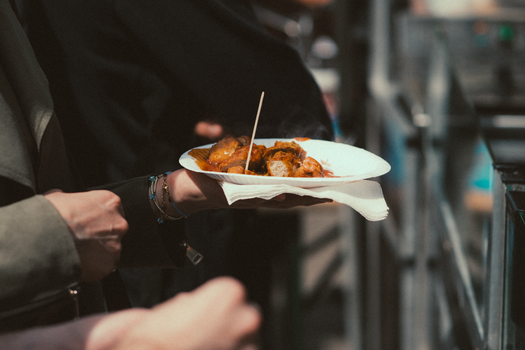
While the previous entries focus on specific cuisines or dishes, the global phenomenon of street food truly embodies the spirit of hand-eating. From the bustling markets of Southeast Asia to the vibrant taquerias of Mexico, street food is designed for convenience, flavour, and often, to be eaten on the go, with your bare hands.
Think about the perfect Mexican street taco: a warm corn tortilla, piled high with succulent carne asada, fresh cilantro, onions, and a squeeze of lime. It's handheld perfection, a burst of flavour and texture that needs no cutlery. Or the crispy Vietnamese spring rolls (nem rán) you dip into sweet chili sauce, or the fragrant Thai sticky rice you mould with your fingers to scoop up green curry.
In places like Thailand, Malaysia, or Vietnam, night markets are a sensory explosion where every stall offers a new, delicious, hand-eatable adventure – satay skewers, grilled corn, fresh fruit, and countless other delights. I remember navigating the crowded night markets of Chiang Mai, a skewer of marinated chicken in one hand, a mango sticky rice in the other, feeling utterly immersed in the local culture.
What to Expect: Lively, often chaotic environments, incredible aromas, and an endless array of choices. It's an adventure for your taste buds and your sense of discovery.
Tripsora Tip: Don't be afraid to try new things! Look for stalls with long lines of locals – that's usually a good sign. Always carry hand sanitizer and small bills for easy transactions.
Where to Try It:
- Mexico City, Mexico: Any taqueria or street corner will offer incredible tacos (around $1-3 per taco).
- Bangkok, Thailand: Chatuchak Weekend Market or Jodd Fairs Night Market are legendary.
- Hanoi/Ho Chi Minh City, Vietnam: The Old Quarter in Hanoi or District 1 in HCMC for amazing street food.
Practical Tips for the Hand-Eating Adventurer
Ready to embark on your own hand-eating odyssey? Here are a few essential tips to make your experience as smooth and enjoyable as possible:
- Hand Hygiene is Key: Always wash your hands thoroughly before and after eating. Carrying a small bottle of hand sanitizer is a smart move, especially when exploring street food.
- Observe Local Etiquette: Pay attention to how locals eat. Is it primarily the right hand? Is it acceptable to lick your fingers? A little observation goes a long way.
- Embrace the Mess: You're going to get food on your fingers, probably your face, and maybe even your clothes. It’s part of the fun! Wear something comfortable and washable.
- Don't Be Afraid to Ask: If you're unsure how to approach a dish, politely ask your host or server for guidance. They’ll usually be delighted to share their traditions.
- Slow Down and Connect: Eating with your hands encourages a slower pace, allowing you to truly savour the flavours and textures. It also fosters a deeper connection with your food and your dining companions.
- It's About More Than Food: Remember, these experiences are cultural immersions. They’re about breaking down barriers, understanding traditions, and connecting with people through the universal language of food.
Your Culinary Bucket List Awaits!
Stepping away from the sterile formality of cutlery and embracing the primal joy of eating with your hands is more than just a meal; it's a journey into the heart of a culture. It's about connection, tradition, and a sensory experience that will awaken your taste buds and your spirit of adventure.
So, what are you waiting for? Stop reading, start planning! Which of these incredible hand-eating adventures will you embark on first? Will you be scooping wat with injera, diving into a Boodle Fight, or cracking open spicy crab legs?
Share your dream hand-eating experience in the comments below! Tag a friend you want to get messy with on your next food adventure!
---
More pictures
Tags
Share this guide
We may earn a commission if you click a link and buy a product or service, at no extra cost to you. How affiliate links work.
Been there?