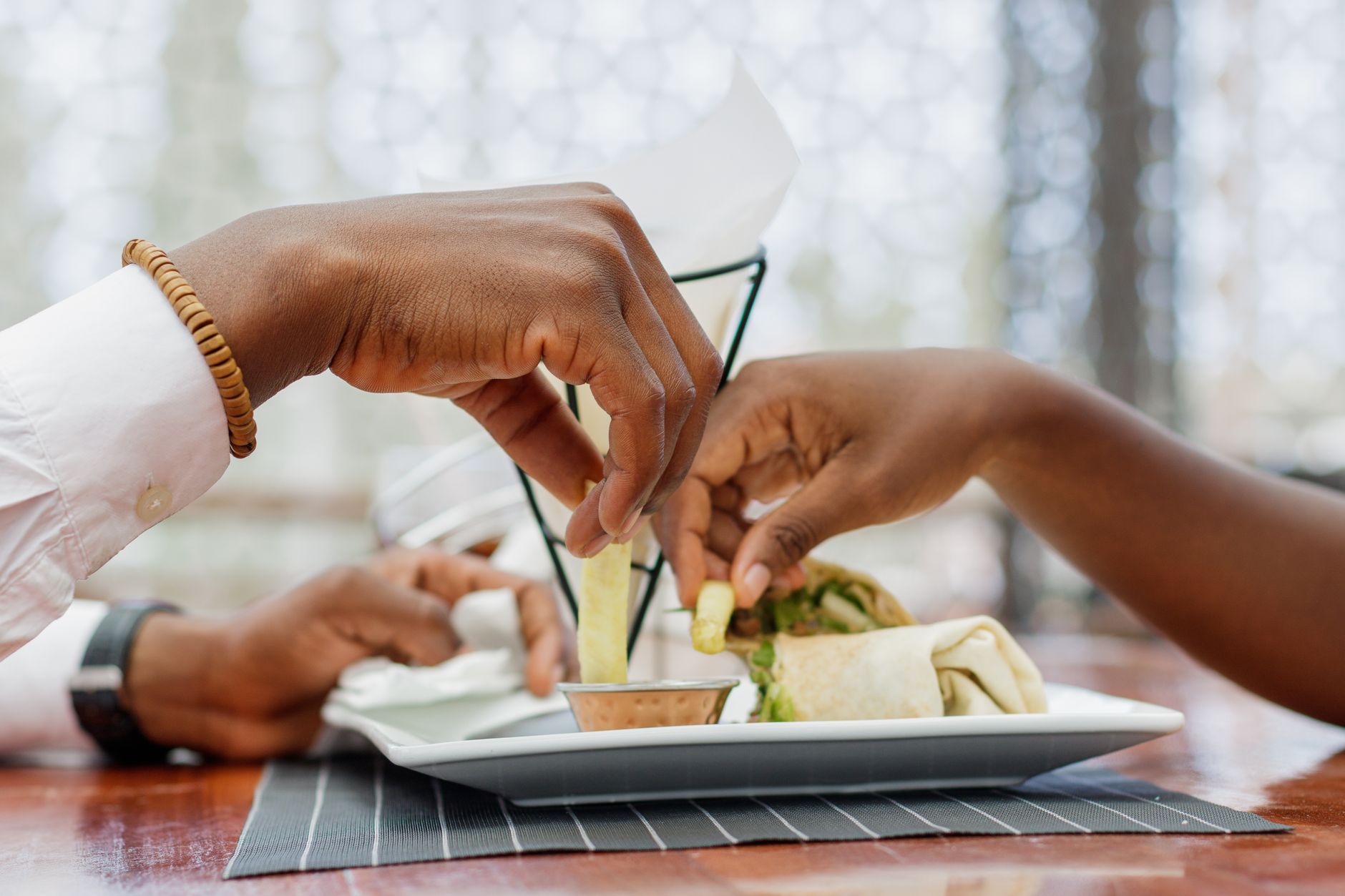
Forget everything your parents taught you about table manners. Some of the world's most incredible culinary experiences demand that you ditch the cutlery and dive in, hands first. Get ready to embark on a mouth-watering journey to restaurants where eating with your hands isn't just allowed, it's an essential part of the magic.
Remember that time you were a kid, fingers sticky with jam, eyes wide with mischievous delight as you devoured a sandwich without a care in the world? Or maybe, just maybe, you’ve secretly wished you could just dig in to that perfectly saucy dish without the awkward dance of fork and knife. Well, my fellow food explorers, I’m here to tell you: it’s time to unleash your inner child, embrace the delicious mess, and rediscover the primal joy of eating with your hands.
For years, I was a devout follower of the "fork and knife" gospel. It was proper, it was clean, it was... well, a bit boring, if I'm honest. Then, on a whirlwind trip through East Africa, I found myself in a bustling Ethiopian restaurant, confronted with a platter of vibrant stews and a spongy, pancake-like bread called injera. No cutlery. Just a basin for washing hands and a knowing smile from my host. Hesitantly, I tore a piece of injera, scooped up some doro wat, and brought it to my mouth. The flavors exploded, but more than that, something clicked. The food tasted different, more intimate, more connected. It wasn't just a meal; it was an experience, a cultural immersion, a moment of pure, unadulterated joy.
That day, my culinary world was irrevocably changed. I realized that in countless cultures across the globe, eating with your hands isn’t just a tradition; it’s an art form, a communal ritual, and often, the only way to truly appreciate the textures, temperatures, and nuances of a dish. It connects you to the food, to the people you’re sharing it with, and to centuries of culinary heritage.
So, ditch your inhibitions and prepare to get delightfully messy. Here at Tripsora, we’ve scoured the globe to bring you a list of mind-blowing restaurants where eating with your hands is not just encouraged, but celebrated. Get ready to bookmark, share, and book your next flight, because these hands-on feasts are waiting to blow your mind.
1. Ethiopia: The Art of Mesob & Injera – A Communal Masterpiece
The Experience: Imagine a giant, spongy pancake (injera) spread across a large, round platter (mesob), piled high with colorful, aromatic stews – lentils, spiced chicken (doro wat), collard greens, and more. This is the heart of Ethiopian dining, a truly communal experience where everyone gathers around the mesob, tearing off pieces of injera to scoop up the savory goodness. There are no individual plates, no cutlery; just shared food, shared laughter, and shared stories. It's an intimate dance of flavors and textures, with the slightly sour, fermented injera perfectly complementing the rich, spicy wots (stews).
My Anecdote: My first Ethiopian meal was a revelation. I remember awkwardly trying to tear the injera with one hand, making a mess, until my host gently guided me. "Use your right hand, just a small piece," she smiled, demonstrating how to deftly scoop up a perfect bite of doro wat. The warmth of the food against my fingers, the subtle give of the injera, the burst of berbere spice – it was an awakening. I felt more connected to the meal, to the culture, and to the people around me than with any fork and knife could ever achieve. By the end, my fingers were stained with turmeric and regret that I hadn't discovered this sooner.
Where to Try It: While Addis Ababa is the ultimate destination, you can find incredible Ethiopian cuisine worldwide.
- Addis Ababa, Ethiopia: Yod Abyssinia Cultural Restaurant. Experience traditional music and dance alongside your meal. A large platter for two can range from 300-600 ETB ($6-$12 USD).
- Washington D.C., USA: Often called "Little Ethiopia," U Street Corridor boasts numerous excellent spots. Ethiopic Restaurant offers a fantastic, authentic experience. Expect to pay $20-$35 per person for a generous platter.
- London, UK: Lalibela Restaurant in Kentish Town is a long-standing favorite. Platters for two usually run £25-£40.
Tripsora Tip: Always wash your hands thoroughly before and after. Use only your right hand (the left is considered unclean in many cultures). Don't be shy; observe how locals eat and mimic their technique. It's a sign of respect and a fantastic way to learn.
2. The Philippines: Kamayan – A Feast on Banana Leaves
The Experience: Prepare for a sensory explosion! Kamayan, also known as a "boodle fight," is a Filipino tradition where a massive feast of rice, grilled meats (lechon, adobo), fresh seafood, lumpia (spring rolls), and vibrant salads are laid out directly onto banana leaves that cover a long table. There are no plates, no cutlery – just pure, unadulterated food porn designed to be eaten communally with your hands. It’s a celebration of abundance, family, and flavor, often accompanied by loud chatter and infectious laughter.
My Anecdote: I was invited to a Kamayan feast in a friend's backyard in Manila, and it was nothing short of spectacular. The sheer visual impact of the spread, the aroma of grilled pork and garlic rice, the anticipation in the air – it was electric. When the host yelled, "Dig in!", everyone plunged their hands into the bounty. I remember the sensation of warm, fluffy rice mixed with succulent pieces of lechon, the tang of vinegar from the adobo, and the crunch of fresh vegetables. It was messy, yes, but utterly liberating. It wasn't just a meal; it was a shared experience of joy and connection that transcended language.
Where to Try It:
- Manila, Philippines: Many restaurants offer Kamayan, especially for groups. Try The Aristocrat Restaurant for a classic Filipino experience, though you might need to pre-order a boodle fight setup. Expect to pay around 1,500-3,000 PHP ($25-$50 USD) for a spread that feeds 4-6 people.
- Los Angeles, USA: Spoon & Pork (though they offer cutlery, their food is perfect for hands-on eating) or look for pop-up Kamayan events at Filipino community centers or specialized restaurants like The Park's Finest BBQ. Prices vary widely based on the spread, but typically $35-$60 per person.
- Toronto, Canada: Lamesa Filipino Kitchen sometimes hosts Kamayan nights, offering an elevated take on the tradition. Book ahead!
Tripsora Tip: Wear comfortable clothes you don't mind getting a little messy. Wash your hands thoroughly beforehand. Don't be afraid to mix and match; that's part of the fun! And definitely come hungry – these feasts are generous.
3. India: Scooping Spice with Dosa & Roti – A Flavorful Ballet
The Experience: From the crispy, fermented rice and lentil crepes of South India (dosa) to the fluffy, freshly baked flatbreads (roti, naan) of the North, Indian cuisine offers an incredible array of dishes perfectly designed for hands-on eating. Whether you’re tearing off a piece of dosa to scoop up a fragrant sambar and coconut chutney, or using a warm piece of roti to sop up a rich, creamy curry, the tactile experience enhances every bite. It’s a delicate dance of tearing, scooping, and savoring, allowing you to control the perfect ratio of bread to curry.
My Anecdote: I was in Chennai, sitting in a bustling, no-frills South Indian eatery. A massive dosa arrived, stretched across the entire plate, accompanied by small bowls of sambar (lentil stew), coconut chutney, and tomato chutney. Watching the locals, I learned to pinch off a piece of the crispy dosa with my right hand, fold it, and then scoop up a dollop of chutney, followed by a bit of sambar. The warmth of the dosa, the cool creaminess of the coconut, the spicy kick of the sambar – it was a symphony of textures and temperatures. Every bite felt like a mini-adventure, a perfect balance that cutlery simply couldn't replicate.
Where to Try It:
- Chennai, India: For authentic South Indian, Saravana Bhavan (a global chain, but truly excellent in its homeland) or Murugan Idli Shop are legendary. A dosa meal can be as little as 100-250 INR ($1-$3 USD).
- Mumbai, India: For North Indian curries and tandoori breads, Bademiya (street food icon) or Britannia & Co. Restaurant (for Parsi cuisine) offer fantastic experiences. Expect 500-1500 INR ($6-$18 USD) per person.
- Singapore: Tekka Centre in Little India is a hawker paradise with countless stalls offering dosas, biryanis, and curries. Meals are typically S$5-S$10.
- London, UK: Dishoom offers a modern, incredibly popular take on Bombay cafes, with fantastic naans and curries perfect for hands-on eating. Expect £20-£35 per person.
Tripsora Tip: As with Ethiopian cuisine, always use your right hand. Avoid mixing all your curries together on your plate; savor each one individually. Don't be afraid to ask for extra bread; it's the perfect utensil!
4. Morocco: Tagine & Mechoui – A Communal Embrace of Slow-Cooked Perfection
The Experience: Moroccan dining is a feast for the senses, steeped in hospitality and communal sharing. The iconic tagine, a slow-cooked stew of meats, vegetables, and aromatic spices, arrives in its conical clay pot, simmering hot. Meals are often shared from a large central platter, with warm khobz (Moroccan bread) serving as your primary utensil. For special occasions, a mechoui (whole roasted lamb) might be served, tender enough to pull apart with your bare hands. It's about breaking bread together, literally, and savoring every deeply flavored bite.
My Anecdote: Wandering through the bustling Djemaa el-Fna in Marrakech, the air thick with the scent of spices and grilled meats, I stumbled upon a small, unassuming stall. A friendly vendor gestured to a communal table where a steaming lamb tagine sat. I was handed a piece of khobz and watched as locals expertly tore off pieces, using them to scoop up the tender lamb and sweet prunes. The warmth of the bread, the rich, savory broth, the meltingly soft meat – it was a moment of pure culinary bliss. Later, at a more formal dinner in a riad, the ritual was the same, just with more ornate tagines and hushed conversation. The shared meal fostered an instant connection.
Where to Try It:
- Marrakech, Morocco: The food stalls of Djemaa el-Fna offer an unparalleled street food experience. Expect to pay 50-150 MAD ($5-$15 USD) for a tagine. For a more refined experience, many riads (traditional guesthouses) offer excellent dining.
- Fes, Morocco: Restaurant Dar Hatim offers traditional Moroccan cuisine in a beautiful setting. Tagines are typically 80-180 MAD ($8-$18 USD).
- Paris, France: Paris has a strong North African influence. Le 404 offers a vibrant Moroccan experience, though prices will be higher (e.g., €25-€40 for a tagine).
Tripsora Tip: Always wash your hands before and after. Use your right hand to tear off bread and scoop food. It's polite to only eat from the portion of the tagine directly in front of you. Don't be afraid to ask for more khobz – it’s essential!
5. American South: Messy Bliss – The Seafood Boil
The Experience: Forget fine dining; this is about pure, unadulterated, bib-wearing fun! A Southern seafood boil is a riotous, communal feast, typically featuring mounds of crawfish, shrimp, or crab, boiled with corn on the cob, potatoes, and generous lashings of spicy seasoning (often Cajun or Old Bay). The entire glorious mess is usually dumped directly onto a newspaper-covered table. There are no plates, just hands, a roll of paper towels, and maybe some melted butter for dipping. It’s loud, it’s messy, and it’s incredibly satisfying.
My Anecdote: My first crawfish boil in New Orleans was a glorious disaster. I was handed a bib, a stack of napkins, and a beer, then pointed towards a mountain of steaming red crustaceans. I watched in awe as locals expertly twisted, peeled, and sucked the heads (yes, you suck the heads!) of the crawfish. My initial attempts were clumsy, but soon, I was ripping, cracking, and laughing with the best of them. My fingers were coated in spice, my face probably had a smudge or two, but every bite of sweet, succulent crawfish was worth it. It was a bonding experience, a true taste of Southern hospitality and joy.
Where to Try It:
- New Orleans, USA: Acme Oyster House (though famous for oysters, they do amazing boils), or any local joint during crawfish season (roughly January to June). Expect $20-$40 per person depending on the amount of seafood.
- Charleston, South Carolina, USA: Many coastal restaurants and casual eateries offer shrimp and crab boils. Hyman's Seafood is a popular spot.
- Anywhere with a good seafood market: Many places offer "to-go" boil kits, perfect for a backyard party.
Tripsora Tip: Don a bib without shame! Don't be afraid to get messy; it’s part of the fun. Learn the technique for peeling crawfish/shrimp efficiently (a quick twist and pull). And yes, if you're feeling adventurous, give a little suck on the crawfish head for extra flavor!
6. Mexico: The Humble Taco & Street Antojitos – A Hand-Held Symphony
The Experience: While Mexican cuisine offers a vast array of dishes, some of its most iconic and beloved are designed to be enjoyed purely with your hands. The humble street taco, a perfectly warm corn tortilla cradling succulent al pastor, carne asada, or cochinita pibil, topped with a sprinkle of onion and cilantro, and a dash of salsa – it’s a masterpiece of simplicity. Beyond tacos, many "antojitos" (little cravings) like quesadillas, sopes, and tostadas are also best enjoyed without cutlery, allowing you to savor the fresh ingredients and vibrant flavors directly.
My Anecdote: There’s nothing quite like standing on a bustling street corner in Mexico City, the aroma of grilling meat and fresh tortillas filling the air, a line of eager locals stretching down the block. I remember ordering an al pastor taco from a vendor, watching him expertly shave the marinated pork from the vertical spit, catching it on a warm tortilla. He handed it to me, I added a squeeze of lime and a dash of fiery salsa verde, and took that first perfect bite. The heat from the tortilla, the tender pork, the fresh onion and cilantro, the kick of the salsa – it was a symphony of textures and flavors, all contained in that perfect hand-held package. It tasted like authenticity, like tradition, like pure joy.
Where to Try It:
- Mexico City, Mexico: The options are endless! For al pastor, try El Califa or Taquería Orinoco (also in Monterrey). Street stalls are everywhere; just look for a long line of locals. Tacos typically cost 15-30 MXN ($0.75-$1.50 USD) each.
- Oaxaca, Mexico: Famous for its tlayudas (large, crispy tortillas) and mole. Try Mercado 20 de Noviembre for a vast array of street food.
- Los Angeles, USA: The taco truck scene is legendary. Seek out trucks in neighborhoods like Boyle Heights or East LA for incredibly authentic flavors.
Tripsora Tip: Always try different salsas, but taste a tiny bit first – some are deceptively spicy! For street tacos, it's common to use two tortillas for extra strength. Don't overfill your taco; keep it manageable for a clean, delicious bite.
The Unspoken Rules & Practicalities of Hands-On Feasting
Embracing the hands-on dining experience is about more than just ditching your fork; it's about cultural immersion and respect. Here are a few general tips to make your journey seamless and enjoyable:
- Hygiene is Key: This goes without saying, but always, always wash your hands thoroughly before and after your meal. Many restaurants provide a basin of water or wet wipes.
- The Right Hand Rule: In many cultures (especially in parts of Africa, the Middle East, and Asia), the left hand is considered unclean. Always use your right hand for eating and passing food.
- Observe and Learn: If you're unsure, watch how the locals eat. Mimic their technique, and don't be afraid to ask for guidance. Most people are delighted to share their traditions.
- Embrace the Mess: This isn't fine dining (usually). Spills and sticky fingers are part of the adventure. Wear comfortable, easily washable clothes, and don't shy away from using a bib or extra napkins.
- Share the Love: Many hands-on meals are designed for communal sharing. Engage with your fellow diners, swap stories, and enjoy the shared experience.
- Go with an Open Mind (and an Empty Stomach): These experiences are about more than just food; they're about culture, connection, and stepping outside your comfort zone. Be adventurous, try new things, and let your taste buds lead the way.
Conclusion: A Journey for Your Palate and Your Soul
Eating with your hands is a profound, often overlooked, way to connect with a culture and its cuisine. It strips away the formalities, allowing you to fully engage with your meal on a primal, sensory level. From the vibrant communal platters of Ethiopia to the spicy, messy joy of a Southern seafood boil, these experiences are transformative. They remind us that food is not just sustenance; it's a language, a ritual, and a powerful bridge between people.
So, the next time you travel, challenge yourself. Seek out these incredible hands-on feasts. Ditch the cutlery, roll up your sleeves, and prepare for a culinary adventure that will not only blow your mind but also fill your soul. Which hands-on feast will you try next?
Share your stories in the comments below! Have you experienced an incredible hands-on meal that blew your mind? We want to hear all about it!
More pictures

Tags
Share this guide
We may earn a commission if you click a link and buy a product or service, at no extra cost to you. How affiliate links work.
Been there?