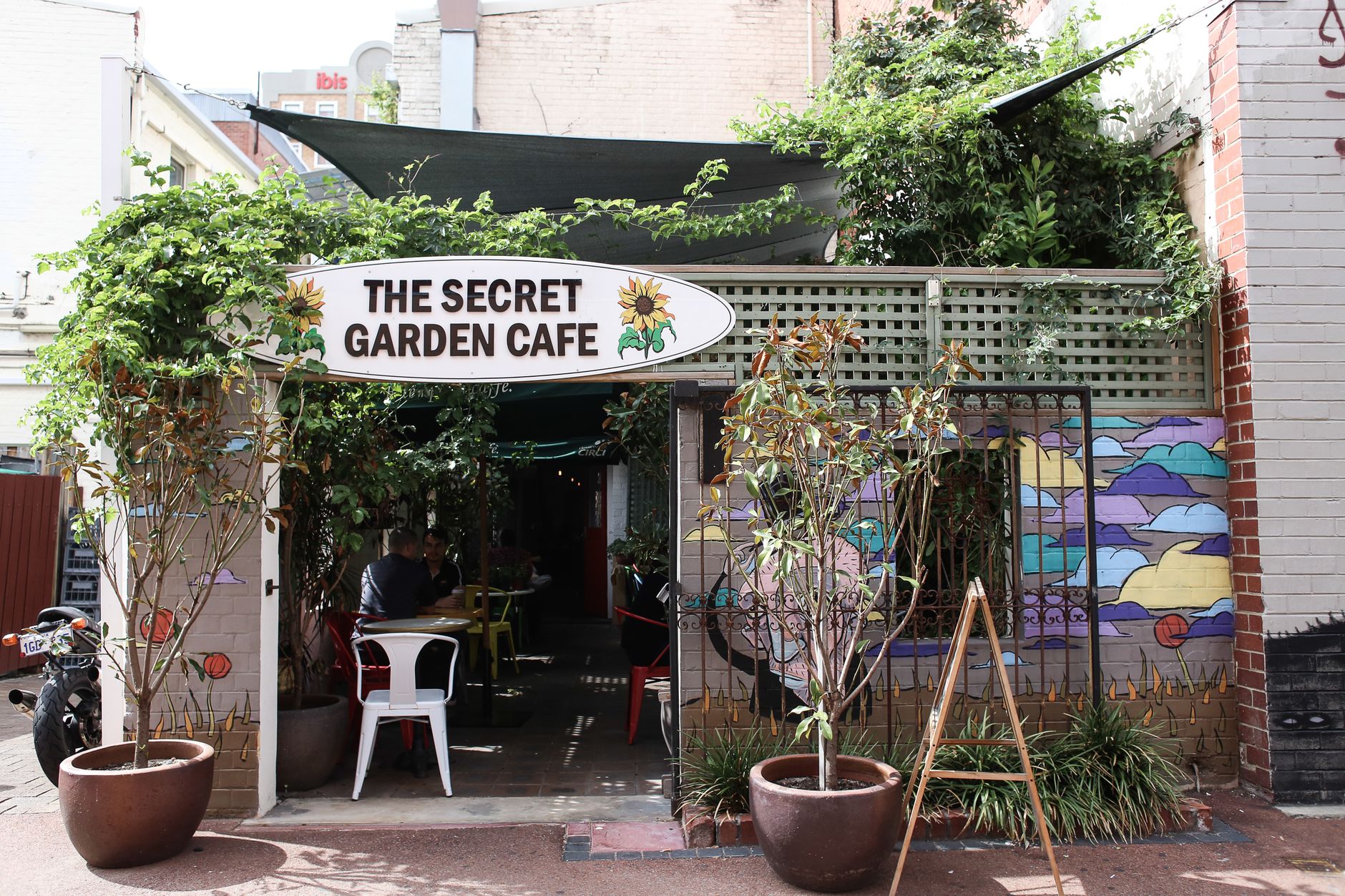
Forget guidebooks and crowded tourist traps; the real culinary magic happens in places only locals know. This isn't just about finding great food, it's about embarking on an exhilarating treasure hunt to unlock authentic flavors and unforgettable experiences that most travelers will never find. Get ready to discover the world's best-kept gastronomic secrets. ---
The Lure of the Unseen: Why the Best Meals Are Always a Secret
I remember standing on a bustling street corner in Kyoto, the evening chill biting at my cheeks, a crumpled, hand-drawn map clutched in my glove-clad hand. My phone had died, the tiny alleyway I was searching for wasn't on Google Maps, and the vague instructions I'd received from a friendly guesthouse owner felt more like riddles than directions. "Look for the red lantern, slightly askew, next to the barber pole that doesn't spin," he’d said with a mischievous grin. I was tired, hungry, and seriously considering giving up and settling for the brightly lit ramen chain across the street.
But then, a flicker of red in the shadowy gap between two buildings caught my eye. No, not a red lantern – a faded, almost orange one, with a single kanji character hand-painted on it. And next to it? A barber pole, static, its red, white, and blue stripes frozen in time. My heart pounded. Could this be it? I pushed aside a heavy, dark curtain, stepped through a low doorway, and entered a tiny, steam-filled room where seven locals sat hunched over steaming bowls, a lone chef expertly flipping gyoza on a sizzling griddle. The aroma of garlic, pork, and rich broth hit me, instantly erasing all fatigue. That night, I had the best ramen of my life – a bowl of pure, unadulterated joy that tasted even sweeter because I’d truly earned it.
This, my friends, is the essence of the culinary treasure hunt: finding those incredible, often unlisted, sometimes unmarked restaurants that locals guard with a fierce, loving protectiveness. These aren't just places to eat; they're portals to authentic culture, delicious secrets, and experiences far richer than any Michelin-starred meal. And today, I’m going to share my hard-won wisdom on how you, too, can become a master of the gastronomic quest.
Why Hidden Gems Stay Hidden: The Local Secret Sauce
Why do these places exist? And why are they so hard to find? It's not usually a deliberate conspiracy against tourists, but rather a beautiful confluence of factors that preserves their authenticity:
- They Don't Need Tourists: Many of these establishments thrive on local, repeat business. They don't need fancy signage, English menus, or Instagram marketing. Their reputation spreads by word-of-mouth, a sacred trust among regulars.
- Authenticity Over Aesthetics: Often, these places prioritize incredible food and warm hospitality over polished decor or prime locations. They might be tucked away in residential areas, basements, or industrial zones – places tourists rarely venture.
- Cultural Preservation: For some, remaining hidden is a way to preserve traditional cooking methods, ingredients, and dining customs that might be diluted by a constant influx of foreign tastes or expectations.
- Cost-Effectiveness: Rent in bustling tourist areas is exorbitant. By choosing less visible locations, these eateries can keep their prices affordable for their local clientele, offering incredible value.
The result? A culinary experience that feels personal, genuine, and utterly unforgettable. You're not just a customer; you're a temporary guest in a local's world.
Your Map to the Unmarked: How to Begin the Hunt
So, how do you find these elusive spots? It’s an art, not a science, and it requires patience, curiosity, and a willingness to step far outside your comfort zone.
- Befriend a Local (The Gold Standard): This is by far the most effective method. Strike up conversations with people who aren't directly involved in the tourism industry – a barista at a local coffee shop, a shopkeeper in a non-touristy neighborhood, a taxi driver (but not the ones waiting at the airport or major hotels!), or even someone you meet at a local park. Ask them, "Where do you go to eat when you want something really good, but not fancy? Somewhere only locals know?" Be specific about the kind of food you're looking for. Be genuinely interested, not demanding.
- Observe, Observe, Observe: Walk away from the main tourist arteries and simply observe.
- The Queue Test: A long line of locals outside an unassuming doorway, especially during off-peak hours, is a huge sign.
- The "No English" Sign: If a menu or sign is entirely in the local language, that's often a good indicator.
- The Hidden Entrance: Look for unmarked doors, alleyways, basements, or upstairs windows with subtle signs of life.
- The Aroma Trail: Trust your nose! Follow tantalizing scents down side streets.
- Social Media Sleuthing (With Caution): While Google Maps might fail you, local Instagram accounts or niche food blogs (often in the local language) can sometimes offer clues. Look for geotags in less popular areas or photos that clearly show a humble, non-touristy setting. Use Google Translate for captions.
- Local Market Exploration: Markets are often surrounded by small, family-run eateries catering to vendors and shoppers. These are usually authentic and delicious.
- Look for Specific Local Cues: In some cultures, certain symbols, colors, or types of lanterns might indicate a particular type of establishment. Learn a few of these before you go.
The Thrill of the Chase: My Unforgettable Culinary Expeditions
Let me share some of my favorite "treasure hunt" stories to illustrate just how rewarding this journey can be.
1. Tokyo's Lantern-Lit Noodle Haven (The Elusive Ramen Shop)
My Kyoto ramen story wasn't a one-off. Tokyo, a city of endless culinary wonders, is also a labyrinth of hidden delights. On a recent trip, I was determined to find a specific tsukemen (dipping ramen) spot I'd heard whispers about – a place known for its incredibly rich, pork-and-fish broth and perfectly chewy noodles. The only clue I had was "look for the faded blue awning in the third alley off Shinjuku's Golden Gai, near the 'cat cafe' sign."
Golden Gai itself is a treasure hunt, a maze of tiny bars. Finding a third alley that felt right, amidst the neon glow and tantalizing smells, was a challenge. I walked past countless tiny doors, each promising a unique experience. After nearly an hour of crisscrossing the narrow lanes, I spotted it: a small, unassuming blue awning, almost swallowed by the shadows, with just a single, hand-written character on a paper lantern. No English. No flashy signs. Just the gentle hum of conversation and the rhythmic slurping from within.
Inside, it was barely larger than a walk-in closet, with a U-shaped counter seating maybe eight people. The chef, a stoic man with kind eyes, greeted me with a nod. I pointed to a picture on the wall, the universal language of "I'll have that." The tsukemen was sublime. The broth, thick and umami-rich, clung to the noodles perfectly. Each bite was an explosion of flavor, a testament to years of perfected craft. The total cost? Around ¥1200 (~$8 USD). The experience? Priceless. I left feeling like I’d been let in on a sacred secret, a true Tokyo culinary initiation.
- Location: Shinjuku, Tokyo (specific alley near Golden Gai – intentionally vague to preserve its charm!)
- Cuisine: Tsukemen (dipping ramen)
- Price: ¥1000-1500 ($7-10 USD)
- The Hunt: Navigating the dense alleys of Golden Gai, looking for specific, subtle visual cues.
- Instagram-worthy: The steam rising from the bowls, the focused chef, the cozy, intimate atmosphere, the vibrant street art outside the alley entrance.
2. Rome's Whispering Trattoria (The Unmarked Door)
Rome is famous for its food, but it's also notorious for tourist traps. My goal was to find a trattoria serving truly authentic Roman pasta dishes – cacio e pepe, amatriciana – where the nonnas still cooked with love and the wine flowed freely. My friend, a Roman local, gave me directions so vague they felt like a puzzle. "Go to Trastevere, but not the main piazza. Find the street with the old fountain, then turn left at the lavanderia (laundromat). Look for a heavy, dark wooden door, completely unmarked, next to a small flower shop that's only open in the mornings. Ring the bell."
Trastevere is charming but crowded. I walked up and down the cobbled streets, past countless trattorias with inviting signs and English menus. No old fountain. No laundromat. I was about to give up when I stumbled upon a tiny, trickling fountain I hadn't noticed before, half-hidden by overgrown ivy. Bingo. I found the laundromat, then the flower shop (closed, as promised). And there it was: a sturdy, dark wooden door, completely anonymous, with a small, brass bell next to it. I rang it, a bit nervously.
A moment later, the door creaked open, revealing a small, bustling room filled with laughter, the clinking of glasses, and the most incredible scent of garlic and tomato. The owner, a jovial man with a booming laugh, welcomed me in like family. The menu was handwritten, in Italian only. I ordered cacio e pepe and a glass of house red. It was perfection – creamy, peppery, intensely flavorful, a symphony of simple ingredients. The bill? A shockingly low €20 for a substantial meal and wine. This wasn't just a meal; it was an invitation into a Roman home.
- Location: Trastevere, Rome (a specific, quiet side street)
- Cuisine: Traditional Roman pasta, local specialties
- Price: €15-25 ($16-27 USD)
- The Hunt: Following vague, landmark-based directions through a maze of charming Roman streets, finding a completely unmarked entrance.
- Instagram-worthy: The rustic interior, the handwritten menu, the steaming pasta, the local patrons enjoying themselves, the charming (but hard-to-find) street outside.
3. Oaxaca's Enigmatic Courtyard Kitchen (The Mezcalería with a Secret Menu)
Oaxaca, Mexico, is a foodie paradise, known for its mole, tlayudas, and mezcal. I was on a mission to find a mezcalería that was rumored to serve incredible, off-menu, traditional Oaxacan dishes, cooked by the owner's grandmother. The only hint I had was from a local artisan: "Go to the market, then walk three blocks north on Calle de Bustamante. Look for a large, blue wooden door that's slightly ajar, with no sign. It’s in a courtyard."
Three blocks north felt like an eternity under the Oaxacan sun. I passed many mezcal shops, all with inviting signs. But I was looking for no sign. Finally, I spotted it – a grand, faded blue door, just barely ajar, revealing a glimpse of a lush, plant-filled courtyard. No mezcal bottles visible from the street, no menu, nothing to indicate it was a business. I pushed the door open tentatively.
The courtyard opened up into a vibrant, airy space. To one side, a small bar served an impressive array of mezcal. To the other, a humble kitchen, open to the air, where an elderly woman was tending to clay pots over a wood fire. There was no formal menu. You simply asked what was cooking that day. I was offered enfrijoladas (tortillas dipped in black bean sauce, topped with cheese and avocado) and a plate of grilled chapulines (grasshoppers) with chile and lime. The enfrijoladas were rich and comforting, the chapulines surprisingly delicious and crunchy. Paired with a smoky mezcal, it was an unforgettable culinary journey, a true taste of ancestral Oaxaca.
- Location: Centro Histórico, Oaxaca, Mexico (specific courtyard off Calle de Bustamante)
- Cuisine: Traditional Oaxacan, focusing on daily specials and local ingredients.
- Price: MXN$150-300 ($8-16 USD) for a meal and mezcal.
- The Hunt: Identifying a specific, unmarked door in a busy urban environment, trusting a vague direction.
- Instagram-worthy: The vibrant courtyard, the grandmother cooking over a wood fire, the colorful Oaxacan dishes, the array of mezcal bottles, the rustic charm.
Blending In: The Etiquette of the Local Eatery
Once you've successfully navigated the treasure hunt and found your hidden gem, remember that you're a guest in a local's space.
- Be Respectful and Discreet: Don't burst in loudly or treat it like a tourist attraction. Observe the local customs. Keep your voice down.
- Attempt the Local Language: Even a few words ("hello," "thank you," "please," "delicious") go a long way. It shows respect and appreciation.
- Don't Expect English Menus: Be prepared to point, use a translation app, or simply ask for the house specialty. Embrace the adventure!
- Be Patient: Service might be slower, or different from what you're used to. Relax and enjoy the atmosphere.
- Don't Over-Photograph: A quick, discreet photo of your food is usually fine, but avoid flash, loud shutter clicks, or turning the place into a photoshoot. Respect the privacy of other diners and the staff.
- Pay in Cash (Often Preferred): Many small, local establishments prefer or only accept cash. Have small denominations ready.
- Tip Appropriately: Research local tipping customs. If you received excellent service in a place that relies on local custom, a generous tip (by local standards) is a wonderful way to show gratitude.
- Keep the Secret (to a degree): While sharing these experiences with fellow adventurous travelers is part of the fun, avoid blasting the exact address on major social media platforms. Share the story of the hunt, the type of place, and the vibe, rather than turning it into the next viral tourist spot that will inevitably change its character. A true treasure hunter understands the delicate balance.
The Ultimate Reward: More Than Just a Meal
The satisfaction of finding these hidden culinary treasures goes far beyond a full stomach. It's about:
- Authentic Cultural Immersion: You're experiencing the true local rhythm, eating what and where the community eats.
- Unforgettable Stories: These aren't just meals; they're adventures that make for incredible travel tales.
- Discovering True Flavors: You taste dishes prepared with generations of tradition, often using hyper-local ingredients.
- Connecting with Locals: Brief but genuine interactions with owners, chefs, and fellow diners can be some of the most memorable parts of your trip.
- The Thrill of Discovery: There's an unparalleled joy in uncovering something special that few others will ever find.
Your Next Great Culinary Adventure Awaits
So, the next time you travel, put down the guidebook, close the tourist review app, and embrace your inner Indiana Jones. Ask around, observe, get a little lost, and trust your gut (literally!). The best meals are rarely found on the main street. They’re hidden down dimly lit alleys, behind unassuming doors, or tucked away in quiet courtyards, waiting to be discovered by those brave enough to seek them out.
Are you ready to embark on your own culinary treasure hunt? What secret spot are you dreaming of finding? Share your stories and tips in the comments below – but remember, keep those precise addresses a little vague, won't you? Let's preserve the magic of the hunt!
---
More pictures


Tags
Share this guide
We may earn a commission if you click a link and buy a product or service, at no extra cost to you. How affiliate links work.
Been there?