
Forget crowded, Instagram-famous spots. We're diving deep into the world of 'treasure hunt' restaurants – those elusive, incredible eateries that influencers keep secret for good reason. Prepare to embark on a culinary quest that promises unparalleled flavors and unforgettable stories, far from the madding crowds. ---
The aroma hit me first – a tantalizing mix of garlic, fresh herbs, and something undeniably smoky, swirling out from what looked like a derelict garage door in a graffiti-covered alleyway in Rome. My phone, buzzing with a cryptic message from a local friend ("Look for the red light, knock twice, say 'Ciao, Nonna'"), felt like a sacred map. This wasn't a recommendation from a flashy travel blog or a geotagged influencer post; this was a whispered secret, a challenge, a true treasure hunt for the tastebuds. And let me tell you, the journey to finding that unmarked door, the nervous double-knock, and the subsequent feast that unfolded behind it was a travel memory more potent and profound than any perfectly posed shot from a Michelin-starred, reservation-only palace.
That night, amidst platters of Cacio e Pepe that tasted like pure Roman sunshine and lamb so tender it melted on the tongue, I realized something profound. In our hyper-connected, over-curated world, where every "hidden gem" is instantly plastered across Instagram feeds, there still exist culinary sanctuaries. These are the "treasure hunt" restaurants – places so off-the-grid, so delightfully obscure, that finding them feels like earning a golden ticket. They’re the spots influencers don’t want you to know about, not out of malice, but because their very essence lies in their exclusivity, their challenge, and their escape from the mainstream. And trust me, these are the places you need to find.
The Allure of the Unlisted: Why Go Off-Grid for Grub?
Why bother with the hassle? Why not just Google "best restaurants near me" and call it a day? Because the modern traveler craves more than just a meal; they crave an experience, a story, a connection. Treasure hunt restaurants offer all of this in spades.
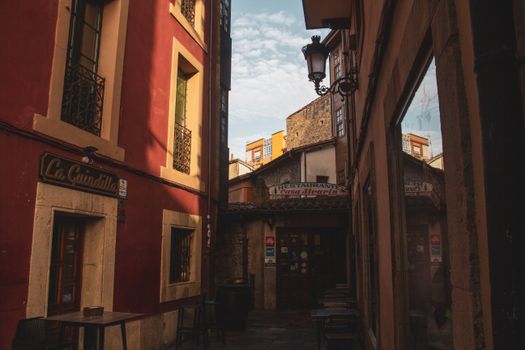
First, there’s the thrill of the chase. In an age where instant gratification is the norm, the patient pursuit of a truly hidden eatery feels rebellious and deeply satisfying. It's a game, a puzzle, and the prize is an unforgettable meal. This journey often takes you through parts of a city you’d never otherwise see – down forgotten lanes, into unassuming residential buildings, or behind facades that cleverly disguise their true purpose.
Then, there’s the authenticity. These places rarely cater to tourists. They exist for locals, for those in the know. This means the food is often a purer, unadulterated expression of regional cuisine, prepared with passion and tradition, free from the pressure to appeal to a globalized palate. The prices are usually more honest, the portions more generous, and the atmosphere imbued with genuine local charm rather than manufactured "vibe."
Finally, there’s the story. You don't just eat at these places; you discover them. And that discovery becomes a tale you'll recount for years – the time you had to ask three different shopkeepers for directions in broken Spanish, the moment you realized the "laundry mat" was actually a front for a cocktail bar, or the delicious surprise of an eight-course tasting menu served in someone's living room. These are the memories that truly enrich your travels.
Decoding the Clues: How to Start Your Culinary Quest
So, how do you even begin to unearth these elusive establishments? It’s not as simple as typing "secret restaurant" into Google (though sometimes, with the right city, you might get lucky with "speakeasy dining"). This requires a more nuanced approach, a blend of old-school sleuthing and modern digital savvy.
- Befriend the Locals (The Old-School Way): This is paramount. Don't ask your hotel concierge for "the best restaurant" – they’ll likely send you to a tourist trap. Instead, ask them, "Where do you eat when you want something special, but not fancy?" Or even better, strike up conversations with bartenders, taxi drivers, shop owners, or even people you meet at local markets. Frame it as "I'm looking for a truly local experience, something off the beaten path, where you'd take your own family." They might be hesitant at first, guarding their secrets, but persistence and genuine curiosity often pay off.
- Dive into Niche Online Communities: Forget TripAdvisor. Look for local foodie forums, obscure city blogs (often in the local language, so get Google Translate ready!), or even Reddit threads dedicated to specific neighborhoods. Search for terms like "hidden gems [city name]," "local favorites [city name]," or "unlisted restaurants [city name]."
- Harness Social Media's Underside: While influencers might hide their finds, you can use social media to find others'. Look for geotags with unusually low follower counts or posts from local accounts showing dishes in non-descript settings. Search hashtags like #localfood[city], #secretbar[city], #hidden[city]gems, but filter by "recent" to avoid the heavily promoted stuff. Sometimes, a blurry photo with no location tag is exactly what you're looking for – then the reverse image search and deduction begins!
- Embrace "Closed Door" Restaurants (Puertas Cerradas): Popular in cities like Buenos Aires, these are private dining experiences often run out of chefs' homes. They require advance booking, are usually word-of-mouth, and offer an intimate, exclusive meal. Websites like "The New York Times" or "The Guardian" occasionally feature lists, but local blogs are often your best bet.
Speakeasy Suppers & Secret Doors: Global Examples
Let me share a few of my own thrilling discoveries, to paint a clearer picture of what you might encounter:
1. The Blind Pig Supper Club, NYC (or London):
- The Hunt: I heard whispers of a place "behind the butcher shop" in the West Village, serving incredible Prohibition-era cocktails and a rotating supper menu. No address, just a cross-street and a vague description of "a red door, no sign." After circling the block twice, I finally noticed a faded, almost invisible "employees only" sign next to a heavy, unmarked red door beside a brightly lit butcher. No doorbell, so I just pushed.
- The Discovery: The door creaked open to a dark, narrow hallway, then into a bustling, candlelit bar, the air thick with jazz and the clinking of ice. Beyond that, a small, intimate dining room. It felt like stepping back in time.
- The Feast: Their tasting menu (around $90-$120 USD, drinks extra) was a modern take on classic American comfort food – think deconstructed Beef Wellington or a sophisticated take on Lobster Mac & Cheese. But the real stars were the cocktails, each a meticulously crafted narrative. This is a place you feel rather than simply eat at.
2. El Secreto de Elena, Buenos Aires:
- The Hunt: A local artist I met in San Telmo gave me a scribbled note with a phone number and a name: "Elena." He said she hosted dinners "en su casa" – in her home – twice a week. I called, awkwardly fumbled through Spanish, and secured a spot for Saturday night. The address was a nondescript apartment building in Palermo. No restaurant name on the buzzer, just "Elena Fernandez."
- The Discovery: A warm, smiling woman in her 60s opened the door to a beautifully decorated apartment. The dining room, usually her living space, was set with two long communal tables. Strangers from around the world and a few locals chatted, wine already flowing.
- The Feast: For about $50 USD (cash only, naturally), we had a five-course meal of traditional Argentine dishes, each with Elena's personal touch. Empanadas, homemade pasta, slow-cooked beef, and a dulce de leche dessert that made me weep. The conversation, the shared stories, and Elena’s incredible hospitality made it one of the most memorable meals of my life.
3. Izakaya Kage (Shadow Izakaya), Tokyo:
- The Hunt: In Shinjuku, amidst the neon chaos, I was looking for a specific kind of izakaya – one that felt truly old-school. A salaryman, noticing my lost gaze, pointed vaguely upwards to a grimy, unlit staircase between two towering buildings. "Kage," he grunted, then walked away. There was no sign. Just a flickering fluorescent tube at the top of the stairs.
- The Discovery: Up the narrow, slightly ominous stairs, I found a sliding wooden door. Inside, a tiny, smoky room with a U-shaped counter and barely enough space for ten people. The chef, a stoic man with kind eyes, nodded a greeting.
- The Feast: For around $30-$40 USD, I feasted on yakitori (grilled skewers) that were simply divine – perfectly charred, juicy, and seasoned. Fresh sashimi, crispy tempura, and local sake flowed. It was loud, boisterous, and utterly authentic – a true glimpse into Tokyo's after-work culture, far from the tourist traps of Golden Gai.
The Journey is the Reward: Navigating the Hunt
The beauty of these treasure hunts isn't just the destination; it’s the process. Embrace the detours, the misdirections, and the need to ask for help.
- Patience is a Virtue: You might not find it on the first try. Or the second. Don't get discouraged. This is part of the adventure.
- Engage with Locals: Every interaction, even if it doesn't lead directly to your target, enriches your travel experience. You might discover something even better!
- Be Prepared for Anything: Some places might be cash-only. Reservations might be required, sometimes months in advance, or not at all. Language barriers are common. Go with an open mind and a flexible attitude.
- Trust Your Gut (and Your Nose): Sometimes, a faint aroma, a subtle hum of conversation, or a peculiar glow is all the clue you need.
Beyond the Plate: The Unforgettable Experience
What truly sets these treasure hunt restaurants apart isn't just the food – though it’s often exceptional. It's the entire sensory and emotional experience.
- The Atmosphere: Often intimate, quirky, and filled with character, these places have a story embedded in their very walls. You won't find generic decor; you'll find personality.
- The Connection: Because they're often small and owner-operated, you're more likely to interact directly with the chef or owner. These interactions, even if brief, forge a deeper connection to the culture and the cuisine.
- The Stories: Every dish feels like it has a history, a family recipe passed down through generations. You're not just consuming food; you're partaking in a living tradition.
- The Exclusivity: Knowing you're one of the few who has discovered this particular gem adds an extra layer of satisfaction. It’s a secret shared, a club you’ve been initiated into.
Tripsora's Top Picks (and How We Found Them!)
Here are a couple more examples, showcasing different types of hidden gems and the methods that led us to them:
1. Taverna tou Kyria (The Lady's Taverna), Crete, Greece:
- The Hunt: We were exploring the rugged south coast of Crete, far from the bustling tourist resorts. Our rented car struggled up a winding, unpaved road, following a tip from a grizzled fisherman we'd chatted with in a tiny port. He'd simply said, "Follow the road until you can't go further, then look for the blue chairs. Kyria Sofia makes the best grilled octopus."
- The Discovery: At the literal end of the road, perched precariously on a cliff overlooking the Libyan Sea, was a small, whitewashed shack with a handful of rickety blue tables and chairs set outside. No sign, just a woman, Kyria Sofia, tending a small vegetable patch.
- The Feast: The menu was whatever Sofia had caught that morning or grown in her garden. For about €25-€35 per person, we had the freshest grilled octopus imaginable, drizzled with local olive oil and lemon, accompanied by a simple but perfect Greek salad and homemade bread. The view, the sunset, and Sofia's warm, toothless smile were priceless. This was a place found purely by local advice and a willingness to drive into the unknown.
2. Omakase by Chef Ren, Kyoto, Japan:
- The Hunt: This one was a bit more modern detective work. I stumbled upon a very minimalist food blog (in Japanese, translated via Google) that reviewed an omakase spot with no listed address, only a photo of a specific pattern of bamboo fencing and a mention of "Gion, near the canal." It was described as "a private experience for those who truly appreciate the art."
- The Discovery: After wandering the back alleys of Gion for an hour, comparing the blog's photo to every bamboo fence, I found it – a discreet, unmarked sliding door behind the exact bamboo pattern. A small, hand-painted sign whispered "Ren." I had to book via a local acquaintance who knew the chef personally, weeks in advance.
- The Feast: A truly intimate experience, with only six seats at the counter. Chef Ren, a master of his craft, served an exquisite 15-course sushi omakase (around ¥15,000-¥20,000, about $100-$130 USD). Each piece was a work of art, a symphony of flavors and textures. He rarely spoke, but his passion was evident in every precise cut and delicate placement. This was a high-end treasure hunt, requiring both digital sleuthing and local connections.
Your Treasure Map: Practical Tips for Aspiring Foodie Adventurers
Ready to embark on your own culinary quest? Here’s your toolkit:
- Do Your Homework (But Not Too Much!): Research local food blogs (especially older, less polished ones), niche travel forums, and even local university student guides. Look for keywords like "local secret," "hidden gem," "unlisted," or "speakeasy."
- Learn a Few Local Phrases: A simple "Do you know of any special, local restaurants not many tourists know about?" (in the local language) can open doors.
- Be Prepared for the Unexpected: Menus might be handwritten, or non-existent. Cash is often preferred, sometimes mandatory. Some places might not have a website or even a phone.
- Dress Respectfully: Even if the place is casual, showing respect for local customs is always a good idea.
- Embrace the Challenge: Getting lost is part of the fun. The reward for your persistence will be far greater than any easily accessible meal.
- Don't Be an Influencer (Just Yet): Once you find these places, resist the urge to immediately geotag and broadcast them to the world. Savor the secret, at least for a while. If you share, do so responsibly, perhaps with vague descriptions, encouraging others to hunt rather than simply follow. The magic lies in the discovery.
These treasure hunt restaurants are more than just places to eat; they are portals to authentic culture, delicious adventure, and unforgettable stories. They remind us that the best experiences often lie just beyond the well-worn path, waiting for those brave enough to seek them out.
So, next time you're planning a trip, ditch the curated lists and the influencer-approved hotspots. Grab your metaphorical compass, sharpen your detective skills, and embark on a culinary treasure hunt. The meal you find might just be the best story you bring home.
What's the most incredible hidden restaurant you've ever stumbled upon? Share your tips and tales in the comments below – let's inspire each other's next adventure!
---
More pictures



Tags
Share this guide
We may earn a commission if you click a link and buy a product or service, at no extra cost to you. How affiliate links work.
Been there?