
Ever wanted to witness a truly transformative cultural event? These aren't just festivals; they're vibrant windows into the soul of a nation, offering unparalleled spiritual and sensory experiences. Prepare to have your perceptions shattered and your travel bucket list grow exponentially! ---
The World's Most Mind-Blowing Religious Festivals You Can't Miss
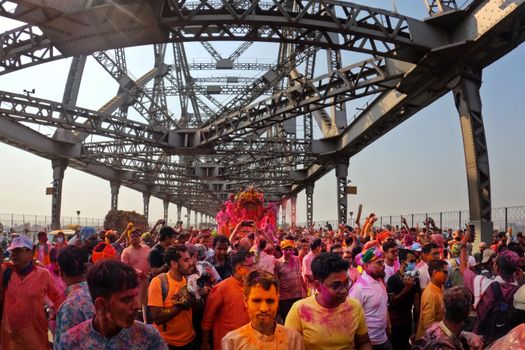
I remember standing amidst a swirling vortex of color, laughter, and music in a small alley in Vrindavan, India. A stranger, his face painted bright green, smeared a streak of fuchsia across my cheek, his eyes crinkling with pure, unadulterated joy. For a moment, all my preconceived notions of travel, of culture, of even myself, melted away into the vibrant chaos of Holi. It wasn't just a festival; it was an awakening, a profound connection to humanity that transcended language and borders.
That single experience ignited a fire within me, a quest to seek out the world's most incredible religious and spiritual festivals – those vibrant, often ancient celebrations that not only showcase a nation's soul but also offer a truly transformative experience for the open-hearted traveler. These aren't just events to observe; they're invitations to participate, to learn, to feel, and to be utterly blown away.
So, if you’re tired of the same old tourist traps and crave an adventure that will imprint itself on your very being, buckle up. I'm about to take you on a journey through some of the most spectacular, awe-inspiring, and yes, mind-blowing religious festivals across the globe that welcome foreigners with open arms (and sometimes, a splash of water or a smear of paint!).
---
1. Holi: India’s Kaleidoscope of Joy (and Chaos!)
What it is: The Hindu "Festival of Colors" or "Festival of Love" marks the arrival of spring, the triumph of good over evil, and a day to forget grievances and celebrate with abandon. It's a vibrant explosion of powdered dyes, water balloons, music, dancing, and general merriment.
My Experience: My first Holi was a glorious, sensory overload. I arrived in Vrindavan, a holy city known for its intense celebrations, armed with a cheap white kurta and a camera protected by a Ziploc bag. The streets were already a riot of blues, greens, reds, and yellows. Within minutes, I was drenched in colored water, my face a canvas of joyous hues. People danced to bhangra beats, offered sweets, and embraced strangers as if they were long-lost family. The sheer exuberance was infectious. I felt an incredible sense of unity, a shared moment of pure, unadulterated happiness that cut through all cultural barriers. It truly felt like stepping into a living, breathing painting.
Why it will blow your mind: The sheer scale of participation, the vibrant colors that paint entire cities, and the overwhelming sense of collective joy are unlike anything you’ve ever witnessed. It’s a day where social norms relax, and everyone, regardless of age or status, becomes a child again.
Practical Tips for Travelers:
- When to go: Usually in March, depending on the lunar calendar.
- Where to go:
- Vrindavan & Mathura: The most traditional and intense celebrations, deeply rooted in Krishna lore. Be prepared for very crowded, chaotic, but incredibly authentic experiences.
- Jaipur: Offers a more organized, tourist-friendly experience, often with hotel-sponsored events.
- Goa: Beach parties and a more relaxed vibe.
- What to wear: Old clothes you don't mind getting permanently stained. White is popular for maximum color effect.
- Protection: Wear sunglasses or goggles to protect your eyes. Lather your skin and hair with oil (coconut oil works great) to prevent colors from sticking too much. Keep electronics in waterproof bags.
- Safety: Be mindful of crowds. While mostly joyful, some areas can get boisterous. Women should travel in groups or with male companions, especially in more conservative areas. Stick to organic, natural colors if possible.
- Cost: Mostly free to participate in street celebrations. Accommodation costs may rise. Expect to pay a few dollars for color packets.
- Instagram-worthy moment: A close-up shot of your face covered in multiple colors, or a wide shot of a crowd throwing powder into the air.
---
2. Dia de los Muertos: Mexico's Beautiful Remembrance
What it is: The "Day of the Dead" is a vibrant and deeply meaningful Mexican holiday where families welcome the souls of their deceased loved ones home for a joyful reunion. Far from being morbid, it's a celebration of life, remembrance, and the continuity of existence.
My Experience: I spent Dia de los Muertos in Oaxaca City, a UNESCO World Heritage site renowned for its traditions. The city transformed. Streets pulsed with music, decorated altars (ofrendas) adorned homes and businesses, and the air was thick with the sweet scent of marigolds and copal incense. I visited local cemeteries, which were not places of sorrow, but of vibrant celebration. Families picnicked by gravesides, sharing stories, music, and their loved ones' favorite foods. I watched a young girl carefully arrange her grandmother's favorite cookies on an altar, her face serene and full of love. It was a profound lesson in how different cultures approach death – not as an end, but as a cherished part of life's cycle. The beauty and respect were truly humbling.
Why it will blow your mind: It challenges Western perceptions of death, offering a beautiful, colorful, and deeply spiritual celebration rather than mourning. The artistry of the altars, the skull imagery (calaveras), and the communal spirit of remembrance are incredibly moving.
Practical Tips for Travelers:
- When to go: Annually on November 1st and 2nd.
- Where to go:
- Oaxaca: Considered the epicenter of Dia de los Muertos, with elaborate altars, parades (comparsas), and cemetery vigils.
- Mexico City: Grand parades and public altars in Zócalo.
- Pátzcuaro, Michoacán: Known for its indigenous communities' unique traditions, especially on Janitzio Island.
- Respect: This is a sacred family holiday. Observe respectfully, ask permission before taking photos, especially in cemeteries. Do not treat it as a Halloween party.
- Learn: Take a local tour or read up on the traditions to understand the symbolism behind the altars, food, and decorations.
- Cost: Generally free to observe. Expect higher prices for accommodation and tours.
- Instagram-worthy moment: An elaborately decorated ofrenda (altar), or a person with intricate Catrina face paint.
---
3. Thaipusam: Malaysia's Spiritual Ascent
What it is: A Hindu festival celebrated by the Tamil community, Thaipusam is an intensely spiritual and visually striking demonstration of devotion to Lord Murugan. Devotees carry elaborate burdens (kavadis) or pierce their skin with hooks and skewers as acts of penance, gratitude, or prayer.
My Experience: Witnessing Thaipusam at the Batu Caves in Kuala Lumpur was an experience that pushed the boundaries of my understanding of human devotion. The air buzzed with chants, drums, and the rhythmic sway of thousands of pilgrims. I watched in awe as devotees, many in a trance-like state, climbed the 272 steps to the temple cave, bearing kavadis adorned with peacock feathers, milk pots, and offerings. Some had skewers piercing their cheeks or backs, yet their faces radiated an incredible serenity. It wasn't grotesque; it was profound. The sheer willpower, faith, and spiritual focus were palpable, leaving me with a deep respect for the power of belief. It's a reminder of the extraordinary lengths people will go to in their spiritual journeys.
Why it will blow your mind: The raw, unfiltered display of faith and endurance is unlike anything you'll likely encounter. It's a powerful testament to the human spirit's capacity for devotion and sacrifice, offering a rare glimpse into a deeply personal spiritual journey.
Practical Tips for Travelers:
- When to go: Usually late January or early February, depending on the Tamil calendar.
- Where to go:
- Batu Caves, Kuala Lumpur, Malaysia: The most famous and accessible site.
- Penang, Malaysia: Another significant celebration.
- Singapore: Also hosts a large procession.
- Dress Code: Dress modestly – shoulders and knees covered – out of respect for the religious nature of the event.
- Observe Respectfully: Maintain a respectful distance, especially from devotees in a trance. Do not touch them or interfere. Ask for permission before photographing individuals, particularly those with piercings.
- Be Prepared: Expect massive crowds, heat, and humidity. Stay hydrated. Wear comfortable shoes as you'll be doing a lot of walking and standing.
- Cost: Free to observe.
- Instagram-worthy moment: A devotee carrying an elaborate kavadi, or the colorful procession winding its way up the steps to Batu Caves (photograph with respect).
---
4. Esala Perahera: Sri Lanka's Grand Elephant Pageant
What it is: One of Asia's oldest and grandest Buddhist festivals, the Esala Perahera in Kandy, Sri Lanka, is a spectacular procession honoring the Sacred Tooth Relic of the Buddha. Over ten nights, it features hundreds of elaborately decorated elephants, traditional dancers, drummers, fire-twirlers, and musicians.
My Experience: I secured a spot on a rented balcony overlooking Kandy Lake, the perfect vantage point for the Esala Perahera. As dusk fell, the air thrummed with anticipation. Then, the first drummers appeared, followed by dancers in vibrant costumes, their movements ancient and precise. But nothing prepared me for the elephants. Majestic, adorned in shimmering silks, their tusks gleaming, they moved with a slow, dignified grace. The Maligawa Tusker, carrying the replica of the Sacred Tooth Relic, was the undisputed star, surrounded by an honor guard. The sheer scale, the intricate costumes, the hypnotic rhythm of the drums – it was a living history lesson, a vibrant tapestry of culture and devotion that transported me back centuries. It was a testament to Sri Lanka's rich heritage and deep spiritual roots.
Why it will blow your mind: The sheer spectacle is unparalleled – hundreds of elephants, adorned in their finest, parading through the streets with thousands of performers. It's a sensory feast that transports you to a bygone era of kings and ancient rituals.
Practical Tips for Travelers:
- When to go: Annually in July or August, culminating on the full moon (Esala Poya). Dates vary.
- Where to go: Kandy, Sri Lanka.
- Book Early: Kandy gets completely booked out. Secure accommodation and viewing spots (paid seats on balconies are highly recommended for the best views) months in advance.
- Respect: This is a deeply sacred event. Dress modestly.
- Photography: Be mindful and respectful. Flash photography can disturb the elephants.
- Cost: Viewing spots can range from $20 to $100+ depending on the location and night (the final 'Randoli Perahera' is the grandest).
- Instagram-worthy moment: A majestic elephant adorned in its full regalia, or a wide shot of the illuminated procession winding through Kandy's streets.
---
5. Pingxi Sky Lantern Festival: Taiwan's Wishes to the Stars
What it is: An ancient tradition where thousands of paper lanterns, inscribed with wishes and hopes, are released into the night sky, creating a breathtaking celestial spectacle. It's part of the wider Chinese Lantern Festival, marking the end of the Lunar New Year celebrations.
My Experience: The air in Pingxi was electric with anticipation. I bought a large, red lantern and, with a new friend I'd met, carefully wrote our hopes for the year ahead onto its delicate paper sides. As we lit the fuel block, the lantern slowly inflated, tugging gently at our hands. Then, with a collective breath, we released it. Watching it ascend, joining thousands of other glowing orbs against the inky blackness of the sky, was profoundly moving. Each light was a silent prayer, a shared dream drifting towards the heavens. The valley became a shimmering Milky Way of human aspirations. It was quiet, beautiful, and deeply personal, yet utterly communal.
Why it will blow your mind: The sheer number of lanterns released simultaneously creates an ethereal, magical scene that feels straight out of a fairy tale. It's a moment of shared hope and wonder that is both intimate and grand.
Practical Tips for Travelers:
- When to go: On the 15th day of the first lunar month (usually February or early March).
- Where to go: Pingxi District, New Taipei City, Taiwan. The main events are held in Shifen, Pingxi, and Jingtong. Shifen is the most popular for individual lantern releases.
- Getting There: Special shuttle buses and trains operate from Taipei during the festival. Public transport is highly recommended as roads get congested. Arrive early!
- Lantern Purchase: Buy lanterns from official vendors. They are usually four-sided, allowing you to write different wishes on each side.
- Environmental Awareness: The lanterns are designed to be biodegradable, but always be mindful of your impact.
- Cost: A single lantern typically costs around NT$150-200 (approx. $5-7 USD).
- Instagram-worthy moment: A close-up of your own lantern being released, or a wide shot of thousands of lanterns ascending into the night sky.
---
6. Songkran: Thailand's Joyful Water Blessing
What it is: Thailand's traditional New Year celebration, Songkran, is famous worldwide for its massive, country-wide water fight. It's rooted in Buddhist traditions of cleansing and purification, where water is gently poured over statues and elders for blessings, evolving into the joyous, boisterous street party it is today.
My Experience: My first Songkran in Chiang Mai was an absolute blast. I stepped out of my guesthouse armed with a small water pistol, thinking I was prepared. Within seconds, I was soaked head to toe by a bucket of icy water from a passing pickup truck, followed by a direct hit from a super soaker. Resistance was futile, and utterly pointless! The streets were alive with laughter, music, and the constant spray of water. Elephants even joined in the fun in some areas! Locals and tourists alike engaged in good-natured water warfare, smearing white 'din sor pong' (traditional Thai clay) on faces for good luck. It was pure, unadulterated joy, a collective release of inhibitions, and an incredibly refreshing way to celebrate the new year in the Thai heat.
Why it will blow your mind: It's the ultimate communal street party – a massive, joyous water fight that engulfs entire cities. The combination of ancient tradition, modern revelry, and the sheer delight of everyone participating is incredibly uplifting and unforgettable.
Practical Tips for Travelers:
- When to go: Annually from April 13th to 15th (sometimes extending longer in certain areas).
- Where to go:
- Chiang Mai: Known for its epic moat-side water battles and traditional parades.
- Bangkok: Major street parties on Khao San Road and Silom Road.
- Phuket: Beach parties and street celebrations.
- Waterproof Everything: Seriously. Your phone, wallet, passport – put them in waterproof bags.
- Dress Code: Light, quick-drying clothes. Swimwear underneath is a good idea.
- Eye Protection: Goggles are a good idea to protect your eyes from water (and potential less-clean water).
- Respect: While it's a party, remember its roots. Don't throw water at monks, babies, or the elderly. Be gentle with water blessings.
- Cost: Free to participate, but you'll want to buy a water gun (50-300 THB, ~$1.50-$10 USD) and potentially some beers.
- Instagram-worthy moment: A wide shot of a street filled with people engaged in a water fight, or a close-up of a smiling, soaked face.
---
Responsible Travel & Safety Tips for Festival Goers
Experiencing these incredible festivals is a privilege. Here's how to ensure you have a safe, respectful, and truly enriching journey:
- Research Thoroughly: Understand the festival's significance, local customs, and any specific etiquette.
- Respect Local Culture: Dress appropriately, especially at religious sites. Ask permission before taking photos, particularly of people or sacred rituals. Remember, you are a guest.
- Stay Hydrated & Protected: Festivals are often crowded and held in warm climates. Drink plenty of water and use sun protection.
- Protect Your Valuables: Use anti-theft bags, money belts, and be extra vigilant in crowds. Leave unnecessary valuables at your accommodation.
- Learn Basic Phrases: A few words in the local language (hello, thank you, please) go a long way in showing respect and connecting with locals.
- Be Mindful of Your Impact: Support local businesses, dispose of trash properly, and be conscious of your environmental footprint.
- Travel Insurance: Always, always have comprehensive travel insurance.
- Stay Flexible: Things might not always go according to plan, especially during large-scale events. Embrace the unexpected!
---
Ready to Have Your Mind Blown?
These festivals are more than just events on a calendar; they are pulsating expressions of human faith, culture, and community. They offer a rare chance to step outside your comfort zone, challenge your perspectives, and connect with people on a profoundly human level. From the vibrant chaos of Holi to the serene beauty of the Pingxi lanterns, each offers a unique portal into a world that will leave you richer, wiser, and utterly transformed.
So, what are you waiting for? Stop dreaming and start planning. Which of these mind-blowing religious festivals will be your next adventure?
Share your dream festival in the comments below! And don't forget to share this guide with your fellow wanderlusters!
---
More pictures

Tags
Share this guide
We may earn a commission if you click a link and buy a product or service, at no extra cost to you. How affiliate links work.
Been there?