
Tired of tourist traps? I've spent years chasing the true heart of travel, and it's led me to some incredible, virtually unknown religious festivals. These aren't just events; they're profound cultural immersions locals often keep to themselves, offering a rare glimpse into traditions that will transform your understanding of the world. ---
The air crackles. Not with the familiar hum of city traffic or the polite murmur of a museum crowd, but with something far more ancient, more alive. It’s the scent of frankincense and woodsmoke, the rhythm of a drumbeat echoing off centuries-old stone, the flash of vibrant textiles against a backdrop of earnest devotion. This, my friends, is the real deal. This is travel at its most potent, its most raw, its most utterly unforgettable.
For years, I chased the 'must-sees' – the Eiffel Towers, the Colosseums, the Taj Mahals. And while those moments hold their own magic, a deeper yearning began to stir within me. I wanted to feel the pulse of a place, not just observe its monuments. I wanted to connect with people, not just take their photos. I wanted to witness life as it truly is, away from the curated spectacle for the masses.
That’s when I started seeking out the unlisted, the unadvertised, the experiences that locals cherish and often, quite understandably, keep close to their hearts. These aren't 'secret' in a nefarious sense, but rather "hidden gems" – religious festivals so deeply embedded in local life that they simply aren't marketed to tourists. They require effort, respect, and a willingness to step far outside your comfort zone. But trust me, the reward is immeasurable.
Join me as I pull back the curtain on some of the most profound, off-the-beaten-path religious festivals I’ve had the immense privilege to witness. These aren't just events; they're invitations to a deeper understanding of humanity.
The Lure of the Unseen: Why Go Off-Grid for Festivals?
You might be wondering, why bother with all this effort when you can just Google "best festivals in [country]"? The answer is simple: authenticity. When you attend a festival designed for the community, by the community, you're not a spectator at a performance; you're a guest, a witness to genuine devotion and celebration.
This means:
- Deeper Cultural Immersion: You'll see traditions unvarnished by commercialism, practices that have survived generations.
- Genuine Connection: Locals are often surprised and delighted to see a respectful foreigner. Doors open, conversations spark, and you might find yourself invited into homes.
- Unique Stories: Forget the generic travelogue. These are the stories you'll tell for years, the ones that spark curiosity and awe.
- A Shift in Perspective: Witnessing profound faith and ancient rituals can be a deeply spiritual experience, regardless of your own beliefs.
It’s about moving beyond Instagram trends and truly understanding the beating heart of a culture. Ready to dive in?
1. Ethiopia's Meskel in the Highlands: A Fiery Offering (Beyond Gondar)
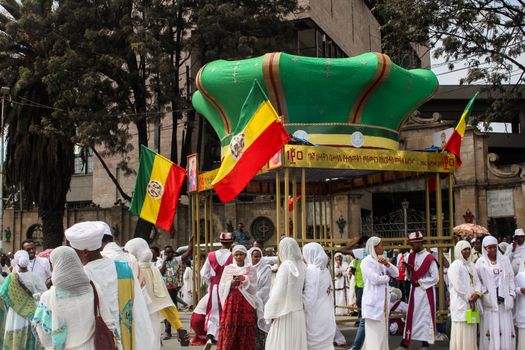
My first encounter with an "unlisted" festival was in the rugged highlands of Ethiopia, during Meskel. While the capital Addis Ababa and the historic city of Gondar host large, well-known celebrations, I was determined to find something smaller, more intimate.
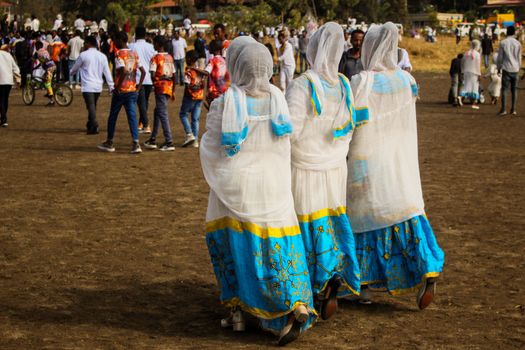
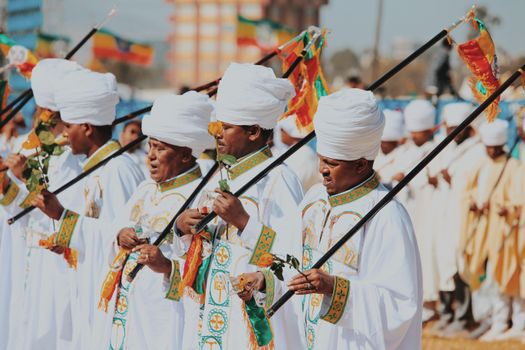
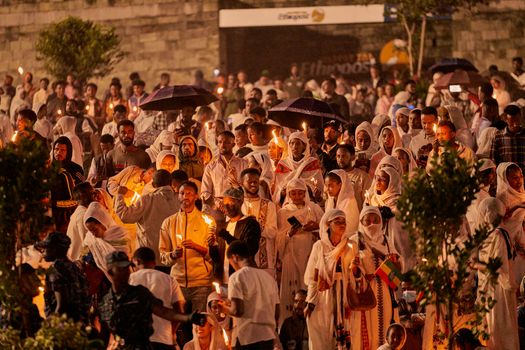
The Experience: I found myself in a tiny village, a place so remote it barely registered on my offline map, a few hours drive from Lalibela. My local guide, a quiet man named Gebre, had a cousin there who offered me a simple room in his mud-brick home. As dusk fell on Meskel Eve, the air grew thick with anticipation. Villagers gathered, their white traditional clothes (gabbi) glowing in the fading light. Children darted about, their laughter mingling with the rhythmic chanting of priests.
The centerpiece was the Demera, a massive bonfire constructed from eucalyptus branches, topped with a cross and wild daisies. As the sun dipped below the horizon, the village elders, followed by priests in ornate robes, lit the pyre. The flames roared skyward, carrying prayers and gratitude for the finding of the True Cross. We stood for hours, mesmerized, the heat on our faces, the smoke a fragrant cloud around us. People sang, danced, and shared injera and local tej (honey wine). I wasn't just watching; I was part of it, sharing silent smiles with strangers, feeling the ancient rhythm of faith. The next morning, people collected charcoal from the ashes, marking their foreheads as a blessing. It was raw, powerful, and utterly devoid of any tourist infrastructure – just pure, unadulterated devotion.
Why it's "Hidden": Most tourists flock to Gondar or Addis for the grand spectacle. Smaller villages celebrate Meskel with equal fervor, but without any promotion, relying purely on local participation.
Practical Tips:
- When to Go: Meskel is celebrated on September 27th (or 28th in a leap year). The eve is the most active.
- Getting There: You'll need a local guide with good connections. I hired Gebre in Lalibela (expect to pay $50-80/day for guide + vehicle, depending on negotiation and remoteness). Negotiate transportation costs separately. Public transport to such villages is challenging.
- Accommodation: Don't expect hotels. Be prepared for a homestay (ask your guide to arrange, offer a fair contribution for food/lodging – perhaps $10-20/night). Bring your own sleeping bag liner and basic toiletries.
- Etiquette: Dress modestly (shoulders and knees covered). Ask permission before taking photos, especially of people. Participate respectfully; if you don't understand, observe quietly. Don't interrupt rituals.
2. India's Rural Rath Yatra: Chariots of Devotion (Beyond Puri)
Everyone knows of the grand Rath Yatra in Puri, Odisha, drawing millions. But India, a land of countless deities and festivals, celebrates similar chariot festivals on a much smaller, intensely local scale across various states. My discovery took me to a dusty town in rural Rajasthan, far from the Golden Triangle.
The Experience: I was on a solo trip, exploring the lesser-known forts of Rajasthan, when my guesthouse owner mentioned a local temple celebrating a minor Rath Yatra for a regional deity. There were no online listings, no brochures. Intrigued, I hired a local auto-rickshaw driver for the day.
The scene was a riot of color and sound. Unlike Puri's colossal chariots, this was a modest, beautifully adorned wooden cart, pulled by devotees through narrow, winding streets. The air vibrated with devotional songs (bhajans), the clang of cymbals, and the scent of marigolds and incense. Women in vibrant saris offered flowers and sweets, men enthusiastically pulled the ropes, their faces alight with devotion. Children ran alongside, collecting the blessed offerings tossed from the chariot.
I found myself swept into the procession, moving with the crowd, feeling the collective energy. A family, noticing my respectful curiosity, invited me to share prasad (blessed food) with them. We sat on the dusty roadside, sharing stories in broken English and hand gestures, their warmth a tangible embrace. It was a powerful reminder that faith, in its purest form, transcends language and cultural barriers. The sense of community, the shared joy, was palpable and deeply moving.
Why it's "Hidden": These are purely local events, often for specific village deities, without any tourism board involvement. They exist for the devotees, not for external audiences.
Practical Tips:
- When to Go: Rath Yatra is typically in June/July (Ashadha Shukla Paksha Dwitiya). Research local temple calendars or ask guesthouse owners/guides in smaller towns.
- Getting There: Local buses, trains, or hired auto-rickshaws are your best bet. Embrace the journey; it’s part of the adventure.
- Accommodation: Stay in a local guesthouse or a smaller hotel. Book well in advance if it’s a tiny town, as options might be limited. Expect to pay $20-50/night.
- Etiquette: Dress very modestly. Remove shoes before entering temples or any sacred space. Ask before taking photos. Be prepared for crowds and sensory overload. Embrace the chaos with a smile. Small donations to the temple are appreciated but not expected.
3. Japan's Oshiroi Matsuri: The White Face Festival of Shimoichiba
Japan is famous for its elaborate matsuri, but many of the most fascinating are deeply local. The Oshiroi Matsuri, or "White Face Festival," in Shimoichiba, Gifu Prefecture, is one such example. It’s an ancient ritual, steeped in agricultural tradition, where participants paint their faces white with rice paste.
The Experience: I first heard about Oshiroi Matsuri through a Japanese friend who had family in Gifu. It sounded utterly unique, so I made the journey. Shimoichiba is a quiet, rural community, and I felt like I was stepping back in time.
The festival's purpose is to pray for a bountiful harvest. Young men and boys, chosen from the community, gather at the local shrine. Their faces are meticulously painted with a thick white paste made from rice flour. This isn't for beauty; it's a symbolic act, a transformation, a prayer. The white faces, stark against their traditional clothing, give them an ethereal, almost otherworldly appearance. They then participate in various rituals, including a procession through the village, visiting homes and sharing sake.
What struck me most was the hushed reverence, punctuated by moments of joyous celebration. The locals watched with pride and quiet devotion. I was one of only a handful of non-Japanese observers, and several villagers, seeing my genuine interest, approached me to explain aspects of the festival in simple English. One elderly woman, with a twinkle in her eye, even offered me a small cup of sake, a gesture of inclusion that warmed me deeply. It was a powerful blend of ancient ritual and warm community spirit, a true window into Japan's spiritual heart far removed from the neon glow of Tokyo.
Why it's "Hidden": It's a very specific, small-scale festival tied to a particular local shrine and agricultural cycle, not widely publicized in English.
Practical Tips:
- When to Go: Oshiroi Matsuri takes place annually on the second Saturday of December. Dates are fixed but always double-check local Gifu prefecture tourism sites (though information might be minimal in English).
- Getting There: Shimoichiba is accessible by train (JR Takayama Line to Mino-Ōta Station, then transfer to Nagaragawa Railway Etsumi-Nan Line to Shimoichiba Station). The journey itself is scenic.
- Accommodation: There are very few options in Shimoichiba itself. Consider staying in nearby Mino-Ōta or Gujo Hachiman, which have guesthouses and ryokans ($70-150/night) and taking the train in for the day.
- Etiquette: Be extremely respectful and quiet, especially during rituals. Dress warmly in December! Ask before photographing. Avoid being intrusive. This is a sacred event for the community.
4. Peru's Pachamama Raymi: Mother Earth's Embrace (Local Andean Villages)
The Andes are steeped in ancient Incan and pre-Incan traditions, many of which revolve around the veneration of Pachamama, Mother Earth. While touristy versions exist, finding a true, local Pachamama Raymi (Festival of Mother Earth) in a remote Andean village is a profoundly different experience.
The Experience: After trekking the Inca Trail, I felt a deep connection to the Andean landscape. My guide, a Quechua man named Mateo, spoke passionately about his village's traditions. He invited me to attend their annual Pachamama Raymi, a festival of thanksgiving and offering.
The village was nestled high in the Sacred Valley, accessible only by a bumpy, unpaved road. The festival wasn’t a single event but a day-long series of rituals. Families gathered, dressed in their finest traditional weaving, bringing offerings: coca leaves, corn beer (chicha), grains, sweets, and even live guinea pigs (for sacrifice, a practice I observed with respectful distance). The shaman (Paco) led the ceremony, chanting in Quechua, performing elaborate rituals to bless the land and ensure a good harvest.
We sat on the earth, high up on a mountain slope, with breathtaking views of the valley. The air was thin, crisp, and filled with the scent of burning herbs. Mateo translated snippets of the prayers, explaining the deep reverence for the land that sustains them. Later, everyone shared a communal meal – pachamanca, food cooked in an earthen oven. The sense of gratitude, community, and deep connection to the natural world was overwhelming. I felt like an invisible thread had connected me to something ancient and powerful, a reminder of our shared human dependence on the earth. This wasn't a show; it was a heartbeat.
Why it's "Hidden": These are deeply personal, agricultural festivals for indigenous communities, not promoted to outsiders. They are about their relationship with the earth, not tourism.
Practical Tips:
- When to Go: Pachamama festivals are often tied to harvest cycles (e.g., August 1st is a major day for offerings). Ask local guides in Cusco or the Sacred Valley about specific village dates.
- Getting There: You absolutely need a trusted local guide from the region to facilitate this. They will know which villages are open to respectful visitors and can arrange transport (likely a private car or shared colectivo). Expect to pay $80-150/day for a guide and transport.
- Accommodation: Very likely a homestay or a simple guesthouse in a nearby town. Offer to pay for your stay and contribute to the family's food.
- Etiquette: Extreme respect is paramount. Dress modestly. Bring a small offering (coca leaves, a bottle of chicha, or a monetary contribution to the village fund) as a gesture of goodwill. Ask permission before taking any photos, especially of rituals or people. Be prepared for different cultural norms around animal sacrifice if it occurs.
The Unwritten Rules: How to Be a Welcome Guest (Not Just a Tourist)
Attending these deeply personal festivals comes with a responsibility. You are not just a traveler; you are a guest in someone's sacred space. Here's how to ensure you're a welcome one:
- Find a Local Connection: This is the golden rule. A trusted guide, a local friend, or a guesthouse owner is invaluable. They bridge language barriers, explain customs, and act as your cultural ambassador. Don't just show up unannounced.
- Respect is Paramount: This isn't a theme park. Observe, listen, and learn. Avoid loud conversations, intrusive photography, or any behavior that draws undue attention to yourself. Your presence should be as unobtrusive as possible.
- Dress Modestly: Always err on the side of caution. Shoulders and knees covered are a minimum. For women, a headscarf can be a sign of respect in many cultures.
- Ask Before You Shoot: Photography is a sensitive issue. Some rituals are not meant to be photographed. Always ask for permission, and if denied, respect it without complaint. If you do get permission, be quick, discreet, and avoid flash.
- Learn Basic Phrases: "Hello," "Thank you," "Please," "Excuse me" in the local language goes a very long way. It shows effort and respect.
- Be Prepared for Basic Conditions: These aren't tourist resorts. Expect simple accommodation, basic food, limited amenities, and potentially long, uncomfortable journeys. Pack light, but bring essentials like a headlamp, hand sanitizer, and any personal medications.
- Bring a Small Offering/Gift: In many cultures, bringing a small gift or offering (even a monetary contribution to the community or temple) is a sign of respect and gratitude. Ask your local contact what would be appropriate.
- Embrace the Unexpected: Things might not go as planned. Language barriers will exist. You might feel out of place. Lean into it. These are the moments where true growth happens.
- Leave No Trace: Culturally and environmentally. Take out everything you bring in. Be mindful of your impact.
- Be Patient and Present: Don't rush. Don't expect things to happen on your schedule. Just be there, soak it in, and let the experience unfold. Put your phone away and truly connect.
The Journey Beyond the Map
These experiences aren't about ticking off a list; they're about transformation. They challenge your perceptions, broaden your understanding, and remind you of the incredible diversity and resilience of human culture and faith. When you witness a community come alive in celebration, unburdened by external expectations, you tap into something ancient and universal.
It's a privilege to be invited, even as a silent observer, into these moments of profound meaning. And it's a privilege I hope you'll seek out, not just for the Instagram-worthy shots (though trust me, the visual memories will be incredible), but for the deep, soul-stirring connection it offers.
So, next time you plan a trip, look beyond the well-trodden path. Ask the locals. Read between the lines of obscure travel forums. Seek out the hidden heartbeats of the world. Because sometimes, the most extraordinary adventures are found in the places no one wants you to know about – until you show up, respectfully, and become part of their story.
What's your most memorable off-the-beaten-path cultural experience? Share your stories in the comments below, and let's inspire each other to explore deeper!
---
More pictures

Tags
Share this guide
We may earn a commission if you click a link and buy a product or service, at no extra cost to you. How affiliate links work.
Been there?