
Qi gong study abroad can range from short workshops to long-term training with a master. This guide explains how to find credible teachers, compare programs, check visa rules and set realistic expectations.
Qi gong is a traditional Chinese practice that combines slow movement, breath regulation and meditation. It has a long history, with many lineages, styles and teaching methods. For people interested in studying it more deeply, there may be opportunities to train with teachers in China and in other places where practitioners have established schools. Finding a credible teacher, understanding the structure of a program and arranging the practical details of study all require care. This guide explains how to research teachers and programs, how visa and language matters affect plans and how to set realistic expectations for a period of training.
Understanding the range of practice
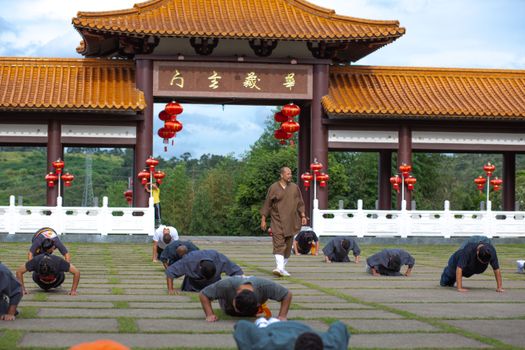
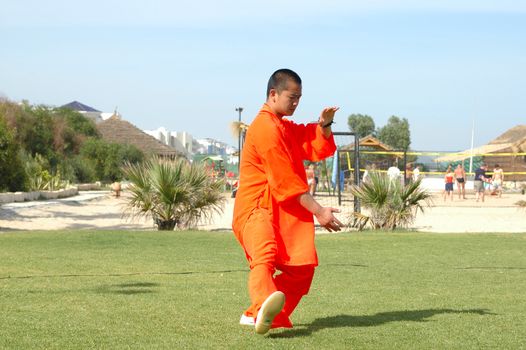
Qi gong encompasses a wide variety of forms, from gentle exercises for daily health to more rigorous martial and meditative training. Lineages can differ in philosophy, methods and the importance they place on theory, form and application. Before choosing a teacher, clarify what you want to learn, whether that is general health practice, a particular form or deeper study within a lineage.
Some teachers focus on public classes, while others run private instruction or residential programs. The depth of training and the time commitment can vary significantly, so consider how long you can realistically study and what level of structure suits you.
Finding credible teachers
Look for teachers with clear lineage information, a track record of teaching and references from former students. Ask how long they have practised and taught, which teachers they trained under and what they expect from students. Credible teachers are usually open about their background and do not make inflated claims about healing or supernatural abilities.
Be cautious of teachers who demand large upfront payments, promise rapid results or discourage independent research. Visiting a class before committing, if possible, can help you judge the teaching style, the atmosphere and the relationship between teacher and students.
Comparing programs
Programs can take several forms, including short introductory workshops, intensive courses of a few weeks and longer residential training. Ask what the schedule includes, how many hours of practice to expect, whether accommodation or meals are provided and what the assessment or certification process involves.
Clarify what is included in the fees and what is optional. Some programs may charge separately for accommodation, materials or private lessons. Request written information about the curriculum and the terms of enrollment, and keep copies of any agreements.
Visas, registration and legal considerations
Study visas are often required for courses that exceed a short tourist stay, and the rules differ by country. Check whether the training counts as study, tourism or another category, and confirm the requirements with the official immigration authority. Some destinations require registration with local police or a residence permit for longer stays.
Be aware that rules for religious or cultural practice, and for foreign participation in certain activities, can change. Use official government sources, and where possible speak to the school or teacher about the documentation they can provide.
Language and daily life
Language can be a significant barrier. Many teachers give instruction in the local language, so consider whether an interpreter is available or whether you can learn enough basic vocabulary to follow instructions. Practising the movements carefully is often more useful than verbal explanation, but understanding terminology helps deepen your study.
Plan for daily life as well. Accommodation near the training site, reliable transport, and access to food and healthcare all affect how well you can focus on practice. Think about your physical condition too, since some forms are demanding.
Setting realistic expectations
Qi gong rewards patience. Progress comes through regular practice, and many students find that the greatest benefits develop gradually over months or years. Avoid programs that promise dramatic outcomes, and remember that health benefits should not replace medical advice where it is needed.
Keep a practice journal, ask for corrections and stay open to the teaching style even when it differs from what you expected. Continuity at home, where you can practise regularly, is often what makes the training last.
Practical tips
- Clarify your goals and choose a form or lineage that matches them.
- Ask teachers about their training background and references from former students.
- Compare program length, schedule, fees and inclusions in writing.
- Check study visa and registration requirements with official immigration sources.
- Consider language support, and learn key terms before you arrive.
- Be cautious of inflated claims, large upfront payments or pressure to commit quickly.
Common mistakes to avoid
Students often arrive with a strong picture of what training will look like and then feel disappointed by the reality. A common mistake is choosing a program mainly for its location or reputation without first considering the daily schedule and how much practice it asks for. Another is starting a long course before building a steady routine at home, which can make it hard to keep practising once the program ends. Some students underestimate the physical demands of certain forms, particularly those with long holds or repeated postures, and arrive without preparing their bodies. Others rely entirely on translated notes and miss the subtle corrections a teacher gives in person. Setting aside time each evening to review what you learned is a simple habit that helps avoid these pitfalls.
Who this suits and who it doesn't
Structured study abroad may suit people who already have a regular practice, can commit to a defined schedule and are comfortable with a different teaching culture and everyday routine. It can also suit those who want to deepen a particular lineage and accept a slow pace of progress. It is less suitable for people who want rapid results, who have health conditions that make intensive movement risky without medical guidance, or who cannot arrange time away from work and family responsibilities. Those looking mainly for relaxation may find that a shorter local class or a retreat with lighter structure meets their needs better. A useful test is to ask whether you would still want to practise if the training turned out to be less impressive than advertised.
Frequently asked questions
Do I need to speak the local language? It helps considerably, although some programs offer interpretation or teach in simpler terms. Ask in advance how instruction is delivered and what support is available.
How do I know a program is genuine? Look for clear information about the teacher's background, a written curriculum and references from former students. Be wary of programs that avoid direct questions or rely only on dramatic claims.
Can qi gong study replace medical treatment? No. Practice may support general wellbeing for some people, but it should not replace advice from a qualified health professional, particularly where a condition needs treatment.
Studying qi gong as a foreign student can be a meaningful way to deepen a long-standing practice. Research teachers carefully, understand the program and its paperwork, and set expectations that favor steady progress over quick results. With thoughtful planning, the training can become a lasting part of your practice.
More pictures



Tags
Share this guide
We may earn a commission if you click a link and buy a product or service, at no extra cost to you. How affiliate links work.
Been there?