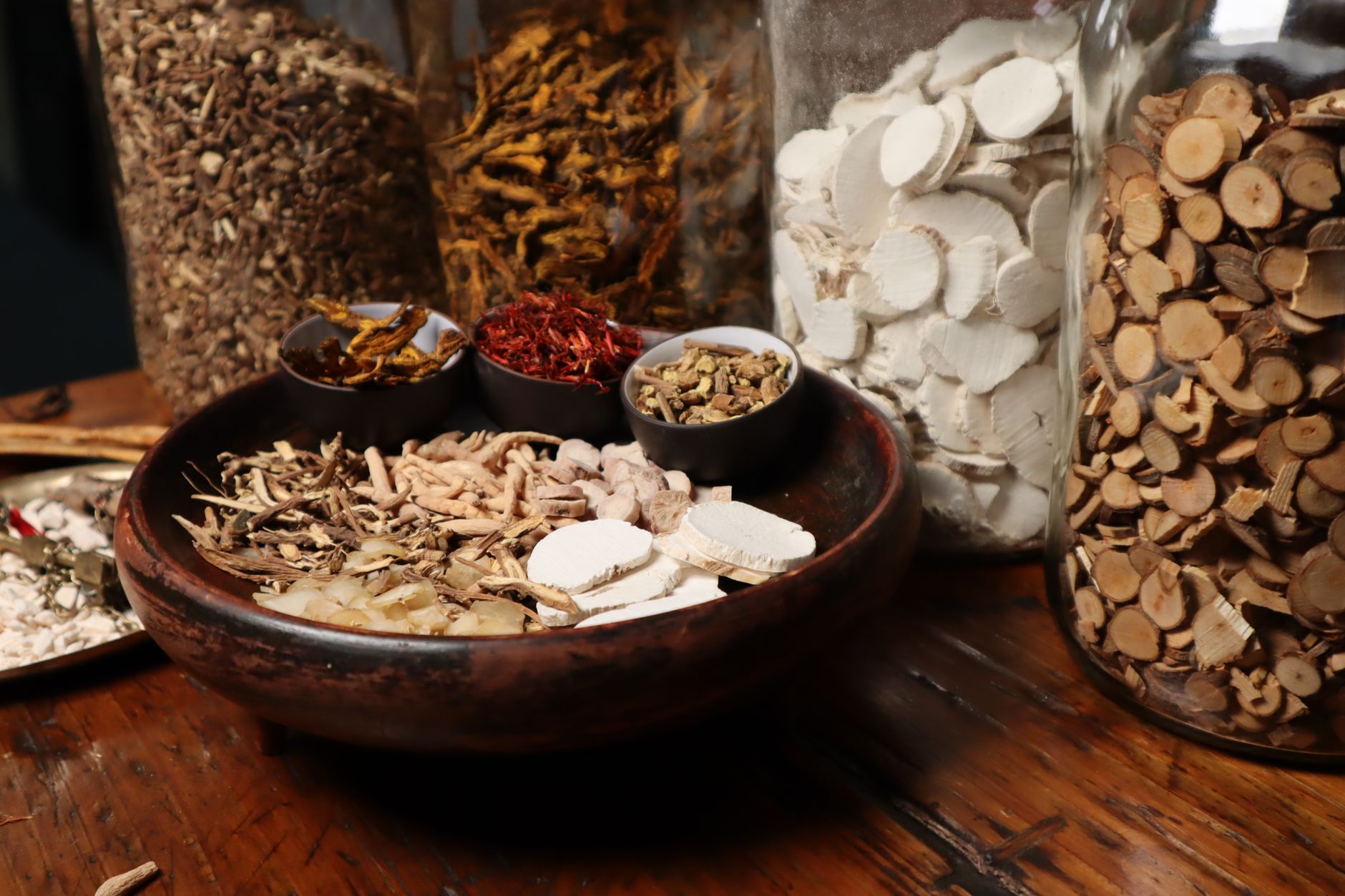
**Yearning for a profound inner journey but stressed about legality?
The air, thick with the scent of damp earth and something sweetly floral, vibrated with a low, resonant chant. I stood at the edge of a clearing, the jungle canopy a dense, emerald ceiling above, filtering the late afternoon sun into dappled patterns on the forest floor. A sense of profound peace, alien and yet deeply familiar, washed over me. This wasn't just a trip; it was an invitation. An invitation to understand, to heal, to be.
For years, the whispers of plant medicine ceremonies have been shrouded in mystery, often tinged with legal uncertainty. But as global perspectives shift, and research into the therapeutic potential of psychedelics accelerates, a new landscape is emerging. A landscape where these profound experiences are not only accessible but, crucially, legally available. As your dedicated guide for Tripsora, I’ve been deep-diving into the latest data to bring you the definitive roadmap to these transformative journeys.
Navigating the Legal Frontier: Where Plant Medicine Ceremonies Thrive
The key to understanding the legality of plant medicine ceremonies lies in distinguishing between the substance and the context. While possession of certain psychoactive compounds may be illegal in many jurisdictions, their ceremonial use within specific cultural or therapeutic frameworks often falls into a legal grey area, or is explicitly protected. My research has pinpointed several regions where these ancient practices are not only tolerated but actively embraced.
South America: The Ancient Heartbeat of Ceremony
This continent is arguably the spiritual home of many widely recognized plant medicine traditions. Here, indigenous cultures have worked with these sacred plants for millennia, weaving them into their spiritual, medicinal, and social fabric.
Ayahuasca: The Vine of the Soul
- The Experience: Ayahuasca, a brew typically made from the Banisteriopsis caapi vine and Psychotria viridis leaves, is renowned for its profound introspective and healing properties. Participants often describe vivid visions, emotional release, and a deep connection to the self and the universe.
- Legality: In Peru, Ecuador, and Colombia, ayahuasca ceremonies are widely practiced and generally fall under protected indigenous or religious practices. Many reputable centers operate openly, often with shamans who are custodians of ancestral knowledge.
- Pro-Tip: Look for centers that emphasize a holistic approach, including pre- and post-ceremony integration support. Reputable facilitators will also conduct thorough health screenings.
- Insider Insight: The specific blend of plants and the intention behind the brew can vary significantly. Don't hesitate to ask about the lineage and preparation methods.
San Pedro Cactus: The Gentle Guide
- The Experience: San Pedro ( Echinopsis pachanoi) is a mescaline-containing cactus used for its visionary and healing properties. Unlike some other psychedelics, San Pedro is often described as more grounding and outwardly focused, encouraging connection with nature and community.
- Legality: Peru and Ecuador are prime destinations. The cactus itself is legal to cultivate and possess in Peru for traditional and medicinal purposes. Ceremonies are a common part of local culture.
- Pro-Tip: Many San Pedro ceremonies are conducted outdoors, often in stunning natural settings. Pack layers and be prepared for a full day of experience.
- Insider Insight: The preparation of San Pedro can involve boiling for hours. The taste can be bitter, so embrace it as part of the process!
North America: Shifting Sands of Acceptance
While the legal landscape in North America is more complex and rapidly evolving, significant progress is being made, particularly in therapeutic and religious contexts.
Psilocybin: The Fungi of Insight
- The Experience: Psilocybin mushrooms, often referred to as "magic mushrooms," are gaining recognition for their potential in treating depression, anxiety, and PTSD. Ceremonies can range from intimate group settings to more structured therapeutic environments.
- Legality:
- Oregon, USA: Psilocybin is legal for therapeutic use in licensed service centers. This is a groundbreaking development in the US.
- Colorado, USA: Similar to Oregon, Colorado is establishing regulated psilocybin services, with a focus on natural medicine.
- Canada: While not explicitly legal nationwide for recreational use, psilocybin can be accessed for medical purposes through Health Canada's Special Access Program for patients with serious or life-threatening conditions. Some private retreats may operate in a legal grey area, emphasizing wellness and spiritual growth.
- Mexico: While possession can be tricky, certain spiritual or religious groups have historical or legal precedents for using psilocybin. Many retreats cater to international visitors, operating with a degree of acceptance.
- Pro-Tip: If seeking therapeutic psilocybin, ensure your chosen center in Oregon or Colorado is licensed and staffed by trained professionals.
- Insider Insight: The "set and setting" are paramount with psilocybin. Choose a comfortable, safe environment and go with facilitators you trust implicitly.
DMT (Ayahuasca & Other Forms): A Glimpse Beyond
- The Experience: Dimethyltryptamine (DMT) is a powerful psychedelic compound found in various plants, most famously in the Amazonian brew, Ayahuasca. It's known for its short-acting but intensely profound visionary experiences.
- Legality:
- As mentioned, Peru, Ecuador, and Colombia offer legal ayahuasca ceremonies.
- In Brazil, the União do Vegetal (UDV) and Santo Daime churches are legally recognized religions that use ayahuasca in their rituals. Access is typically through membership.
- In some US states and Canadian provinces, possession of DMT is illegal. However, the conversation around decriminalization and therapeutic access is growing. Be extremely cautious and well-informed about local laws.
- Pro-Tip: If exploring DMT outside of a legal ayahuasca ceremony, prioritize safety and legality above all else. Look for established religious organizations or consult with legal experts.
- Insider Insight: The "breakthrough" experience with DMT is often described as a journey into another dimension. Prepare for the unexpected.
Africa: Ancient Wisdom, Emerging Access
While less mainstream than South America, certain plant medicines have a long history of use in Africa, and access is becoming more organized.
Iboga: The Root of Revelation
- The Experience: Iboga ( Tabernanthe iboga) is a powerful psychoactive substance derived from the root bark of the Iboga tree. It's traditionally used in initiation rites and for spiritual healing, and is increasingly recognized for its potential in treating addiction.
- Legality:
- Gabon: Iboga is deeply ingrained in the Bwiti spiritual tradition. Ceremonies are legal and central to cultural life. Access for outsiders is often facilitated through experienced Bwiti practitioners or reputable centers.
- Other African Nations: While less regulated, some countries have practitioners offering Iboga experiences. However, legality and safety can be highly variable.
- Pro-Tip: Iboga is a potent medicine with significant physical and psychological effects. Only consider Iboga with experienced, vetted facilitators who understand its complexities and potential risks. Medical supervision is often recommended.
- Insider Insight: Iboga can be physically demanding. Ensure you are in good health and have a strong support system during and after the experience.
Kambo: The Frog's Kiss of Purification
- The Experience: Kambo is the secretion of a frog found in the Amazon. It's applied to the skin via small burns and induces intense purging (vomiting and sweating), believed to cleanse the body and spirit of toxins and negative energies.
- Legality:
- Brazil and Peru: Kambo is widely used by indigenous tribes and is legal within these contexts. Many centers and practitioners offer Kambo sessions.
- Globally: Kambo is increasingly offered in Western countries. While the frog secretion itself isn't typically scheduled, the practice can sometimes fall into a grey area regarding medical claims or unlicensed practice.
- Pro-Tip: Kambo is physically intense. Stay hydrated and be prepared for a powerful detoxifying effect.
- Insider Insight: The 'burns' for Kambo application are small and temporary. The initial discomfort is often quickly overshadowed by the subsequent feelings of clarity and energy.
Planning Your Transformative Journey: Essential Considerations
Embarking on a plant medicine ceremony is a significant undertaking, both personally and logistically. Here’s what you need to know to ensure a safe, legal, and profoundly rewarding experience.
Quick Facts: Legal Plant Medicine Destinations
| Destination | Primary Plant Medicine | Estimated Cost (USD per session/day) | Best Time to Visit | How to Get There | Legal Status Focus | | :----------------- | :--------------------- | :----------------------------------- | :----------------- | :------------------------------------------------------- | :------------------------------------------------------------------------------ | | Peru | Ayahuasca, San Pedro | $150 - $400+ | Dry Season (May-Oct) | Fly into Lima (LIM), then domestic to Iquitos/Cusco | Protected indigenous/religious practice. | | Ecuador | Ayahuasca, San Pedro | $100 - $300+ | Dry Season (Jun-Sep) | Fly into Quito (UIO) or Guayaquil (GYE) | Protected indigenous/religious practice. | | Colombia | Ayahuasca | $100 - $300+ | Dry Season (Dec-Mar) | Fly into Bogotá (BOG), then domestic to Leticia/Medellin | Protected indigenous/religious practice. | | Oregon, USA | Psilocybin | $300 - $1000+ (per session) | Year-round | Fly into Portland (PDX) | Legal for therapeutic use in licensed service centers. | | Colorado, USA | Psilocybin | $300 - $1000+ (per session) | Year-round | Fly into Denver (DEN) | Legal for therapeutic use in licensed service centers. | | Brazil | Ayahuasca | $100 - $250+ | Dry Season (May-Oct) | Fly into major hubs like São Paulo (GRU) or Rio (GIG) | Legal within recognized religious organizations (UDV, Santo Daime). | | Gabon | Iboga | $500 - $2000+ (multi-day treatment) | Dry Season (Jun-Aug) | Fly into Libreville (LBV) | Legal within Bwiti tradition. Requires careful vetting of facilitators. | | Mexico | Psilocybin, Ayahuasca | $200 - $600+ | Dry Season (Nov-Apr) | Fly into various international airports (e.g., CUN, MEX) | Complex; often operates in a grey area, emphasis on spiritual/wellness retreats. |
Note: Costs are estimates and can vary significantly based on the duration, exclusivity, and reputation of the retreat or center.
Pro-Tips for Choosing a Facilitator/Center:
- Research, Research, Research: Don't just book the first place you find. Read reviews, check testimonials, and look for transparency.
- Understand the Lineage: For traditional ceremonies, know the shaman's or facilitator's background and experience.
- Health Screenings are Non-Negotiable: A reputable center will conduct thorough medical and psychological questionnaires. Be honest about your health history.
- Integration is Key: The ceremony is only part of the journey. Ensure the center offers support for processing your experience afterward.
- Ask About the "Set and Setting": This refers to your mindset and the environment. A safe, comfortable, and supportive setting is crucial.
- Know Your "Why": Be clear about your intentions for participating. This will help you choose the right medicine and setting.
Budgeting for Transformation:
Beyond the ceremony cost, factor in:
- Flights & Travel: International and domestic travel can add up.
- Accommodation: If not included in a retreat package.
- Visas & Travel Insurance: Essential for peace of mind.
- Pre- and Post-Ceremony Support: Sometimes additional integration sessions are beneficial.
- Contingency Fund: For unexpected expenses.
The Ethical Compass: Responsible Plant Medicine Use
As interest in plant medicine grows, so does the responsibility to engage with these practices ethically and respectfully.
- Respect the Sacred: These are not recreational drugs. Approach ceremonies with reverence and intention.
- Prioritize Safety: Never experiment with unknown substances or unvetted individuals.
- Understand the Risks: All psychedelic substances carry potential risks. Be informed and prepared.
- Support Indigenous Communities: Where possible, choose experiences that directly benefit the indigenous custodians of these traditions.
- Integration is Crucial: The insights gained are only truly transformative when integrated into daily life.
The legal availability of plant medicine ceremonies is a beacon for those seeking profound personal growth. By staying informed, choosing wisely, and approaching these experiences with respect and intention, you can embark on a journey that is not only legal but deeply, fundamentally life-changing. The recent data points to a future where ancient wisdom and modern understanding converge, opening doors to healing and self-discovery.
More pictures

Tags
Share this guide
We may earn a commission if you click a link and buy a product or service, at no extra cost to you. How affiliate links work.
Been there?