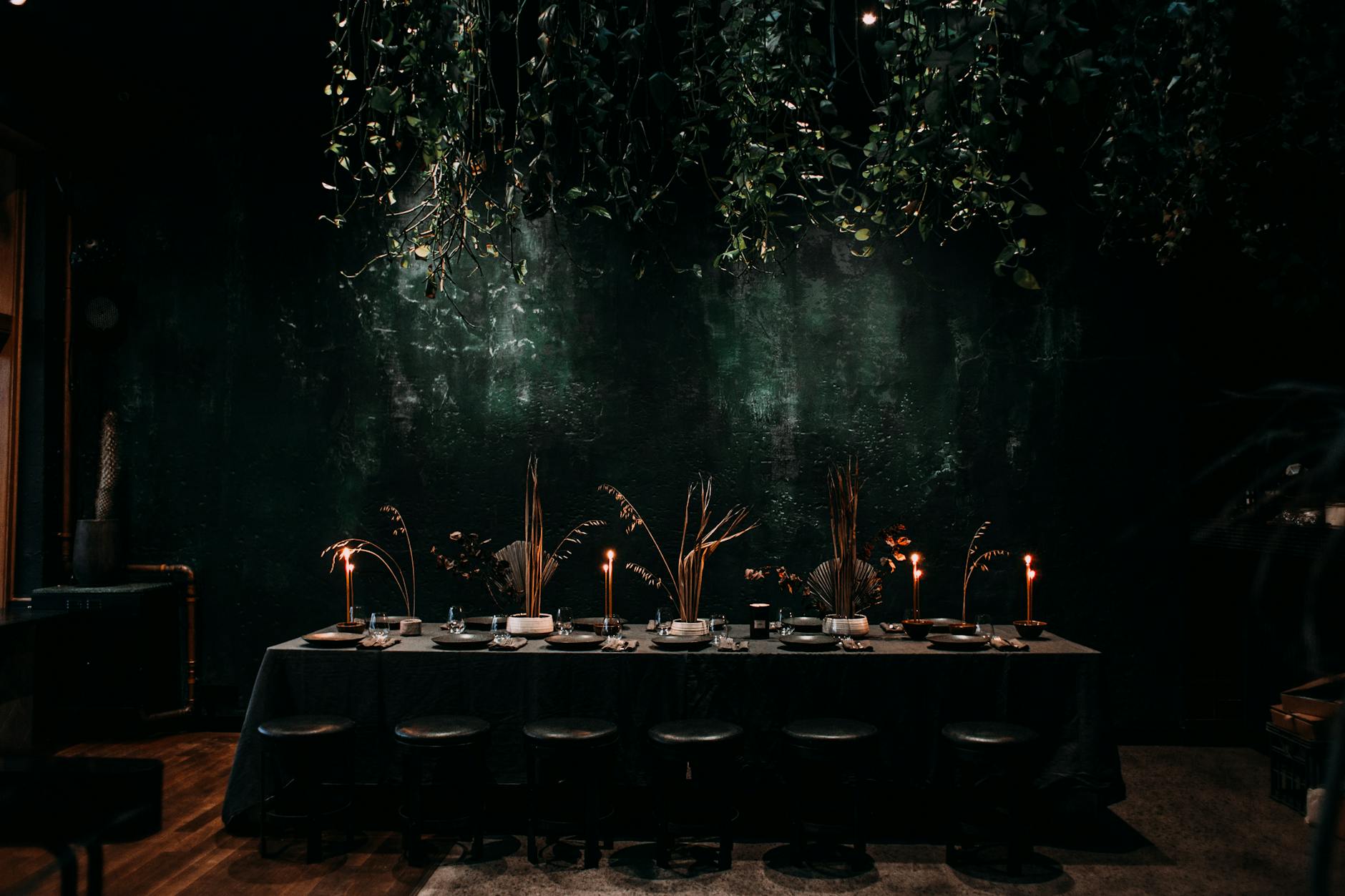
Imagine a meal where your eyes play no part, forcing your other senses to awaken like never before. Dining in complete darkness isn't just a meal; it's a transformative journey that redefines your relationship with food and the world around you. Get ready to discover the most incredible pitch-black culinary experiences around the globe that you absolutely need to try before you die. ---
What if I told you the best meal of your life might be one you never actually see?
I remember the first time I heard about dining in complete darkness. My initial reaction was a mix of fascination and apprehension. "Eat in pitch black? How will I know what I'm eating? What if I spill everything? Is this even safe?" These questions swirled in my mind, but the thrill of the unknown, the promise of an entirely new sensory adventure, ultimately won me over. And let me tell you, it was a decision that fundamentally shifted my understanding of food, connection, and perception itself.
My first foray into the void was at a renowned dark dining restaurant in London. After checking my phone, watch, and any other light-emitting devices into a locker, I was introduced to Sarah, our visually impaired guide. Her warm smile and confident demeanor immediately put me at ease. "Welcome," she said, her voice calm and reassuring, "Are you ready to truly taste your food tonight?" I took a deep breath, extended my hand to grasp her shoulder, and allowed her to lead me into what felt like an abyss.
The moment the heavy curtain fell behind us, sealing off even the faintest sliver of light, was disorienting. It wasn't just dark; it was an absolute, suffocating blackness that my eyes, despite straining, simply couldn't penetrate. My other senses, however, immediately went into overdrive. The faint murmur of other diners, the clinking of cutlery, the subtle aroma of spices and roasting meat – it was all amplified. Sarah expertly guided me to my seat, giving clear instructions, and I fumbled for my chair, my hands exploring the table setting. It felt like being a child again, learning to navigate the world purely by touch.
That night, every bite was a revelation. A seemingly simple morsel of food would explode with unexpected flavors and textures. Was that a hint of truffle? A crunch of roasted nuts? The sweetness of caramelized onion? Without visual cues, my brain struggled, then delighted, in piecing together the puzzle. It was challenging, humbling, and utterly exhilarating. I laughed more, listened more intently, and connected with my dining companions in a way that felt more intimate than any brightly lit dinner party. This wasn't just a meal; it was an awakening. And it's an experience I now champion as a must-do for any adventurous foodie or traveler.
The Philosophy Behind the Blackout – Why Dine in Darkness?
Dining in complete darkness isn't a gimmick; it's a meticulously designed sensory experiment. The core philosophy is simple yet profound: remove sight, and your other senses – taste, smell, touch, and even hearing – become hyper-alert, enhancing your appreciation for the meal in ways you never thought possible.
Heightened Senses: Our eyes often dominate our perception of food. We eat with our eyes first, judging presentation, color, and portion size. When sight is removed, your nose takes center stage, detecting subtle aromas that might otherwise be overlooked. Your palate becomes more discerning, picking up nuanced flavors and spices. Your sense of touch helps identify textures – the crispness of a vegetable, the tenderness of meat, the creaminess of a sauce. Even the sounds of your dining companions and the clinking of cutlery become part of the immersive symphony.
Psychological Immersion: Beyond the physical senses, dark dining offers a unique psychological journey. It fosters a sense of vulnerability, pushing you out of your comfort zone and encouraging trust – both in your guides and your own instincts. It strips away distractions, forcing you to be fully present in the moment. For many, it's a deeply meditative experience, allowing a rare focus on the pure act of eating.
Social Connection: Paradoxically, the absence of light can create stronger connections. Without visual cues, conversations become more intentional. You listen more attentively, you laugh more freely, and you engage with your companions on a deeper, more verbal level. It's an equalizer, breaking down social barriers and allowing personalities to shine through. Many dark dining establishments also employ visually impaired staff, offering them meaningful employment and providing sighted guests with a unique opportunity to experience the world from a different perspective, fostering empathy and understanding.
My First Dive into the Void: A Sensory Awakening
Let me take you back to that evening in London. Stepping into the restaurant's reception area, I was immediately struck by the hushed anticipation in the air. Guests spoke in low tones, a mix of excitement and nervous chatter. After a brief explanation of the concept and menu options (often a surprise menu to maximize the sensory challenge), we were led to a dimly lit bar area for a pre-dinner drink. This was the last time I would see my cocktail, or indeed, anything at all.
When Sarah, our guide, came to collect us, her presence was incredibly comforting. She explained the process: placing our hands on her shoulders, forming a human chain, and following her into the dining area. The journey itself was an experience – a slow, deliberate shuffle through an unseen space. The air grew heavier, the silence more profound, until the final curtain closed, plunging us into absolute darkness.
The first few minutes at the table were a flurry of awkward fumbling. Where was my fork? My water glass? I reached out, my fingers tentative, mapping out my immediate surroundings. Sarah's calm voice guided us, "Your water is to your right, your wine glass to your left. Your cutlery is at the top of your mat." Slowly, painstakingly, I began to orient myself.
When the first course arrived, placed gently before me by Sarah, an immediate wave of curiosity washed over me. What was it? I leaned in, inhaling deeply. A hint of citrus, something earthy. I cautiously picked up my fork, speared a piece, and brought it to my mouth.
Wow.
The texture was unexpectedly smooth, then a slight crunch. The flavor was bright, tangy, and then a surprising sweetness. My mind raced, trying to identify ingredients. Was it scallops? A delicate fish? A fruit? It was exhilarating, like solving a delicious riddle with every bite. I found myself chewing slower, savoring each nuance, a stark contrast to my usual hurried meals.
The main course presented a new challenge – cutting meat without seeing it. It was messy, yes, but also liberating. Who cared about table manners when no one could see? My hands became my primary tool, exploring the plate, identifying different components. I could hear other diners gasping in delight, laughing at their own fumbles, or trying to guess the ingredients aloud. The conversation around our table flowed effortlessly, unburdened by the usual distractions of eye contact or visual judgment. It was purely about voice, tone, and shared experience.
By dessert, a sense of calm and heightened awareness had settled over me. I felt a profound appreciation for the simple act of eating, and an immense respect for Sarah, who navigated this world with such grace and confidence every day. Leaving the restaurant, stepping back into the brightly lit world, felt almost shocking. My eyes squinted, and the colors seemed more vibrant, the details sharper. It was as if my senses had been recalibrated, offering a fresh perspective on everything around me.
Global Hotspots for Pitch-Black Palates
Ready to embark on your own sensory adventure? Here are some of the world's most renowned dark dining establishments, each offering a unique twist on the concept:
- Dans le Noir? (Paris, London, Barcelona, Madrid, and more)
- The Pioneer: Often credited with popularizing the modern dark dining concept, "Dans le Noir?" (meaning "In the Dark?") is a global phenomenon. Their core mission is not just about food, but about social awareness and employing visually impaired individuals as guides and servers, offering a unique opportunity for empathy and understanding.
- The Experience: Expect a surprise multi-course menu (often French-inspired in Paris, with local adaptations elsewhere) where you choose between categories like "Chef's Surprise," "Fish," "Meat," or "Vegetarian." The focus is on high-quality ingredients and expertly crafted dishes designed to challenge your palate.
- What to Expect: Highly professional and compassionate visually impaired guides who lead you through the experience. A genuine emphasis on conversation and connection.
- Price Range: Expect to pay around €60-€90 per person for a two or three-course meal, often excluding drinks. Prices vary by location (e.g., London can be slightly higher).
- Booking: Essential to book well in advance, especially for weekend evenings. Check their official website for specific city locations and menus.
- NOX – Dine in the Dark (Singapore)
- The Asian Touch: Located in the vibrant heart of Singapore, NOX offers a sophisticated take on dark dining with a distinct Asian flair. Their menu is often described as "modern European with Asian influences."
- The Experience: Guests are treated to a 3-course "Mystery Set Menu" with 12 dishes designed to stimulate the senses. The menu is revealed only after the meal, leading to fascinating discussions and surprising discoveries. The guides here are also visually impaired, adding to the authentic and empathetic experience.
- What to Expect: A refined dining atmosphere that emphasizes taste and texture. The cocktail menu is also a highlight, with unique sensory drinks.
- Price Range: Approximately SGD 88-120++ per person for the set menu.
- Booking: Highly recommended to book online through their website, especially for dinner slots.
- Dark Table (Vancouver & Calgary, Canada)
- North American Hospitality: Dark Table brings the sensory adventure to Canada with locations in two major cities. They pride themselves on using fresh, local ingredients and providing a truly immersive experience.
- The Experience: Similar to other dark dining establishments, you're led into a completely dark room by visually impaired staff. Their menu often features a mix of classic and contemporary dishes, with options for various dietary needs. The focus is on challenging diners to identify familiar flavors in an unfamiliar setting.
- What to Expect: A warm, inviting atmosphere despite the darkness. Friendly and attentive guides. A strong emphasis on local sourcing.
- Price Range: Around CAD 70-90+ per person for a multi-course meal.
- Booking: Reservations are a must and can be made via their website or by phone.
- O.Noir (Montreal & Toronto, Canada)
- Another Canadian Gem: O.Noir offers a similar concept to Dark Table, also employing visually impaired servers. It's known for its commitment to raising awareness and providing employment opportunities.
- The Experience: Guests choose from a selection of appetizers, main courses, and desserts, or opt for a surprise "Discovery Menu." The cuisine is generally contemporary North American with European influences.
- What to Expect: A lively atmosphere where diners often engage in spirited discussions about what they're eating. The staff are excellent at making everyone feel comfortable and secure.
- Price Range: CAD 50-80+ per person for a two or three-course meal.
- Booking: Booking in advance is highly recommended through their website.
(Always check the specific restaurant's website for the most current prices, menus, and booking information before planning your visit.)
Navigating the Unknown: Practical Tips for Your Dark Dining Adventure
To make your dark dining experience as enjoyable and stress-free as possible, here are some practical tips from a seasoned Tripsora traveler:
- Book Ahead (Way Ahead!): Dark dining restaurants are popular and often have limited seating. Secure your spot weeks, or even months, in advance, especially for prime weekend slots.
- Communicate Dietary Restrictions: This is crucial! Inform the restaurant about any allergies, dietary preferences (vegetarian, vegan, gluten-free, etc.), or dislikes when you book. They rely on this information to create your surprise menu safely.
- Arrive On Time (Or Early): There's usually a pre-dining briefing and a process for entering the dark room. Being punctual ensures you don't miss any important instructions and allows you to settle in without rushing.
- Leave Valuables (and Lights) in the Locker: You'll be asked to store phones, watches, lighters, and anything that emits light. This is paramount to maintaining the complete darkness for everyone. Embrace the digital detox!
- Use the Restroom Beforehand: Trust me on this. Navigating to the restroom in complete darkness is a challenge, even with assistance. Take care of business before you enter.
- Trust Your Guide: Your visually impaired guide is your eyes and your lifeline in the darkness. Listen to their instructions, ask questions, and don't hesitate to ask for help. They are experts at navigating this environment.
- Don't Be Afraid to Use Your Hands: Forget traditional table manners for a moment. It's perfectly acceptable, and often necessary, to use your hands to explore your plate, identify textures, and guide food to your mouth.
- Take Your Time: Without visual cues, eating can be slower. Savor each bite, focus on the flavors, and enjoy the process. There's no rush.
- Engage with Your Companions: This is a fantastic opportunity for genuine conversation. Ask each other what you think you're eating, describe the textures, and share your sensory discoveries.
- Dress Comfortably: You'll be focusing on your senses, so avoid anything too restrictive or precious. Perhaps avoid white clothing, just in case of spills!
- Embrace the Unexpected: The whole point is to challenge your perceptions. Go in with an open mind and a willingness to be surprised.
Beyond the Plate: The Unexpected Takeaways
The experience of dining in darkness extends far beyond the meal itself. It leaves you with a host of unexpected insights and lasting impressions:
- Enhanced Appreciation for Food: You'll never look at a plate of food the same way again. You'll develop a deeper understanding of ingredients, textures, and the chef's artistry.
- Empathy and Understanding: Spending a few hours in the world of the visually impaired fosters a profound sense of empathy. It highlights the challenges they face daily and the incredible resilience and skill they possess.
- Improved Communication: Without sight, your listening skills sharpen. You learn to interpret tone, inflection, and verbal cues in a new way, improving your overall communication abilities.
- Unique Bonding Experience: Whether you're with a partner, friends, or family, shared vulnerability and discovery create a powerful bond. It's a story you'll be recounting for years.
- Challenging Assumptions: The experience forces you to confront your reliance on sight and question how much of your reality is shaped by visual information. It's a powerful lesson in perception.
- Pure Fun and Novelty: At its heart, dark dining is an incredibly fun and novel experience. It's a break from the ordinary, a chance to step into a truly unique adventure.
Making it Instagram-Worthy (Even Without Light)
"How can I Instagram something I can't see?" you might ask. Ah, but the magic of dark dining isn't just in the visuals; it's in the story, the anticipation, and the aftermath. Here's how to make your dark dining adventure social media gold:
- The Pre-Game Buzz: Snap photos outside the restaurant, showcasing its intriguing facade. Capture your excited (or nervous!) faces before you enter the darkness. Take a picture of the menu (if it's revealed beforehand) or the "surprise" options. Use captions that build anticipation: "About to dive into the unknown! Wish us luck! #DarkDiningAdventure #SensoryJourney"
- The "Before & After" Selfie: A photo of you and your dining companions looking fresh and ready before entering, followed by a post-meal shot with glowing faces (and perhaps a few smudges!) after the menu reveal. The contrast tells a compelling story.
- The Menu Reveal (Post-Meal): Many dark dining restaurants provide a printed menu or a verbal reveal of what you actually ate after the experience. This is prime content! Film your reactions as you discover what those mysterious flavors truly were. Capture the menu itself.
- Descriptive Storytelling: Your captions are key. Don't just post a photo; tell the story. Describe the initial disorientation, the surprising flavors, the laughter, the communication challenges, and your ultimate takeaways. Use vivid language to transport your followers.
- Hashtags Galore: Maximize visibility with a mix of specific and general hashtags: #DarkDining #DineInDarkness #BlindDining #SensoryExperience #FoodAdventure #BucketList #TripsoraTravel #UniqueRestaurants #CulinaryJourney #TravelFood #NoSightNoProblem #TasteNotSight #[CityName]Food.
- Focus on the Vibe: Even if you can't show the food, you can convey the atmosphere. Talk about the sounds, the conversations, the feeling of connection. It's about sharing the experience, which is far more engaging than just a pretty plate.
- Engage Your Audience: Ask questions! "Have you ever tried dark dining? What's the weirdest thing you've ever eaten without seeing it?" Encourage comments and shares.
---
Stepping out of the darkness and back into the brightly lit world after such an experience is like being reborn. Colors seem more vibrant, sounds more distinct, and the simple act of seeing feels like a gift. Dining in complete darkness isn't just a meal; it's a profound journey of self-discovery, empathy, and sensory awakening. It strips away the superficial and forces you to truly connect with your food, your companions, and yourself.
It’s an experience that will challenge your perceptions, ignite your senses, and leave you with memories that will last a lifetime. So, are you ready to close your eyes and open your mind to the ultimate culinary adventure? Trust me, it's one you absolutely need to experience before you die.
Have you ever dared to dine in the dark? Share your stories and recommendations in the comments below! Which of these global hotspots are you adding to your travel bucket list?
---
More pictures


Tags
Share this guide
We may earn a commission if you click a link and buy a product or service, at no extra cost to you. How affiliate links work.
Been there?