
My early travel days were a chaotic mess of overstuffed suitcases and endless baggage fees. But after years on the road, observing and learning from locals across continents, I've uncovered packing secrets that have revolutionized my adventures. Get ready to ditch the tourist baggage and embrace a smarter, more authentic way to explore! ---
Unlocked: 7 Packing Hacks That Changed My Life (And Why Locals Don't Want Tourists to Know)
Oh, the memories of my early travel days! Picture this: a sweltering Bangkok street, me sweating profusely, dragging a monstrous, overstuffed suitcase behind me, the wheels protesting with every turn. My backpack, equally bulging, threatened to topple me over. I looked, felt, and was the quintessential overwhelmed tourist. I’d spent a small fortune on a flight, only to pay another hefty sum in excess baggage fees, just to lug around a wardrobe I barely touched. Sound familiar?
For years, I believed that more stuff equaled more preparedness. That a different outfit for every Instagram shot was essential. That I needed every "just in case" item imaginable. Then, something shifted. I started spending more time in places, living like a local, not just passing through. I watched. I learned. I absorbed. And what I discovered wasn't about fancy gadgets or expensive luggage; it was about mindset and efficiency – the kind of savvy only seasoned travelers and locals truly embody.
These aren't just "tips"; these are life-changing packing hacks that have saved me thousands of dollars, countless hours of stress, and transformed my travel experience from a logistical nightmare into pure, unadulterated freedom. And let's be honest, these are the common-sense, ingenious strategies that locals have mastered, making them smile inwardly at the sight of a struggling tourist. Ready to join the ranks of the savvy traveler? Let's dive in.
1. The Art of the 'Invisible' Carry-On: Mastering the Personal Item Loophole
My biggest revelation came on a budget airline flight from Rome to Santorini. I watched a Greek woman, impeccably dressed, breeze past the gate agent with what looked like a large, stylish tote bag. No wheeled carry-on, no checked bag. Just that one bag. I, on the other hand, was sweating, trying to cram my "regulation" carry-on into the sizer, dreading the €50 fee. That's when it clicked: the "personal item" is your secret weapon.
Most airlines, even the strictest budget carriers like Ryanair or Wizz Air, allow one "personal item" that fits under the seat in front of you (typically 40x20x25cm or similar). Tourists often see this as a small purse. Locals? They see opportunity. I've since invested in a travel backpack that maximizes these dimensions, like the Osprey Daylite or specific travel totes designed to fit these constraints. It’s amazing how much you can fit when you pack smart.
The Hack: Ditch the wheeled carry-on for short trips. Instead, pack everything into a well-designed travel backpack or large tote that fits the personal item dimensions. This often means free baggage on budget airlines, saving you anywhere from €20-€70 per flight segment. For longer trips, this becomes your secondary bag in addition to a standard carry-on, effectively giving you more space without checked bag fees.
Actionable Advice:
- Invest in a Smart Personal Item: Look for travel backpacks (e.g., Aer City Pack, Knack Pack) or large tote bags (e.g., Beis Weekender) explicitly designed to maximize personal item dimensions. Measure your chosen bag!
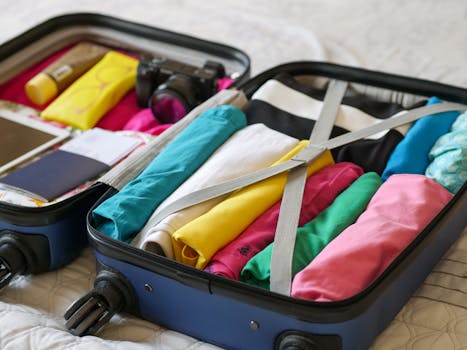
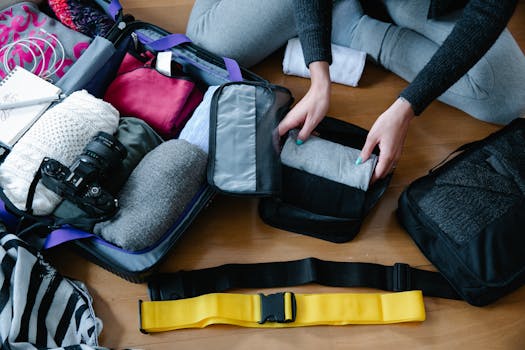
- Compression is King: Use ultralight compression packing cubes for clothes. They're not just for organization; they genuinely shrink your garments. I swear by the Eagle Creek Specter Tech cubes.
- Wear Your Bulkiest: Heavy boots, jackets, and sweaters are worn on the plane, not packed. Layer up, then shed layers once onboard.
- Strategic Stashing: Small, flat items (documents, a book, charging cables) go into external pockets or along the sides of your bag, using every inch of available space.
Personal Anecdote: I once flew 10 days through the Baltics with just my trusty Osprey Daylite. No fees, no waiting for luggage, just pure freedom. It felt like I was cheating the system, but really, I was just playing by their rules, smarter.
2. The Local Wardrobe: Blending In, Not Standing Out (And Packing Half Your Clothes)
Remember my Bangkok story? Part of my problem was packing clothes utterly unsuitable for the climate and culture. I stood out like a sore thumb, and my clothes were constantly damp from humidity. Locals, of course, wear fabrics and styles perfectly adapted to their environment. This isn't just about cultural respect; it's about comfort, practicality, and packing efficiency.
The Hack: Research local fashion and climate before you pack. Instead of packing for every hypothetical scenario, pack a capsule wardrobe that blends with the local aesthetic and climate. This means fewer items, multi-purpose garments, and often, lighter fabrics.
Actionable Advice:
- Observe Before You Go: Scroll through Instagram geotags for your destination, watch local vlogs, or simply Google "what to wear in [City/Country]". Notice the fabrics, cuts, and colors.
- Focus on Neutrals & Versatility: Pack a base of neutral colors (black, white, grey, navy, beige) that can be mixed and matched. Add one or two accent pieces.
- Multi-Purpose Items: A large scarf can be a blanket on the plane, a head covering for a temple, a sarong for the beach, or a stylish accessory. A quick-dry button-down shirt can be casual or dressed up.
- Fabric Matters: In hot climates (like Southeast Asia or the Mediterranean), linen, cotton, and quick-dry synthetics are your friends. Avoid heavy denim. For colder climates, smart layering with merino wool is key – it's warm, lightweight, and resists odor.
Personal Anecdote: In Greece, I packed mostly linen trousers, a few cotton tops, and a versatile maxi dress. I bought a beautiful, lightweight scarf from a local market in Santorini for just €10. It served as a cover-up at the beach, a shawl for cooler evenings, and even a makeshift pillow on a ferry. I felt comfortable, stylish, and completely at ease, unlike the tourists struggling with their heavy jeans and bulky sweaters in 30°C heat.
3. The Apothecary of a Local: Ditching the Full-Sized Toiletries (And Saving a Fortune)
Every tourist destination has an airport duty-free or a convenience store selling overpriced travel-sized toiletries. And every seasoned traveler knows this is a trap. Locals don't haul giant bottles of shampoo across continents; they buy what they need, where they need it, or they've mastered the art of minimalist, efficient personal care.
The Hack: Unless you have highly specific, prescription-only products, don't pack full-sized toiletries. Better yet, don't even pack travel-sized toiletries from home. Instead, invest in solid toiletries and refillable containers, or buy what you need when you arrive.
Actionable Advice:
- Solid Revolution: Embrace solid shampoo, conditioner, body wash, and even toothpaste tabs. Brands like Lush or Ethique offer amazing options that last ages, take up minimal space, and never leak. They're also usually eco-friendly!
- Refillable, Reusable: If liquids are a must, invest in high-quality, leak-proof silicone refillable bottles (like GoToob). Fill them with your preferred products from home.
- Buy Local: Arrive with minimal essentials (toothbrush, a tiny bit of toothpaste, solid deodorant). Head to a local pharmacy or supermarket. You'll often find fantastic, affordable local brands. In Japan, I discovered an incredible, gentle facial cleanser for about ¥500 (approx. $3.50) that I now swear by. In Italy, local pharmacies have excellent skincare.
Personal Anecdote: On a backpacking trip through South America, my tiny travel-sized shampoo ran out halfway through. Instead of hunting for an international brand, I popped into a small "farmacia" in Cusco, Peru. The local brand I bought was not only incredibly cheap (less than $2 USD) but also smelled amazing and worked wonders. It taught me that sometimes, the best products are the ones you discover locally.
4. The Culinary Commando: Packing for Foodies (Without the Bulk)
One of the greatest joys of travel is food. But as a tourist, you often miss out on impromptu picnics, market fresh produce, or saving money by making your own meals. Locals, especially those on the go, often carry simple tools that allow them to enjoy local fare anywhere, anytime, without needing a full kitchen.
The Hack: Pack a few lightweight, multi-purpose food items that enable you to enjoy local cuisine more intimately and economically. This means less reliance on expensive restaurants and more authentic experiences.
Actionable Advice:
- Collapsible Wonders: A collapsible silicone bowl or cup is a game-changer. Perfect for street food, a quick ramen, or even a market fruit salad. I use mine almost daily.
- Reusable Utensils & Straw: A lightweight spork or a small bamboo/metal cutlery set means you’re never stuck without a way to eat that delicious takeaway or market snack. A reusable straw is great for drinks.
- Reusable Produce Bags/Stasher Bags: Great for buying fruit at a market, packing snacks, or even storing a leftover pastry. They’re lightweight and incredibly versatile.
- Mini Spice Kit (for longer stays): If you're staying in Airbnbs with kitchens, a tiny container with your essential spices (salt, pepper, chili flakes) can elevate simple local ingredients into a gourmet meal.
Personal Anecdote: Wandering through a bustling market in Vietnam, I bought some incredible fresh spring rolls and fruit. My collapsible bowl and spork were invaluable, allowing me to sit by the river and enjoy my meal without needing to find a cafe or struggle with flimsy plastic. It felt like a true local experience, and I saved money by not buying an overpriced lunch at a tourist trap restaurant.
5. The Digital Nomad's Secret Weapon: Tech & Connectivity Without the Clutter
In our hyper-connected world, tech is essential for travel. But it can quickly become a tangled mess of wires, heavy chargers, and multiple devices. Locals, especially those who travel frequently for work or leisure, have streamlined their tech to be as efficient and lightweight as possible.
The Hack: Optimize your tech setup for minimal weight and maximum utility. Think multi-functional devices and smart power solutions.
Actionable Advice:
- Universal Adapter with USB Ports: Ditch multiple bulky adapters. A single universal adapter with at least 2-3 USB-A/C ports lets you charge your phone, watch, and power bank simultaneously. I use the EPICKA Universal Travel Adapter, which has been a lifesaver across dozens of countries.
- Lightweight Power Bank: A compact, high-capacity power bank (e.g., Anker PowerCore 10000) is non-negotiable. It keeps your phone charged for navigation, photos, and emergencies, especially when you're out all day exploring.
- eSIMs for Instant Connectivity: Forget hunting for local SIM cards or paying exorbitant roaming fees. An eSIM (like Airalo or Holafly) lets you buy data plans for almost any country instantly, from your phone. It's often cheaper and far more convenient. I've activated an eSIM while still on the tarmac, getting connected before even leaving the plane.
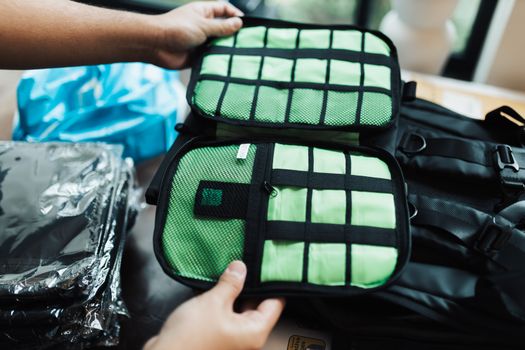
- Cable Organizer: A small, zippered pouch dedicated to cables, adapters, and earbuds keeps everything tidy and prevents tangles. This saves precious minutes and frustration.
Personal Anecdote: I was once stranded in a remote Argentinian village with no cell signal and a dying phone battery. My power bank, which I almost left behind, saved the day, allowing me to charge my phone enough to use offline maps and find my way to a bus station. It was a stark reminder that staying connected (or having the option to) is crucial, but it doesn't mean carrying a tech store.
6. The Emergency Kit: Preparedness, Not Paranoia (The Local Way)
Tourists often pack a full pharmacy, "just in case." Locals, however, are pragmatic. They know where to get what they need, and they pack a lean, essentials-only emergency kit, focusing on immediate needs and common ailments.
The Hack: Create a minimalist, highly curated emergency kit. Focus on truly essential items you might need immediately, and trust that you can source most other things locally if required.
Actionable Advice:
- Mini First-Aid: A tiny pouch with band-aids, antiseptic wipes, pain relievers (e.g., ibuprofen), anti-diarrhea meds, and any personal prescription meds. Forget the full bottle of Tylenol; take 10-12 pills in a small container.
- Multi-Tool/Swiss Army Knife (check airline rules for carry-on!): A small one with tweezers, a tiny knife, and scissors is incredibly useful for everything from opening packages to fixing a loose screw on your glasses. Always check if it's allowed in carry-on before flying. If not, pack in checked luggage or consider a non-blade option.
- Safety Whistle & Small Flashlight: A tiny keychain flashlight (like a Nitecore Tube) is invaluable for navigating dark alleys or finding something in your bag. A safety whistle offers peace of mind.
- Sewing Kit & Safety Pins: A few needles, thread, and safety pins can fix a ripped seam, replace a lost button, or secure something in a pinch.
Personal Anecdote: Hiking through the dense jungles of Costa Rica, I developed a nasty blister. My tiny first-aid kit, with its sterile wipes and blister plasters, was a godsend. I didn't need a full medical supply, just the immediate fix. Later, when a button popped off my shirt, a safety pin from my kit saved me from looking disheveled for the rest of the day.
7. The 'Souvenir Savvy': Packing for the Return Journey (Without the Extra Bag)
One of the biggest packing dilemmas is how to bring home souvenirs without buying an extra bag or mailing things. Tourists often buy bulky items without thinking. Locals, if they buy gifts, usually choose wisely or have strategies for transport.
The Hack: Pack with the expectation of bringing things back. This means leaving deliberate empty space, or planning to replace worn-out items with new purchases. And be smart about what you buy.
Actionable Advice:
- Leave 10-20% Empty Space: When you first pack, ensure your bag isn't bursting at the seams. This gives you room for small souvenirs or gifts.
- The 'One In, One Out' Rule: If you buy a new piece of clothing or an accessory, consider if you can discard or donate an old, worn-out item to make space. This is especially easy with things like t-shirts or socks.
- Flat, Lightweight Souvenirs: Focus on items that are flat, lightweight, and don't take up much space: scarves, small pieces of art, local spices, coffee beans, jewelry, postcards, or small, well-packaged local snacks.
- Ship It (Strategically): For larger items, investigate shipping costs before you buy. Sometimes, it's cheaper to ship a box home than pay exorbitant airline baggage fees. Ask local artisans; they often have preferred, affordable shipping methods.
Personal Anecdote: After a glorious trip to Morocco, I found myself eyeing a beautiful, but bulky, handmade rug. Instead of buying it and struggling, I asked the shop owner about shipping. He arranged for it to be sent directly to my home for a reasonable fee, saving me the hassle and the extra baggage charge. For smaller items, like the fragrant spices and argan oil I bought, I had already left space in my bag, knowing I'd want to bring home some authentic flavors.
---
Your Journey to Smarter Travel Starts Now!
These packing hacks aren't just about fitting more into a smaller bag; they're about transforming your entire travel philosophy. They're about shedding the burdens of overpacking, embracing efficiency, and ultimately, experiencing the world with greater freedom, less stress, and a deeper connection to the places you visit. When you travel lighter, you move faster, blend in more easily, and are more open to spontaneous adventures – just like the locals do.
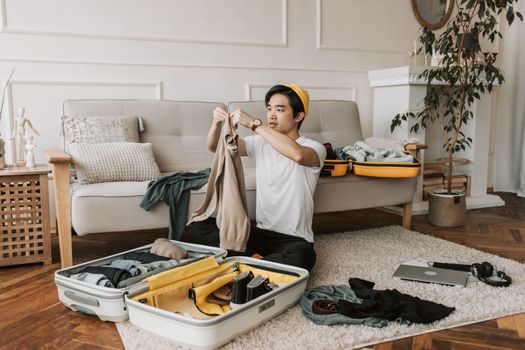
So, next time you're staring at an empty suitcase, remember these 'secrets'. Pack like a pro, travel like a local, and unlock a whole new level of travel freedom.
What are YOUR game-changing packing hacks? Share them in the comments below! Let's build a community of savvy, minimalist travelers. And don't forget to share this post with your travel buddies – they'll thank you later!
---
More pictures
Tags
Share this guide
We may earn a commission if you click a link and buy a product or service, at no extra cost to you. How affiliate links work.
Been there?