
Forget alarm clocks! Experts spill the beans on epic overnight hikes that lead to jaw-dropping sunrises. Pack your bags for adventure, breathtaking views, and memories that'll last a lifetime.
The Call of the Dawn: An Overnight Ascent to Remember
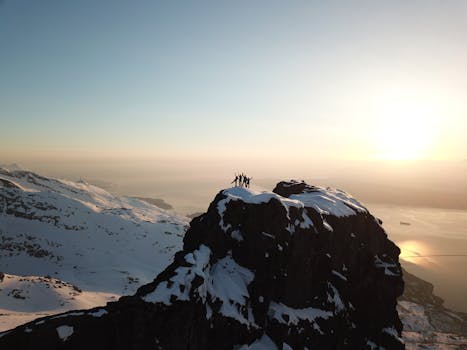
I stepped off the overnight train, the cool, pre-dawn air kissing my cheeks, carrying the faint, earthy scent of pine and damp soil. The station was a hushed murmur of sleepy travelers, but my heart was already thrumming with anticipation. Ahead of me lay not just a hike, but a pilgrimage – an overnight trek culminating in the ethereal spectacle of sunrise from a vantage point few ever witness. This isn't just about waking up early; it's about earning the dawn, about the quiet camaraderie of the trail under a canopy of stars, and the sheer, unadulterated magic of watching the world ignite in a symphony of color.
Why Overnight Hikes for Sunrise? The Expert Take
As a seasoned traveler and an SEO strategist for Tripsora, I've seen trends come and go. But the allure of an overnight hike to a sunrise viewpoint? That's a perennial classic. It's more than just a scenic vista; it's an experience that deeply connects you with nature. Experts rave about this approach for several key reasons:
- The Journey is the Destination: Unlike a day hike where you rush to the top, an overnight trek allows you to savor the ascent. You experience the changing light, the sounds of the forest awakening, and the profound silence of the night.
- Unparalleled Solitude: The best sunrise spots often draw crowds. By hiking overnight and camping nearby, you can position yourself for the prime viewing spot before the masses arrive. Imagine having that panoramic vista all to yourself as the first rays break the horizon.
- The Cosmic Spectacle: Nights spent at higher altitudes often offer incredible stargazing opportunities, far from city light pollution. You can witness the Milky Way in all its glory before the sun even makes its appearance.
- A Sense of Accomplishment: There's a deep satisfaction in waking up under the stars, packing up camp in the quiet morning, and then being rewarded with a sunrise that you've literally climbed towards.
Expert-Recommended Sunrise Sanctuaries: Our Top Picks
After countless conversations with seasoned hikers, guides, and adventure bloggers, a few names consistently rise to the top when it comes to overnight hikes for sunrise. These aren't just pretty views; they're journeys that leave an indelible mark.
1. The Majestic Peaks of the Dolomites, Italy: Seceda Ridgeline
The Vibe: Jagged, dramatic spires piercing a cerulean sky. The air here is crisp, carrying the faint scent of wildflowers and distant cowbells.
The Hike: This is more of an ambitious trek than a casual stroll. You'll typically ascend in the late afternoon, setting up camp at a designated spot or a backcountry hut (rifugio) with breathtaking views. The goal is to be perched on the Seceda ridgeline as dawn breaks. The iconic view of the Odle peaks bathed in golden light is simply unforgettable.
Pro-Tip: Book your rifugio well in advance, especially during peak season. For a more authentic experience, consider a guided trek that includes local insights into the geology and history of the region. Pack layers – mountain weather can change in an instant.
Quick Facts:
- Estimated Cost ($$): Moderate to High (rifugio stays, gear rental if needed)
- Best Time to Visit: June to September
- How to Get There: Fly into Venice (VCE) or Innsbruck (INN), then take a train to Val Gardena and a cable car or bus to the trailhead.
2. The Mystical Landscapes of Patagonia, Chile: Torres del Paine National Park
The Vibe: Windswept plains, colossal granite towers, and glacial lakes of an almost unbelievable turquoise. The air is pure, carrying the tang of the Southern Ocean.
The Hike: The iconic "W Trek" or the full "O Circuit" offer incredible opportunities. For a dedicated sunrise viewpoint, many opt for the trek to the base of the Torres del Paine towers. This is an overnight trek where you'll camp at the Paine Grande campsite or a more basic spot closer to the towers. Waking up in your tent to the sound of the wind and then witnessing the pink and orange hues paint the granite is a spiritual experience.
Pro-Tip: Permits are essential and book up months, sometimes a year, in advance. Check the weather obsessively; Patagonia is notorious for its unpredictable and fierce winds. Consider a guided trek if you're new to multi-day backcountry camping.
Quick Facts:
- Estimated Cost ($$$): High (park fees, accommodation, transport)
- Best Time to Visit: October to April (Patagonian summer)
- How to Get There: Fly into Punta Arenas (PUQ) or El Calafate (FTE) in Argentina, then take a bus to Puerto Natales, Chile, followed by another bus to the park entrance.
3. The Ancient Majesty of Kyoto's Surrounds, Japan: Mount Daimonji
The Vibe: Serene bamboo forests, ancient temples, and the gentle scent of incense. The air is calm, carrying the quiet reverence of centuries.
The Hike: This is a more accessible option for those seeking an overnight sunrise experience without extreme wilderness. Hike up Mount Daimonji in the late afternoon, camping at a designated campsite near the summit. The reward? A panoramic vista of Kyoto as the city awakens, with the iconic "大" (dai) character on the mountainside illuminated by the rising sun.
Pro-Tip: While camping is possible, many opt to hike up in the very early morning (around 3 AM) after a night in a nearby ryokan. If you do camp, respect local customs and leave no trace. The local ramen shops near the base are legendary for a post-sunrise refuel.
Quick Facts:
- Estimated Cost ($): Low to Moderate (campsite fees, local transport)
- Best Time to Visit: Spring (cherry blossoms) and Autumn (fall foliage)
- How to Get There: Fly into Kansai International Airport (KIX) and take a train to Kyoto. From Kyoto, take a bus to the base of Mount Daimonji.
4. The Rugged Beauty of the Scottish Highlands: Ben Nevis
The Vibe: Wild, untamed landscapes of lochs, glens, and heather-clad hills. The air is often damp, carrying the scent of peat and the distant cry of a curlew.
The Hike: Ben Nevis, the UK's highest peak, offers a challenging but rewarding overnight hike. Ascend in the late afternoon, setting up camp at a suitable wild camping spot (respecting Scottish access rights) or a nearby campsite. The summit sunrise can be absolutely spectacular, especially when the clouds part to reveal the vastness of the Highlands.
Pro-Tip: The weather on Ben Nevis is notoriously unpredictable and can change drastically. Navigation skills are crucial, especially in poor visibility. Wild camping etiquette is paramount: leave no trace, camp away from roads and settlements, and be considerate of others.
Quick Facts:
- Estimated Cost ($): Low (minimal gear, food)
- Best Time to Visit: May to September (though weather can be harsh year-round)
- How to Get There: Fly into Glasgow (GLA) or Edinburgh (EDI) and take a train or bus to Fort William.
5. The Spiritual Heights of the Himalayas, Nepal: Poon Hill
The Vibe: Towering, snow-capped giants that pierce the heavens, prayer flags fluttering in the breeze, and the scent of rhododendrons. The air is thin and pure.
The Hike: The Ghorepani Poon Hill trek is a classic introduction to the Annapurna region. It's a relatively moderate trek that allows for an overnight stay in a teahouse in Ghorepani village. You then wake in the pre-dawn darkness to hike the short distance to Poon Hill for unrivaled sunrise views of the Annapurna and Dhaulagiri ranges. The sight of the sun illuminating these colossal peaks is truly awe-inspiring.
Pro-Tip: While you can trek independently, hiring a local guide is highly recommended for cultural insights and safety. Acclimatize properly to the altitude. The local Dal Bhat (lentil soup and rice) is the perfect fuel for this trek.
Quick Facts:
- Estimated Cost ($$): Moderate (guide fees, teahouse accommodation, permits)
- Best Time to Visit: Spring (March-May) and Autumn (September-November)
- How to Get There: Fly into Kathmandu (KTM) and take a tourist bus or private vehicle to Pokhara. From Pokhara, take a taxi or bus to Nayapul, the starting point of the trek.
Packing for Your Sunrise Pilgrimage: The Essential Gear
An overnight hike demands more than just a daypack. Here’s a breakdown of essentials, based on expert advice:
- Shelter: A lightweight, durable tent or a booking at a backcountry hut.
- Sleeping System: A warm sleeping bag rated for the expected temperatures and a sleeping pad for insulation and comfort.
- Navigation: Map, compass, and GPS device or app. Always have a backup.
- Lighting: Headlamp with extra batteries. Crucial for pre-dawn hiking.
- Clothing: Layering is key! Moisture-wicking base layers, insulating mid-layers (fleece or down), and a waterproof/windproof outer shell. Don't forget warm socks, gloves, and a hat.
- Footwear: Sturdy, broken-in hiking boots.
- Food & Water: High-energy, non-perishable food. Water bottles or a hydration reservoir, and a water filter or purification tablets.
- Safety: First-aid kit, sun protection (sunscreen, sunglasses, hat), insect repellent, a multi-tool or knife.
- Hygiene: Biodegradable soap, toothbrush, toothpaste, toilet paper, and a trowel for Leave No Trace practices.
- Optional: Trekking poles (highly recommended for ascents and descents), camera, power bank.
Insider Tip: Pack your headlamp and essentials for the sunrise hike at the very top of your pack. You'll be grateful for easy access in the dark!
The Art of the Sunrise Capture: Photography Tips from the Pros
That moment the sun crests the horizon is pure magic, and you'll want to capture it. Here are a few tips from photographers who chase sunrises:
- Arrive Early: Get to your viewpoint at least 30-45 minutes before sunrise to set up and capture the pre-dawn colors.
- Tripod is Your Friend: A tripod will ensure sharp images, especially in low light.
- Bracket Your Exposures: For dynamic range, take multiple shots at different exposures (bracketing) and blend them later.
- Focus on the Light: Experiment with different angles and compositions to capture how the light interacts with the landscape.
- Don't Forget the Details: Capture the dew on a spiderweb, the silhouette of a lone tree, or the texture of the rocks. These add depth to your story.
Sustainability: Respecting the Trails We Love
As we seek out these pristine viewpoints, it's our responsibility to leave them as we found them, or even better. Always practice Leave No Trace principles:
- Plan Ahead and Prepare: Know the regulations and be prepared for all conditions.
- Travel and Camp on Durable Surfaces: Stick to trails and established campsites.
- Dispose of Waste Properly: Pack it in, pack it out. Bury human waste properly if necessary.
- Leave What You Find: Don't take souvenirs from nature.
- Minimize Campfire Impacts: Use established fire rings where permitted, or better yet, forgo fires.
- Respect Wildlife: Observe from a distance and never feed animals.
- Be Considerate of Other Visitors: Keep noise levels down and yield to others on the trail.
Embarking on an overnight hike to a sunrise viewpoint is more than just a trip; it's an investment in yourself, a reconnection with the natural world, and an experience that will resonate long after you've descended. So, lace up those boots, pack that bag, and chase the dawn. The world is waiting.
More pictures
Tags
Share this guide
We may earn a commission if you click a link and buy a product or service, at no extra cost to you. How affiliate links work.
Been there?