
Forget the brochure! I'm spilling the beans on the *exact* outdoor adventures travel gurus are now pushing. Think less "touristy trap," more "soul-stirringly epic." Get ready to book your next obsession.
The Great Outdoors: From Niche to Now Mainstream
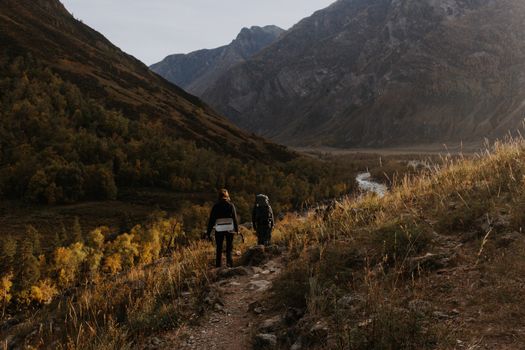
I stepped off the train and was immediately hit by the crisp, pine-scented air. The distant murmur of a river mingled with the chirping of unseen birds. Sunlight dappled through ancient trees, painting shifting patterns on the forest floor. This wasn't just a walk; it felt like stepping into a vibrant, living postcard that, just a few years ago, felt like a well-kept secret whispered amongst seasoned adventurers. Now? My inbox is flooded with clients asking about exactly this kind of experience. Travel advisors, once focused on city breaks and all-inclusive resorts, are now championing the transformative power of the great outdoors. It’s no longer just for the hardcore survivalists or the ultra-fit; it’s for everyone seeking genuine connection, rejuvenation, and a healthy dose of awe.
1. The Rise of the Elevated Hike: Beyond the Trailhead
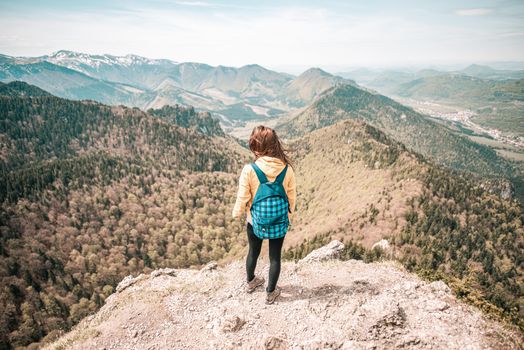
Remember when "hiking" conjured images of muddy boots and questionable snacks? Those days are so over. Today's mainstream outdoor experience is about curated, accessible, and utterly breathtaking treks. We’re talking about guided explorations of national parks, multi-day treks with surprisingly comfortable accommodations, and even "glamping" experiences that put you right on the doorstep of incredible natural beauty.
Hiking in Patagonia: A South American Symphony
Patagonia, with its jagged peaks and vast glaciers, has long been a siren call for serious trekkers. But now, thanks to well-established routes and a burgeoning infrastructure of eco-lodges and guided tours, it’s become a top recommendation for those who want to see it all without the logistical nightmares.
Pro-Tip: For the iconic Fitz Roy trek near El Chaltén, aim for the early morning departure. The sunrise painting the granite spires is an experience that will redefine your concept of "golden hour." Pack layers; the Patagonian wind is no joke!
Quick Facts: Fitz Roy Trek (El Chaltén, Argentina)
- Estimated Costs ($): $50-$150/day (for guided tours, accommodation, food)
- Best Time to Visit: October to April (Southern Hemisphere spring/summer)
- How to Get There: Fly into El Calafate (FTE), then take a 3-hour bus to El Chaltén.
Insider Scoop: Don't just stick to the most famous trails. Ask your guide about the lesser-known Laguna de los Tres viewpoint access points; they often offer a more intimate encounter with the landscape. The mate tea offered by local guides is an absolute must-try for a taste of authentic Patagonian hospitality.
2. Kayaking & Paddleboarding: Gliding Through Serenity
The gentle lapping of water against a kayak, the quiet glide of a paddleboard across a glassy surface – these are the sounds and sensations of pure tranquility that travel advisors are now weaving into their itineraries. From leisurely paddles through ancient mangrove forests to more exhilarating excursions along dramatic coastlines, water-based adventures are booming.
The Halong Bay Odyssey: Emerald Waters and Limestone Karsts
Vietnam's Halong Bay is a UNESCO World Heritage site that has transitioned from a backpacker's dream to a luxury escape. Overnight cruises now offer an unparalleled way to experience the thousands of limestone karsts jutting out of the emerald waters. Kayaking through hidden lagoons and exploring sea caves is an integral part of the experience.
Pro-Tip: Book an overnight cruise on a smaller, more intimate junk boat. These often have more flexibility to explore less-crowded areas and offer a more authentic, less rushed experience. Ask if they include a cooking class on board; learning to make fresh spring rolls with a bay view is divine.
Quick Facts: Halong Bay Overnight Cruise (Vietnam)
- Estimated Costs ($): $100-$300/night (all-inclusive, depending on boat luxury)
- Best Time to Visit: March to May or September to November (pleasant weather)
- How to Get There: Fly into Hanoi (HAN), then arrange a shuttle or private transfer (approx. 2.5-3 hours) to Halong City.
Authenticity Check: The aroma of freshly grilled seafood wafting from the galley, the sound of the boat’s engine humming softly as you drift through the mist – these are the sensory details that make Halong Bay unforgettable. Look for cruises that offer visits to local floating villages.
3. Glamping: The Luxury of Nature Without the Roughness
"Glamping" – glamorous camping – has exploded in popularity. It’s the perfect blend of immersing yourself in nature while enjoying the comforts of a boutique hotel. Think spacious canvas tents with real beds, private bathrooms, and gourmet meals served under the stars.
The Serengeti Safari: Sleeping Under a Million Stars
The Serengeti in Tanzania is synonymous with wildlife. While traditional safari lodges have always been a draw, glamping tents offer an even more visceral connection to the wilderness. Waking up to the distant roar of a lion or the trumpeting of an elephant from the comfort of your plush bed is an experience that was once reserved for the truly intrepid.
Pro-Tip: Choose a glamping site that is strategically located for optimal game viewing, but also offers a sense of seclusion. Many offer guided night drives, which are phenomenal for spotting nocturnal animals you wouldn't see during the day. The taste of a perfectly grilled steak cooked over an open fire, accompanied by the sounds of the savanna, is pure magic.
Quick Facts: Serengeti Glamping (Tanzania)
- Estimated Costs ($): $300-$800+/night (all-inclusive, depending on luxury level and season)
- Best Time to Visit: June to October (dry season, best for wildlife viewing) and January to February (calving season)
- How to Get There: Fly into Kilimanjaro International Airport (JRO) or Arusha Airport (ARK), then take a bush plane to a local airstrip within the Serengeti.
Insider Tip: Engage with the Maasai guides. Their knowledge of the land, the wildlife, and the local culture is invaluable. Ask about their traditional stories and their connection to the "endless plains."
4. Wellness Retreats in Natural Settings: Reconnect and Recharge
The desire to disconnect from digital overload and reconnect with ourselves and the natural world has fueled the rise of wellness retreats in stunning outdoor locations. Yoga amidst ancient redwoods, meditation by a tranquil lake, or silent retreats in remote mountain ranges are now mainstream offerings.
The Costa Rican Rainforest: Yoga and Canopy Adventures
Costa Rica, with its "Pura Vida" ethos, has become a global hub for wellness tourism. Imagine practicing yoga on a deck overlooking a lush rainforest, the air thick with the scent of exotic flowers and damp earth. Many retreats combine mindfulness practices with activities like zip-lining through the canopy or exploring volcanic hot springs.
Pro-Tip: Look for retreats that emphasize local, organic cuisine. The flavors of fresh tropical fruits and locally sourced vegetables are a testament to the country's bounty. Don't miss the opportunity to learn about medicinal plants from local guides.
Quick Facts: Costa Rican Rainforest Wellness Retreat
- Estimated Costs ($): $200-$500/day (all-inclusive, depending on retreat focus and luxury)
- Best Time to Visit: December to April (dry season) or June to August (green season, lush and less crowded)
- How to Get There: Fly into Juan Santamaría International Airport (SJO) near San José, then arrange a shuttle or private transfer to your chosen retreat location.
Sensory Detail: The symphony of howler monkeys at dawn, the humid embrace of the rainforest air, the vibrant green of a thousand different leaves – these are the elements that create a truly immersive wellness experience.
5. Scenic Cycling Routes: Pedaling Through Painted Landscapes
Once the domain of dedicated cyclists, scenic cycling tours are now a popular way for travelers of all levels to explore breathtaking landscapes at their own pace. From gentle rides through rolling vineyards to more challenging routes along coastal cliffs, cycling offers a unique perspective.
The Loire Valley, France: Chateaux and Vineyards by Bike
The Loire Valley is a cyclist's paradise. Imagine pedaling along quiet country lanes, passing by magnificent chateaux, stopping to sample exquisite wines and cheeses. Many tour operators offer self-guided or fully guided cycling trips with luggage transport, making it incredibly accessible.
Pro-Tip: Rent a high-quality hybrid or e-bike if you're not an experienced cyclist. The gentle inclines can still be a workout, and an e-bike allows you to cover more ground and enjoy the scenery without exhaustion. Seek out the smaller, family-run wineries for a more personal tasting experience.
Quick Facts: Loire Valley Cycling Tour (France)
- Estimated Costs ($): $150-$400/day (depending on bike rental, accommodation, and guided services)
- Best Time to Visit: April to October (spring and autumn offer pleasant temperatures and fewer crowds)
- How to Get There: Fly into Paris (CDG or ORY), then take a high-speed train (TGV) to cities like Tours or Angers.
Local Flavor: The aroma of freshly baked baguettes from a village boulangerie, the clinking of glasses during a wine tasting at a historic domaine, the sight of cyclists waving as you pass – these are the simple pleasures that make this trip unforgettable.
6. Stargazing Expeditions: Witnessing the Cosmos
With an increasing awareness of light pollution and the desire for awe-inspiring experiences, dedicated stargazing trips and observatories are becoming a mainstream travel recommendation. Imagine escaping to remote deserts or mountain tops to witness the Milky Way in all its glory.
Atacama Desert, Chile: A Celestial Playground
The Atacama Desert boasts some of the clearest skies on Earth, making it an unparalleled destination for stargazing. Numerous observatories offer guided tours, and many lodges have their own telescopes and expert guides to help you navigate the cosmos.
Pro-Tip: Visit during the new moon phase for the darkest skies. Many tours offer astrophotography workshops, allowing you to capture stunning images of the night sky. The silence of the desert night, broken only by the clicks of a camera and the hushed awe of your companions, is profoundly moving.
Quick Facts: Atacama Desert Stargazing (Chile)
- Estimated Costs ($): $100-$300/day (for tours, accommodation, and food)
- Best Time to Visit: Year-round, but May to October offers particularly clear skies.
- How to Get There: Fly into Santiago (SCL), then take a domestic flight to Calama (CJC). From Calama, take a shuttle or private transfer to San Pedro de Atacama.
Insider Insight: Beyond the telescopes, take time to simply lie back and observe the sheer density of stars. The feeling of insignificance and connection simultaneously is a powerful reminder of our place in the universe.
The shift towards outdoor experiences is more than a trend; it's a reawakening. Travel advisors are now guiding us toward adventures that nourish the soul, invigorate the body, and leave us with memories that truly matter. So, step outside your comfort zone, breathe in that fresh air, and discover the wild heart of travel.
More pictures


Tags
Share this guide
We may earn a commission if you click a link and buy a product or service, at no extra cost to you. How affiliate links work.
Been there?