
Forget the predictable! We're diving deep into the outdoor experiences that are blowing up *right now*. From waking up in a luxury tent under the stars to navigating mountain trails like a seasoned pro, this is your ultimate guide to joining the movement. Get ready for insider secrets, budget breakdowns, and the 'how-to' for your next epic escape.
The scent of pine needles, damp earth, and a hint of woodsmoke – it hit me the moment I stepped off the rickety local bus. My boots crunched on gravel, the distant murmur of a waterfall a siren song. This wasn't just a hike; it was an immersion. And this feeling, this raw connection to the wild, is what’s driving the seismic shift in how we travel today. Outdoor experiences are no longer niche; they've gone gloriously, undeniably mainstream.
For years, I chased the beaten path, seeking out the "must-sees." But lately, something profound has changed. The world is rediscovering the simple, exhilarating joy of being outside. It's a rebellion against screens, a yearning for authenticity, and a collective awakening to the restorative power of nature. Here are the outdoor experiences that are no longer whispers in the wilderness but roaring trends, and how you can still snag an authentic slice of the action.
1. Glamping: Wilderness Without the Rough Edges
Remember "camping" used to mean wrestling with tent poles in a downpour and sleeping on rocks? Those days are rapidly fading into the rearview mirror. Glamping, the glamorous evolution of camping, has exploded. It’s about waking up in a beautifully appointed tent, a yurt, or even a treehouse, with a real bed, often a private bathroom, and stunning views – all without sacrificing the connection to nature.
The Appeal: Comfort Meets Wilderness
The magic of glamping lies in its oxymoronic brilliance. You’re miles from civilization, surrounded by the sounds of crickets and rustling leaves, yet you have access to plush linens and artisanal coffee. It’s the perfect gateway for those who crave the outdoors but aren’t quite ready for bug spray and dehydrated meals.
Pro-Tips for the Savvy Glampers:
- Book Way Ahead: Popular glamping sites, especially unique ones (think geodesic domes or converted Airstreams), get booked up months in advance.
- Check Amenities Carefully: "Luxury" means different things to different people. Look for details like private fire pits, en-suite bathrooms, and included breakfast.
- Consider Location: Do you want to be near a national park, a wine region, or a secluded lake? Proximity to activities is key.
- Look for Eco-Conscious Options: Many glamping sites are deeply committed to sustainability. Seek them out!
Quick Facts: Glamping
| Feature | Estimated Cost ($) | Best Time to Visit | How to Get There | | :------------- | :----------------- | :----------------- | :--------------------------------------------------- | | Luxury Tent| $200 - $600/night | Spring, Summer, Fall | Drive (most common), shuttle from nearest town | | Yurt/Dome | $150 - $400/night | Spring, Summer, Fall | Drive, sometimes requires short hike in | | Treehouse | $250 - $800/night | Summer, Fall | Drive, often involves private road access |
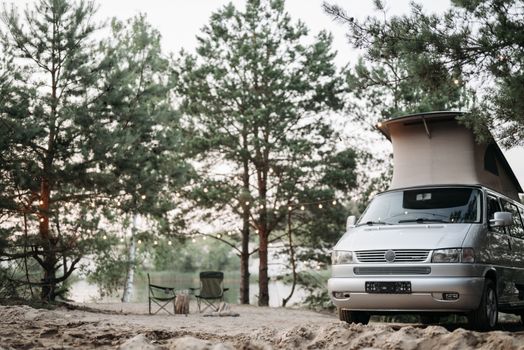
2. Van Life & Overlanding: The Ultimate Freedom Machine
The romanticized image of a converted van, cruising down scenic byways with a dog in the passenger seat, has captivated millions. Van life isn't just a travel trend; it's a lifestyle. Overlanding, its more rugged cousin, involves self-sufficient travel to remote destinations in a 4x4 vehicle equipped for extended journeys.
The Appeal: Unplugged Adventure and Mobility
It’s the ultimate expression of freedom. The ability to wake up to a different vista every day, to follow the sun, and to truly escape the confines of conventional lodging is incredibly alluring. It’s about embracing simplicity, self-reliance, and the open road.
Pro-Tips for Aspiring Van Lifers:
- Start Small: Rent a converted van for a week before committing to a purchase.
- Master the Build: If you're converting your own van, research extensively. Insulation, electrical systems, and ventilation are crucial.
- Embrace the Community: The van life community is huge and supportive online. Learn from others' experiences.
- Stealth Camping is Key (but responsible!): Understand local regulations about where you can park and sleep. "Leave No Trace" is paramount.
- Budget for Maintenance: These vehicles work hard. Factor in regular servicing.
Quick Facts: Van Life/Overlanding
| Feature | Estimated Cost ($) | Best Time to Visit | How to Get There | | :--------------- | :----------------- | :----------------- | :-------------------------------------------------- | | Van Rental | $70 - $200/day | Year-round | Pick up from rental agencies, varies by location | | Van Conversion| $5,000 - $50,000+ | Year-round | DIY or professional conversion | | Overlanding Rig| $20,000 - $100,000+ | Year-round | Purchase and outfit 4x4 vehicle |
3. Wild Swimming: Reclaiming the Natural Pool
Dipping into a crystal-clear lake, a secluded cove, or a rushing river used to be the domain of hardy locals. Now, wild swimming is surging in popularity, fueled by its mental health benefits, its accessibility, and the sheer, unadulterated joy of a natural plunge. It’s about connecting with water in its purest form.
The Appeal: Invigorating, Therapeutic, and Free
The feeling of cold water hitting your skin is an instant reset. It’s a full-body wake-up call that clears the mind and invigorates the spirit. Plus, it’s often completely free and offers a unique perspective on the landscape.
Pro-Tips for the Brave Swimmers:
- Know Your Spot: Research safe entry and exit points. Avoid strong currents or deep, unknown waters.
- Go with a Buddy: Safety in numbers is always a good idea.
- Wear a Bright Swim Cap: Increases visibility to boaters and other water users.
- Bring a Towel (and Warm Clothes): You'll want to warm up quickly afterward.
- Understand the Water Temperature: Acclimatize gradually if the water is very cold.
- Check Water Quality: Especially if swimming in rivers or lakes downstream from urban areas.
Quick Facts: Wild Swimming
| Feature | Estimated Cost ($) | Best Time to Visit | How to Get There | | :------------- | :----------------- | :----------------- | :-------------------------------------------------------- | | Lake/River | Free | Summer, Late Spring| Drive to access points, hike in to secluded spots | | Coastal Cove| Free | Summer, Early Fall | Drive to coastal towns, often requires coastal path walk |
4. Stargazing & Dark Sky Tourism: Chasing the Celestial Show
With light pollution obscuring our view of the cosmos in most urban areas, people are actively seeking out places with truly dark skies. Dark Sky Reserves and Parks are becoming destinations in themselves, offering unparalleled opportunities to witness the Milky Way, meteor showers, and a universe of stars.
The Appeal: Awe-Inspiring Cosmic Perspective
There’s something profoundly humbling and awe-inspiring about looking up at a sky ablaze with stars. It’s a reminder of our place in the universe and a chance to disconnect from the terrestrial world. The sheer scale and beauty are breathtaking.
Pro-Tips for Star Gazers:
- Check the Moon Phase: A new moon offers the darkest skies.
- Download Star Chart Apps: Apps like SkyView or Star Walk can help you identify constellations and planets.
- Allow Your Eyes to Adjust: It takes about 20-30 minutes for your eyes to fully adapt to the dark. Avoid bright lights.
- Bring a Red-Light Headlamp: Red light preserves night vision better than white light.
- Consider a Guided Tour: Many observatories and parks offer guided stargazing programs.
Quick Facts: Stargazing
| Feature | Estimated Cost ($) | Best Time to Visit | How to Get There | | :--------------- | :----------------- | :----------------- | :------------------------------------------------------------ | | Dark Sky Park| Free - $20/entry | Year-round (clear nights) | Drive to designated parks, some require park entrance fee | | Observatory | $10 - $50/person | Year-round | Drive to observatory locations, book tours in advance | | Remote Camping| $20 - $50/night | Year-round (clear nights) | Drive to remote areas, camp responsibly, check regulations |
5. Forest Bathing (Shinrin-yoku) & Outdoor Wellness Retreats: Nature's Therapy
The Japanese practice of Shinrin-yoku, or forest bathing, is gaining traction globally. It’s not about strenuous hiking, but about mindfully immersing oneself in the forest atmosphere, engaging all senses. This has paved the way for a boom in dedicated outdoor wellness retreats, combining yoga, meditation, and nature therapy.
The Appeal: Stress Relief and Rejuvenation
In our hyper-connected world, the need to de-stress and reconnect with ourselves is paramount. Forest bathing and nature-based wellness offer a gentle yet powerful way to calm the nervous system, boost mood, and foster a sense of inner peace.
Pro-Tips for Forest Bathing:
- Find a Quiet Spot: Seek out less-trafficked trails or wooded areas.
- Slow Down: Walk at a snail’s pace. Notice the details.
- Engage Your Senses: What do you see, hear, smell, feel? Breathe deeply.
- Disconnect: Leave your phone on airplane mode, or better yet, leave it behind.
- Be Present: Let go of worries and simply be in the moment.
Quick Facts: Forest Bathing/Wellness Retreats
| Feature | Estimated Cost ($) | Best Time to Visit | How to Get There | | :------------- | :----------------- | :----------------- | :------------------------------------------------------------ | | Forest Bathing| Free | Spring, Summer, Fall | Drive to local parks or nature reserves, walk into the woods | | Wellness Retreat| $300 - $1500+/weekend | Spring, Summer, Fall | Drive or fly to retreat centers, often in rural/natural settings |
6. Foraging & Wild Food Experiences: Taste the Wild
From guided mushroom hunts to learning about edible plants on a coastal walk, foraging is becoming a popular way to connect with nature and source unique ingredients. It’s about understanding the ecosystem and appreciating the bounty it offers.
The Appeal: Unique Flavors and Deeper Connection
There’s an unparalleled satisfaction in tasting something you’ve ethically and sustainably gathered yourself. It offers a profound connection to the land and a deeper understanding of local biodiversity. Plus, the flavors are often incredible.
Pro-Tips for Aspiring Foragers:
- NEVER Eat Anything You Aren't 100% Sure Of: This is non-negotiable. Misidentification can be deadly.
- Take a Guided Tour: The safest and most educational way to start. Learn from experts.
- Invest in Field Guides: Get reputable, local guides for plants and fungi.
- Understand Regulations: Know what you can and cannot forage in your area, and any protected species.
- Practice Leave No Trace: Only take what you need and ensure the ecosystem is not harmed.
Quick Facts: Foraging
| Feature | Estimated Cost ($) | Best Time to Visit | How to Get There | | :---------------- | :----------------- | :----------------- | :------------------------------------------------------ | | Guided Tour | $50 - $200/person | Varies by season | Drive to meeting points, often in local forests/fields | | Self-Guided | Free (with book) | Varies by season | Drive to accessible natural areas |
7. Adventure Travel with a Purpose: Eco-Tourism & Conservation Trips
It’s not just about seeing the world anymore; it’s about making a positive impact. Eco-tourism and conservation-focused trips are booming. Travelers are seeking experiences that directly contribute to the preservation of natural environments and support local communities.
The Appeal: Meaningful Travel and Lasting Impact
This is travel with a conscience. It’s about leaving a place better than you found it, contributing to vital conservation efforts, and experiencing destinations through the lens of sustainability and respect.
Pro-Tips for Purposeful Travelers:
- Research Operators Thoroughly: Look for certifications and a genuine commitment to sustainability and community engagement.
- Understand the "Eco" Claim: Be wary of greenwashing. Look for tangible actions and transparent practices.
- Be a Responsible Tourist: Minimize your footprint, respect local customs, and engage respectfully.
- Support Local Businesses: Choose locally owned accommodations, guides, and restaurants.
- Educate Yourself: Learn about the conservation challenges and cultural nuances of your destination before you go.
Quick Facts: Eco-Tourism/Conservation Trips
| Feature | Estimated Cost ($) | Best Time to Visit | How to Get There | | :---------------- | :----------------- | :----------------- | :---------------------------------------------------------------------------- | | Wildlife Safari| $500 - $5000+/week | Varies by region | Fly to gateway cities, then local transport (4x4s, boats) | | Volunteering Trip| $500 - $3000+/week | Varies by project | Fly to destination, local transport provided by organization | | Community Homestay| $50 - $200/night | Varies by region | Fly to gateway cities, often involves local bus/boat travel to reach village |
The world is calling, and it’s time to answer. These mainstream outdoor experiences offer a chance to reconnect, rejuvenate, and rediscover the awe-inspiring beauty of our planet. So, grab your boots, pack your sense of adventure, and step into the wild – it’s more accessible and more rewarding than ever before.
More pictures

Tags
Share this guide
We may earn a commission if you click a link and buy a product or service, at no extra cost to you. How affiliate links work.
Been there?