
Forget grape stomping—the real culinary insider trip of the decade is the autumn olive harvest. According to recent agritourism data, hands-on olive harvesting experiences have seen a 34% surge in bookings over the last two years. Travelers are trading crowded summer beaches for crisp autumn mornings in Mediterranean groves, learning the ancient art of shaking, gathering, and cold-pressing liquid gold. This definitive guide breaks down the five world-class estates in Italy, Spain, Croatia, Greece, and Portugal where you can roll up your sleeves, work alongside master millers, and take home a bottle of ultra-fresh, peppery *olio nuovo* that you harvested with your own hands. ---
The Hook: A Morning in the Groves of Fiesole
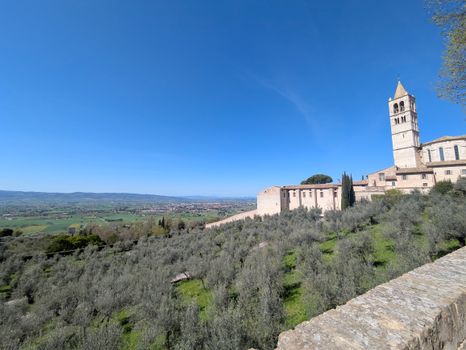
I stepped off the regional train at Chiusi-Chianciano Terme and immediately smelled the woodsmoke drifting from the Tuscan hills. It was 6:30 AM, the air was a crisp 8°C (46°F), and the grass beneath my boots was slick with heavy autumn dew. Within an hour, I was standing on a steep hillside in Fiesole, holding a wooden rake (rastrello) and looking up at a canopy of silver-green Frantoio olive trees.
When you strike an olive branch with a rake, there is a distinct, satisfying thwack-thwack-thwack followed by a green rain of fruit hitting the heavy orange nets spread across the clay earth. The scent that rises from crushed olive leaves is intoxicating—sharp, herbaceous, smelling of cut grass, green tomato stems, and wet stone. By noon, my hands were stained a dark, resinous purple, my shoulders ached in the best way possible, and I was drinking a glass of robust Chianti Classico while watching neon-green, unfiltered oil stream out of a modern stainless-steel centrifuge.
This isn't a passive vacation. It is a sensory immersion into a seasonal ritual that has shaped Mediterranean civilization for five thousand years. If you want to understand food at its absolute source, you need to experience the harvest.
---
1. The New Wave of Agritourism: Why Olive Harvesting is the New Wine Tasting
For decades, wine tourism dominated the autumn travel calendar. However, recent booking data from global culinary tourism boards reveals a major shift. Sophisticated travelers are seeking out olive harvest experiences. Unlike wine tastings—which are largely passive viewing and drinking sessions—olive harvesting is highly participatory.
``` Agritourism Trend Shift (2021 vs. 2024) [Wine Tastings (Passive)] ██████████████░░░░░ (-12% growth) [Olive Harvests (Active)] ███████████████████ (+34% growth) ```
This rise is driven by a growing appreciation for high-polyphenol, extra virgin olive oil (EVOO) and a desire for slow, sustainable travel. When you participate in a harvest, you aren't just a tourist; you are temporary agricultural labor, contributing to a hyper-local food system. You learn to identify the peppery kick of oleocanthal (the antioxidant that causes a healthy burn in the back of your throat) and understand why mass-market supermarket oil tastes flat compared to estate-bottled liquid gold.
---
2. Podere Il Casale (Pienza, Tuscany, Italy)
The Vibe: Organic Rustic Perfection in the Val d'Orcia
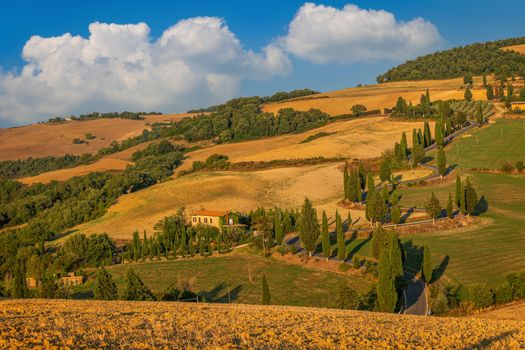
Located on a high ridge overlooking the UNESCO-protected Val d'Orcia, Podere Il Casale is an active organic farm run by Sandra and Ulisse, Swiss expats who moved to Tuscany three decades ago. The estate is famous for its raw milk pecorino cheese, but their small-batch olive harvest is the crown jewel of their autumn calendar.
The Experience
The harvest here is intimate and traditional. You will work alongside the farm team, using manual hand-rakes to pull Frantoio, Leccino, and Moraiolo olives from trees planted on steep, clay-rich slopes. The farm utilizes a mixture of traditional hand-harvesting and modern net collection to ensure the fruit is undamaged.
After a morning of labor, you load the crates into the tractor and head to a nearby local cooperative mill (frantoio). Here, you watch your olives undergo defoliation, washing, and cold extraction. The day ends with a communal feast in the farm's stone dining room: thick slices of grilled sourdough rubbed with raw garlic cloves, heavily drizzled with the warm, neon-green oil you harvested hours earlier.
- Pro-Tip: Wear high-traction, waterproof hiking boots. The clay soil of the Val d'Orcia (calanchi) becomes incredibly slick when wet, and you will be working on sloped terrain.
- The Taste Profile: Intensely grassy, with notes of artichoke, green tomato, and a fiery, peppery finish that makes you cough—the ultimate sign of freshness.
---
3. Finca La Torre (Antequera, Andalusia, Spain)
The Vibe: Biodynamic Innovation on a Grand Scale
Andalusia is the undisputed powerhouse of global olive oil production, and Jaén and Málaga are its epicenters. Finca La Torre, located just outside the historic town of Antequera, is a pioneer in biodynamic agriculture. Surrounded by Roman ruins and 100-year-old trees, this estate produces some of the most decorated extra virgin olive oils in the world.
The Experience
Finca La Torre offers a highly educational, technical harvest experience. Led by estate director Borja Adrian, you will learn the precise science of harvest timing. You will participate in the early harvest (usually in mid-October), when the olives are still green and packed with maximum antioxidants.
You will use modern mechanical harvesters—vibrating poles that gently shake the branches—alongside traditional hand-picking for delicate varietals like Hojiblanca and Picudo. The estate's state-of-the-art mill is located steps from the groves, ensuring that the time between picking and pressing is less than two hours.
- Pro-Tip: The hidden entrance to the historic tasting room is located behind the large white whitewashed archway on the northern side of the main estate building. Don't miss the Roman-era stone press preserved in the courtyard.
- The Taste Profile: Complex and aromatic, featuring notes of fresh-cut grass, green apple, banana peel, and a perfectly balanced bitter-spicy finish.
---
4. Ipša (Gradinje, Istria, Croatia)
The Vibe: Dramatic Terraces and Truffle Country
Istria has quietly secured its spot as one of the world's premier olive oil regions, consistently winning top honors in the Flos Olei guide (the olive oil bible). The Ipša family was one of the first in Istria to begin modern, high-quality, single-varietal oil production. Their terraced groves cling to the steep slopes below the medieval hilltop town of Oprtalj.
The Experience
Harvesting at Ipša is a breathtaking experience. The groves are terraced on steep hillsides overlooking the Mirna River valley, often shrouded in dramatic autumn morning fog. You will harvest native Istrian varieties like Istarska Bjelica and Buža.
Because of the steep terrain, the harvest here is almost entirely manual. After a morning of harvesting, the Ipša family hosts guests in their stone tavern for a tasting experience that pairs their freshly pressed oils with local Istrian black and white truffles, wild game, and aged Malvazija wine.
- Pro-Tip: Book your harvest experience for late October to coincide with the peak of the white truffle season in the nearby Motovun Forest. You can hunt truffles in the morning and harvest olives in the afternoon.
- The Taste Profile: Robust and wild, with distinct notes of green almond, wild chicory, and aromatic herbs.
---
5. Melas Olive Oil (Epidaurus, Peloponnese, Greece)
The Vibe: Ancient Groves by the Aegean Sea
Located in the Argolis region of the Peloponnese, close to the ancient Sanctuary of Asklepios at Epidaurus, the Melas estate is surrounded by thousands of years of history. The Melas family has modernized their production while maintaining a deep respect for the ancient land, producing organic EVOO from the prized, tiny Koroneiki olive.
The Experience
The harvest at Melas begins at 7:30 AM to beat the midday Mediterranean sun. You will work in groves where the soil is a mix of volcanic stone and red clay, imparting a unique minerality to the oil. The Koroneiki olives are small and dense, requiring precision harvesting with light pneumatic combs.
The estate features a beautiful, visitor-friendly mill where you can follow the entire process through glass viewing platforms. The experience includes an olive oil sensory masterclass where you learn how to professionally blue-glass taste oil, identifying defects versus positive attributes.
- Pro-Tip: Avoid visiting during the midday heat. The harvest starts early, and the best light for photography in the silver groves is between 8:00 AM and 10:00 AM when the sea breeze carries the scent of wild thyme up from the coast.
- The Taste Profile: Delicate yet complex, with aromas of green herbs, fresh herbs, a buttery mouthfeel, and a mild, peppery throat catch.
---
6. Herdade do Esporão (Reguengos de Monsaraz, Alentejo, Portugal)
The Vibe: Modernist Architecture and Vast Golden Plains
Alentejo is Portugal’s agricultural heartland, characterized by vast plains, cork oak forests, and ancient olive trees. Herdade do Esporão is a historic estate known globally for its wine, but its commitment to organic olive oil production is world-class. Their modernist, eco-friendly olive mill is a masterpiece of industrial design.
The Experience
Esporão offers a highly structured, immersive harvest program. You will explore their historic grove, Olival dos Arrifes, which contains ancient Galega and Cobrançosa olive trees. You will participate in manual harvesting, learn about biodynamic soil management, and visit the state-of-the-art mill designed to minimize water and energy use.
The harvest day concludes at their Michelin-starred estate restaurant, where the chef designs a seasonal menu centered entirely around the estate’s freshly pressed monovarietal oils.
- Pro-Tip: Take the train from Lisbon to Évora, then pre-arrange a local taxi to the estate. Rideshare apps like Uber do not operate reliably in the deep Alentejo countryside.
- The Taste Profile: Extremely balanced, with sweet notes of green tomato, apple, and a soft, walnut-like finish with a gentle spice.
---
The Budget & Logistics: Planning Your Harvest Trip
Olive harvesting is highly seasonal, occurring between early October and late November in the Northern Hemisphere. Because this is a working agricultural window, booking in advance is mandatory.
| Estate | Location | Best Time to Visit | Est. Cost (Experience & Lunch) | How to Get There | | :--- | :--- | :--- | :--- | :--- | | Podere Il Casale | Pienza, Tuscany, Italy | Mid-October to Mid-November | €120 - €180 per person | Fly to Florence; rent a car; drive 1.5 hours south via the SR2. | | Finca La Torre | Antequera, Spain | Mid-October to Early November | €95 - €150 per person | Fly to Málaga; take the high-speed AVE train to Antequera (25 mins). | | Ipša | Gradinje, Istria, Croatia | Late October to Mid-November | €110 - €160 per person | Fly to Pula or Venice; rent a car and drive to the Mirna River Valley. | | Melas Olive Oil | Epidaurus, Greece | Late October to Late November | €80 - €130 per person | Fly to Athens; drive 2 hours southwest via the Olympia Odos/A8. | | Herdade do Esporão| Alentejo, Portugal | Mid-October to Late November | €130 - €210 per person | Fly to Lisbon; take the train to Évora; 35-minute taxi to the estate. |
---
5 Rules for Tasting Olive Oil Like an Expert
To get the most out of your harvest experience, you need to throw out the bread. Professional tasters never use bread; it masks the oil's true flavor profile. Instead, follow these steps:
- Pour and Warm: Pour about a tablespoon of oil into a small blue glass (or a small wine glass). Cup the glass in one hand and cover the top with your other hand for 60 seconds to warm the oil to body temperature, releasing the volatile aromas.
- Inhale Deeply: Remove your hand and immediately bring the glass to your nose. Take a deep, slow breath. Look for notes of fresh-cut grass, green tomato, artichoke, or herbs.
- The Slurp (Strippaggio): Take a small sip of the oil. Do not swallow it yet. Press your tongue against the roof of your mouth and draw in air through your teeth with a sharp, sucking sound. This aerates the oil across your entire palate.
- Analyze the Palate: Note the bitterness on the sides of your tongue. Bitterness is a positive attribute in high-quality olive oil, indicating the presence of healthy antioxidants.
- Swallow and Feel the Burn: Swallow the oil. Pay attention to the throat. A high-quality, early-harvest oil will produce a distinct tickle or a sharp burn in the back of your throat. This is the oleocanthal at work. One cough is good; two or three coughs mean you are tasting liquid gold.
---
More pictures
Tags
Share this guide
We may earn a commission if you click a link and buy a product or service, at no extra cost to you. How affiliate links work.
Been there?