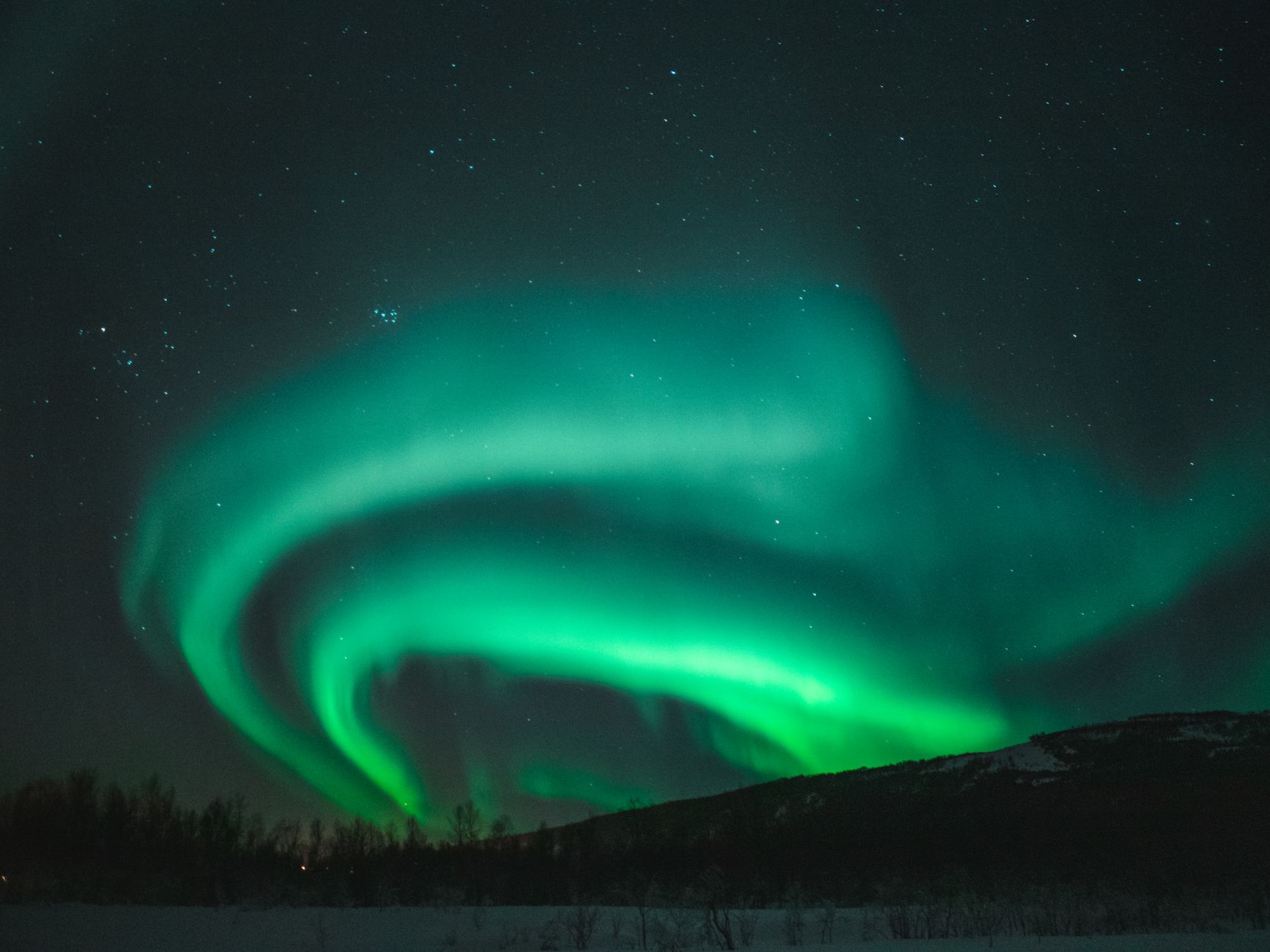
Imagine the sky ablaze with emerald green and violet, dancing above a snow-covered landscape – the Northern Lights are a spectacle beyond words. But where do you go for that truly magical, locals-approved experience? Join me as we uncover the hidden gems and prime locations that seasoned Arctic residents recommend for an aurora chase of a lifetime. --- ##
The Sky's Secret Dance: Why Every Traveler Needs to See the Northern Lights
The first time I saw the Northern Lights, it wasn't a slow, gentle reveal. It was a sudden, violent burst of emerald green that painted the entire sky above me, twisting and swirling like a cosmic ribbon dance. I was standing on a frozen lake in Finnish Lapland, the air so cold it burned my nostrils, yet I felt nothing but pure, unadulterated awe. My breath hitched, a gasp caught in my throat, and for a fleeting moment, the world stood still. It wasn't just a light show; it was an emotional, almost spiritual experience that reset my perception of beauty.
Since that transformative night, I’ve been utterly captivated by the Aurora Borealis, chasing her elusive dance across the Arctic Circle. And in my pursuit, I’ve learned one undeniable truth: locals know best. While popular tourist spots are well-documented, it's the whispered advice from a Sami reindeer herder, the seasoned insight of a Norwegian fishing guide, or the knowing nod from an Icelandic guesthouse owner that truly unlocks the most breathtaking, unobstructed, and often secluded Northern Lights viewing experiences.
Forget the crowded tour buses and generic viewpoints. This isn't just about seeing the lights; it's about experiencing them in their purest, most profound form. I've compiled my top list of Northern Lights viewing spots, infused with local wisdom and personal anecdotes, that I genuinely believe you need to experience before you – well, you know. These are the places that will etch themselves into your memory, making you feel like you've touched the very fabric of the cosmos.
1. Abisko National Park, Sweden: The Legendary Blue Hole
If there’s one place that consistently comes up in conversations with aurora hunters, it’s Abisko. Nestled in Swedish Lapland, about 250 km north of the Arctic Circle, Abisko National Park is renowned globally for its "blue hole" – a unique microclimate that often keeps the sky above the park clear, even when surrounding areas are cloudy. This phenomenon makes it one of the most reliable places on Earth to witness the Aurora.
My Abisko Story: I remember a crisp January night in Abisko. The forecast was iffy, with scattered clouds, but our local guide, a seasoned Sami man named Lars, just winked and said, "The Blue Hole will deliver." We drove a short distance from the STF Abisko Mountain Station, parked by a frozen river, and waited. True to his word, a patch of sky directly overhead remained perfectly clear. Within minutes, a faint glow appeared, intensifying into vibrant greens that pulsed and stretched across the inky blackness. It felt like we had our own private window to the universe. Lars shared stories of his ancestors watching the same lights, linking us to centuries of Arctic wonder.
Local Wisdom & Practical Tips:
- The Aurora Sky Station: Perched atop Mount Nuolja, accessible by chairlift, this station offers a spectacular vantage point, minimal light pollution, and even a restaurant. Locals often recommend hiking up (in summer/autumn) or taking the chairlift (winter) for an unparalleled view.
- Frozen Lake Torneträsk: The vast, frozen surface of this lake provides an expansive, unobstructed view of the sky. Just ensure you’re with a local guide who knows the safe ice conditions.
- Dog Sledding under the Aurora: Many local operators in Abisko and nearby Kiruna offer overnight dog sledding trips to wilderness camps. Imagine mushing through silent, snow-laden forests, then watching the aurora from a cozy cabin – it's an immersive experience locals cherish.
- Accommodation: STF Abisko Mountain Station is iconic, offering comfortable rooms, cabins, and easy access to trails. Book well in advance!
- Getting There: Fly to Kiruna (KRN), then take a scenic train or bus to Abisko. The train journey itself is stunning.
- Cost Insight: A night at the Sky Station (including chairlift and guide) can range from €90-€150. Multi-day packages combining accommodation and activities will be significantly more but offer better value.
2. Tromsø, Norway: The Gateway to Arctic's Hidden Fjords
Tromsø, often dubbed the "Gateway to the Arctic," is a vibrant city surrounded by majestic fjords and mountains, offering a perfect blend of urban comfort and raw wilderness. While the city itself has some light pollution, locals know that the real magic happens just a short drive away, deeper into the dark, silent fjords.
My Tromsø Story: My guide, a jovial Norwegian named Bjorn, picked me up in a comfortable van. "Tromsø is nice," he said, "but the best lights demand a chase." We drove for what felt like hours, past snow-laden pine forests and dramatic coastline, until we reached a secluded beach on a fjord. The sky was initially cloudy, but Bjorn had an app and a gut feeling. We brewed hot chocolate and waited, huddled by a small fire. Suddenly, a crack appeared in the clouds, and through it, the aurora began to stream, reflecting off the calm fjord waters. It was a mirror image of the heavens, a double delight that left me speechless. Bjorn later told me this spot was a secret, passed down through generations of his family.
Local Wisdom & Practical Tips:
- The Fjords Beyond: Head out of the city! Places like Sommarøy, Ersfjordbotn, or the areas around Malangen Resort offer breathtaking, unobstructed fjord views away from city lights. Many local tours specialize in these "chases."
- Sami Cultural Experiences: Combine your aurora hunt with a visit to a Sami camp for reindeer sledding, feeding, and traditional storytelling around a lavvu (Sami tent). It adds a profound cultural layer to your trip.
- Fjellheisen Cable Car: While still within city limits, the top of Mount Storsteinen (accessed by Fjellheisen) offers a panoramic view over Tromsø and the surrounding landscape, and can be a good spot if the aurora is strong and high.
- Local Tour Operators: Opt for smaller, locally-run aurora chase tours. They often use minivans, know the best secret spots, provide thermal suits, and offer hot drinks/snacks. Look for companies with high local recommendations.
- Accommodation: Tromsø offers a range of hotels. Consider staying slightly outside the city for easier access to dark skies, or book a rural guesthouse or cabin in one of the surrounding fjords.
- Cost Insight: Aurora chase tours typically range from €100-€200 per person, often including thermal gear and refreshments. Sami experiences add to this, but are highly recommended.
3. Jukkasjärvi, Sweden: Ice, Art, and Aurora's Embrace
A stone's throw from Kiruna, Jukkasjärvi is famous for one thing: the original ICEHOTEL. But beyond the stunning ice sculptures and sub-zero suites, Jukkasjärvi and its surroundings offer some incredibly intimate and unique ways to experience the Northern Lights, often with a touch of Arctic luxury or raw wilderness.
My Jukkasjärvi Story: Staying in an art suite at the ICEHOTEL was an adventure in itself. But the true magic happened after midnight. My guide, a jovial Swede who worked at the hotel, led a small group on snowmobiles deep into the forest, away from even the minimal light pollution of Jukkasjärvi village. We stopped at a remote wilderness cabin, warmed by a crackling fire. As we sipped hot lingonberry juice, the sky erupted. The aurora wasn't just green; streaks of pink and purple danced, reflecting off the pristine snow. It felt like we were the only people on Earth, sharing a secret with the cosmos. The contrast of the icy art and the warm aurora was unforgettable.
Local Wisdom & Practical Tips:
- ICEHOTEL Excursions: The ICEHOTEL itself offers a variety of aurora tours, from snowmobile safaris to photography workshops, often led by experienced local guides who know the best dark spots.
- Wilderness Cabins: Many local operators offer excursions to secluded wilderness cabins or even overnight stays in simple, traditional huts. These spots are purposefully chosen for their isolation and lack of light pollution.
- Reindeer Sledding: Similar to Norway, reindeer sledding is a traditional Sami activity. Imagine gliding silently through the snow-covered landscape, guided by reindeer, with the possibility of the aurora dancing above.
- Avoiding Light Pollution: Even though Jukkasjärvi is small, locals emphasize getting away from the hotel and village lights. Ask your guide for their favorite "secret spots" – often just a short drive or snowmobile ride away.
- Accommodation: The ICEHOTEL (both the original and the year-round ICEHOTEL 365) is a must-do experience. There are also warm cabins and guesthouses nearby if an ice room isn't for you.
- Cost Insight: Staying at the ICEHOTEL is a premium experience, with ice rooms starting from €200-€300 per night. Aurora tours from Jukkasjärvi typically range from €100-€250, depending on the activity (snowmobile, photography, etc.).
4. Rovaniemi, Finland: Santa's Backyard, Aurora's Playground
Rovaniemi, the official hometown of Santa Claus, might seem like a bustling tourist hub. But don't let the festive cheer fool you; just beyond the city limits and Santa Claus Village lies vast, untouched wilderness perfect for aurora hunting. Locals here know how to blend the magic of Christmas with the magic of the Arctic sky.
My Rovaniemi Story: One evening, after a day of meeting Santa's elves, I joined a snowmobile safari led by a local Finn, a man who looked like he could be one of Santa's reindeer herders himself. We zoomed through snow-laden forests, the only sound the crunch of our tracks and the hum of the engines. We stopped at a remote, elevated spot near Ounasvaara fell. The air was still, and the trees stood like silent sentinels. As we dismounted, a faint green glow appeared, quickly building into a mesmerizing display that seemed to pulse with the rhythm of the silent forest. It felt like Santa himself had painted the sky for us. My guide just smiled, "This is our Lapland secret."
Local Wisdom & Practical Tips:
- Ounasvaara Fell: Just outside Rovaniemi, Ounasvaara offers elevated viewpoints. Locals recommend venturing a bit further up the fell or finding clearings away from the ski resort lights.
- Arctic Circle Wilderness Resort: A fantastic option for those who want to minimize travel time to dark skies. Located right on the Arctic Circle, it offers cabins and glass igloos, making aurora viewing convenient from your doorstep.
- Frozen Rivers & Lakes: The vast, frozen Kemijoki River and surrounding lakes offer expansive, unobstructed views. Always go with a local guide who knows the safe areas.
- Traditional Finnish Sauna & Aurora: Many local guesthouses and tour operators offer experiences where you can enjoy a traditional Finnish sauna, then step out into the crisp air to watch the aurora. It’s a truly authentic Arctic indulgence.
- Snowmobile or Reindeer Sleigh Safaris: These are popular and effective ways to get away from light pollution quickly. Many local guides know the best forested trails and clearings.
- Accommodation: Rovaniemi has a wide range, from city hotels to glass igloos and wilderness cabins. For aurora focus, consider places slightly outside the city center.
- Cost Insight: Snowmobile aurora safaris generally cost €120-€250. Glass igloo stays can be €300-€600+ per night, but offer a unique, warm aurora viewing experience.
5. Akureyri, Iceland: The North's Untamed Beauty
While most tourists flock to Iceland's south for the Golden Circle, the country's north, centered around the charming town of Akureyri, offers a wilder, less crowded, and equally spectacular aurora experience. The dramatic landscapes of Lake Mývatn, Dimmuborgir, and the surrounding fjords provide an otherworldly backdrop to the celestial ballet.
My Akureyri Story: I rented a 4x4 and ventured east from Akureyri towards Lake Mývatn. A local I met at a small guesthouse outside Akureyri told me, "Forget the crowds; the north has the true magic." She recommended a secluded spot near Dimmuborgir, a field of lava formations. It was late September, the air crisp but not yet freezing. As twilight faded, the sky above the bizarre lava pillars came alive. The aurora wasn't just a faint glow; it was a vibrant, dancing curtain, reflecting in the still waters of a small pond. The ancient, dark lava formations made the green light seem even more intense, a primeval dance of light and shadow. It was a stark, raw beauty that felt uniquely Icelandic.
Local Wisdom & Practical Tips:
- Lake Mývatn Area: This entire region is a gem. The pseudo-craters, lava formations of Dimmuborgir, and Hverir geothermal area create incredible foregrounds for aurora photography. Locals often suggest finding a spot away from the few farm lights, perhaps near the Skútustaðagígar pseudo-craters.
- Godafoss Waterfall: The "Waterfall of the Gods" provides a stunning backdrop. On a clear night, the aurora dancing above the powerful falls is an iconic Icelandic scene.
- Goðafoss or Aldeyjarfoss: These waterfalls are incredible spots. While popular, a local guide can take you to less-frequented viewpoints.
- Farm Stays & Guesthouses: Many local farms in the North offer guesthouse accommodation. They are often in incredibly dark areas and the owners have invaluable knowledge of local conditions and best viewing spots.
- Car Rental: A 4x4 is highly recommended, especially in winter, to explore the remote areas and chase clear skies. Be mindful of road conditions.
- Combining with Hot Springs: Iceland is famous for its geothermal pools. Imagine soaking in the Mývatn Nature Baths or a smaller, secluded hot pot, with the aurora dancing above – an unforgettable sensory experience.
- Cost Insight: Car rental is a significant cost, ranging from €50-€150+ per day depending on the vehicle. Guesthouses are typically €100-€200 per night. Local aurora tours from Akureyri are around €80-€150.
Essential Aurora Chasing Tips from a Pro (and Locals!)
Beyond the locations, there's an art to chasing the Northern Lights. Here are my tried-and-true tips, honed by countless nights under the Arctic sky and countless conversations with the locals who live beneath it:
- Timing is Everything:
- Season: Late September to late March is generally the best. The nights are long and dark.
- Time of Night: The lights can appear anytime it's dark, but often become more active between 10 PM and 2 AM. Patience is key!
- Lunar Cycle: A new moon means darker skies and more visible aurora. Check the lunar calendar before you book.
- Dress Like an Arctic Local:
- Layers, Layers, Layers: This cannot be stressed enough. Thermal base layers, a fleece mid-layer, a warm down jacket, and a waterproof/windproof outer shell.
- Extremities: Thick wool socks, waterproof insulated boots (rated for -20°C or colder), warm mittens (not gloves, they keep fingers warmer), and a balaclava or neck gaiter. Hand and foot warmers are your best friends.
- Avoid Cotton: It absorbs moisture and loses its insulating properties. Opt for wool or synthetics.
- Master Your Camera (or Trust a Pro):
- Tripod: Absolutely essential for stable long exposures.
- Manual Settings: Learn them! ISO (800-3200), Aperture (f/2.8-f/4), Shutter Speed (5-20 seconds).
- Wide-Angle Lens: Captures more of the sky.
- Extra Batteries: Cold drains batteries fast. Keep spares in an inside pocket.
- Headlamp with Red Light: Helps you see without ruining your night vision or others' photos.
- Consider a Photo Tour: If photography isn't your strong suit, many local guides offer tours that include professional aurora photography and will send you stunning images.
- Utilize Technology (But Don't Rely Solely on It):
- Aurora Forecast Apps: "My Aurora Forecast" and "Aurora Forecast" are popular. They give you Kp-index (geomagnetic activity) and cloud cover.
- Weather Apps: Locals swear by specific regional weather apps for accurate cloud forecasts. Ask your guide!
- Webcams: Check local webcams to see current conditions.
- Patience, Flexibility, and a Sense of Adventure:
- Patience: The aurora is fickle. You might wait hours, or it might appear instantly. Don't give up!
- Flexibility: Be ready to change plans based on weather and aurora forecasts. This is where local guides shine – they know where the clear skies are likely to be.
- Enjoy the Dark: Even without the aurora, the starlit Arctic sky is a wonder in itself.
- Book in Advance: Especially for popular spots like Abisko Sky Station, ICEHOTEL, or specific local tours. Peak season (December-March) fills up fast.
Your Arctic Dream Awaits: A Call to the Cosmos
Seeing the Northern Lights is more than just a tick on a bucket list; it's an experience that resonates deep within your soul, a reminder of the universe's breathtaking power and beauty. These local-approved spots aren't just coordinates on a map; they are gateways to profound moments, steeped in Arctic culture and raw, untamed nature.
From the legendary "Blue Hole" of Abisko to the fjord-laced wilderness outside Tromsø, the icy artistry of Jukkasjärvi, Santa's aurora playground in Rovaniemi, and the wild, dramatic landscapes of Northern Iceland – each offers a unique canvas for the celestial ballet.
So, are you ready to chase the magic? To feel the crisp Arctic air on your face, hear the silence of the snow, and witness the sky come alive with colors you never imagined? Start planning your trip today. Talk to locals, embrace the adventure, and prepare for an experience that will stay with you long after the lights fade.
Share your aurora dreams in the comments below! Which of these spots calls to you most? Have you seen the Northern Lights in a hidden gem? I'd love to hear your stories!
---
More pictures



Tags
Share this guide
We may earn a commission if you click a link and buy a product or service, at no extra cost to you. How affiliate links work.
Been there?