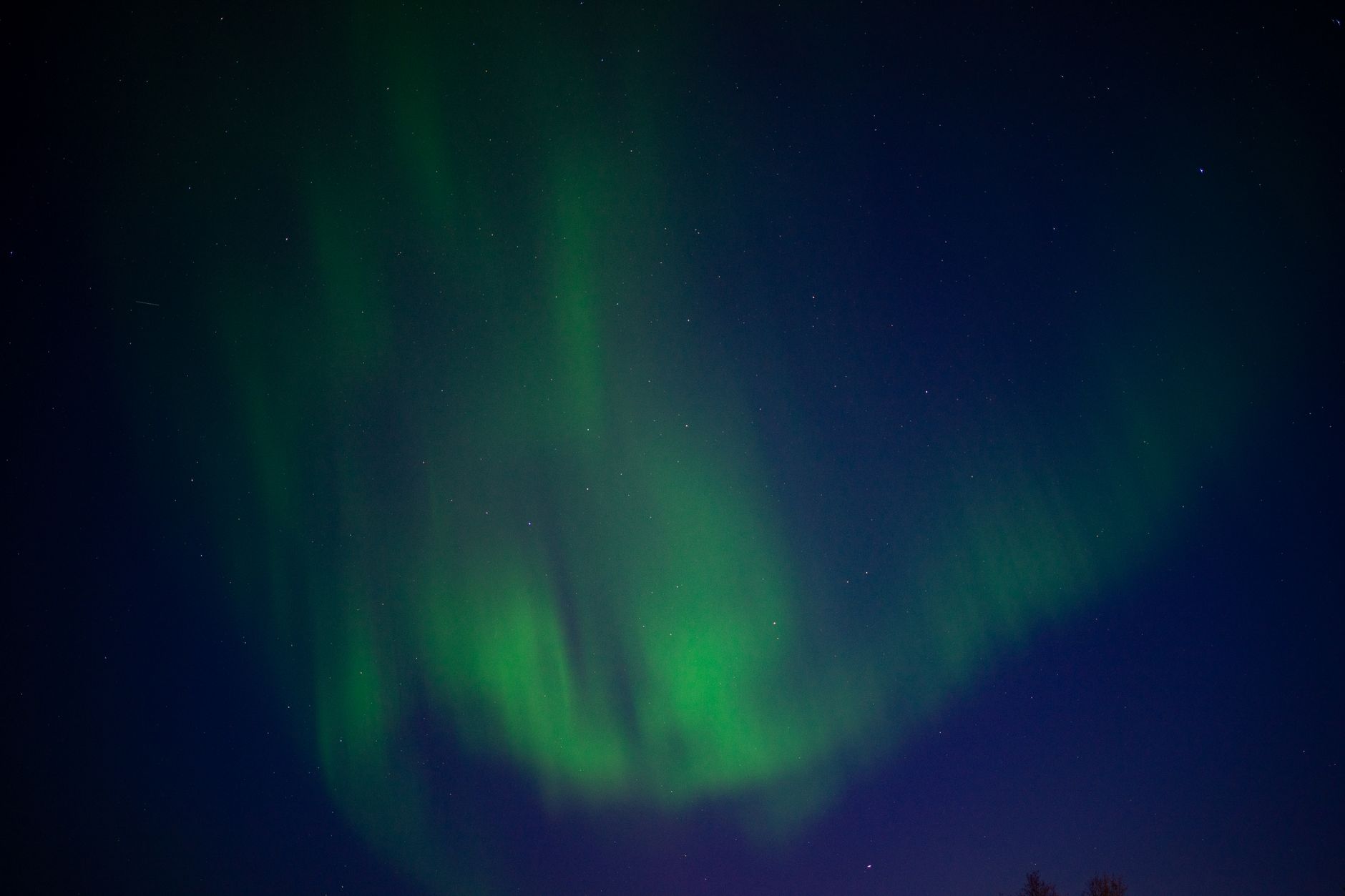
Dreaming of witnessing the ethereal dance of the Aurora Borealis? November 2025 is set to be an unparalleled year for Northern Lights activity, and we've got the inside scoop from locals on the absolute best, most breathtaking spots to catch the show. Get ready to plan your unforgettable arctic adventure, armed with secrets only the seasoned residents know! ---
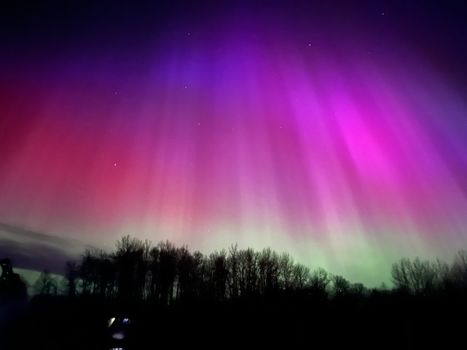
The air was crisp, biting at my exposed cheeks, but I barely noticed. My breath plumed in the frigid night, a testament to the sub-zero temperatures, yet a warmth spread through me, radiating from my core. Above, the sky had erupted. Not with fireworks, but with something far more ancient, more profound. Ribbons of emerald green, shot through with violet and hints of rose, writhed and pulsed across the inky canvas. It wasn't just light; it was alive, a celestial serpent dancing with cosmic grace. That was my first encounter with the Northern Lights, tucked away on a secluded fjord near Tromsø, Norway, guided by a local fisherman named Bjorn. He knew the spot, away from the bus tours, where the silence was broken only by our gasps of awe.
That night changed me. It ignited a passion for chasing the aurora, but more importantly, it taught me the invaluable lesson: locals know best. They understand the microclimates, the hidden vantage points, the subtle shifts in weather that make all the difference between a fleeting glimpse and an unforgettable spectacle.
Now, as we look ahead to November 2025, the excitement is palpable among aurora chasers worldwide. Why? Because we're heading into a period of solar maximum, meaning increased solar activity and a higher probability of truly spectacular aurora displays. This isn't just a good year; it's shaping up to be the year. And if you want to experience it like a true insider, away from the crowds, you've come to the right place. I've spent years traversing the Arctic Circle, chatting with residents, and scouting locations, and I’m here to share the hidden gems and practical wisdom for your November 2025 adventure.
Let's dive into the local secrets that will make your Northern Lights dream a vibrant reality!
The Science & The Season: Why November 2025 is Your Aurora Sweet Spot
Before we unveil the secret spots, let's understand why November 2025 is your golden ticket. The Northern Lights, or Aurora Borealis, are caused by charged particles from the sun colliding with gases in Earth's atmosphere. These collisions release energy, creating the stunning light show we see. The frequency and intensity of these displays are directly linked to the sun's activity cycle, which peaks approximately every 11 years. We're currently heading towards one of these peaks.
November is prime viewing season for several reasons:
- Long, Dark Nights: The further north you go, the longer the nights are in November, maximizing your viewing window. Less daylight means more darkness for the aurora to shine.
- Snow Reflection: By November, many arctic regions are blanketed in snow. This pristine white canvas reflects any ambient light, making the landscape brighter and the aurora appear even more vibrant against the sky. It also makes for incredible photography!
- Often Clearer Skies: While weather is always a factor, November can often bring stable, clear, cold conditions after the volatile autumn and before the deep winter blizzards.
So, pack your warmest gear, because 2025 is calling, and the aurora promises to be legendary!
Nordic Nooks: The Scandinavian Secrets
Scandinavia is synonymous with the Northern Lights, and for good reason. But beyond the well-trodden paths, locals have their preferred hideaways.
1. Tromsø & Beyond, Norway: The Arctic Capital's Hidden Gems
Tromsø is often dubbed the "Gateway to the Arctic," and it's a fantastic base. However, the city lights can dilute the aurora's intensity.
- Local Secret: Instead of staying in Tromsø city center, venture out to Malangen Resort, Sommarøy, or Ersfjordbotn. My friend Liv, a Tromsø native, swears by these spots. "Ersfjordbotn is just a 30-minute drive, but it feels a world away," she told me over a steaming cup of gløgg. "The fjord acts like a natural amphitheater, and the light pollution is minimal. Sommarøy, the 'Island of Summer,' is even further, but the coastal views are spectacular, and the air is so clean." Malangen offers stunning fjord views and often has excellent aurora visibility due to its secluded location.
- My Anecdote: I once rented a rustic cabin near Malangen on Liv's recommendation. One night, as I was tending a bonfire, the sky exploded. The aurora was so bright, it cast shadows on the snow-covered trees. It felt like a private show, just me and the universe. The silence was profound, broken only by the crackle of the fire and my own awestruck whispers.
- Practical Tips:
- Transportation: Renting a 4x4 car is highly recommended for flexibility and reaching these more remote spots. Expect to pay around €70-€100 per day for a decent rental. Be sure it has winter tires!
- Tours: While self-driving offers freedom, guided tours (around €150-€250 per person) often include warm food, hot drinks, and expert guides who know the best spots and weather patterns. Look for smaller, local operators like "Arctic Explorers" or "Greenlander" who prioritize intimate experiences.
- Accommodation: Malangen Resort offers cabins and hotel rooms. Sommarøy Arctic Hotel is another excellent choice. Booking well in advance for November 2025 is crucial.
2. Abisko National Park, Sweden: The Blue Hole Phenomenon
Abisko is famous for its "Blue Hole" – a patch of sky above Lake Torneträsk that often remains clear even when surrounding areas are cloudy.
- Local Secret: While the Aurora Sky Station atop Mount Nuolja is popular (and worth it for the views!), many locals prefer the shores of Lake Torneträsk itself, especially near the STF Abisko Turiststation. "The lake is massive, and the expanse of open sky is incredible," a guide named Sven shared. "Sometimes, the aurora reflects off the ice, creating a double show."
- My Anecdote: I spent a week at STF Abisko Turiststation, a charming hostel-hotel. One evening, after a hearty traditional Swedish dinner, Sven led a small group down to the lake. The aurora appeared as a faint glow at first, then intensified, painting the sky in vibrant greens. The air was so still, you could hear the distant creak of the ice. It was a serene, almost spiritual experience.
- Practical Tips:
- Transportation: Abisko is accessible by train from Kiruna (Sweden) or Narvik (Norway). The train journey itself through the winter landscape is spectacular.
- Accommodation: The STF Abisko Turiststation is your primary option, offering various room types. Book now for November 2025.
- Sky Station: A return chairlift ticket to the Aurora Sky Station typically costs around €50-€60. Combine it with a dinner package for a full experience.
3. Rovaniemi/Lapland, Finland: Wilderness & Wonder
Rovaniemi, the official home of Santa Claus, is a magical place. For aurora viewing, you need to escape the city's glow.
- Local Secret: Locals recommend heading to Ounasvaara fell, just outside Rovaniemi, or even better, venturing further north to the wilderness areas around Luosto or Pyhä. "The deeper into the forest you go, the darker it gets," explained Aino, a Sámi reindeer herder I met. "Find a frozen lake or an open bog; those are the best spots." The Arktikum beach along the Kemijoki River is another accessible local favorite, especially if you can't venture far.
- My Anecdote: Aino once took me on a snowmobile safari deep into the forest near Luosto. We stopped at a small, frozen lake. As we sipped warm berry juice, the aurora began to ripple. It felt like we were the only people on Earth, witnessing a private cosmic ballet. The snow-covered trees, illuminated by the green glow, created an otherworldly scene.
- Practical Tips:
- Activities: Lapland offers unique experiences like husky safaris, reindeer sleigh rides, and snowmobiling. Many of these tours can be combined with aurora hunting.
- Accommodation: Consider staying in a glass igloo (expect €400-€800 per night for a premium experience) in places like Arctic TreeHouse Hotel or Kakslauttanen for a truly immersive experience, though these are popular and sell out fast.
- Transportation: Rovaniemi has an airport. Renting a car is advisable for exploring beyond the city.
Icelandic Insights: Beyond Reykjavik's Glow
Iceland's dramatic landscapes provide a stunning backdrop for the aurora, but you need to know where to go to avoid light pollution and maximize your chances.
1. Reykjanes & Snæfellsnes Peninsulas: Coastal Aurora
While many tourists flock to the Golden Circle, the peninsulas offer fantastic, often less crowded, opportunities.
- Local Secret: Skip the popular Grótta Island Lighthouse near Reykjavik (it can get very busy). Instead, head to the rugged coastlines of the Reykjanes Peninsula or the more remote Snæfellsnes Peninsula. "Anywhere along the coast where you have an open view to the north and away from towns is good," a local guide named Katrin advised. "The black sand beaches and lava fields make for incredible foregrounds." Consider spots near Hellnar or Arnarstapi on Snæfellsnes, or the vast, unlit areas near the Blue Lagoon on Reykjanes.
- My Anecdote: One stormy November night, I was driving through a blizzard on the Reykjanes Peninsula, almost giving up hope. Suddenly, the clouds broke, and a local farmer, pulling over his truck, waved me to join him. We stood by a black sand beach, the waves crashing, and watched a faint green arc slowly intensify into a vibrant dance. He shared stories of the land, and the aurora felt like a gift from the ancient spirits he spoke of.
- Practical Tips:
- Weather: Iceland's weather is notoriously fickle. Use the Icelandic Met Office app (Veður) religiously for cloud cover and aurora forecasts.
- Transportation: A 4x4 rental car is almost essential for November in Iceland, especially if you plan to explore off the main Ring Road. Expect €100-€150 per day.
- Safety: Always check road conditions (road.is) and be prepared for sudden weather changes. Stay on marked roads.
North American Gems: Alaskan & Canadian Wilderness
Across the pond, the vast wilderness of Alaska and Canada offers some of the most spectacular aurora displays on Earth.
1. Fairbanks, Alaska, USA: The Golden Heart of Aurora
Fairbanks boasts some of the highest aurora visibility in the US, thanks to its location directly under the "auroral oval."
- Local Secret: While Chena Hot Springs Resort is a fantastic, convenient option (you can literally watch from a hot spring!), locals often recommend venturing to Creamer's Field Migratory Waterfowl Refuge for its wide-open spaces and minimal light pollution, or driving up to Murphy Dome, one of the highest points near Fairbanks, offering panoramic views. "The key is to get away from even small towns," an Alaskan bush pilot, Dave, told me. "The further out, the better."
- My Anecdote: I spent a night at Chena Hot Springs, alternating between the steamy waters and standing outside in sub-zero temperatures. The aurora appeared as a faint glow, then slowly, majestically, filled the entire sky. It felt surreal, like being in a natural IMAX theater. Later, I drove out to Creamer's Field, where the sheer openness made the sky feel infinite.
- Practical Tips:
- Gear: Alaska's winter is no joke. Invest in extreme cold weather gear. Layers are crucial.
- Aurora Alerts: Use local aurora forecast apps like "Aurora Forecast" (by Geophysical Institute, UAF) which are highly reliable.
- Tours: Many local operators offer aurora chasing tours, sometimes including a warm cabin or yurt to wait in.
- Accommodation: Besides Chena, numerous lodges and cabins outside Fairbanks offer excellent viewing opportunities.
2. Yellowknife, Northwest Territories, Canada: A True Northern Experience
Yellowknife, located in Canada's Northwest Territories, is often cited as one of the best places in the world to see the aurora, with an average of 240 aurora nights per year.
- Local Secret: While Aurora Village offers excellent infrastructure, many locals prefer the solitude of Frame Lake or Prelude Lake Territorial Park. "Aurora Village is great for first-timers, but for a truly wild experience, head out to one of the territorial parks," advised Sarah, an Indigenous guide. "The silence is profound, and the stars are unbelievable."
- My Anecdote: Sarah took me on a snowshoeing trip to Prelude Lake. We built a small fire, and as the embers glowed, the sky above us erupted in green and purple. She shared stories of her ancestors, who believed the aurora were the spirits of their people dancing. It was more than just a light show; it was a deeply cultural and spiritual experience.
- Practical Tips:
- Extreme Cold: Yellowknife is cold. Be prepared for temperatures well below -20°C (-4°F), sometimes dropping to -40°C (-40°F). Proper layering is non-negotiable.
- Transportation: Yellowknife is accessible by air. A car rental is useful for venturing out, but many tour operators offer pick-up services.
- Tours: Aurora Village offers various packages, including heated teepees and cultural experiences. Prices for multi-night packages can range from $200-$500 CAD.
- Ice Roads: If you're visiting later in winter, you might experience driving on the famous ice roads, but November is typically before they fully open.
Essential Gear & Practical Prep for November 2025
Seeing the Northern Lights is an outdoor, nighttime activity in incredibly cold environments. Preparation is key to enjoyment and safety.
1. Clothing: Layer Up, Buttercup!
This is non-negotiable. Cold drains batteries and enthusiasm.
- Base Layers: Merino wool or synthetic thermal underwear (top and bottom). Avoid cotton.
- Mid-Layers: Fleece jacket, down vest, wool sweater.
- Outer Layer: Waterproof, windproof, insulated parka (rated for extreme cold).
- Bottoms: Insulated, waterproof snow pants.
- Feet: Wool socks (multiple pairs), insulated, waterproof winter boots (e.g., Sorel, Baffin) rated to -30°C/-22°F or colder.
- Head/Hands: Warm hat that covers your ears, neck gaiter/balaclava, insulated mittens (with thin glove liners for dexterity). Hand warmers and toe warmers are your best friends!
2. Photography: Capture the Magic
You'll want to remember this!
- Tripod: Absolutely essential for long exposures.
- DSLR/Mirrorless Camera: With manual settings.
- Wide-Angle Lens: f/2.8 or faster (e.g., 14mm, 24mm). A fast aperture is crucial.
- Spare Batteries: Cold drains batteries quickly. Keep spares in an inside pocket to keep them warm.
- Headlamp: With a red-light mode (to preserve night vision for yourself and others).
- Remote Shutter Release: To avoid camera shake.
3. Logistics & Safety: Plan Smart
- Book Early: November 2025 will be busy due to the solar maximum. Flights, accommodation, and popular tours will sell out.
- Car Rental: If self-driving, get a 4x4 with winter tires. Learn to drive on ice/snow.
- Aurora & Weather Apps: Download and use local aurora forecast apps (e.g., My Aurora Forecast, Aurora Forecast by Geophysical Institute) and weather apps (e.g., Yr.no for Norway, Veður for Iceland).
- Offline Maps: Download maps for offline use, as cell service can be spotty.
- Emergency Kit: Jumper cables, small shovel, extra warm blankets, first-aid kit, non-perishable snacks, water.
- Stay Sober: Do not drink and drive, especially in winter conditions.
- Inform Others: Tell your accommodation or a friend where you're going if you're venturing out alone.
The Local Difference: Why Their Tips Matter
Why bother seeking out local advice when there are plenty of tour operators? The "local difference" is profound:
- Microclimates: Locals understand the subtle weather patterns and cloud formations unique to their area, knowing which direction to drive to find clear skies.
- Avoiding Tourist Traps: They'll guide you away from overcrowded spots to more serene, authentic experiences.
- Hidden Gems: They know the unlisted viewpoints, the quiet clearings, the perfect frozen lakes.
- Cultural Immersion: Interacting with locals offers a richer understanding of the region, its people, and their connection to the natural world.
- Support Local: Your patronage directly benefits the communities you visit.
Conclusion: Your November 2025 Aurora Dream Awaits!
The Northern Lights are more than just a phenomenon; they're an experience that touches the soul, a reminder of the universe's incredible power and beauty. November 2025, with its promise of a solar maximum, is poised to deliver some of the most spectacular displays in years.
By leveraging these local insights and preparing diligently, you're not just booking a trip; you're crafting an unforgettable adventure. You'll move beyond the typical tourist experience, delving into the heart of the Arctic, guided by the wisdom of those who call it home.
So, what are you waiting for? Start planning your epic Northern Lights chase for November 2025. Imagine standing under a sky ablaze with emerald and violet, the silence broken only by your own gasp of wonder. That dream is within reach.
Which of these local secrets has you most excited? Or do you have a hidden gem of your own to share? Tell us in the comments below! Don't forget to bookmark this post and share it with your travel buddies who are also dreaming of the aurora! Your ultimate Northern Lights adventure starts now!
---
More pictures



Tags
Share this guide
We may earn a commission if you click a link and buy a product or service, at no extra cost to you. How affiliate links work.
Been there?