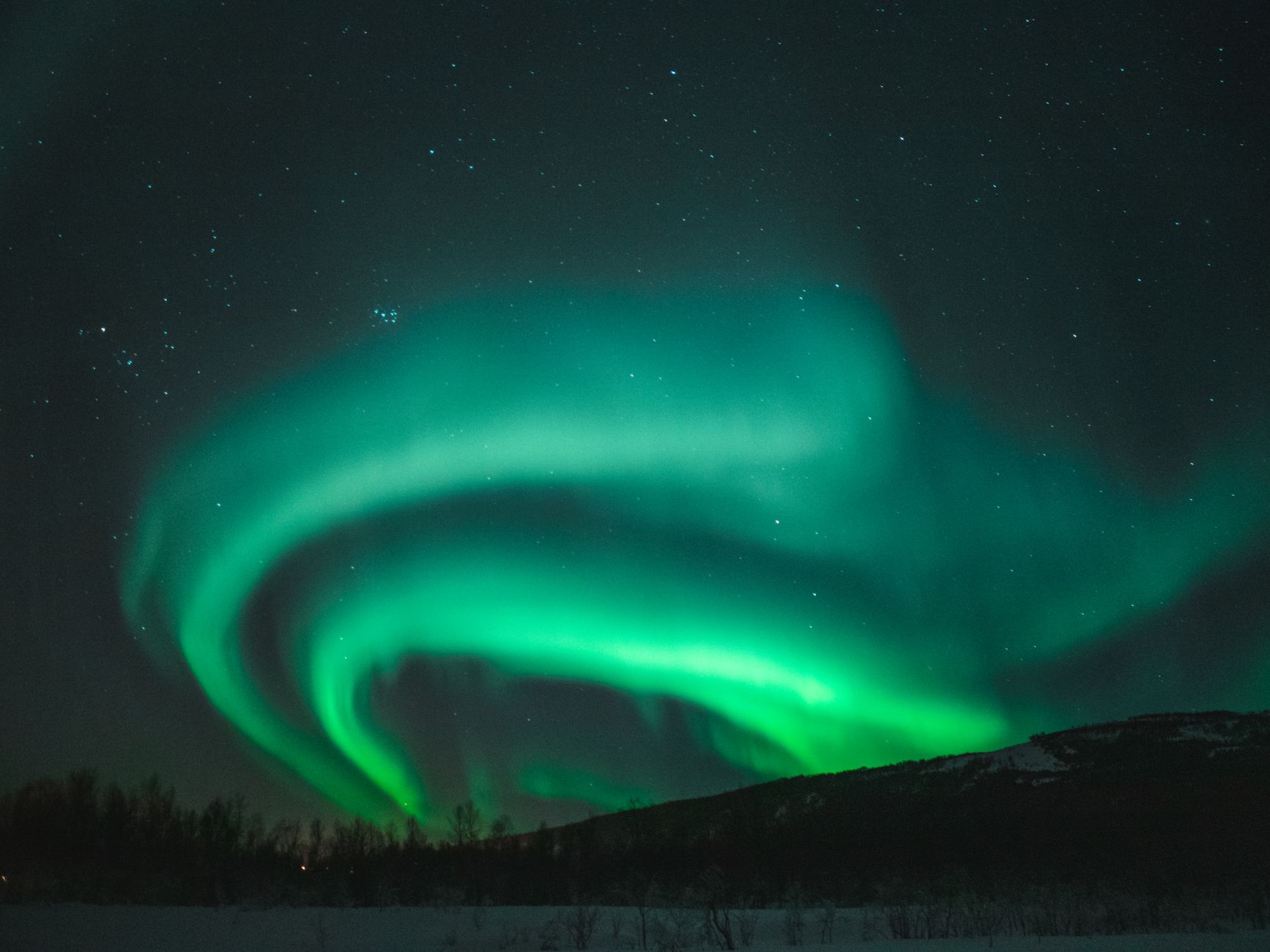
Dreaming of the Northern Lights but dreading the crowds? We've scoured the Arctic Circle, chatting with locals to uncover their most cherished, secret aurora viewing spots. Get ready to chase the magic away from the tourist traps and experience the true wonder of the Aurora Borealis like an insider. ---
The air was crisp, biting at my exposed cheeks as I stared up at the inky blackness. Around me, a dozen other tourists shivered, their camera screens glowing like tiny beacons, waiting. We were at a popular "Northern Lights viewpoint" outside Tromsø, Norway, a spot advertised in every brochure. And then it happened – a faint, ghostly green ribbon flickered across the sky. A collective gasp, a flurry of shutter clicks, and then... it faded. Beautiful, yes, but something felt missing. The magic was diluted by the shared, almost manufactured experience.
That night, warming my numb fingers around a mug of hot Gløgg in a cozy local pub, I struck up a conversation with an elderly Sami man named Ole. He chuckled when I mentioned the viewpoint. "Ah, the tourist spot," he rumbled, a twinkle in his eye. "Good for a quick glimpse, perhaps. But for the real show, you need silence. You need space. You need to know where to look." He then proceeded to draw a rough map on a napkin, pointing out a few unassuming locations, places I'd never seen mentioned online. "Go there," he urged, "and bring good coffee. The spirits like quiet company."
That conversation sparked a revelation and a new mission. My goal: to uncover the Northern Lights viewing spots locals recommend, the hidden gems they keep secret before the Instagram hordes descend. I wanted the authentic, breathtaking, soul-stirring experience – not just a checkmark on a bucket list. And after countless hours of driving, sipping coffee with strangers, and shivering under countless Arctic skies, I’m ready to share those secrets with you.
This isn't just a list of places; it's a guide to embracing the spirit of the aurora hunt, to finding solitude and wonder, and to seeing the greatest light show on Earth through the eyes of those who live beneath it.
Why Go Local? The Unspoken Truth of Mainstream Aurora Chasing
Let's be brutally honest: popular aurora viewing spots and organized tours, while convenient, often come with significant downsides. Imagine finally reaching your dream destination, only to find yourself jostling for tripod space with fifty other eager photographers, their headlamps blinding you every few minutes. Or worse, being shuttled to a spot that, while beautiful, is plagued by light pollution from nearby towns, dimming the very spectacle you came to see.
Mainstream aurora chasing can be:
- Crowded: The sheer number of people can detract from the serene, almost spiritual experience the aurora offers.
- Expensive: Guided tours often come with a hefty price tag, bundling transportation, a "guide," and sometimes a mediocre snack.
- Less Authentic: You’re often on a fixed schedule, rushed, and rarely get to truly immerse yourself in the local environment or culture.
- Light Polluted: Many "convenient" spots are still too close to towns, meaning the aurora has to be incredibly strong to truly impress.
By venturing to local-recommended spots, you're not just avoiding crowds; you're opening yourself up to:
- Solitude and Serenity: Imagine standing under a sky ablaze with green and purple, with only the whisper of the wind for company.
- Better Views: Locals know the darkest, most expansive skies. They know the perfect foregrounds – a frozen lake, a lone cabin, a snow-dusted peak.
- Cultural Immersion: Your journey will likely take you through smaller villages, allowing for genuine interactions with residents and a taste of authentic Arctic life.
- Cost Savings: With a rental car and some self-sufficiency, you can drastically cut down on tour costs.
This is about more than just seeing the lights; it’s about experiencing them.
The Art of the Aurora Hunt: Essential Prep for Off-Grid Viewing
Before we dive into the secret locations, let's talk preparation. Chasing the aurora, especially off the beaten path, requires careful planning and the right gear. Think of yourself as an Arctic explorer, albeit one with a heated thermos.
- Aurora Forecasting is Your Best Friend:
- KP Index: This is a scale of geomagnetic activity (0-9). Aim for KP 3 or higher for good visibility, but even KP 2 can be stunning in truly dark skies.
- Cloud Cover: This is crucial. No matter how high the KP index, if it's cloudy, you'll see nothing. Use apps like My Aurora Forecast & Alerts (for KP and cloud cover) and local weather apps (Yr.no for Norway, Veður for Iceland, AccuWeather/The Weather Network for Canada) for hyper-local cloud predictions.
- Solar Activity: Websites like SpaceWeatherLive.com provide real-time solar wind data and predictions for geomagnetic storms.
- Dress Like an Arctic Onion (Layer Up!):
- Base Layers: Merino wool is your best friend – it wicks moisture and insulates even when damp.
- Mid-Layers: Fleece or down jackets for warmth.
- Outer Layer: Windproof and waterproof jacket and pants. Think ski gear.
- Extremities:
- Head: A warm hat that covers your ears, maybe a balaclava.
- Hands: Thin gloves for dexterity (for camera) inside thick, insulated mittens. Hand warmers are a lifesaver.
- Feet: Wool socks, insulated, waterproof winter boots (Sorel, Baffin, etc.). Consider heated insoles!
- Pro Tip: Always bring more layers than you think you’ll need. Sitting still in sub-zero temperatures makes you colder faster than you can imagine.
- Transportation & Safety:
- Rental Car: Absolutely essential for off-grid spots. Opt for a 4x4 with good winter tires (studded if available) and plenty of ground clearance. Practice driving on snow and ice before you head out.
- Full Tank: Always keep your fuel tank full. Distances between gas stations can be significant in remote areas.
- Emergency Kit: Jumper cables, shovel, tow rope, first-aid kit, extra blankets, non-perishable food, water, a fully charged power bank for your phone, and a physical map (GPS can fail).
- Tell Someone: Always let your accommodation host or a friend know where you’re going and when you expect to be back. For truly remote spots, consider a satellite messenger device.
- Photography Gear (If You're Serious):
- Tripod: Non-negotiable for long exposures.
- Camera: DSLR or mirrorless with good low-light performance (full-frame sensors are ideal).
- Lens: Wide-angle lens (14-24mm) with a fast aperture (f/2.8 or wider).
- Remote Shutter Release: Prevents camera shake.
- Batteries: Bring at least two spare batteries. Cold drains them rapidly. Keep them warm in an inside pocket.
- Headlamp: With a red light mode to preserve night vision.
- Settings: Manual mode, widest aperture, high ISO (1600-6400+), shutter speed 5-20 seconds (adjust based on aurora strength and movement).
- Comfort & Sustenance:
- Thermos: Filled with hot coffee, tea, or hot chocolate. Absolutely essential.
- Snacks: High-energy bars, nuts, chocolate.
- Comfort: A small insulated pad to sit on if you're waiting for a while.
Unveiling the Hidden Gems: Locals' Top Picks
Here are some of the incredible, less-trodden paths I discovered, places where the aurora feels like a private performance. Remember, these are jumping-off points; the true magic often lies in exploring the immediate surroundings based on real-time conditions.
1. Arctic Norway: Beyond Tromsø's Glow
While Tromsø is known as the "Gateway to the Arctic," its popularity means light pollution and crowds. Venture slightly further afield, and the real wilderness unfolds.
- The Quiet Shores of Senja (Troms County):
- The Vibe: Senja, Norway's second-largest island, is often called "Norway in miniature" due to its dramatic fjords, jagged mountains, and serene fishing villages. While some parts are gaining traction, much of it remains wonderfully untouched. Locals flock here for its raw beauty and incredibly dark skies.
- The Spot: Instead of the well-known viewpoints, locals recommend finding a quiet pull-off along Route 86 toward Hamn i Senja or exploring the less-frequented inner fjords around Skaland or Gryllefjord. Look for small, open clearings with a view over a fjord or a frozen lake. I specifically found a magnificent spot near the small village of Husøy, a tiny island connected by a causeway, offering unobstructed views north over the open sea.
- Why it's great: Minimal light pollution, dramatic coastal and mountain backdrops for photography, and the chance to experience authentic Norwegian coastal life.
- How to get there: Rent a car from Tromsø (about a 2.5-hour drive to the ferry at Brensholmen, then a 45-minute ferry to Botnhamn on Senja, or a longer drive via the mainland bridge). Ferries have limited winter schedules, so plan ahead.
- Local Tip: Stop at a local dagligvare (grocery store) in Finnsnes or Silsand before heading further out. Pack a picnic with local brunost (brown cheese) and knekkebrød (crispbread).
- Anecdote: I spent an evening near a deserted beach on Senja, the only sound the gentle lapping of waves against the ice. The aurora exploded, dancing directly overhead, reflecting in the calm waters. It felt like I had discovered the end of the world, and it was all mine.
2. Swedish Lapland: Beyond Abisko's Sky Station
Abisko National Park is famous for its "Blue Hole" – a patch of clear sky that often remains open when surrounding areas are cloudy. But this fame brings crowds and expensive tours.
- The Serene Wilderness of Riksgränsen (Norrbotten County):
- The Vibe: Just over the border from Norway, Riksgränsen is primarily known as a ski resort. However, its high latitude and surrounding vast, untouched fells make it an incredible aurora viewing spot, often overlooked by non-skiers. It’s significantly less developed than Abisko, offering a wilder feel.
- The Spot: Drive a few kilometers east or west from the Riksgränsen village along the E10 highway. Look for turn-offs leading to small cabins or hiking trails (though don't venture too far in winter without snowshoes and proper gear). A fantastic option is to find a spot overlooking Lake Vassijaure, which can provide a stunning reflective surface if frozen and clear. Even better, ask at the local mountain station for recommendations for nearby, easily accessible viewpoints a short walk from the village that avoid light from the resort itself.
- Why it's great: Extremely dark skies, dramatic mountain scenery, and the unique experience of being on the border of two Arctic nations. The air here feels incredibly clean and crisp.
- How to get there: Train from Kiruna (about 1.5 hours) or drive from Kiruna (about 1.5-2 hours). A rental car gives you maximum flexibility.
- Local Tip: Stay at the Riksgränsen hotel or a nearby cabin. They often have staff who are avid aurora chasers themselves and can point you to prime, secret spots.
- Anecdote: After a day of exploring the snowy landscape, a local ski instructor, Sven, shared his favorite spot: a small hill behind a deserted old train station, a short walk from the main resort. We watched the aurora arc across the entire sky, silent except for the distant rumble of a freight train – a truly unique soundtrack to the celestial dance.
3. Finnish Lapland: More Than Just Santa's Village
Rovaniemi is charming, but its primary focus is Santa Claus. For serious aurora hunters, you need to head north, away from the city lights.
- The Open Fells of Pallas-Yllästunturi National Park (Near Muonio/Kittilä):
- The Vibe: This national park is one of Finland's oldest and largest, home to pristine fells, ancient forests, and incredibly clean air. While popular for hiking and cross-country skiing, specific aurora spots within or on the fringes of the park remain local secrets.
- The Spot: Instead of the well-known resorts like Levi or Ylläs (which have some light pollution), focus on the areas around Muonio or Hetta to the north and west of the park. Drive along the smaller roads, like Route 957 or 956, looking for open areas where the treeline breaks, offering expansive views of the sky. Locals often use spots near frozen lakes like Lake Jerisjärvi or clearings within the forests that open up to the sky. Many small, family-run mökkis (cabins) in this region are perfectly situated for dark sky viewing.
- Why it's great: Deep wilderness, incredibly dark skies, and the chance to combine aurora chasing with traditional Finnish activities like cross-country skiing or snowshoeing. The fells offer elevated, unobstructed views.
- How to get there: Fly into Kittilä (KTT) or Rovaniemi (RVN), then rent a car. Muonio is about an hour's drive from Kittilä.
- Local Tip: Ask at your accommodation for their "best aurora spot." Many Finnish hosts have a cherished secret spot just a few minutes drive away.
- Anecdote: I rented a simple cabin near Muonio. One night, the aurora was a vibrant, pulsating green. My cabin host, a quiet woman named Aino, knocked on my door. "Come," she whispered, "I know a place." She led me a short walk to a frozen riverbend, where the aurora reflected perfectly in the smooth ice, creating a double spectacle. It was breathtakingly beautiful and utterly peaceful.
4. Iceland: Beyond the Ring Road's Southern Charms
Iceland's south coast is stunning, but also incredibly popular. Head north or east for a different kind of wild, and significantly fewer people.
- The Desolate Beauty of the Westfjords (Northwest Iceland):
- The Vibe: The Westfjords are Iceland's most remote and least populated region, a dramatic landscape of deep fjords, towering cliffs, and a rugged coastline. The isolation means virtually no light pollution and a profound sense of wilderness. This is where true adventurers go.
- The Spot: The entire Westfjords region is a dark sky paradise. Specific spots include the area around Patreksfjörður, particularly looking out over the fjord, or the desolate roads leading to Rauðasandur beach (though access in winter can be challenging, check conditions!). Another excellent area is the coastline around Ísafjörður, driving along Route 61, finding a pull-off overlooking the vast fjord waters. The sheer isolation means almost any open space away from the few villages will be incredible.
- Why it's great: Unrivaled solitude, incredibly dark skies, and a dramatic, unique landscape (black sand beaches, basalt columns, powerful ocean views) that provides stunning foregrounds for aurora photography.
- How to get there: This requires commitment. Fly into Reykjavík (KEF), then either take a domestic flight to Ísafjörður (IFJ) and rent a car, or drive the long, scenic route from Reykjavík (5-7+ hours, depending on conditions). A 4x4 is absolutely essential, and winter driving conditions can be extreme.
- Local Tip: Stay in a guesthouse in one of the small towns like Bolungarvík or Flateyri. The hosts are often incredibly welcoming and will share their favorite, truly secret spots.
- Anecdote: Battling fierce winds on a lonely road in the Westfjords, I pulled over near a small, abandoned fishing hut. The sky above me erupted in a kaleidoscope of greens, purples, and reds, swirling and dancing with an intensity I'd never witnessed. The silence was profound, broken only by the howl of the wind – a truly primal experience.
5. Yukon, Canada: The True North Strong and Free
While Yellowknife in the Northwest Territories is famous, Canada's Yukon offers equally spectacular aurora displays with a more rugged, less commercialized feel.
- The Expansive Skies of the Southern Lakes Region (South of Whitehorse):
- The Vibe: South of Whitehorse, the landscape opens up into a stunning region of interconnected lakes (Marsh Lake, Tagish Lake, Bennett Lake) surrounded by rolling hills and boreal forest. The population density is incredibly low, guaranteeing dark skies.
- The Spot: Instead of the few designated viewing areas near Whitehorse, locals head south along the South Klondike Highway (Highway 2). Look for pull-offs or small access points along the shores of Marsh Lake or Tagish Lake. The vast, frozen lake surfaces provide incredible reflective opportunities and an unobstructed view of the entire sky. A particularly good area is near the small community of Tagish, where you can find quiet spots away from any light sources.
- Why it's great: Wide-open skies, stunning lake scenery, and the chance to experience the raw beauty of the Canadian sub-Arctic. You might even hear coyotes howling under the aurora!
- How to get there: Fly into Whitehorse (YXY), then rent a 4x4. The Southern Lakes region is about a 30-60 minute drive south.
- Local Tip: Visit the small local stores or community centers in Tagish or Marsh Lake. Locals are often happy to share their favorite spots, especially if you buy some local crafts or coffee.
- Anecdote: My guide, a retired trapper named Jim, took me to a spot overlooking Marsh Lake. We built a small fire, and as the flames crackled, the aurora began to ripple across the sky, painting the vast expanse of the frozen lake in emerald and violet. Jim just sat, silently watching, a contented smile on his face, reminding me that some magic is best shared in quiet reverence.
Integrating with Local Culture: More Than Just the Lights
Chasing the aurora off-grid isn't just about finding dark skies; it's about embracing the journey and the culture of the places you visit.
- Eat Local, Support Local: Seek out small, family-run restaurants or cafes. Try traditional dishes – reindeer stew in Lapland, fresh fish in Norway, kjötsúpa (lamb soup) in Iceland. This is where you’ll often find the friendliest faces and the best local insights.
- Engage Respectfully: When you encounter locals, be genuinely curious. A simple "Where's your favorite place to watch the lights?" can open up a world of conversation and invaluable tips. Offer to share your hot chocolate!
- Stay in Guesthouses/Cabins: These offer a more personal experience than large hotels. Hosts often have generations of local knowledge and are your best resource for current conditions and secret spots.
- Beyond the Aurora: Fill your days with local activities. Try a husky sledding tour with a small local operator, go ice fishing on a frozen lake, or experience a traditional sauna. These experiences enrich your trip and provide a deeper connection to the Arctic way of life.
- Leave No Trace: Always, always respect the environment. Pack out everything you pack in. Stick to established roads and trails. The beauty of these places depends on our collective care.
Budgeting for Your Off-Grid Aurora Adventure
Going local doesn't just offer a more authentic experience; it can often be more budget-friendly.
- Accommodation: Instead of luxury glass igloos, opt for cozy guesthouses, self-catering cabins (hytter in Norway, mökkis in Finland), or even simple farm stays. These are often significantly cheaper and more charming. Check Airbnb, Booking.com, and local tourism websites for options.
- Food: Self-catering is your wallet's best friend. Stock up at local supermarkets. Pack your own snacks and thermos drinks for aurora nights. Eating out every meal in Scandinavia can be very expensive.
- Transportation: A rental car is an upfront cost, but it eliminates expensive tour fees. Split the cost with travel companions. Look for deals on car rentals well in advance.
- Flights: Book flights during the shoulder seasons (late September/early October or March) for potentially lower prices, though aurora visibility is best in the dark winter months. Be flexible with your dates.
- Gear: If you don't own Arctic-appropriate clothing, consider renting it from outdoor shops in bigger towns, or borrowing from friends. Quality gear is an investment, but crucial for comfort and safety.
Your Aurora Story Awaits
The Northern Lights are more than just a phenomenon; they are an experience that touches the soul. To witness them in solitude, under a vast, silent sky, far from the madding crowd, is to truly connect with the raw power and beauty of our planet. It’s a moment of profound wonder, a reminder of how small we are and how magnificent the universe is.
My journey to uncover these local secrets wasn't just about finding better viewing spots; it was about reclaiming the magic, about forging a deeper connection with the Arctic and its resilient people. And now, I pass that torch to you.
So, pack your warmest layers, fill your thermos, and let the spirit of adventure guide you. The locals have shared their secrets; now it’s your turn to create your own unforgettable aurora story.
Which secret spot will you uncover first? Share your own hidden gems or dream aurora adventures in the comments below!
---
More pictures



Tags
Share this guide
We may earn a commission if you click a link and buy a product or service, at no extra cost to you. How affiliate links work.
Been there?