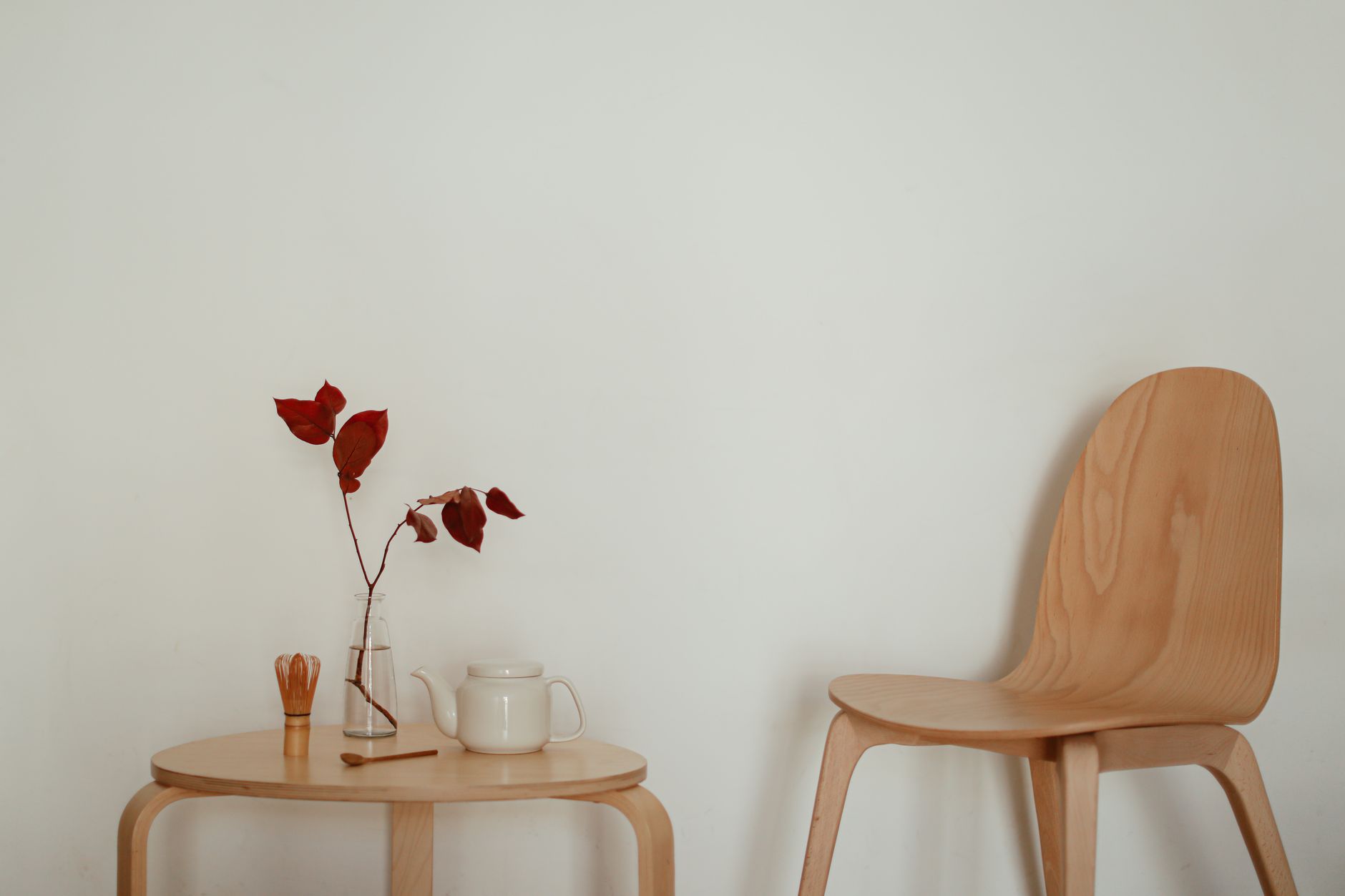
Craving calm amidst Asia's vibrant chaos? Discover how Nordic minimalism is subtly transforming Asian design, creating serene havens perfect for mindful travel. Our expert travel advisors spill the beans on where to find this exquisite fusion. Get ready for your most peaceful, stylish adventure yet!
The Serene Symphony: My First Taste of Nordic Minimalism in Kyoto
I stepped off the train in Kyoto, the humid air thick with the scent of blooming jasmine and the distant hum of the city. Yet, as I navigated the labyrinthine streets towards my accommodation, a palpable sense of calm began to wash over me. It wasn't the expected cacophony of a bustling Japanese metropolis, but something subtler, more profound. My guesthouse, tucked away down a narrow alleyway, was a revelation. Clean lines, natural wood, an almost reverent silence – it was a breath of fresh air, a whisper of Scandinavia in the heart of Japan. This, I realized, was the magic of Nordic minimalism weaving its way into the soul of Asian design, a trend eagerly championed by the most discerning travel advisors at Tripsora.
The Unseen Embrace: How Nordic Minimalism Reshapes Asian Travel
For years, Asia has been synonymous with vibrant colors, intricate patterns, and an abundance of sensory experiences. But a quiet revolution is underway. Travel advisors, constantly seeking unique and enriching journeys for their clients, are noticing a powerful convergence: the elegant simplicity of Nordic design finding a harmonious home in Asia's rich cultural tapestry. This isn't about appropriation; it's about a shared appreciation for mindfulness, functionality, and an innate connection to nature. It's about creating spaces and experiences that nourish the soul, a philosophy that resonates deeply with both Scandinavian hygge and Japanese wabi-sabi.
Section 1: The Scandinavian Soul Meets the Eastern Spirit
The synergy between Nordic minimalism and Asian design isn't accidental. Both embrace core tenets that, while expressed differently, speak to the same human need for balance and tranquility.
H3: Hygge's Calm in the Bustle
Hygge, the Danish concept of coziness and contentment, finds a natural echo in the Japanese appreciation for Ma (the beauty of negative space) and wabi-sabi (finding beauty in imperfection and transience).
- Think: Imagine a traditional Japanese tea house, but with plush, earth-toned textiles, a strategically placed minimalist sculpture, and the warm glow of a single, beautifully crafted pendant light. The result is an atmosphere that feels both grounding and uplifting.
- Pro-Tip: Look for accommodations that emphasize natural light and simple, high-quality materials. These are often the most peaceful havens.
H3: The Power of Imperfection: Wabi-Sabi's Nordic Embrace
While Nordic design often strives for clean, polished finishes, its inherent appreciation for natural materials and honest craftsmanship aligns beautifully with wabi-sabi's celebration of the aged and imperfect.
- See it in: Rough-hewn wooden beams in a modern hotel lobby in Seoul, the subtle patina on a ceramic vase in a Bangkok boutique, or the unvarnished concrete walls of a gallery in Singapore.
- Insider Language: This isn't about "unfinished"; it's about "honest materials." The beauty lies in the visible grain of the wood, the subtle variations in the glaze of a ceramic.
Section 2: Curated Sanctuaries: Hotels and Stays That Define the Trend
The most inspiring examples of this fusion are found in the hospitality sector. Travel advisors are increasingly recommending properties that masterfully blend these aesthetics, offering guests a truly unique retreat.
H3: Tokyo's Zen-Modern Havens
Tokyo, a city that pulses with relentless energy, is a surprising hotspot for this minimalist movement.
- What to Expect: Hotels that feature tatami mat flooring alongside Scandinavian-style furniture, rooms with uncluttered layouts, and an emphasis on natural light filtering through shoji screens.
- Pro-Tip: Seek out boutique hotels in neighborhoods like Daikanyama or Nakameguro for the most authentic experiences. These areas offer a more laid-back vibe.
- Quick Facts: Tokyo Minimalist Stay
- Estimated Cost ($$): $200 - $500 per night
- Best Time to Visit: Spring (March-May) or Autumn (September-November) for pleasant weather and fewer crowds.
- How to Get There: Fly into Narita (NRT) or Haneda (HND) International Airport. Excellent public transport connects to the city center.
H3: Seoul's Understated Elegance
Seoul is embracing a sophisticated take on minimalism, infusing it with a distinctly Korean sensibility.
- What to Expect: Hotels with clean lines, neutral color palettes, and an emphasis on texture. Think exposed concrete, natural wood, and subtle pops of muted color inspired by traditional Korean art.
- Pro-Tip: Explore accommodations that incorporate traditional Korean elements like hanji (traditional paper) in their decor for an extra layer of authenticity.
- Insider Language: The "negative space" in a room isn't empty; it's intentional, allowing the eye to rest and the mind to wander.
Section 3: Beyond the Hotel: Experiencing Minimalist Design in Daily Life
This trend extends far beyond accommodation. It’s about a shift in how we approach travel, seeking out experiences that foster calm and intentionality.
H3: Mindful Dining: Where Flavor Meets Form
The culinary scene is a prime example. Restaurants are embracing minimalist aesthetics to let the food – and the dining experience itself – take center stage.
- See it in: Restaurants with simple, uncluttered interiors, often featuring natural materials and soft lighting. The focus is on the quality of ingredients and the artistry of presentation.
- Pro-Tip: Look for restaurants that highlight seasonal, local produce. This aligns with the Nordic and Asian appreciation for nature's bounty.
- Insider Language: The "plating" isn't just about aesthetics; it’s about guiding your palate, creating a visual prelude to the flavors.
H3: Retail Therapy, Redefined
Boutiques and concept stores are also adopting this minimalist ethos, offering a more curated and less overwhelming shopping experience.
- What to Expect: Stores with clean displays, well-organized shelves, and a focus on high-quality, artisanal products. The shopping environment itself becomes a calming experience.
- Pro-Tip: Visit stores that specialize in local crafts or sustainable fashion. These often embody the minimalist spirit beautifully.
Section 4: The Architect's Touch: Inspiring Spaces
Architects and interior designers are at the forefront of this movement, creating breathtaking spaces that marry Nordic simplicity with Asian cultural nuances.
H3: Houses of Light and Shadow
Homes and public buildings are being designed with an emphasis on natural light and strategic use of shadow.
- See it in: Homes with large windows that frame natural landscapes, public spaces that utilize skylights and clever architectural features to manipulate light throughout the day.
- Pro-Tip: Visit a well-designed museum or gallery in your chosen city. These often showcase the best examples of contemporary architectural trends.
H3: The Material Palette: Wood, Stone, and Serenity
The choice of materials is crucial. Natural, sustainable materials are favored, creating a tactile and grounding experience.
- Think: Reclaimed wood, polished concrete, natural stone, and linen textiles. These materials bring an organic warmth and a sense of timelessness.
- Insider Language: The "patina" on a stone floor or a wooden table isn't a flaw; it's a testament to its history and use.
Section 5: Planning Your Minimalist Asian Adventure
As your trusted Tripsora advisors, we're here to help you navigate this serene trend.
H3: Why Now? The Rise of Mindful Travel
The global shift towards more conscious and mindful travel has created the perfect environment for this aesthetic to flourish. Travelers are seeking experiences that are not just visually appealing but also emotionally enriching.
- Benefits: Reduced stress, deeper connection with destinations, and a more sustainable approach to exploration.
H3: Pro-Tips for the Savvy Traveler
- Research Accommodations: Look for keywords like "minimalist design," "Scandinavian influence," or "wabi-sabi aesthetic" when booking.
- Embrace Local Crafts: Seek out workshops or stores that showcase traditional crafts with a modern, minimalist interpretation.
- Slow Down: This style of travel is about savoring moments, not ticking off checklists. Allow yourself time to simply be in these serene environments.
- Pack Light: The minimalist aesthetic extends to lifestyle. Pack versatile, high-quality pieces that can be mixed and matched.
Quick Facts: General Travel Considerations
| Aspect | Details | | :---------------------- | :------------------------------------------------------------------- | | Estimated Cost ($$) | Varies greatly by destination, but expect a premium for curated stays. | | Best Time to Visit | Spring and Autumn generally offer the most pleasant weather. | | How to Get There | Major international airports in key Asian cities. | | Visa Requirements | Varies by nationality and destination. Please check official sources. |
This fusion of Nordic minimalism and Asian design offers a unique and deeply satisfying way to experience the continent. It's an invitation to slow down, to appreciate the beauty in simplicity, and to find moments of profound peace amidst the vibrancy of Asia. Let us at Tripsora guide you to these exquisite havens.
More pictures


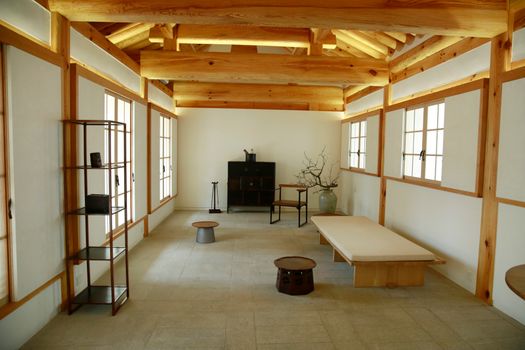
Tags
Share this guide
We may earn a commission if you click a link and buy a product or service, at no extra cost to you. How affiliate links work.
Been there?