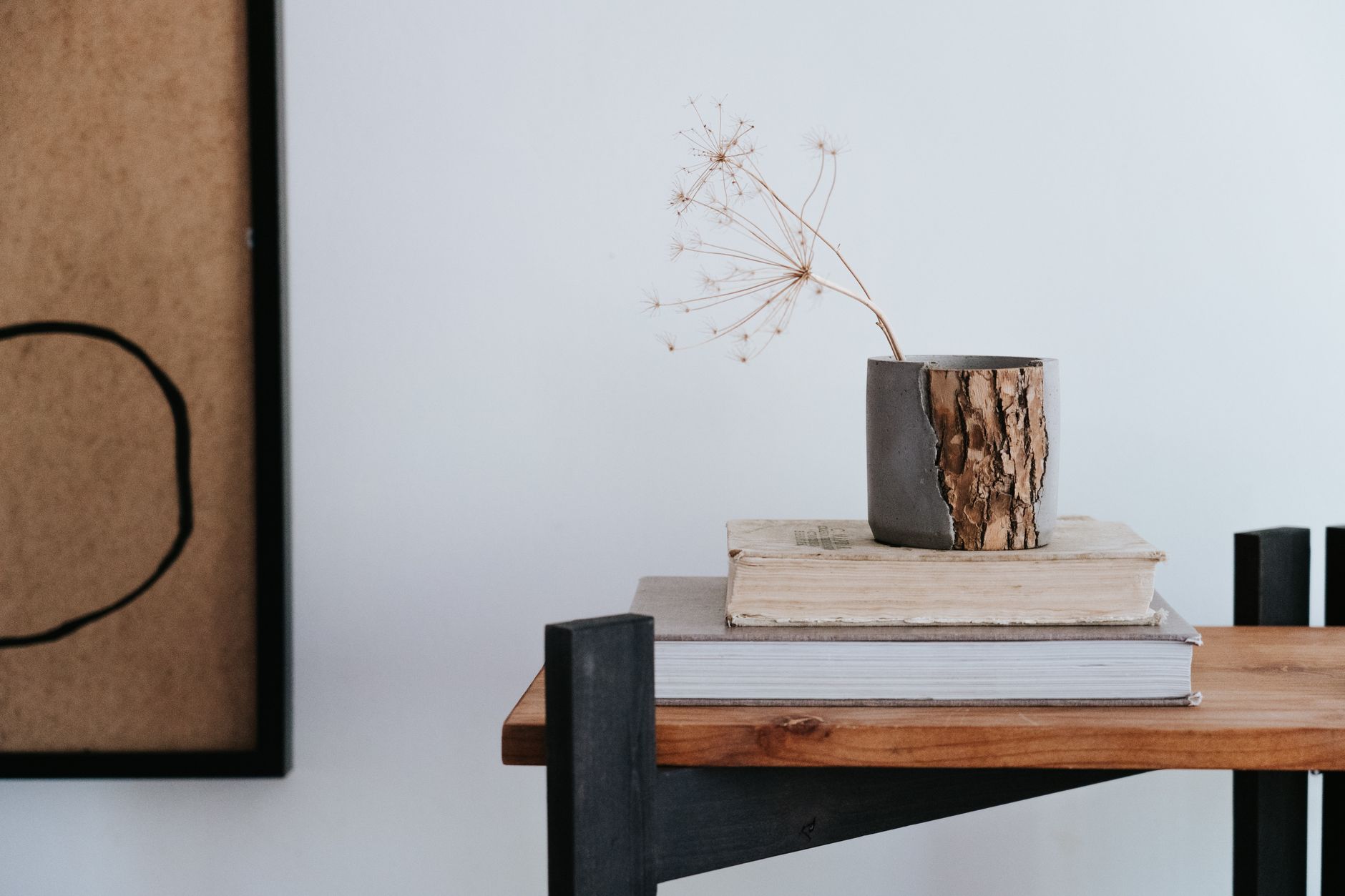
**Spring's hottest design trend? Think Hygge meets Wabi-Sabi!
The Serene Symphony: Stepping into a World Where Nordic Calm Meets Asian Soul
I stepped off the train in Kyoto, the crisp spring air carrying the faint, sweet scent of cherry blossoms and damp earth. It was a familiar feeling, yet utterly new. The usual bustling energy of a new city was there, but beneath it, a profound sense of quietude. This wasn't just the gentle hum of a Japanese metropolis; it was a deliberate, almost palpable calm. It was then I realized: this was the essence of what I'd been chasing for months – the breathtaking fusion of Nordic minimalism and Asian design, blooming vibrantly this spring.
For years, I've been captivated by the clean lines and functional beauty of Scandinavian design. The concept of hygge, that cozy, contented feeling, has always resonated. But lately, my wanderlust has been pulling me East, towards the understated elegance and profound philosophy of Japanese aesthetics, particularly wabi-sabi – the beauty of imperfection and impermanence. This spring, these two seemingly distinct worlds haven't just met; they've embraced, creating a design language that feels both refreshingly novel and deeply familiar. It’s a movement that’s not just about how spaces look, but how they feel.
H2: The Genesis of Japandi: A Marriage of Minds and Materials
The term "Japandi" has been buzzing, and for good reason. It’s the portmanteau that perfectly encapsulates this burgeoning trend: the harmonious marriage of Japanese and Scandinavian design principles. But it’s more than just a catchy label; it’s a philosophy that champions simplicity, functionality, and a deep connection to nature.
Think about it:
- Nordic Minimalism: Emphasizes clean lines, neutral palettes, natural light, and functional furniture. It's about creating uncluttered, serene environments that promote well-being.
- Asian Aesthetics (primarily Japanese): Focuses on natural materials, organic shapes, asymmetry, and the beauty of imperfection (wabi-sabi). It celebrates craftsmanship and the passage of time.
When you blend these, you get spaces that are elegant yet comfortable, sophisticated yet grounded, and deeply mindful. This spring, this fusion is manifesting in everything from interior decorating to travel experiences.
H3: Core Principles of the Japandi Movement
- Intentionality: Every item has a purpose and a place. No clutter, just curated pieces that bring joy or serve a function.
- Natural Materials: Wood, bamboo, linen, rattan, and stone are paramount. The textures are as important as the forms.
- Neutral Color Palettes: Think muted earth tones, soft greys, off-whites, and gentle greens. This creates a calming, cohesive atmosphere.
- Functionality: Furniture and decor are designed to be practical and beautiful, serving a dual purpose.
- Connection to Nature: Bringing the outdoors in through plants, natural light, and organic motifs is key.
H2: Spring's Aesthetic Awakening: What's Trending Now
This spring, the Japandi influence is palpable, transforming how we approach our living spaces and even our travel choices. It's a welcome antidote to the often-overwhelming maximalism that can dominate trends.
H3: Interior Design: The Heart of the Home Reimagined
Walk into a space embracing this trend, and you'll immediately feel a sense of peace.
- The Palette: Expect to see a lot of warm whites, soft beiges, muted greens (think sage or olive), and natural wood tones. Black accents are used sparingly for contrast, adding a touch of sophistication.
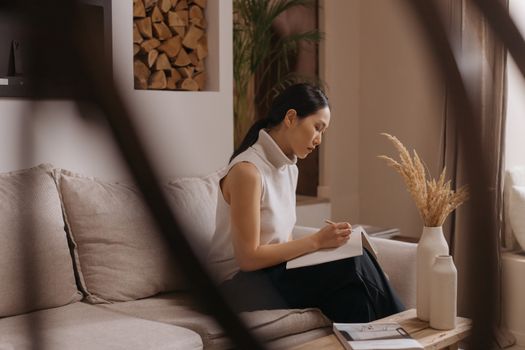
- Furniture: Look for low-profile sofas with clean lines, often upholstered in natural fabrics like linen or cotton. Wooden furniture, particularly with a matte finish, is prevalent. Think Scandinavian-style chairs with Japanese-inspired joinery.
- Decor Accents: This is where the wabi-sabi shines. Ceramics with subtle imperfections, hand-woven textiles, bamboo elements, and minimalist art are key. A single, beautifully crafted vase can be more impactful than a shelf full of trinkets.
- Lighting: Natural light is king. Sheer curtains that diffuse sunlight, simple pendant lights made from natural materials, and strategically placed floor lamps create a warm, inviting glow.
Pro-Tip: For a true Japandi feel, invest in a few high-quality, artisan-made pieces rather than many mass-produced items. The story behind an object adds to its beauty.
H3: Experiential Travel: Seeking Serenity on the Go
This design philosophy isn't just for our homes; it's influencing how we travel and what we seek in our destinations. This spring, travelers are drawn to places that embody these principles, offering a chance to decompress and reconnect.
- Mindful Retreats: Boutique hotels and guesthouses that prioritize natural materials, minimalist decor, and a connection to the local environment are booming. Think rooms with tatami mats, shoji screens, and views of serene gardens.
- Slow Travel: The emphasis is on quality over quantity. Instead of ticking off sights, travelers are opting for immersive experiences that allow them to absorb the local culture and aesthetics.
- Nature Immersion: Destinations offering tranquil landscapes, from the fjords of Norway to the bamboo forests of Arashiyama, are particularly appealing.
Pro-Tip: Look for accommodations that highlight their use of natural materials and sustainable practices. These are often the places that most embody the Japandi spirit.
H2: Pro-Tips for Embracing the Trend This Spring
Whether you're redecorating your living room or planning your next adventure, here’s how to infuse your life with the magic of Nordic minimalism and Asian design.
H3: In Your Home: A Spring Refresh
- Declutter with Intention: Before you buy anything new, take a critical look at what you already own. Keep only what you truly love or need. This is the foundation of both minimalism and wabi-sabi.
- Embrace Natural Textures: Introduce linen throws, wooden decorative bowls, or a rattan accent chair. These elements add warmth and organic appeal.
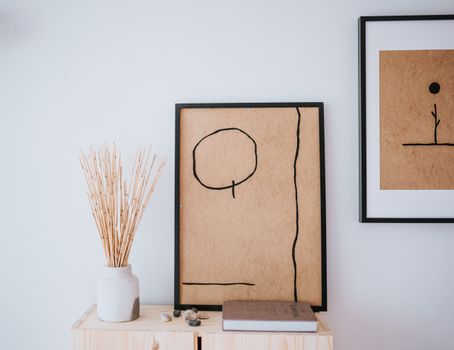
- Curate Your Art: Opt for simple, nature-inspired prints or abstract pieces with a limited color palette. A single, impactful piece can be more effective than a gallery wall.
- Bring in Greenery: Plants are non-negotiable. They add life, color, and a touch of the outdoors. Choose varieties that thrive indoors and complement your color scheme.
- Focus on Function: Re-evaluate your furniture. Do your pieces serve their purpose efficiently and aesthetically? Consider multi-functional items like storage ottomans or nesting tables.
- Warm Lighting: Swap out harsh overhead lights for dimmable lamps with natural fiber shades. The goal is a soft, ambient glow.
H3: On Your Travels: Seeking Japandi Destinations
- Kyoto, Japan: The undisputed heart of Japanese aesthetics. Explore temple gardens, stay in a traditional ryokan, and wander through the Arashiyama Bamboo Grove.
- Pro-Tip: Visit the Fushimi Inari Shrine at dawn to experience its magic without the crowds. The vermillion torii gates against the misty forest are breathtaking.
- Stockholm, Sweden: A city that epitomizes Scandinavian design. Explore the Museum of Modern Art, wander through the Gamla Stan (Old Town), and enjoy the concept of fika (coffee break) in a minimalist cafe.
- Pro-Tip: Take a ferry to Djurgården island for a dose of nature and to visit the beautifully preserved Vasa Museum.
- Ubud, Bali, Indonesia: While not strictly Nordic or Japanese, Ubud offers a profound connection to nature and a spiritual calm that aligns beautifully with Japandi principles. Many villas and resorts here embrace natural materials and serene design.
- Pro-Tip: Participate in a traditional Balinese cooking class to understand the local ingredients and culinary artistry.
- Coastal Villages in Norway: Imagine wooden cabins nestled against dramatic fjords, with interiors featuring natural wood, wool blankets, and panoramic views.
- Pro-Tip: Look for "rorbu" accommodations – traditional fishermen's cabins – for an authentic, minimalist experience.
H2: The Budget & Logistics: Making the Japandi Dream a Reality
This trend is about intentionality, not necessarily extravagance. You can embrace Japandi design and travel experiences without breaking the bank.
| Feature | Estimated Cost (USD) | Best Time to Visit (Spring) | How to Get There | | :---------------------- | :------------------- | :-------------------------- | :------------------------------------------------------- | | Home Decor Item | $50 - $500+ | N/A | Online retailers, local artisan shops, IKEA | | Kyoto, Japan (4 days) | $800 - $1500 | April - May | Flights to Kansai International Airport (KIX) | | Stockholm, Sweden (4 days) | $700 - $1400 | April - May | Flights to Stockholm Arlanda Airport (ARN) | | Ubud, Bali (4 days) | $500 - $1000 | April - May | Flights to Ngurah Rai International Airport (DPS) | | Norwegian Fjords (4 days) | $900 - $1800 | May - June | Flights to Bergen Airport (BGO) or Oslo Airport (OSL) |
Quick Notes on Budget:
- Flights: Book in advance for the best deals.
- Accommodation: Opt for guesthouses or boutique hotels for a more authentic and often more affordable experience than large chains.
- Food: Embrace local markets and street food for delicious and budget-friendly meals.
- DIY Decor: Many Japandi elements can be achieved with DIY projects or by repurposing existing items.
H2: The Soul of the Style: Authenticity and Craftsmanship
What truly elevates this trend beyond mere aesthetics is its emphasis on authenticity and craftsmanship. It’s about appreciating the human touch, the history embedded in objects, and the mindful creation process.
When I visited a small pottery studio in a Kyoto backstreet, the artisan, with hands weathered by years of practice, showed me how he intentionally left a slight ripple on the glaze of a teacup. "This," he explained through a translator, "is where the hand of the maker is felt. It reminds us that nothing is perfect, but everything can be beautiful." This sentiment is the very soul of wabi-sabi, and it’s beautifully complemented by the Scandinavian dedication to practicality and enduring quality.
This is not about sterile, mass-produced perfection. It's about warmth, character, and a deep respect for materials and the people who shape them. It's about finding beauty in the imperfect, the natural, and the thoughtfully made.
H2: Going Viral: Your Spring Design Inspiration
This fusion of Nordic minimalism and Asian design is more than a fleeting trend; it's a movement towards more intentional, peaceful, and beautiful living. As spring unfurls its gentle beauty, it's the perfect time to embrace this serene aesthetic.
Whether you're transforming your home into a sanctuary of calm or dreaming of a travel escape that nourishes your soul, let the principles of Japandi guide you. It’s a reminder that true beauty often lies in simplicity, nature, and the quiet moments of connection.
So, this spring, step away from the excess and embrace the elegance of less. Discover the profound joy that comes from living and traveling with intention.
More pictures



Tags
Share this guide
We may earn a commission if you click a link and buy a product or service, at no extra cost to you. How affiliate links work.
Been there?