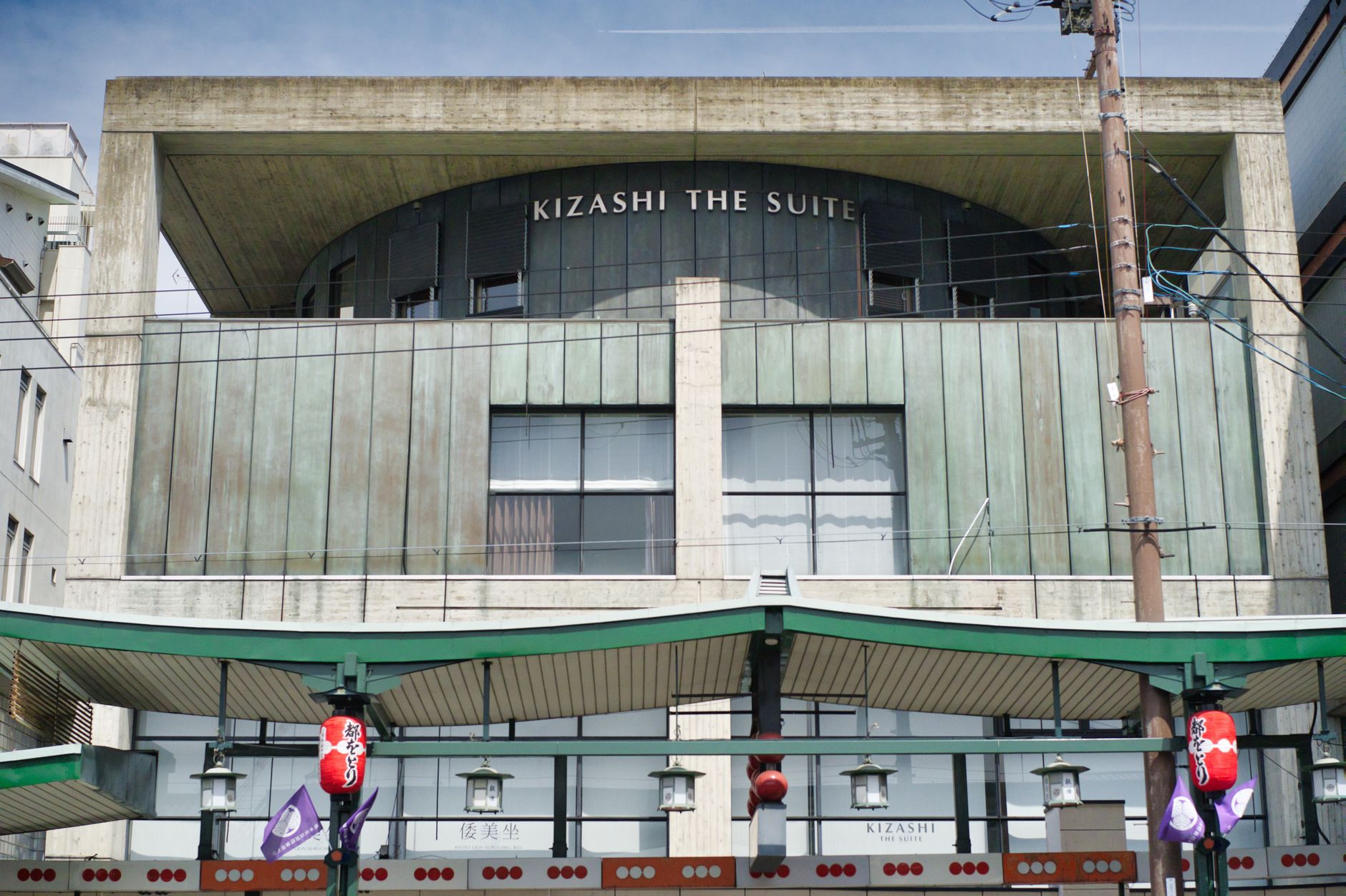
Nordic minimalism and several Asian design traditions share an interest in restraint, daylight and natural materials, and their meeting points are visible in architecture, interiors and craft. This guide explains the connections and where to look.
Nordic design and Asian design are often discussed together, sometimes under the label "Japandi," a term used by shops and home-decor writers to describe a blend of Japanese and Scandinavian aesthetics. The label is commercial rather than historical, and scholars and designers tend to describe the relationship in more careful terms. Both traditions value simple forms, honest materials, good craftsmanship and a generous use of natural light. Where they meet, the results can be seen in houses, furniture, public buildings and shops. Understanding why the two overlap helps travelers notice the details that make each place distinctive.
Shared Principles Behind the Overlap
Nordic minimalism grew out of a climate with long winters and limited daylight. Designers in Finland, Sweden, Denmark and Norway emphasized large windows, pale interiors, timber and stone, and furniture that could be used for decades. Japanese traditional architecture developed for different reasons, but it shares a respect for natural materials, for the quality of light through paper screens and open spaces, and for the idea that a room should feel calm rather than crowded. Concepts such as wabi-sabi, which values imperfection and the patina of age, and ma, which describes meaningful empty space, have parallels in Scandinavian thinking about restraint.
These parallels are not identical, and it is worth avoiding the assumption that one tradition simply copied the other. The overlap is better understood as a shared sensibility that developed in different places and occasionally influenced one another.
Historical Exchanges Between Scandinavia and Asia
Modernist architecture and design circulated widely during the twentieth century through exhibitions, publications and travel. Finnish architect Alvar Aalto, whose work included civic buildings and furniture with curved wood forms, had admirers in Japan, and his ideas were discussed by Japanese architects. Japanese designers also engaged with European modernism, including the Bauhaus, and adapted those ideas to local materials and building traditions. In later decades, Japanese and Scandinavian designers exchanged ideas through trade fairs, design schools and magazines, so the influence moved in several directions rather than one.
Travelers who want to see this history can look for museum displays on modernism, which often include both Nordic and Japanese objects. Details vary by institution and exhibition schedules change, so check current collections before visiting.
Where to See the Connections
Tokyo is a useful starting point. Design-focused venues such as the 21_21 Design Sight museum, which is associated with the designer Issey Miyake, present exhibitions that often explore the boundaries between craft, industry and everyday objects. Many neighborhoods also have small furniture showrooms and craft shops where timber joinery and simple ceramics are on display. Kyoto offers a different view, with traditional machiya townhouses, temple gardens and workshops that demonstrate longstanding craft methods.
In Scandinavia, Helsinki's Design District brings together studios and shops in the city center, and the city holds notable Aalto buildings and furniture collections. Copenhagen has the Designmuseum Danmark, which covers Danish design history. In Seoul, the hanok neighborhoods of Bukchon and Samcheong-dong show traditional wooden houses, and modern galleries nearby often present contemporary Korean craft. Opening hours and admission policies change, so check current details before planning a route.
Practical tips
When visiting design shops, look beyond the packaged "Japandi" products and ask makers where materials come from and how objects are finished. Many workshops welcome visitors during set hours, but appointments are often needed for studio tours. Plan museum visits around temporary exhibitions, which tend to show the most current thinking about the relationship between traditions. Carry a small notebook or use your phone to record makers and shops you want to revisit. Be considerate in traditional spaces such as temples and tea houses by following posted rules about photography and shoes.
Common mistakes to avoid
A frequent mistake is treating the Japandi label as a guide to history. The term is commercial and does not describe a single tradition, so visitors who expect a clear timeline may be disappointed. Another error is visiting design shops and seeing only packaged goods, without asking where materials come from or how objects are made. Travelers also sometimes enter temples, tea houses or traditional homes without checking posted rules on photography, footwear and conduct. Finally, many people plan too many museum visits in one day, which can make it hard to notice the subtle differences in materials and proportions that give each space its character.
Who this suits and who it does not
Design-focused travel of this kind tends to suit people who enjoy architecture, craft and quiet observation, and who like slow walks between studios and galleries. It can appeal to couples, solo travelers and design students who want to see how ideas move between places. It may be less suitable for travelers who want a fast-paced itinerary of landmarks, or who expect a single defined style they can label and buy. Families with young children can still enjoy museums and open spaces, but may find that long workshop visits require more patience.
Frequently asked questions
Is Japandi a real design movement? The word is widely used in retail and interior writing, but scholars tend to describe the overlap in broader terms, such as shared values around restraint and natural light.
Do I need to book studio visits? Many workshops welcome visitors during set hours, but tours often need appointments, so check ahead before travelling.
Which city is best for this theme? It depends on your interests. Tokyo, Kyoto, Helsinki, Copenhagen and Seoul each offer different views on the connections, and combining two of them may give a richer picture.
The meeting of Nordic minimalism and Asian design is best appreciated as a conversation rather than a trend. Both traditions offer lessons in using less, choosing materials carefully and valuing light. Travelers who look for the connections in museums, workshops and everyday streets will find a richer picture than any single style label can give.
More pictures


Tags
Share this guide
We may earn a commission if you click a link and buy a product or service, at no extra cost to you. How affiliate links work.
Been there?