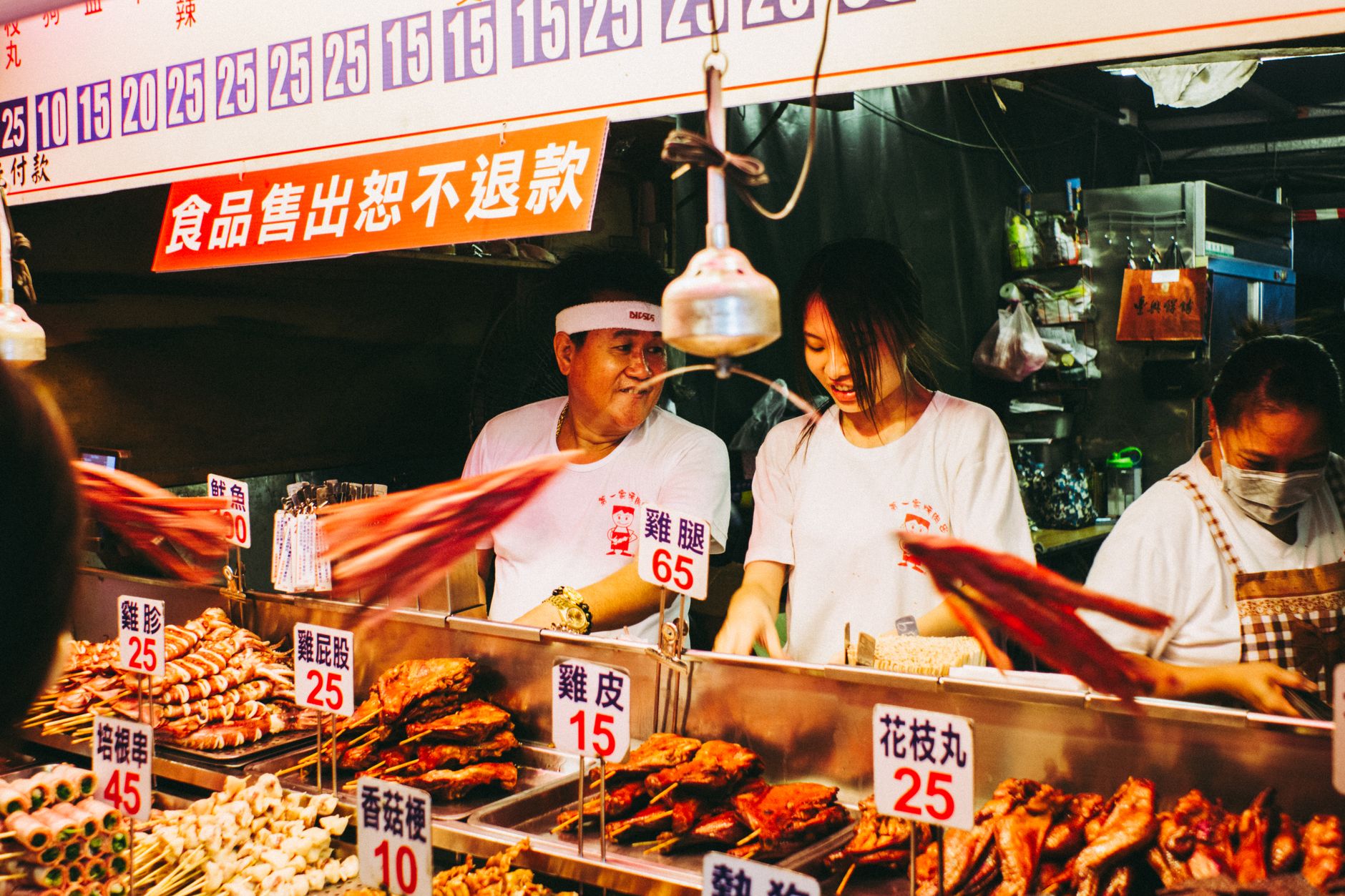
Forget the fancy restaurants and dive fork-first into the vibrant chaos of night markets where the real magic happens. We're talking about the bustling, fragrant hubs where locals unwind, share stories, and, most importantly, devour unbelievably delicious street food. Prepare your taste buds for an unforgettable journey to the heart of global culinary culture.
The first time I truly understood the soul of a city wasn't in a grand museum or atop a towering skyscraper. It was huddled on a tiny plastic stool, chopsticks in hand, amidst a cacophony of sizzles, shouts, and laughter. The air was thick with the scent of garlic, chili, and something wonderfully unidentifiable, as a stream of motorbikes whizzed past just inches from my elbow. I was in a night market, but not just any night market – this was where the locals ate. And my world, and my palate, were forever changed.
We’ve all seen the postcard-perfect images of bustling night markets, vibrant and inviting. But there’s a crucial distinction between the well-trodden tourist trails and the authentic culinary battlegrounds where residents gather after a long day. These aren't just places to grab a quick bite; they are cultural institutions, social hubs, and, quite frankly, some of the best open-air restaurants on the planet. If you want to truly taste a destination, to feel its pulse and understand its people, you must experience these night markets before you die.
Forget the sanitized, overpriced versions designed for Instagram. Today, we're diving deep into the fragrant, chaotic, and utterly delicious world of night markets where locals actually eat. Get ready to embark on a culinary adventure that will redefine your travel experience.
The Soul of the Street: Why Local Night Markets Matter
Why do these markets hold such a special place in my heart, and why should they be at the top of your travel list? It's simple: authenticity, affordability, and a vibrant sense of community.
Authenticity: This is where traditional recipes, passed down through generations, come alive. You won't find fusion cuisine or watered-down flavors here. You'll find the real deal, cooked with passion and expertise by vendors who have often been perfecting their craft for decades. It's a direct connection to the culinary heritage of a place.
Affordability: Eating at a local night market is almost always incredibly budget-friendly. You can sample a dizzying array of dishes for the price of a single meal at a sit-down restaurant. This allows for adventurous grazing, trying new things without breaking the bank, and filling your belly with genuine local goodness.
Community: Night markets are social melting pots. Families gather, friends meet, and strangers share tables, laughter, and sometimes even tips on the best stall. It’s an immersive experience that puts you right in the heart of local life, offering glimpses into daily routines and cultural rituals that you simply won't find elsewhere. The energy is infectious, the stories are endless, and the food is the universal language that brings everyone together.
So, how do you spot these elusive local gems amidst the tourist traps? Look for the crowds of locals, the lack of English menus (a good sign, but don't worry, pointing works wonders!), and the general buzz of everyday life rather than overt tourist marketing. Trust your instincts, and follow your nose!
Asia's Culinary Heartbeat: A Foodie's Paradise
Asia is arguably the undisputed king of night markets. From the bustling streets of Taiwan to the hidden alleys of Vietnam, the continent offers an unparalleled sensory feast after dark.
Taipei, Taiwan: Ningxia & Raohe Night Markets
Taiwanese night markets are legendary, and while Shilin often gets the spotlight, it can be a bit of a tourist circus. For a truly local experience, head to Ningxia Night Market or Raohe Street Night Market.
Ningxia Night Market is often dubbed "Taipei's Kitchen" by locals. It’s smaller, more manageable, and packed with traditional Taiwanese delicacies. The atmosphere is cozy, with a strong emphasis on food over trinkets.
- Must-Try Dishes:
- Oyster Omelet (蚵仔煎, Oh-Ah-Jian): A savory, starchy omelet packed with plump oysters and local greens, drizzled with a sweet and spicy sauce. It’s a textural masterpiece.
- Braised Pork Rice (滷肉飯, Lu Rou Fan): A humble bowl of rice topped with slow-braised, melt-in-your-mouth pork belly. Pure comfort food.
- Mochi with Peanut Powder (麻糬, Ma Shue): Freshly made mochi, soft and chewy, rolled in sweet peanut powder. A simple, delightful dessert.
- Taro Balls (芋圓, Yu Yuan): Chewy taro and sweet potato balls, often served hot or cold with various toppings.
- Price Point: Most dishes range from TWD 50-150 (approx. $1.50-$5 USD). You can feast like royalty for under $15.
- Local Tip: Look for the vendors with long lines, especially for the oyster omelets and braised pork rice. Don't be shy; join the queue!
Raohe Street Night Market is another fantastic option, easily accessible and boasting a magnificent temple at its entrance. It's a linear market, making it easy to navigate, and offers a fantastic mix of traditional and innovative street food.
- Must-Try Dishes:
- Fuzhou Pepper Buns (福州世祖胡椒餅, Hújiāo Bǐng): Baked in a traditional clay oven, these crispy, savory buns are filled with juicy pork and a generous amount of black pepper. The line is always long, but it moves fast and is absolutely worth it.
- Herbal Rib Soup (藥燉排骨, Yào Dùn Pái Gǔ): A fragrant, warming broth with tender pork ribs, simmered with various Chinese herbs. Perfect for a cool evening.
- Price Point: Similar to Ningxia, very affordable.
- Local Tip: Arrive early (around 5:30 PM) to beat the biggest crowds, especially for the pepper buns.
Bangkok, Thailand: Rot Fai Market Srinakarin & Or Tor Kor Market
Bangkok's street food scene is legendary, but many of the central markets cater heavily to tourists. For a truly local, vibrant experience, head to Rot Fai Market Srinakarin (the original "Train Market"). It’s a bit of a trek from central Bangkok, but that’s precisely why it retains its authentic charm.
- Vibe: Less about the train tracks now and more about a sprawling vintage market mixed with incredible food stalls. It’s massive, atmospheric, and bursting with energy.
- Must-Try Dishes:
- Giant Seafood Platters (มาม่าหม้อไฟ, Mama Mok Fai): Think massive platters of grilled prawns, squid, mussels, and fish, often served with spicy dipping sauces. Shareable and unforgettable.
- Pad Thai (ผัดไทย): While ubiquitous, finding an authentic, wok-charred Pad Thai from a local vendor here is a revelation. Look for the ones cooking over high heat.
- Spicy Grilled Pork Neck (คอหมูย่าง, Kor Moo Yang): Tender, fatty, and incredibly flavorful slices of grilled pork, often served with a fiery dipping sauce.
- Mango Sticky Rice (ข้าวเหนียวมะม่วง, Khao Niao Mamuang): A classic dessert – sweet sticky rice, ripe mango slices, and a drizzle of coconut cream.
- Price Point: Expect to pay THB 50-200 ($1.50-$6 USD) per dish. The seafood platters might be more, but still excellent value.
- Local Tip: Go on a weekend (Thursday-Sunday) as it's fully operational then. Wear comfortable shoes and be prepared to wander for hours. Grab a refreshing Thai iced tea or fresh coconut juice to stay hydrated.
For a slightly different, more upscale (but still very local) food experience, consider Or Tor Kor Market. It's ranked as one of the world's best fresh markets, and while it's primarily a daytime market, many prepared food stalls operate into the early evening, offering incredibly high-quality, ready-to-eat dishes.
- Must-Try Dishes:
- Curries & Stews: A vast selection of pre-made curries, stews, and stir-fries, often served with rice. Point to what looks good!
- Fresh Fruit: Indulge in perfectly ripe tropical fruits like durian (if you dare!), mangosteen, and rambutan.
- Price Point: A bit higher than street food, but still very reasonable for the quality.
- Local Tip: It's air-conditioned, a welcome respite from the Bangkok heat.
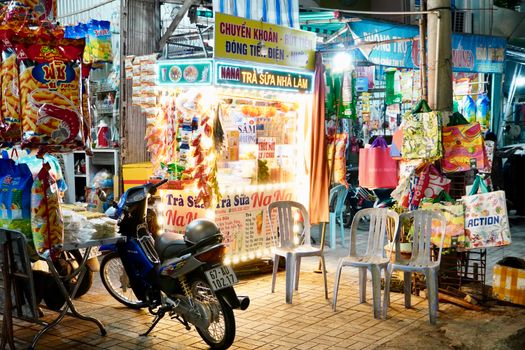
Hanoi, Vietnam: Old Quarter Street Food & Dong Xuan Market Area
Hanoi doesn't have a single designated "night market" in the same vein as Taipei or Bangkok, but its Old Quarter transforms into a sprawling, informal night market every evening. Every street corner, every alleyway, comes alive with vendors serving up iconic Vietnamese dishes on tiny plastic tables. The area around Dong Xuan Market is particularly vibrant.
- Vibe: Utterly chaotic, incredibly charming, and deeply authentic. You'll be sitting shoulder-to-shoulder with locals, dodging motorbikes, and soaking in the rich tapestry of Hanoi life.
- Must-Try Dishes:
- Bun Cha (Bún chả): Grilled pork patties and slices of pork belly served in a sweet, sour, and savory broth with vermicelli noodles and fresh herbs. A true Hanoian specialty.
- Pho (Phở): While famous for breakfast, many Pho stalls operate well into the night. Find a busy one and slurp down a comforting bowl of beef or chicken noodle soup.
- Banh Mi (Bánh mì): The iconic Vietnamese sandwich. Crispy baguette filled with pâté, various meats, pickled vegetables, and fresh herbs. Perfect for a late-night snack.
- Egg Coffee (Cà Phê Trứng): A unique Hanoian invention – rich Vietnamese coffee topped with a creamy, frothy egg yolk concoction. More dessert than drink, and utterly delicious.
- Nem Ran (Nem rán): Crispy fried spring rolls, often served with a dipping sauce.
- Price Point: Incredibly cheap! Most dishes cost VND 20,000-50,000 (less than $1-$2.50 USD). You can eat like a king for $5.
- Local Tip: Don't be afraid to sit on the tiny plastic stools – it's part of the experience. Follow the locals to the busiest stalls. Many vendors specialize in just one or two dishes, perfecting them over years.
Beyond Asia: Global Flavors Under the Stars
While Asia dominates the night market scene, other parts of the world offer equally captivating nocturnal culinary experiences where locals gather to eat and socialize.
Marrakech, Morocco: Djemaa el-Fna after Dark
Djemaa el-Fna in Marrakech is iconic, a UNESCO World Heritage site that transforms dramatically once the sun sets. While it's a major tourist attraction, the food stalls that pop up in the evening are undeniably where many locals come to eat, socialize, and enjoy the spectacle. The sheer scale and energy are breathtaking.
- Vibe: A theatrical, sensory overload. Storytellers, snake charmers, musicians, and henna artists perform amidst hundreds of food stalls that magically appear at dusk, filling the square with fragrant smoke and joyous chatter.
- Must-Try Dishes:
- Harira (الحريرة): A hearty, traditional Moroccan soup, often served with dates. It's a staple, especially during Ramadan, but delicious any time.
- Tangia (الطنجية): A slow-cooked lamb or beef stew, traditionally cooked in an urn in the embers of a public hammam furnace. Incredibly tender and flavorful. Look for stall #14 or #26.
- Grilled Meats & Kebabs: Lamb, beef, and chicken kebabs are plentiful, grilled fresh over charcoal.
- Snail Soup (غلالة): An adventurous local delicacy. Small snails cooked in a highly aromatic, spicy broth. It's surprisingly delicious and a true Moroccan experience.
- Mint Tea (الشاي بالنعناع): The quintessential Moroccan drink, served sweet and poured with flair.
- Price Point: Dishes range from MAD 10-50 ($1-$5 USD). Tangia might be a bit more.
- Local Tip: Don't feel pressured by the touts; wander around, check out the menus (many have English), and choose a stall that looks busy and clean. Bargain politely if you're buying goods, but food prices are usually fixed. Embrace the chaos and enjoy the show!
Mexico City, Mexico: Street Food Clusters (Puestos) & Tianguis
Mexico City doesn't have centralized "night markets" in the Asian style, but its street food scene is legendary and vibrant, with many puestos (stalls) and tianguis (open-air markets) operating well into the evening, especially in local neighborhoods. The magic happens on street corners and in bustling plazas where locals gather for their evening fix.
- Vibe: Energetic, colorful, and incredibly flavorful. The air is filled with the scent of sizzling meat, fresh tortillas, and spicy salsas. It’s a social affair, with families and friends gathering around communal tables or standing at counters.
- Must-Try Dishes:
- Tacos al Pastor: Thin slices of marinated pork, cooked on a vertical spit (like a trompo), shaved off and served on small tortillas with pineapple, onion, and cilantro. A true culinary icon. Look for a busy taqueria or street stall.
- Esquites (or Elotes): Corn kernels (esquites) or a whole cob (elotes) boiled or grilled, then slathered with mayonnaise, cotija cheese, chili powder, and lime juice. Addictive!
- Tlacoyos: Thick, oval-shaped corn tortillas, usually blue corn, filled with beans, cheese, or fava beans, then topped with various salsas, cheese, and sometimes meat.
- Quesadillas (without cheese!): In Mexico City, a quesadilla doesn't automatically come with cheese. You specify your filling: huitlacoche (corn smut), flor de calabaza (squash blossoms), mushrooms, or meat.
- Churros: Crispy fried dough, dusted with sugar and cinnamon, often served with chocolate or cajeta (caramel) dipping sauce.
- Price Point: Tacos are usually MXN 10-25 ($0.50-$1.25 USD) each. You can fill up for MXN 100-200 ($5-$10 USD).
- Local Tip: Look for the stalls with the longest lines – that's usually a sign of quality and freshness. Don't be afraid to try different salsas, but ask if they're spicy! "Pica?" (Does it sting?) is a useful phrase. Many stalls specialize in just one type of taco or dish, perfecting it.
Navigating the Chaos: Practical Tips for the Savvy Foodie
Venturing into a bustling night market can be overwhelming, but with a few pointers, you'll navigate like a pro.
- Follow the Locals: This is your golden rule. The stalls with the longest queues of locals are almost always the best, indicating delicious food and good hygiene.
- Go with an Empty Stomach (and an Open Mind): Don't fill up beforehand! The joy of a night market is sampling a little bit of everything. Be adventurous – try things you've never heard of.
- Cash is King: Most street vendors operate on a cash-only basis. Have plenty of small denominations ready for quick transactions.
- Hygiene Watch: While street food is generally safe, a few common-sense rules apply. Look for stalls where food is cooked fresh to order, ingredients look vibrant, and the vendor is busy (meaning high turnover). Avoid anything that looks like it's been sitting out for too long. Bottled water is always a good idea.
- Point and Smile: Don't speak the local language? No problem! Point to what you want, use hand gestures for quantity, and a friendly smile goes a long way. Many vendors will understand basic English, especially in popular markets.
- Embrace Communal Dining: Be prepared to share tables, stools, or even stand while eating. It’s part of the authentic experience and a great way to meet fellow food enthusiasts.
- Pace Yourself: It's easy to get carried away. Take small portions, share with friends, and save room for dessert!
- Stay Hydrated: The heat and spices can be intense. Keep an eye out for fresh juices, local iced teas, or just plain bottled water.
- Keep Valuables Secure: Like any crowded place, be mindful of your belongings. A cross-body bag or money belt is always a good idea.
- Don't Expect Fine Dining Etiquette: It's street food! Napkins might be scarce, and cutlery might be minimal. Dive in with your hands if that's how the locals do it!
The Unspoken Language of Food: Connecting with Locals
My most cherished travel memories aren't always about the grand sights; they're often about the fleeting, genuine connections made over a shared meal. Like the time in Hanoi, when an elderly woman, seeing me struggle with chopsticks, gently showed me the right way to hold them, her eyes twinkling with amusement. Or the vendor in Taipei who, despite the language barrier, insisted I try a sample of a new dish, beaming with pride as I devoured it.
Food is a universal language, and nowhere is this more evident than in a local night market. It's a place where social barriers melt away, where a simple gesture of sharing a table or complimenting a dish can lead to a moment of genuine human connection. These are the moments that truly enrich your travels, transforming a simple meal into a lasting memory.
Your Culinary Adventure Awaits!
So, are you ready to ditch the tourist traps and dive headfirst into the vibrant, aromatic, and utterly delicious world of night markets where locals actually eat? These aren't just places to fill your stomach; they are cultural immersions, sensory explosions, and the truest expressions of a city's heart and soul.
From the fiery pepper buns of Taipei to the smoky tangia of Marrakech, each bite tells a story, each market offers a glimpse into a way of life. These are the experiences that stay with you long after the last morsel is gone, leaving you with a richer understanding of the world and a profound appreciation for its diverse culinary landscape.
Pack your bags, bring your appetite, and prepare for a journey that will tantalize your taste buds and nourish your soul. Share your favorite night market finds with us on social media using #TripsoraEats and inspire fellow food adventurers! What hidden gem will you discover next?
More pictures


Tags
Share this guide
We may earn a commission if you click a link and buy a product or service, at no extra cost to you. How affiliate links work.
Been there?