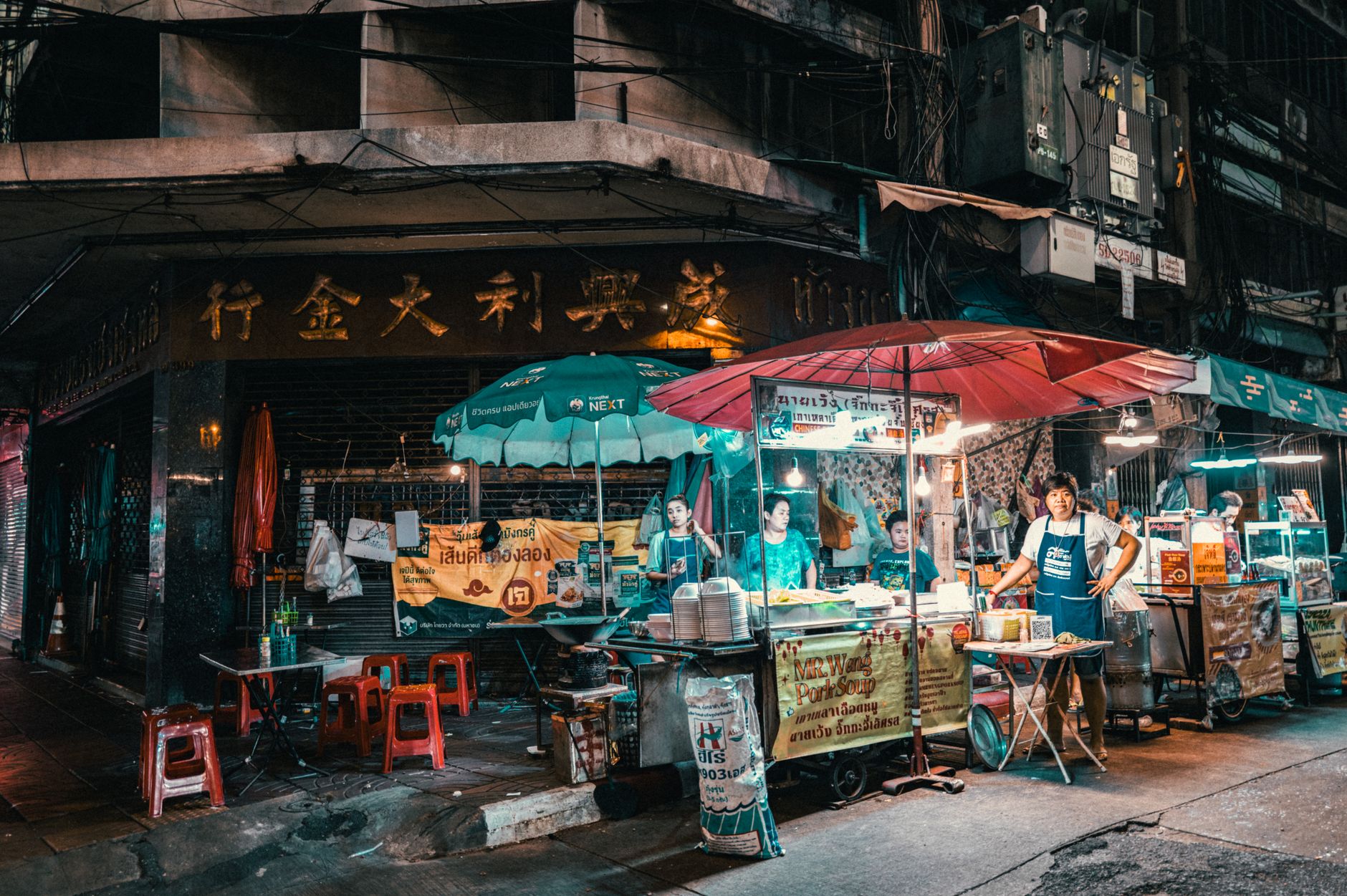
Tired of bland tourist-trap meals? I was too, until I discovered the magic of night markets where locals actually eat. These vibrant, chaotic, and utterly delicious hubs transformed my travel experience forever, proving that the best way to know a place is through its food. Prepare to have your taste buds and your perspective changed! ---
The Secret Night Markets Where Locals Eat That Changed My Life Forever
Let me tell you a secret, a truth I learned the hard way: if you’re eating at a restaurant with an English menu and pictures on the wall right next to a major tourist attraction, you’re probably missing out. Big time. For years, I traveled, ticking off landmarks, snapping photos, and then settling for decent-but-forgettable meals. I enjoyed myself, sure, but something was always… missing. A connection, a certain spark that makes a place truly come alive.
Then, somewhere between a bland Pad Thai in a touristy Bangkok street and a revelation in a bustling Chiang Mai alleyway, it hit me. The real heart of a city, its true flavor, doesn't lie in air-conditioned restaurants or polished cafes. It thrives in the noisy, smoky, gloriously chaotic night markets where locals gather, laugh, and eat. These aren't just places to grab a bite; they are living, breathing ecosystems of culture, community, and culinary brilliance. And once I started seeking them out, my travels, and indeed my life, were changed forever.
This isn’t just about finding cheap eats (though they are incredibly budget-friendly!). It’s about cultural immersion, about tasting stories, and about connecting with a place on a visceral, unforgettable level. If you're ready to ditch the guidebooks, silence the "safe" choices, and embark on a culinary adventure that will redefine your wanderlust, then keep reading. I’m about to spill the beans on how to find these local treasures and share the specific markets that left an indelible mark on my soul (and my stomach!).
The Epiphany: Why Local Night Markets Matter (Beyond the Plate)
My journey to seeking out local night markets wasn't a sudden decision; it was a gradual awakening. It started with a feeling of dissatisfaction after too many generic meals. I craved authenticity, real flavors, the kind that tell a story of a place and its people. And that's exactly what local night markets deliver, in spades.
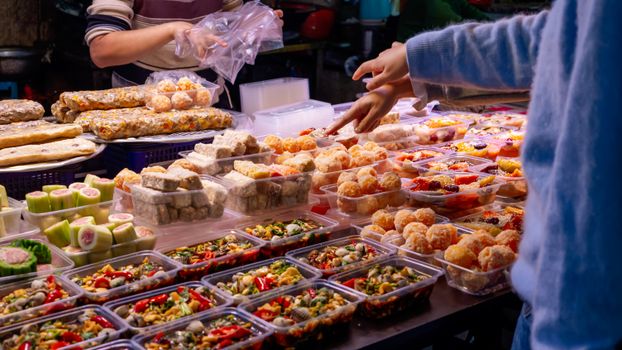
Unlike their tourist-centric counterparts, these markets aren't designed for Instagram aesthetics (though they are incredibly photogenic!). They are functional, daily rituals for the local community. Here, you'll find grandmothers haggling for fresh produce, families sharing a communal meal after a long day, and friends catching up over sizzling skewers. The air is thick with the aroma of spices, grilled meats, and sweet desserts. The sounds are a symphony of clanging woks, chatter, laughter, and sometimes, live music.
This isn’t just dining; it’s an experience. It’s a sensory overload in the best possible way. You’re not just eating food; you're participating in a centuries-old tradition, witnessing the rhythm of daily life, and becoming a temporary part of the local fabric. The food, of course, is paramount. It’s often prepared with recipes passed down through generations, using fresh, local ingredients, and served with a passion you won't find in a sterile kitchen. It’s here that you truly taste the soul of a destination.
Decoding the Local Scene: How to Find the Real Gems
So, how do you find these elusive local haunts? It's not always as simple as a quick Google search for "best night market." Tourist markets often dominate those results. Here’s my tried-and-true strategy for uncovering the genuine article:
- Ask the Locals (the Right Ones): Don't ask your hotel concierge; they often recommend places catering to tourists. Instead, ask the friendly barista at a local coffee shop, your Airbnb host, a taxi driver, or even a local shop owner. Phrase your question carefully: "Where do you and your family like to eat street food at night?" or "Is there a night market locals go to that isn't for tourists?"
- Follow the Crowds (of Locals): This is perhaps the most reliable indicator. If you see a food stall or a market teeming with local families, students, and workers, you're probably onto something good. Long lines are usually a sign of exceptional flavor.
- Look for Specific Dishes: Do some research on local specialties before you go. Then, look for stalls that specialize in one or two dishes, as this often indicates mastery.
- Observe Hygiene (Subtly): While "street food" might sound intimidating to some, many local stalls maintain excellent hygiene. Look for high turnover of food (meaning it's fresh), clean cooking surfaces, and vendors who handle money with one hand and food with the other (or use gloves). If a stall looks perpetually busy, it's usually a good sign that the food is not only delicious but also safe.
- Venture a Bit Off the Beaten Path: The most authentic markets are often a short walk, bus ride, or Grab/Uber trip away from the main tourist hubs. Don't be afraid to explore a new neighborhood.
- Trust Your Nose (and Eyes): The aroma of sizzling garlic, grilling meats, and fragrant spices is an undeniable magnet. Visually, look for vibrant colors, fresh ingredients, and passionate chefs.
My Top 3 Life-Changing Night Markets
These are the places that truly solidified my belief that local night markets are the ultimate travel experience. Each offered not just incredible food, but a profound cultural connection.
1. Chiang Mai, Thailand: Warorot Market (Kad Luang)
Forget the flashy Sunday Walking Street; while charming, it's largely for tourists. For a truly local experience in Chiang Mai, make your way to Warorot Market (Kad Luang), especially as dusk falls. During the day, it's a bustling fresh market, but at night, a section transforms into a vibrant street food haven where Northern Thai flavors shine.
My first visit here was transformative. I wandered through narrow aisles, the air thick with the scent of lemongrass, chili, and sweet sticky rice. I spotted a tiny stall with a line of locals, all patiently waiting for a bowl of Khao Soi. This iconic Northern Thai curry noodle soup, rich with coconut milk, fragrant spices, and tender chicken, topped with crispy noodles, looked irresistible. I pointed, used a few broken Thai words, and soon, a steaming bowl was in my hands for a mere 60 THB (approx. $1.70 USD). The vendor, an elderly woman with kind eyes, watched me, giggling as I struggled (and failed) to eat it elegantly. She then showed me how to mix in the pickled mustard greens, shallots, lime, and chili paste, transforming an already delicious dish into an explosion of flavors. It was more than just a meal; it was a lesson, a connection, a moment of shared humanity.
Beyond Khao Soi, you must try Sai Oua (Northern Thai sausage, spicy and herbaceous), Nam Prik Ong/Nam Prik Noom (chili dips with fresh vegetables), and a plethora of exotic fruits and sticky rice desserts. Prices are incredibly low, often ranging from 50-80 THB per dish. The atmosphere is genuine, unpretentious, and utterly captivating. It’s messy, it’s loud, and it’s gloriously real.
2. Hanoi, Vietnam: Old Quarter Street Food Stalls
Hanoi isn't about one single night market, but rather an intricate, sprawling network of street food stalls that awaken across its Old Quarter as the sun sets. The entire city transforms into an open-air restaurant, and navigating it is an adventure in itself.
My most vivid memory is of a rainy evening, huddled under a tiny tarp, perched on a ridiculously small plastic stool no more than six inches off the ground. I was sharing a communal table with a Vietnamese family, all of us slurping down bowls of Bún chả. This dish, a symphony of grilled pork patties and slices of pork belly served in a sweet and sour broth with vermicelli noodles and fresh herbs, was utterly divine. The smoky aroma of the grilled pork, the crispness of the spring rolls, the warmth of the broth – it was an experience that engaged every single sense. Each bowl cost around 40,000 VND (approx. $1.70 USD).
Don't leave Hanoi without trying the legendary Pho (especially for breakfast, but available at night too), the crispy Bánh mì (Vietnamese baguette sandwiches bursting with fillings), and, of course, the unique Cà Phê Trứng (egg coffee) from a hidden cafe. The beauty of Hanoi's street food is its ubiquity and specialization. Each vendor often sells just one or two items, perfected over generations. Look for the busiest stalls, often indicated by the sheer number of tiny stools spilling onto the sidewalk. The locals here are often shy but incredibly welcoming, especially if you show genuine appreciation for their food.
3. Oaxaca, Mexico: Mercado de La Merced (Night Section)
Venturing beyond Asia, my culinary quest led me to Oaxaca, Mexico, a city renowned for its vibrant food culture. While there are many markets, the night section of Mercado de La Merced offers a truly local and captivating experience, especially for grilled meats and traditional Oaxacan antojitos (snacks).
The moment I stepped into the dedicated "Pasillo de Humo" (Hall of Smoke) or the general night food area, I was enveloped in a cloud of intoxicating smoke from mesquite grills. Here, you choose your raw meat – tasajo (thinly sliced beef), cecina (pork marinated in chili), or chorizo – and it’s grilled to perfection right before your eyes. It’s then served with an array of accompaniments: grilled onions, radishes, fresh cilantro, salsas, and warm tortillas. I remember picking out a generous portion of tasajo and chorizo, which was grilled and served to me with a mountain of fresh garnishes. The entire feast, easily enough for two, cost me around 150 MXN (approx. $8 USD).
But it’s not just the grilled meats. You'll find vendors making fresh Tlayudas (large, crispy tortillas topped with beans, cheese, and various meats), Memelas (thick corn tortillas with asiento, cheese, and salsa), and Mole (Oaxaca is the land of seven moles, and you’ll find them in various forms). The air hums with mariachi music, families share large tables, and the colors are as vibrant as the flavors. It’s a feast for all senses and a true celebration of Oaxacan life. The smoky air, the communal tables, the sheer joy of eating incredible food prepared with love – it was an experience that felt deeply authentic and nourishing to my soul.
Navigating the Chaos: Essential Tips for First-Timers
Feeling inspired but a little overwhelmed? Don't be! With a few simple tips, you'll be navigating these culinary landscapes like a seasoned pro.
- Embrace the Unknown: Part of the adventure is trying things you can't identify. Point, smile, and be open-minded. You might discover your new favorite dish!
- Go with an Empty Stomach (and an Open Mind): Seriously, pace yourself. Try small portions from multiple stalls to experience the full range of flavors.
- Cash is King (Small Denominations): Most street vendors only accept local currency, and often prefer smaller bills. Break larger notes beforehand.
- Hygiene Hacks: While most local places are clean, it never hurts to be prepared. Carry hand sanitizer, and opt for food that is cooked fresh to order, served piping hot, and from stalls with high customer turnover. Bottled water is always a safe bet.
- Learn a Few Local Phrases: Even "hello," "thank you," and "delicious" in the local language can go a long way in building rapport and enhancing your experience. Google Translate's camera function is a lifesaver for menus.
- Don't Be Afraid to Share: Many local night market experiences involve communal tables. Embrace it! It's a fantastic way to meet people and observe local customs.
- Dress Comfortably: You'll be walking, standing, and possibly sitting on tiny stools. Wear comfortable shoes and breathable clothing.
- Be Patient and Polite: Things might move slower than you're used to, and there might be a language barrier. A smile and patience will get you far.
- Capture the Moment (Respectfully): These markets are incredibly photogenic! Snap away, but always be mindful and respectful of vendors and other diners. Ask for permission if you want to take a close-up photo of a person.
Beyond the Plate: The True Cultural Immersion
While the food is undoubtedly the star of the show, the true magic of these local night markets lies in the cultural immersion they offer. It’s here that you witness the unvarnished daily life of a city. You see families interacting, friends laughing, and the quiet dignity of vendors who pour their heart and soul into their craft.
I remember watching a grandmother in Oaxaca meticulously patting out tortillas, her movements fluid and practiced after decades. In Hanoi, I saw a group of teenagers sharing a single bowl of snails, their animated conversation filling the humid air. These aren't staged performances for tourists; they are genuine moments of life unfolding.
Eating at these markets breaks down barriers. It's an act of participation, not just observation. You're not just a spectator; you're part of the vibrant tapestry. It taught me humility, patience, and the universal language of good food. It broadened my perspective, challenging my preconceived notions and showing me the incredible diversity and resilience of human culture. This is the "life-changing" part: realizing that connection, understanding, and joy can be found in the simplest, most authentic of settings.
Go Forth and Feast!
If you haven't yet experienced the profound joy of eating at a truly local night market, I implore you: make it your next travel mission. Ditch the fancy restaurants, ignore the tourist traps, and seek out the places where the locals eat. It’s an adventure for your taste buds, a feast for your senses, and an unforgettable journey into the heart and soul of a destination.
Prepare to be amazed. Prepare to be delighted. Prepare to have your life, and your travels, changed forever.
What's your favorite local night market experience? Share your stories and tips in the comments below! Let's inspire each other to eat like locals and travel authentically!
---
More pictures


Tags
Share this guide
We may earn a commission if you click a link and buy a product or service, at no extra cost to you. How affiliate links work.
Been there?