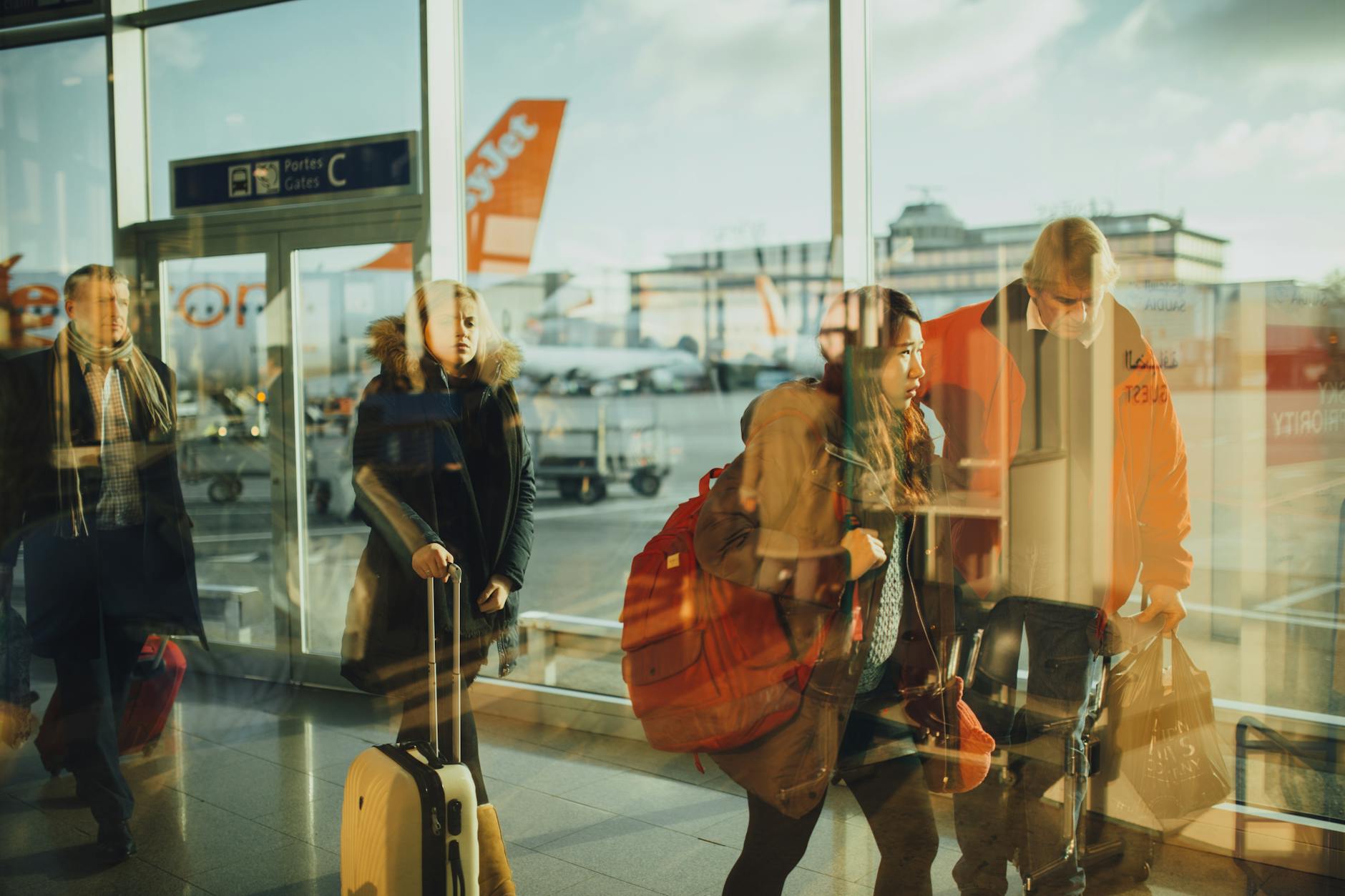
Winter wanderlust just got easier! Forget travel headaches – new trade agreements are slashing red tape, slashing costs, and unlocking incredible destinations. Your ultimate winter escape awaits, with less hassle and more adventure. Dive in!
The Hook:
I stepped off the plane in Kyoto, the crisp winter air carrying the faint, sweet scent of yuzu and the distant chime of temple bells. It was my first solo trip to Japan, and frankly, I was a nervous wreck. Would my visa be a problem? Would I be able to navigate the language barrier? Would my carefully planned itinerary crumble at customs? But as I breezed through immigration, a sense of calm washed over me. The process was… smooth. Almost too smooth. It was then I remembered reading about the new bilateral tourism agreements that had recently come into effect, promising to simplify travel for citizens of my country. This wasn't just a vacation; it was a testament to how global policy changes could directly translate into more accessible, enjoyable adventures. And this winter, that revolution is only accelerating.
Unlocking the Globe: How New Trade Agreements Are Your Winter Travel Secret Weapon
For years, the dream of spontaneous international travel often felt like navigating a labyrinth of visa applications, currency exchange woes, and complex customs regulations. But the travel landscape is shifting dramatically, driven by a wave of innovative trade agreements designed to boost economies and foster cultural exchange. This winter, these agreements aren't just abstract policy discussions; they are your golden ticket to a more seamless, affordable, and exciting travel experience. Forget the pre-trip stress; we're talking about unlocking destinations you might have only dreamed of, with unprecedented ease.
The Schengen Spark: Expanding Horizons (and Reducing Stamping)
The Schengen Area, a cornerstone of European integration, has always been a dream for many travelers. While not a "new" agreement, recent expansions and consolidations within its framework, coupled with bilateral agreements between individual Schengen states and non-EU countries, are making access even smoother. Think less border hopping, more immersive exploration.
Pro-Tip: Many countries within the Schengen zone are now leveraging digital visa applications that are processed significantly faster. For instance, applying for a German Schengen visa online can now take as little as 10-15 business days, a stark contrast to the months it used to take.
- What this means for you: Reduced waiting times at borders, the ability to travel across multiple countries with a single visa (if required), and a more fluid experience exploring diverse cultures from Portugal to Poland.
- Insider Insight: Don't just stick to the major hubs. These agreements often open up lesser-known but equally enchanting regions. Consider exploring the vineyards of Slovenia or the historic towns of the Baltics, often overlooked but incredibly rewarding.
The "Digital Nomad" Visa Boom: Work and Wander Like Never Before
This is perhaps one of the most exciting trends driven by new trade and economic cooperation agreements. Countries are actively courting remote workers and digital nomads by creating specialized visas. These aren't just about allowing you to work remotely; they often come with attractive tax incentives and streamlined residency processes.
Pro-Tip: Research the specific requirements for digital nomad visas thoroughly. Some require a minimum monthly income, while others mandate proof of health insurance valid in the host country. For example, Portugal's digital nomad visa often has a faster processing time for applicants who can demonstrate a stable remote income above a certain threshold.
- Where to look: Countries like Portugal, Spain, Croatia, and Estonia have been at the forefront, but many others are following suit. This winter, consider swapping your chilly home office for a sun-drenched co-working space in Lisbon or a cozy cabin in the Estonian countryside.
- Budget/Logistics Breakdown (Example: Portugal Digital Nomad Visa):
- Estimated Costs ($): Visa application fee ($90-$120), health insurance ($50-$100/month), accommodation ($500-$1500/month depending on city and type).
- Best Time to Visit: Shoulder seasons (spring and autumn) offer pleasant weather and fewer crowds. Winter can be mild and affordable in the south.
- How to Get There: Fly into Lisbon (LIS) or Porto (OPO). Visa applications are typically processed through Portuguese embassies or consulates in your home country.
Bilateral Bonanza: Direct Flights and Easier Entry
Beyond large blocs like Schengen, a surge in bilateral trade and tourism agreements is directly impacting flight routes and entry requirements. These agreements often focus on reducing air travel taxes, simplifying customs procedures, and even creating visa-waiver programs.
Pro-Tip: Keep an eye on airline announcements! New bilateral agreements frequently coincide with the launch of new direct flight routes, often with introductory fares. For example, a recent agreement between Country A and Country B might lead to a new direct flight from their capitals, cutting travel time by half.
- The Impact: More direct flights mean less layover stress and more time exploring. Simplified customs can mean a quicker exit from the airport and a faster start to your adventure.
- Authentic Experience: These agreements are particularly beneficial for exploring countries that might have previously felt "hard to reach." Think about venturing into parts of Southeast Asia or South America where direct routes were once a rarity. The reduction in travel friction allows for a deeper dive into local culture without the exhaustion of multiple long-haul flights.
Cultural Exchange Programs: Beyond the Tourist Trail
Some of the most impactful "agreements" aren't strictly trade-related but are born from cultural exchange initiatives facilitated by government bodies and NGOs. These programs often offer simplified visa processes or even grants for participants engaging in cultural immersion, artistic collaborations, or educational exchanges.
Pro-Tip: Look for programs related to your hobbies or interests. If you're an artist, musician, or student, there might be specific exchange programs with streamlined entry. For instance, a student exchange agreement might offer expedited visa processing for university students enrolled in specific partner programs.
- Hidden Gems: These programs can lead you to unique experiences, like participating in a traditional craft workshop in a rural Japanese village or joining a music festival in a lesser-known European town.
- The Vibe: It’s less about ticking off landmarks and more about genuine connection. You’re not just visiting; you’re participating.
Smart Traveler's Toolkit: Navigating the New Landscape
Staying ahead of the curve is key to maximizing these new opportunities. Here’s how to leverage these evolving agreements for your winter escape:
- Stay Informed: Follow official government travel advisories and embassy websites for your country and your desired destinations. They are the first to announce changes in visa requirements or new travel facilitation agreements.
- Embrace Technology: Utilize travel apps that track visa requirements, currency exchange rates, and flight deals. Many now integrate real-time updates based on geopolitical and economic changes.
- Consider Off-Peak Travel: While these agreements make travel easier year-round, winter offers a unique charm and often more affordable prices. Think cozy Christmas markets in Germany, skiing in the Alps, or exploring the vibrant culture of South America before the peak season.
Quick Facts: Winter Travel Trends Driven by New Agreements
| Feature | Details | Estimated Cost Range ($) | Best Time to Visit (Winter Focus) | How to Get There (General) | | :--------------------- | :------------------------------------------------------------------------- | :----------------------- | :-------------------------------- | :------------------------------------------------------------------ | | Schengen Expansion | Easier movement across 27 European countries. | $100-$500 (Visa) | Dec-Feb (Christmas Markets, Skiing) | Flights to major European hubs (e.g., Paris, Amsterdam), then train/bus. | | Digital Nomad Visas| Streamlined entry for remote workers, often with tax benefits. | $100-$300 (Visa), $50+/month (Insurance) | Nov-Feb (Mild climates, fewer crowds) | Flights to destination country, visa application via consulate/embassy. | | Bilateral Routes | Increased direct flights, simplified customs. | Varies by route | Nov-Feb (Specific destination appeal) | Direct flights from major international airports. | | Cultural Exchange | Simplified visas for specific programs. | Varies by program | Varies by program | Flights to program location, application via sponsoring organization. |
The Takeaway:
This winter, the world feels a little smaller, a little more accessible, and a lot more exciting. New trade agreements are not just headlines; they are the silent architects of your next unforgettable adventure. They are the reason you can now explore that dream destination with less friction and more joy. So, pack your bags, do your research, and get ready to step into a world that’s more welcoming than ever. The global passport just got a whole lot easier to use.
More pictures


Tags
Share this guide
We may earn a commission if you click a link and buy a product or service, at no extra cost to you. How affiliate links work.
Been there?