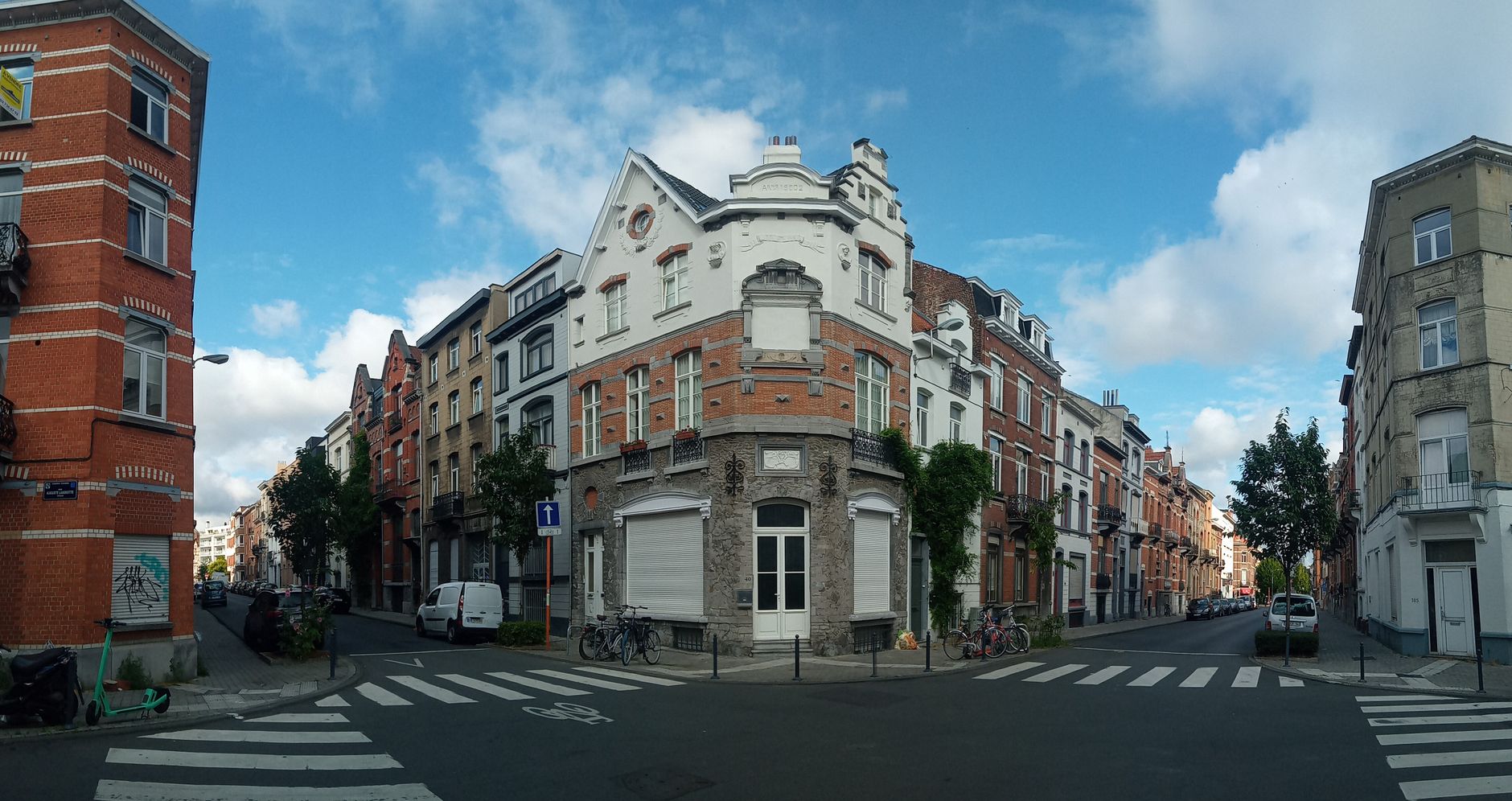
The global map is being redrawn while you sleep. From the "Schengen of the Middle East" to the BRICS+ expansion, new geopolitical alliances are making some passports more powerful while adding layers of digital red tape for others. This is your definitive field guide to navigating the world’s new borders without the headache. ---
The Ghost in the Machine: A Border Crossing Like No Other
I stepped off the high-speed rail at the Johor Bahru checkpoint, the humid air of Malaysia clinging to my skin like a second layer of linen. Usually, this crossing is a rhythmic dance of passport stamps and weary sighs. But this time, it was different. I didn’t reach for my physical passport. Instead, a sleek, matte-black kiosk scanned my iris, cross-referenced a new multilateral database shared between three neighboring nations, and flashed a soft green "Welcome."
No questions. No "How long are you staying?" No paper trail.
This wasn’t just a technological fluke; it was the physical manifestation of a massive tectonic shift in global mobility. We are entering the era of the "Alliance Entry"—where your ability to cross a border is no longer just about where you were born, but which economic bloc your country just shook hands with.
Recent data reveals that over 40% of the world’s entry requirements have shifted in the last 18 months due to new alliances. If you’re still traveling with 2023 knowledge, you’re already behind.
---
1. The GCC "Grand Tour" Visa: The Middle East’s Schengen Moment
For decades, hopping between Dubai, Doha, and Riyadh felt like navigating a bureaucratic maze. Each required its own fee, its own portal, and its own set of rules. That world is dead.
The Gulf Cooperation Council (GCC)—comprising the UAE, Saudi Arabia, Qatar, Kuwait, Oman, and Bahrain—has officially moved toward a unified tourist visa. Much like the Schengen Area in Europe, this alliance allows travelers to explore six distinct cultures on a single permit.
The Data Insight: According to internal GCC tourism reports, this alliance aims to increase visitor spending to $188 billion by 2030. They aren't just making it easier for fun; they are competing with Europe for your vacation days.
- Pro-Tip: Don't just stick to the glitz of Dubai. Use the unified visa to take the 7 AM "hidden" shuttle from Al Ain (UAE) into the mountains of Jebel Hafeet in Oman. The air is 10 degrees cooler, and the mountain goats are better conversationalists.
- The Hidden Entrance: When entering Saudi Arabia under this new framework, use the land borders from the UAE. The new "Silk Road" style highways are architectural marvels that most fly-over tourists never see.
2. The BRICS+ Expansion: The New Passport Powerhouse
The expansion of the BRICS bloc (adding Iran, Egypt, Ethiopia, and the UAE) has created a "Global South" travel corridor that is bypassing Western norms. Recent data shows a 15% increase in visa-free or visa-on-arrival agreements between these member states.
For the intrepid traveler, this means the "Golden Ticket" isn't necessarily a blue or burgundy passport anymore. We are seeing a surge in "reciprocity fees." For example, if your country makes it hard for their citizens to visit, expect a surprise $160 "processing fee" at their gate.
- Pro-Tip: If you hold a passport from a BRICS+ nation, check the new "Fast Track" lanes in Addis Ababa. Ethiopia is positioning itself as the "Brussels of Africa," and the new alliance protocols mean transit times have been cut in half for member citizens.
3. The Digital Nomad "Silk Road": ASEAN’s New Playbook
Southeast Asia has stopped flirting with digital nomads and has finally proposed a marriage of convenience. The ASEAN (Association of Southeast Asian Nations) alliance is currently debating a "Single Visa" policy, but in the meantime, individual members are launching "Alliance-Friendly" long-term stays.
Thailand’s new Destination Thailand Visa (DTV) is the heavyweight champion here. It allows for 5-year stays with multiple entries, provided you work for a company outside the region or are a "cultural talent."
- Pro-Tip: The "Hidden Door" to the DTV isn't just for tech bros. It explicitly includes Muay Thai students and culinary trainees. Enroll in a recognized 3-month cooking school in Chiang Mai, and you could secure a 5-year residency.
- Logistics: The application is entirely digital. Avoid the "visa agents" on the street in Bangkok who charge $500; the official portal is straightforward if you have your tax filings in order.
4. ETIAS and the "Digital Wall" of Europe
While some alliances are opening doors, the European Union is adding a digital filter. The ETIAS (European Travel Information and Authorisation System) has been delayed more times than a budget airline flight, but the data confirms a 2025 rollout is imminent.
This isn't a visa, but a "pre-travel screening." If you are from a visa-exempt country (like the US, UK, or Canada), you will now need to pay a small fee and get cleared before you head to the airport.
- Pro-Tip: Be wary of "Copycat" websites. There is only one official EU portal for ETIAS. Any site charging more than €7 is a scam.
- The 7 AM Rule: If you’re flying into Paris or Frankfurt once ETIAS is live, try to land before 7 AM. The new biometric kiosks (EES) are expected to cause significant "first-time registration" bottlenecks during mid-day peaks.
5. The African Continental Free Trade Area (AfCFTA)
The most underrated alliance changing the game is happening across Africa. Countries like Kenya and Rwanda have moved to Visa-Free status for all African citizens, and they are extending many of these "open border" philosophies to international travelers to stimulate the AfCFTA trade routes.
The Data Insight: Intra-African tourism is up 20% year-over-year. This has led to a massive upgrade in regional airlines like RwandAir and Ethiopian Airlines, making "multi-country hopping" in Africa actually feasible for the first time.
- Insider Language: Don't ask for a "tourist map." Ask for the "Corridor Guide." In places like Kigali, the infrastructure is moving so fast that Google Maps is often three months behind the new road openings.
---
Quick Facts: The New Alliance Cheat Sheet
| Alliance/Visa | Key Countries | Estimated Cost | Processing Time | Best For | | :--- | :--- | :--- | :--- | :--- | | GCC Unified | UAE, Saudi, Qatar, Oman | $100 - $150 | 48-72 Hours | Luxury & Desert Adventure | | Thai DTV | Thailand | $270 (approx.) | 5-10 Days | Digital Nomads / Slow Travel | | ETIAS | 30+ European Countries | €7 | Minutes (usually) | Short-term Vacations | | Schengen (Standard) | France, Italy, Germany | €90 | 15-45 Days | The Classic Euro-trip | | East Africa Tourist | Kenya, Rwanda, Uganda | $100 | 24 Hours | Safari Enthusiasts |
---
The New Rules of the Road: Logistics & Budget
Traveling under these new alliances requires a shift in gear. Here’s how to stay ahead of the curve:
1. The "Alliance Portfolio" App: Stop carrying paper folders. Use apps like TripIt or Wallet to store your digital authorizations. In the GCC and EU, a QR code is now more valuable than a physical stamp.
2. Budgeting for the "Hidden Fees": While alliances make entry easier, they often come with "Sustainability Taxes." Venice, Bali, and parts of the UAE now charge a "per night" fee that isn't always included in your Airbnb or hotel price. Set aside an extra $5/day for these "entry contributions."
3. How to Get There: The alliances are also changing flight paths. Hub-Hopping is the new way to save. Instead of flying direct to a difficult-entry country, fly into an "Alliance Hub" (like Singapore, Dubai, or Addis Ababa) and take a regional carrier. You'll save up to 30% on airfare and often bypass the more stringent "primary" customs lines.
---
Authenticity Check: Beyond the Brochure
You’ll hear people say that the world is becoming more "homogenized" because of these alliances. They are wrong. When you make it easier to cross from the ultra-modern skyscrapers of Riyadh to the ancient, frankincense-scented souks of Salalah, you aren't losing culture—you’re seeing the contrast in high definition.
I remember sitting in a small cafe in Muscat, Oman. The scent of bukhoor (oud wood) was heavy in the air, and the coffee was spiked so strongly with cardamom it made my eyes water. Ten years ago, the person sitting next to me—a tech entrepreneur from Mumbai—would have struggled for weeks to get the paperwork to be there. Now, thanks to the shifting alliances and the data-driven "open door" policies, we were sharing a plate of dates and discussing the future of the desert.
The world isn't getting smaller; it’s getting more connected for those who know how to read the new map.
---
More pictures
Tags
Share this guide
We may earn a commission if you click a link and buy a product or service, at no extra cost to you. How affiliate links work.
Been there?