
Ready to swap concrete canyons for pine-scented air, volcanic calderas, and bioluminescent ocean trenches? The post-pandemic urge to unplug has transformed nature tourism from a niche retreat into a full-scale movement. We’ve scouted six extraordinary, off-grid eco-sanctuaries across the globe where active rewilding, local stewardship, and raw scenery take center stage. Pack your boots—here is your definitive, high-altitude guide to nature escapes actually worth your precious vacation days. ---
The Hook
I stepped off the ferry at Cais da Madalena on the island of Pico, and the Atlantic air hit me like a slap of wet slate, salt, and crushed volcanic rock. Behind me, the ocean churned in ink-black depths; above me, the stark basalt cone of Mount Pico pierced a shelf of low-hanging fog. There were no tour buses idling by the port. No neon signs jostling for my attention. Just the rhythmic hum of crashing surf, the rich aroma of woodsmoke mixing with wild fennel, and an overwhelming realization: this is why we travel now.
After years of screen fatigue and urban confinement, the collective travel soul broke. We no longer want sanitized resorts with infinity pools designed purely for social media clout. The shift toward raw, unscripted wilderness—where ecosystems are actively healing and quietude is the ultimate luxury—isn't a passing trend. Nature tourism is booming post-pandemic, and several under-the-radar regions are defining this new golden age of exploration.
---
1. The Azores, Portugal: Atlantic Rewilding at the Edge of the World
If ocean wilderness had a capital, it would be this nine-island volcanic archipelago floating 900 miles off the coast of Lisbon. While mainland Europe wrestles with overtourism, the Azores have quietly established themselves as a global benchmark for regenerative ecotourism.
``` /\ / \ Mount Pico / \ 2,351m ____/______\___________ [Basalt Vineyards] ```
On Pico Island, ancient volcanic soil grows vines protected by intricate grids of hand-stacked basalt stones known as currais. On neighboring Faial, active rewilding projects are restoring native laurel forests (Laurissilva) that absorb carbon and filter mountain runoff into crystal-clear natural pools.
What to Experience
Hike the 14-kilometer rim of the Faial Caldeira before dropping into the crater floor with a certified park ranger. Later, charter an eco-conscious zodiac out into the Azores marine trench—one of the world's premier sanctuaries for sperm whales and blue whales.
- Authentic Bite: Skip the tourist taverns in Horta. Walk down to a family-run seaside tasca for lapas grelhadas (limpets seared on a cast-iron skillet with garlic butter, crushed red pepper, and a squeeze of bitter island lemon). Pair it with a chilled glass of mineral-heavy Verdelho wine grown directly in the black volcanic ash.
- Pro-Tip: Head to Pico’s Vinhas da Criação Velha at 6:30 AM. You’ll catch the golden morning fog weaving through the black stone mazes with Mount Pico looming in the background, hours before any day-trippers arrive from Ponta Delgada.
---
2. Svaneti, Georgia: Alpine Trails and Medieval Towers in the High Caucasus
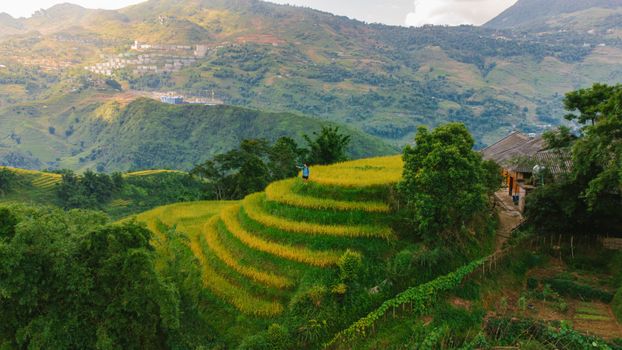
Tucked away in the shadow of 5,000-meter snowy peaks along the Georgian-Russian border, Svaneti feels like a realm forgotten by modern time. The Svans—a mountain people with their own unwritten language and fierce independence—have guarded these high alpine valleys for centuries from atop medieval defense towers (koshki).
``` || || || <- Medieval Svan Towers | || || | [Village of Ushguli - 2,200m] ~~~~~~~~~~~~~~~~~~~~~~~~~~~~~~~ ```
Post-pandemic infrastructure improvements have made the famous 4-day trek from Mestia to Ushguli accessible to fit hikers without stripping the valley of its wild edge. Glacier-fed rivers carve through meadows thick with Caucasian rhododendrons, while wild horses roam free across alpine passes.
What to Experience
Trek up to the base of the Chalaadi Glacier, watching meltwater torrents surge through granite gorges. Sleep in stone guesthouses in the village of Adishi, where host families prepare home-cooked feasts powered by hyper-local produce and wild herbs.
- Authentic Flavor: Try Kubdari, a thick, hearth-baked mountain bread stuffed with coarse-cut beef, pork, and heavily spiced with Svanuri marili—a crushed mountain salt blended with garlic, blue fenugreek, coriander, and dried marigold petals.
- Pro-Tip: The trail between Adishi and Iprali requires crossing a freezing, rushing glacier river. Hire a local horseman at 7:00 AM in Adishi to cross safely before afternoon meltwater causes river levels to surge dangerously high.
---
3. Aysén Region, Chile: Patagonia Without the Crowds
While thousands of hikers line up shoulder-to-shoulder on the W Trek in Torres del Paine, northern Patagonia’s Aysén region remains wildly spacious. This is the heart of Chile’s Route of Parks, a network covering 28 million acres of protected wilderness forged through visionary conservation efforts and national park donations.
Here, temperate rainforests meet turquoise glacial rivers, vast icefields, and the hauntingly beautiful Marble Caves (Catedral de Mármol) sculpted by the glacial waves of Lake General Carrera over 6,000 years.
What to Experience
Explore Cerro Castillo National Park, where sharp basalt spires rival the jagged peaks of Torres del Paine—minus 90% of the foot traffic. Drive along the unpaved Carretera Austral, stopping to hike through lush fern canyons beneath the roaring runoff of the Queulat Hanging Glacier.
- Gaucho Culture: Sit down by an open wood fire with local gauchos (Patagonian cowboys) to share loose-leaf mate tea from a carved gourd, followed by cordero al palo—whole mountain lamb slow-roasted over sweet birch embers for five hours.
- Pro-Tip: To visit the Marble Caves without wrestling tour boats, rent a sit-on-top kayak from Puerto Río Tranquilo at precisely 6:45 AM. You’ll paddle into the cavern systems while the lake surface is glass-still and the warm sunrise light hits the blue calcium carbonate walls directly.
---
4. Cairngorms National Park, Scotland: Rewilding the Ancient Caledonian Forest
The Scottish Highlands have suffered centuries of deforestation, but in the heart of Cairngorms National Park, a quiet landscape revolution is underway. Private landowners, local communities, and conservation trusts have partnered on massive 200-year rewilding initiatives like Cairngorms Connect, bringing back ancient Caledonian pine forests, restoring peat bogs, and allowing native species like red stags, pine martens, and osprey to thrive.
``` 🌲 🌲 🌲 Caledonian Pine Forest 🌲 🌲 🌲 🌲 🌲 (Rewilding Zone) ~~~~~~~~~~~~~~~~~~~~~~~~~~~~~ River Feshie Valley ```
What to Experience
Walk through Glen Feshie, widely considered the jewel of Highland rewilding, where self-seeded Scots pines climb high up mountain gullys for the first time in three centuries. Track wild mountain hares across the tundra plateau of Ben Macdui, Scotland's second-highest peak.
- Authentic Sip: After a damp day on the boggy trails, skip the famous commercial distilleries. Find a cozy pub in Braemar and ask the bartender for an independent bottling of a single-cask, un-chillfiltered Speyside malt. Smell the notes of peat smoke, heather honey, and damp oak resin.
- Pro-Tip: If you plan to use one of Scotland's unlocked stone mountain shelters (bothies), bring a small bundle of dry kindling and two bricks of compressed peat. The hidden Ruigh Aiteachain bothy in Glen Feshie features restored wood stoves—leave it cleaner than you found it, per bothy code!
---
5. Kaikōura, New Zealand: Ocean Trenches and Dark Sky Sanctuaries
Where the snowy peaks of the Seaward Kaikōura Range plunge directly into the Pacific Ocean on New Zealand’s South Island, a unique geographical feature creates a natural marine wonder. Just two kilometers off the coastline, the seabed plunges into the 1,000-meter-deep Kaikōura Canyon. This deep-sea feature creates upwelling currents rich in nutrients that attract sperm whales, dusky dolphins, fur seals, and ocean birds year-round.
``` /\ /\ /\ Seaward Kaikōura Range / \/ \/ \ (Snowy Peaks) /____________\_____________________ | Ocean Canyon | (1,000m depth drops right offshore!) v ```
Post-pandemic, Kaikōura has doubled down on sustainable marine tourism and dark-sky protection, establishing strict wildlife viewing distances and working toward international Dark Sky Sanctuary status.
What to Experience
Kayaking with wild fur seals along the rocky shoreline, or joining an eco-certified ocean voyage to view resident sperm whales surfacing against a backdrop of snow-capped mountains.
- Authentic Feast: Walk along the coastal path to the Kaikōura Seafood BBQ—a simple beach container shed. Order fresh-caught crayfish (rock lobster) grilled over flat irons with garlic butter, served with a wedge of lemon right on the pebbled shore.
- Pro-Tip: Skip the crowded seal colony parking lots. Drive south to Point Kean at 7:00 AM at low tide. Walk along the exposed limestone shelf (maintain a respectful 10-meter clearance) to watch seal pups playing in natural tidal rock pools during sunrise.
---
Ultimate Logistics & Budget Matrix
Planning a high-impact, low-footprint trip requires precision logistics. Here is a breakdown of costs, ideal seasons, and transit strategies for these world-class nature spots:
| Destination | Estimated Cost / Day ($ USD) | Best Time to Visit | Primary Access Hub | Eco-Rating / Focus | | :--- | :--- | :--- | :--- | :--- | | The Azores, Portugal | $90 - $160 (Moderate) | May – October | Ponta Delgada (PDL) or Horta (HOR) | 5/5 (Geoparks & Marine Sanctuaries) | | Svaneti, Georgia | $45 - $80 (Budget) | June – September | Tbilisi (TBS) / Kutaisi (KUT) | 4/5 (Community Ecotourism) | | Aysén, Chile | $120 - $220 (Moderate-High)| November – March | Balmaceda Airport (BBA) | 5/5 (National Park Networks) | | Cairngorms, Scotland | $110 - $190 (Moderate) | May – September | Inverness (INV) or Edinburgh (EDI)| 4.5/5 (Forest Rewilding) | | Kaikōura, New Zealand | $130 - $240 (Moderate-High)| October – April | Christchurch (CHC) | 5/5 (Marine & Dark Sky Protection) |
---
The New Rules of Wilderness Travel
To ensure nature tourism post-pandemic remains a force for good rather than destruction, seasoned wild-travelers follow three cardinal rules:
- Leave No Trace 2.0: It’s no longer enough to carry out your trash. Modern nature travelers carry micro-trash collection bags to pack out plastics left behind by previous visitors, particularly along high-altitude riverbanks and ocean tide lines.
- Support Indigenous Land Stewardship: Wherever possible, hire local indigenous guides, stay in family-run guesthouses, and purchase regional permits. This ensures your travel dollars incentivize local wilderness preservation over industrial exploitation (logging, mining, intensive farming).
- Embrace Slow Transit: Trade domestic regional flights for ferry links, electric rental vehicles, or multi-day trekking routes. The journey through the landscape is the experience—not just the destination at the end of the pin drop.
---
More pictures
Tags
Share this guide
We may earn a commission if you click a link and buy a product or service, at no extra cost to you. How affiliate links work.
Been there?